How Do Ductless Air Conditioners Work? A Simple Breakdown of Mini-Split Systems
How do ductless air conditioners work is a question many homeowners ask when exploring energy-efficient cooling options. Ductless systems, also known as mini-split systems, provide targeted temperature control without relying on traditional ductwork.
If you are considering a ductless system, here are a few key things to understand:
- No ductwork required: Cooling is delivered directly into individual rooms.
- Indoor and outdoor components: Systems use separate units connected by refrigerant lines.
- Zoned comfort control: Each space can have independent temperature settings.
- High efficiency ratings: Many models exceed traditional central AC performance.
Understanding how these systems operate can help you decide whether they are a good fit for your home.
How Do Ductless Air Conditioners Work? The Basic Components of a Ductless Mini-Split System
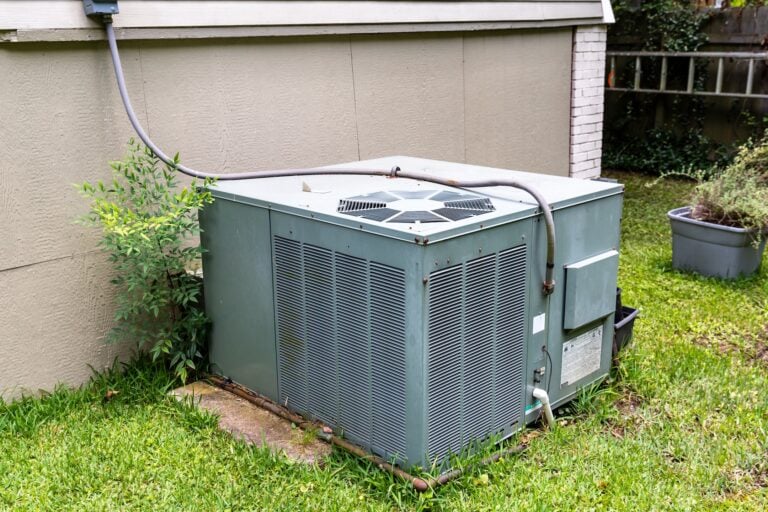
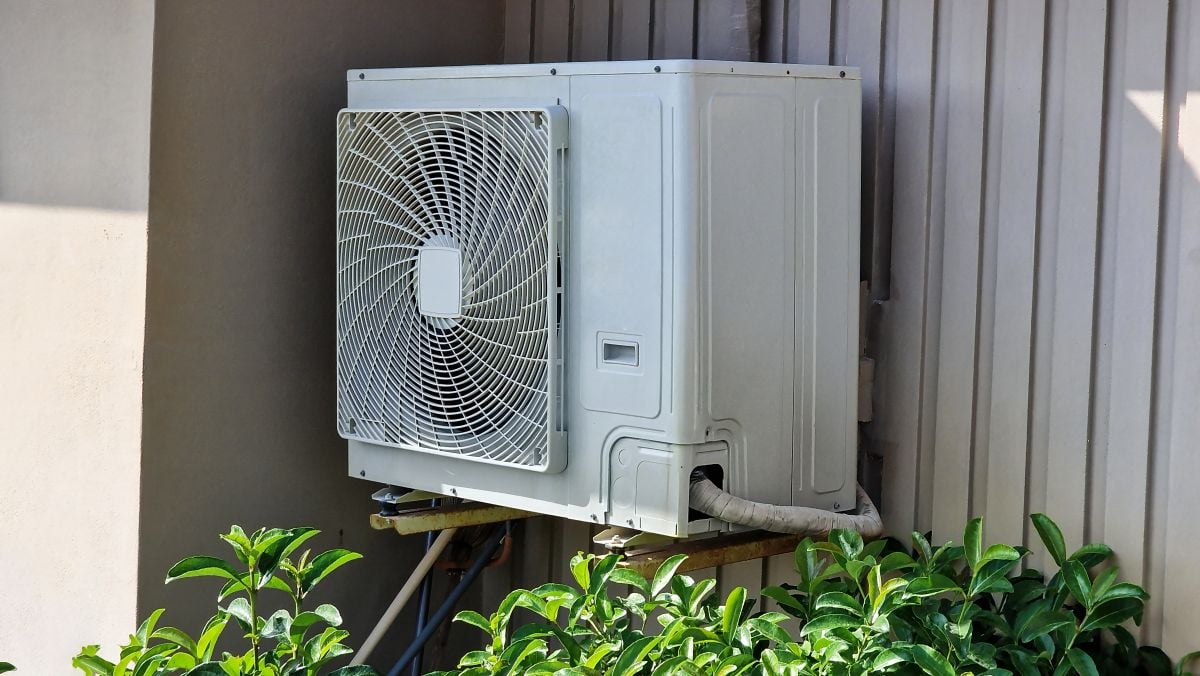
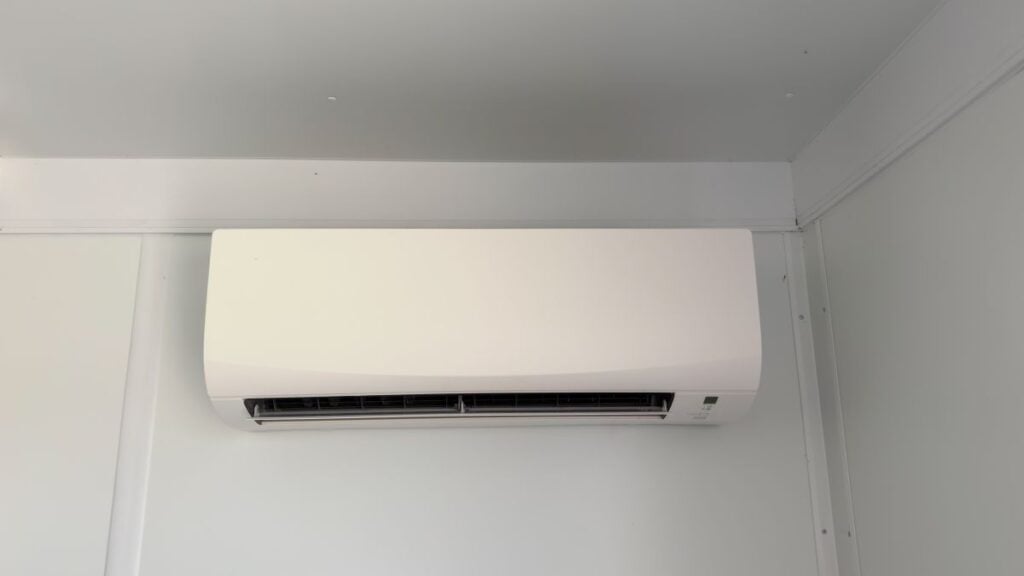
Ductless air conditioners operate using two main components. The indoor unit is mounted on a wall or ceiling and distributes cooled air directly into the room. The outdoor unit houses the compressor and condenser, which are responsible for releasing heat outside the home.
These units are connected by a small conduit that contains refrigerant lines, electrical wiring, and a condensate drain. Because no air ducts are required, installation is often less invasive than central air systems. The compact design also allows technicians to install the system with minimal disruption to finished walls and ceilings.
Mini-split systems use refrigerant to absorb heat from indoor air and transfer it outside. This process allows them to cool efficiently without the energy losses associated with duct leakage.
How the Cooling Process Works
The cooling process in a ductless air conditioner follows the same refrigeration principles as central air systems. However, the delivery method differs.
When warm indoor air is drawn into the indoor unit, it passes over evaporator coils filled with refrigerant. The refrigerant absorbs heat from the air and transforms into a gas. This heated refrigerant travels through the lines to the outdoor unit, where the compressor pressurizes it and releases the heat outdoors.
According to the U.S. Department of Energy, duct losses can account for more than 30 percent of energy consumption for space conditioning. Because ductless systems eliminate ductwork entirely, they avoid this common source of inefficiency.
After releasing heat outside, the refrigerant cools and returns to the indoor unit to repeat the cycle. This continuous heat transfer process allows the system to maintain steady indoor temperatures even during hot South Carolina summers.
5 Key Features That Make Mini-Split Systems Different
Ductless systems offer several distinct advantages over traditional central air systems.
1. Zoned Temperature Control
Ductless air conditioning systems provide customizable temperature control for individual rooms, allowing for different settings in different areas of the home, which can enhance comfort and energy efficiency.
- Individual thermostats: Adjust temperatures by room.
- Customized comfort: Different settings for bedrooms and living areas.
- Energy savings: Cool only occupied spaces.
2. Flexible Installation Options
Mini-splits can be installed in various locations.
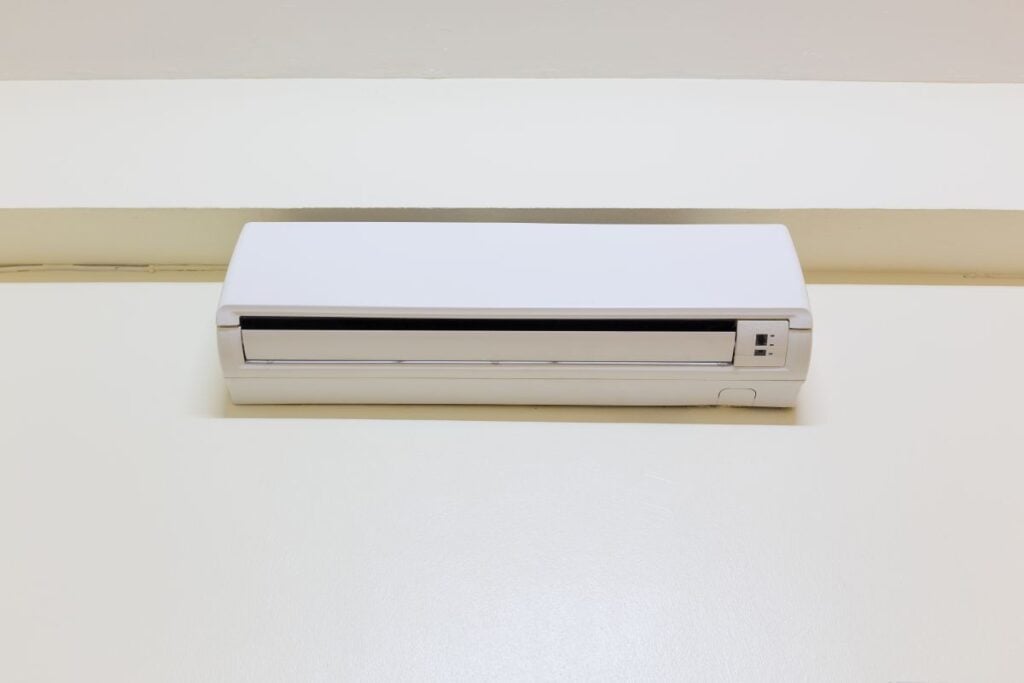
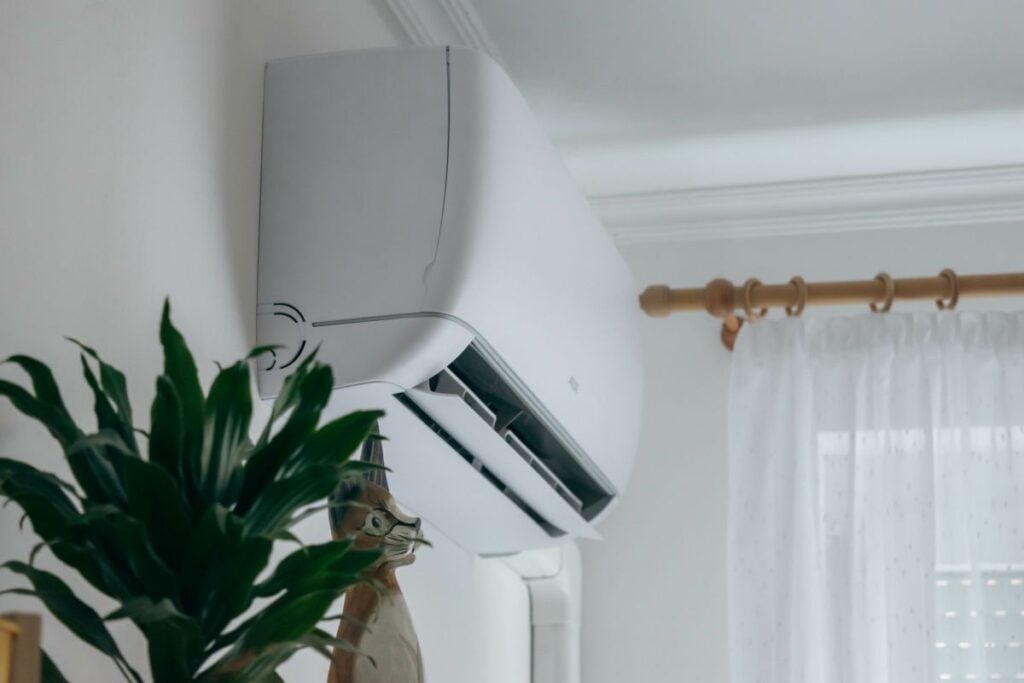
- Wall-mounted units: Most common residential option.
- Ceiling cassette models: Flush with ceiling surface.
- Floor-mounted units: Ideal for low wall space.
This flexibility makes them suitable for additions, remodels, or homes with architectural limitations.
3. Energy Efficiency
Ductless systems are known for high efficiency.
- Inverter-driven compressors: Adjust speed based on demand.
- Reduced energy loss: No duct leakage.
- High SEER ratings: Competitive with central systems.
Because the compressor ramps up and down instead of constantly cycling on and off, energy consumption is more consistent and controlled.
4. Quiet Operation
Ductless systems are generally quieter than traditional ducted systems, with indoor units operating at noise levels comparable to a typical conversation.
- Low indoor noise levels: Minimal disruption.
- Outdoor unit isolation: Compressor located outside.
- Smooth airflow design: Reduced vibration.
5. Heating Capability
Many ductless systems also function as heat pumps.
- Year-round comfort: Provides both cooling and heating.
- Efficient heat transfer: Uses outdoor air even in cooler temperatures.
- Reduced reliance on furnaces: Supplemental heating option.
This dual functionality makes ductless systems a versatile solution for homes in Greer.
We’re proud to serve home and business owners in Greer, SC, and nearby communities with ductless air conditioning installation and HVAC services.
Ductless vs Central Air Comparison
Understanding how ductless systems compare to traditional central air helps homeowners evaluate their options.
| Feature | Ductless Mini-Split | Central Air System |
| Ductwork Required | No | Yes |
| Zoning Capability | Yes | Limited |
| Installation Complexity | Moderate | Higher if ducts needed |
| Energy Loss from Ducts | None | Possible |
| Upfront Cost | Moderate to High | Varies |
Each system has advantages depending on your home layout, insulation, and long-term energy goals.
When Ductless Systems Make the Most Sense
Ductless systems are particularly beneficial in certain scenarios. Homes without existing ductwork are ideal candidates, especially older properties that were not originally designed for central air. Installing ductwork in these homes can be expensive and invasive, making mini-splits a more practical alternative.
Room additions, finished garages, and attic conversions also benefit from mini-split installation. Instead of extending ductwork and potentially overloading a central system, a dedicated indoor unit can provide efficient climate control tailored to that space.
Homes with uneven cooling issues may also benefit from zoned solutions. Instead of overworking a central system to cool the entire home evenly, mini-splits allow you to target specific hot spots. This approach reduces strain on equipment and can extend overall system lifespan.
Installation Considerations
Although ductless systems do not require extensive ductwork, proper installation remains critical for long-term performance.
- Correct sizing: Based on room square footage, insulation levels, and window exposure.
- Proper refrigerant charge: Ensures efficient heat transfer.
- Secure mounting: Prevents vibration or noise.
- Professional electrical connections: Maintains safety compliance.
In addition, the placement of both indoor and outdoor units must be carefully planned. Indoor units should allow for unobstructed airflow, while outdoor units require adequate clearance for ventilation. Improper placement can affect performance and efficiency over time.
Common FAQs About Ductless Air Conditioners
Homeowners often have questions when considering mini-split systems.
Are ductless air conditioners expensive to operate?
When properly sized and installed, they are highly efficient and may reduce overall cooling costs compared to traditional systems with duct losses.
Do ductless systems require maintenance?
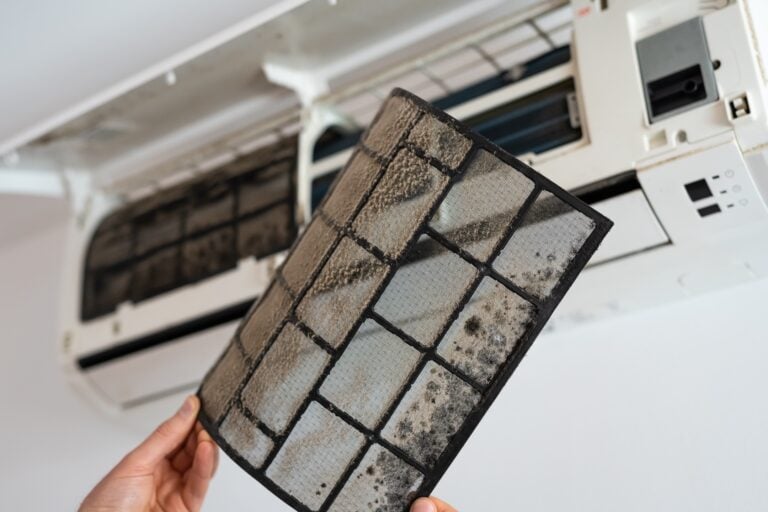
Yes. Filters should be cleaned regularly, and professional inspections help maintain peak efficiency and prevent refrigerant issues.
Can one outdoor unit support multiple rooms?
Yes. Multi-zone systems allow several indoor units to connect to one outdoor compressor.
Are ductless systems only for small spaces?
No. Multi-zone configurations can cool larger homes effectively when properly designed.
How long do mini-split systems last?
With proper maintenance, many systems last 15 to 20 years.
Discover Zoned Comfort With Eastergard HVAC, Inc.
At Eastergard HVAC, Inc., we help homeowners understand exactly how ductless air conditioners work and whether a mini-split system is the right solution for their home. Our experienced technicians provide expert installation designed for efficiency, reliability, and long-term comfort.
If you are considering upgrading your cooling system in Greer, contact Eastergard HVAC, Inc. today to schedule a consultation and learn how ductless technology can transform your indoor comfort.
Recent Articles POSTS