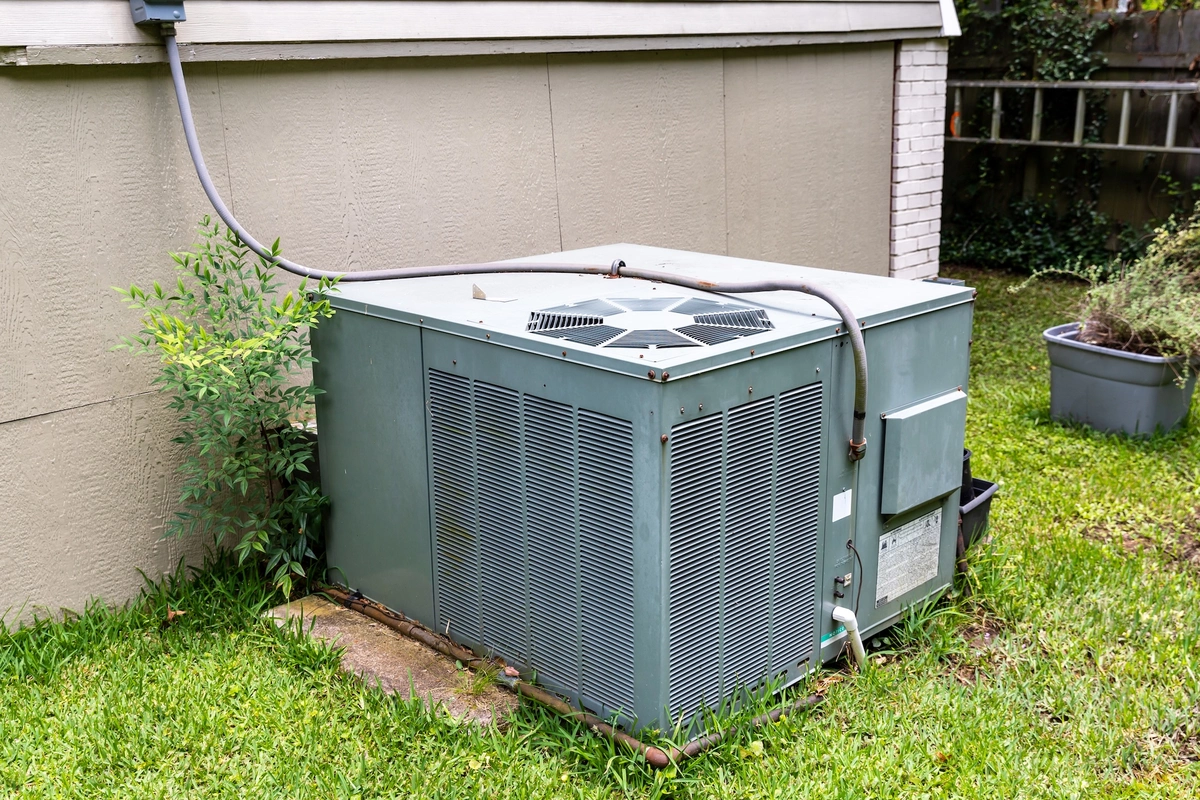
Central AC Installation Cost: 7 Key Factors That Determine Your Price
Central AC installation cost is one of the first things homeowners want to understand before committing to a new system, and honestly, that makes a lot of sense. A new central air conditioner is a significant investment, and the final number on your quote depends on several variables that go well beyond just the equipment itself. Whether you are replacing an aging AC unit or pricing out a brand-new central air installation for the first time, knowing what drives the price will help you make a confident, informed decision. In this guide, we break down exactly what to expect.
Here is what we will cover:
- What to expect price-wise in 2026: A realistic look at installed cost ranges for Upstate South Carolina homeowners.
- System size and cooling capacity: How the right tonnage affects both comfort and cost.
- Equipment efficiency ratings: Why SEER2 numbers matter for your long-term budget.
- Labor and installation complexity: What goes into the work beyond just swapping equipment.
- Financing, warranties, and available rebates: Options that can make a new system more accessible.
What Does Central AC Installation Actually Cost in 2026?
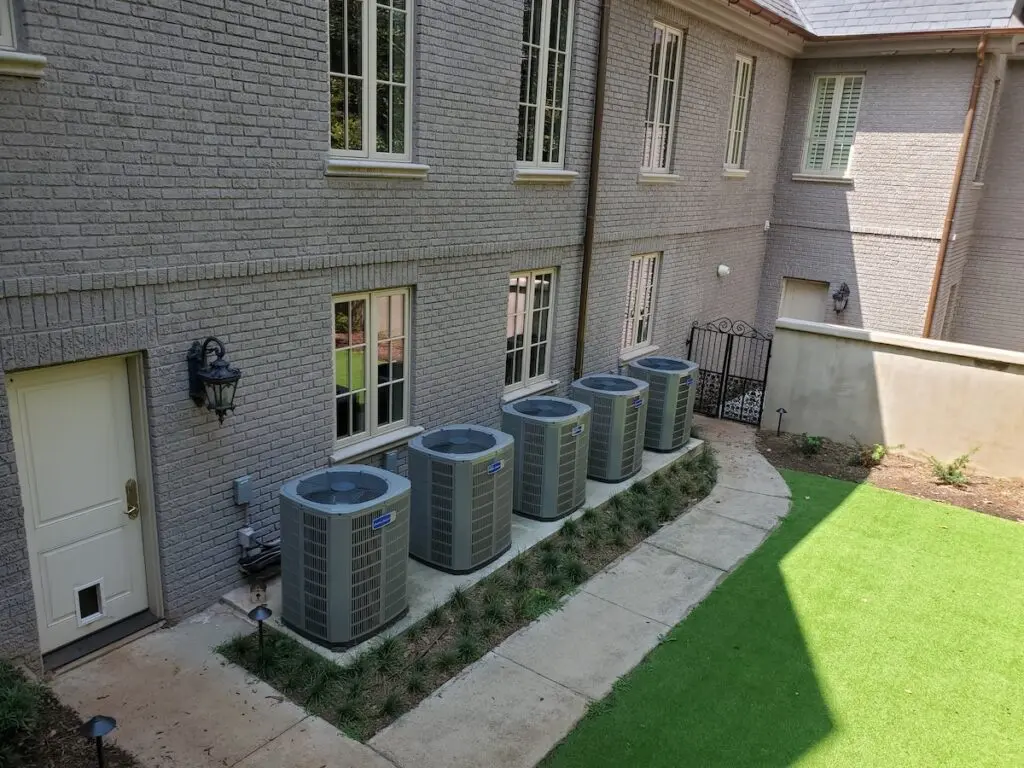
Most homeowners researching air conditioner replacement cost in the Upstate South Carolina area can expect to invest somewhere between $3,500 and $10,000 or more for a full central air installation, depending on the scope of the project. That wide range exists because no two homes are exactly alike. The size of your home, the condition of your ductwork, the efficiency level of the AC system you choose, and the complexity of the installation all play a role in shaping the final figure.
Getting a personalized quote is always the best way to understand your actual new AC unit cost. But understanding the factors that go into that quote puts you in a much stronger position heading into any conversation with an HVAC contractor.
| Home Size | Typical Tonnage | Equipment Range | Installed Cost Est. |
| Under 1,200 sq ft | 1.5 to 2 tons | $1,200 to $2,500 | $3,500 to $5,500 |
| 1,200 to 1,800 sq ft | 2 to 2.5 tons | $1,500 to $2,800 | $4,000 to $6,500 |
| 1,800 to 2,500 sq ft | 3 to 4 tons | $2,000 to $3,800 | $5,500 to $8,500 |
| 2,500+ sq ft | 4 to 5 tons | $2,800 to $5,000+ | $7,500 to $12,000+ |
Note: Estimates above reflect general ranges for the Upstate South Carolina market and will vary based on brand, efficiency tier, ductwork needs, and site-specific factors.
7 Key Factors That Determine Your Central AC Installation Price
Understanding what goes into your quote is half the battle. Contractors price jobs based on a combination of equipment costs, labor requirements, and site-specific conditions. Here are the seven factors that carry the most weight when it comes to your final number.
1. System Size and Cooling Capacity
Your home needs the right amount of cooling power, measured in tons, to stay comfortable without wasting energy. An undersized AC system will run constantly and never fully cool your home, while an oversized one will short-cycle and leave rooms feeling clammy. An HVAC professional must complete an ACCA Manual J load calculation to determine the ideal unit size, taking into account your square footage, ceiling height, insulation levels, window placement, and local climate. Getting the sizing right is one of the most important steps in any central air installation.
- Undersized systems: Run continuously, wear out faster, and struggle in South Carolina’s humid summer heat.
- Oversized systems: Cycle on and off too frequently, causing humidity problems and premature equipment wear.
- Correctly sized systems: Deliver even, consistent comfort while keeping operating costs in check.
2. Equipment Efficiency (SEER2 Rating)
Every new AC unit comes with a SEER2 rating, which measures how efficiently it uses energy. Central air systems typically have SEER ratings from 14 to 25+, with higher numbers meaning lower utility bills over time but a higher upfront air conditioning unit price. For homeowners in Simpsonville, SC, where summer cooling seasons are long and humid, investing in an energy-efficient air conditioner often pays off faster than you might expect. Heat pumps are also worth considering here, since they provide both heating and cooling in one system and frequently achieve some of the highest efficiency ratings available.
- Standard efficiency (14.5 to 16 SEER2): Lower purchase price, solid performance for moderate climates.
- High efficiency (17 to 20 SEER2): Larger upfront cost but meaningful monthly savings in hot, humid regions.
- Premium variable-speed systems (20+ SEER2): Top-tier comfort, quieter operation, and the best long-term energy savings.
- Heat pumps: An increasingly popular alternative to traditional AC units, offering year-round comfort at high efficiency ratings and qualifying for some of the largest available tax credits.
Here is a compelling reason to think carefully about efficiency: homeowners who choose qualifying high-efficiency systems may be eligible for federal tax credits. Split system central air conditioners with SEER2 of 17.0 or higher and EER2 of 12.0 or higher may qualify for up to $600 through the Energy Efficient Home Improvement Credit. That is real money back in your pocket.
3. Labor and Installation Complexity
Your equipment cost is only part of the equation. Labor is one of the most variable line items in any central air installation quote, and it is worth understanding why. HVAC professionals charge between $75 and $250 per hour depending on local market rates, the complexity of the job, and the experience level of the technician. A straightforward AC unit swap on an existing system is generally less involved than a first-time installation or a job that requires new line sets, electrical work, or condensate drain routing. South Carolina’s permitting requirements also factor in, since all permitted installations involve inspection and documentation.
- Standard replacement: Lower labor costs when existing infrastructure is compatible and in good shape.
- First-time central air installation: Requires more extensive work including new refrigerant lines and electrical connections.
- Complex jobs: Additional electrical upgrades, tight attic access, or multi-zone configurations push labor hours and cost higher.
- Permit and inspection requirements: Always part of a compliant installation and built into reputable contractor quotes.
4. Ductwork Condition and Modifications
If your home already has ductwork, its condition will significantly affect your AC installation price. Old, leaky, or undersized ducts can undermine even the best new AC system, leaving you with high energy bills and uneven temperatures throughout the house. An HVAC technician will evaluate your existing duct system before recommending whether repairs, sealing, or modifications are needed.
- Minor leaks and gaps: Often sealed during installation at a relatively low additional cost.
- Undersized or damaged ducts: May require section replacements or full redesign, adding to the project scope.
- Homes without existing ductwork: Require a full duct installation, which substantially increases overall cost.
- Ductless heat pumps: A strong alternative for homes without ducts, delivering zoned comfort without the need for any ductwork at all.
5. Brand and Equipment Quality
Not all AC units are built the same way. Premium brands typically carry longer warranties, more reliable components, and better support networks. At Eastergard HVAC, we specialize in American Standard and Mitsubishi systems. American Standard is recognized for its proven reliability and strong warranty coverage across its full lineup of central air systems, while Mitsubishi’s ductless and multi-zone heat pumps offer flexible solutions for homes where traditional ductwork is not practical. The brand and product line you choose directly influences both the air conditioning unit price and the long-term ownership experience.
- American Standard: Industry-recognized reliability, robust warranties, and a broad product lineup suited to South Carolina’s climate.
- Mitsubishi ductless systems and heat pumps: Ideal for additions, sunrooms, or homes without existing ducts, with precise zone control.
- Economy vs. premium tiers: Entry-level AC units cost less upfront but may carry shorter warranties and fewer comfort features.
6. Timing and Seasonal Demand
When you schedule your central air installation can affect how much the overall project costs in practice. Demand for HVAC services peaks during the hottest months of the year, which is when most homeowners in the Upstate region realize their AC system has finally given out. Spring and early fall installations tend to be scheduled more easily, and some contractors offer more flexible pricing during slower periods. Planning ahead is almost always the smarter financial move.
- Peak season (June through August): Higher demand means less scheduling flexibility and potentially longer lead times.
- Off-peak scheduling (spring or fall): Easier to lock in preferred dates and take advantage of any available promotions.
- Emergency replacements: When an AC unit fails in the middle of summer, costs and urgency both increase.
7. Financing, Rebates, and Tax Credits
The sticker price on a new AC system is rarely what you end up paying when you factor in available financial tools. Utility rebates, manufacturer promotions, and federal tax credits can meaningfully reduce your out-of-pocket central AC replacement cost. Eastergard HVAC offers financing through Wells Fargo, including options for 0% interest for qualifying periods depending on the system efficiency tier chosen. We are proud to serve home and business owners in Simpsonville, SC, and nearby communities with central air installations, heat pump upgrades, system replacements, and more.
- Federal tax credits: Qualifying high-efficiency AC units and heat pumps may be eligible for up to $600 and $2,000 respectively through the IRS Energy Efficient Home Improvement Credit.
- Utility rebates: Duke Energy and other local providers may offer additional rebates for energy-efficient upgrades.
- Manufacturer promotions: Seasonal deals on American Standard and Mitsubishi equipment can reduce equipment costs directly.
- Flexible financing: Monthly payment options make it easier to invest in a higher-efficiency AC system without a large upfront payment.
Frequently Asked Questions About Central AC Installation Costs
Homeowners in the Upstate region have a lot of good questions when it comes to pricing out a new central air system. Below are answers to some of the most common ones we hear from people who are just starting to research their options.
How long does a central air installation typically take?
Most standard AC unit replacements can be completed within one to two days. First-time installations or projects that involve ductwork modifications may take longer, sometimes three to five business days depending on the scope. Eastergard HVAC will give you a realistic timeline before work begins so you can plan accordingly.
Is a higher SEER2 rating always worth the extra cost?
It depends on how long you plan to stay in your home and how much you use your AC system. In South Carolina’s long, hot summers, a more energy-efficient air conditioner can pay for the price difference in utility savings over time. A qualified technician can run the numbers for your specific home and help you find the right balance between upfront cost and long-term savings.
Should I consider a heat pump instead of a traditional AC unit?
Heat pumps are worth a serious look, especially in South Carolina’s mild winters. A heat pump functions as both a cooling and heating system, replacing your AC unit and your furnace in a single piece of equipment. They tend to qualify for larger federal tax credits than standard central air systems and can deliver significant long-term savings. Eastergard HVAC can walk you through whether a heat pump makes sense for your home and budget.
Can I get a quote without committing to an installation?
Absolutely. Eastergard HVAC offers free replacement and upgrade quotes. You can reach us by phone, text at 864-235-2935, or email, and we will come out, assess your home, and provide a clear, itemized estimate with no pressure to move forward on the spot.
Does Eastergard HVAC offer warranties on installations?
Yes. Eastergard provides parts and labor warranties on repairs and equipment that we install. For equipment not installed by Eastergard, we offer parts warranty coverage. We verify the status of any existing warranties before quoting repairs, so there are never any surprises.
Get a Clear, Honest Quote From Eastergard HVAC
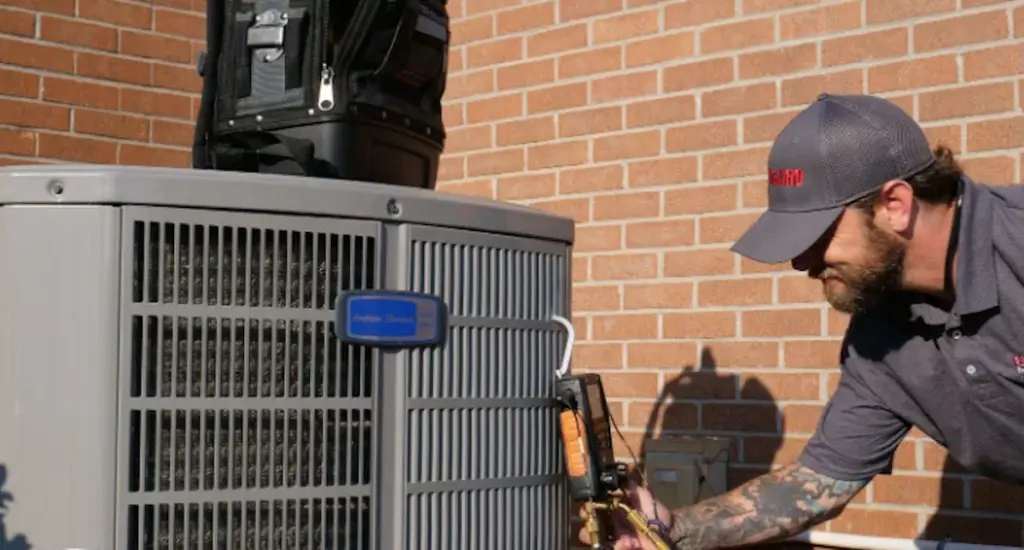
If you have been searching for reliable central air installation in Simpsonville or anywhere across the Upstate, Eastergard HVAC is ready to help. You get straightforward answers, honest recommendations, and a team that has been serving the Greenville area since 1989. We are a family-owned and locally operated company, not a private equity-backed chain, and that means every quote we give reflects what your home actually needs, not what generates the biggest ticket.
As an American Standard Platinum Dealer and Mitsubishi Ductless Pro, we carry the brands and the expertise to match you with the right AC system at the right price. Whether you are weighing air conditioner replacement cost, exploring heat pumps, or just trying to figure out how much central air installation costs for your specific home, we are here to walk you through every step.
Contact Eastergard HVAC today to schedule your free replacement upgrade quote. Call or text us at 864-235-2935, send us an email, or keep an eye out for our online booking option coming in 2026. We look forward to earning your trust, one installation at a time.
Recent Articles POSTS