Heat Pump vs Air Conditioner: Which Is Right for Your Home?
If you are weighing your options for a new cooling system, the choice between a heat pump and a traditional air conditioner is one worth understanding before you commit. Heat pump vs air conditioner is a comparison that comes up constantly for Upstate South Carolina homeowners, and the right answer depends on your home, your existing heating setup, and how you want to manage energy efficiency and comfort costs year-round. This guide breaks down exactly how these two systems differ and what each one means for your home.
Here is what we will cover:
- How each system works: The key mechanical difference between a heat pump and an air conditioner.
- Cooling performance: How they compare during South Carolina summers.
- Heating capability: Why this is where the decision really gets made.
- Cost and energy efficiency: Upfront costs, operating costs, and available incentives.
- Which system fits your situation: A practical framework for making the right call.
How a Heat Pump and an Air Conditioner Actually Differ
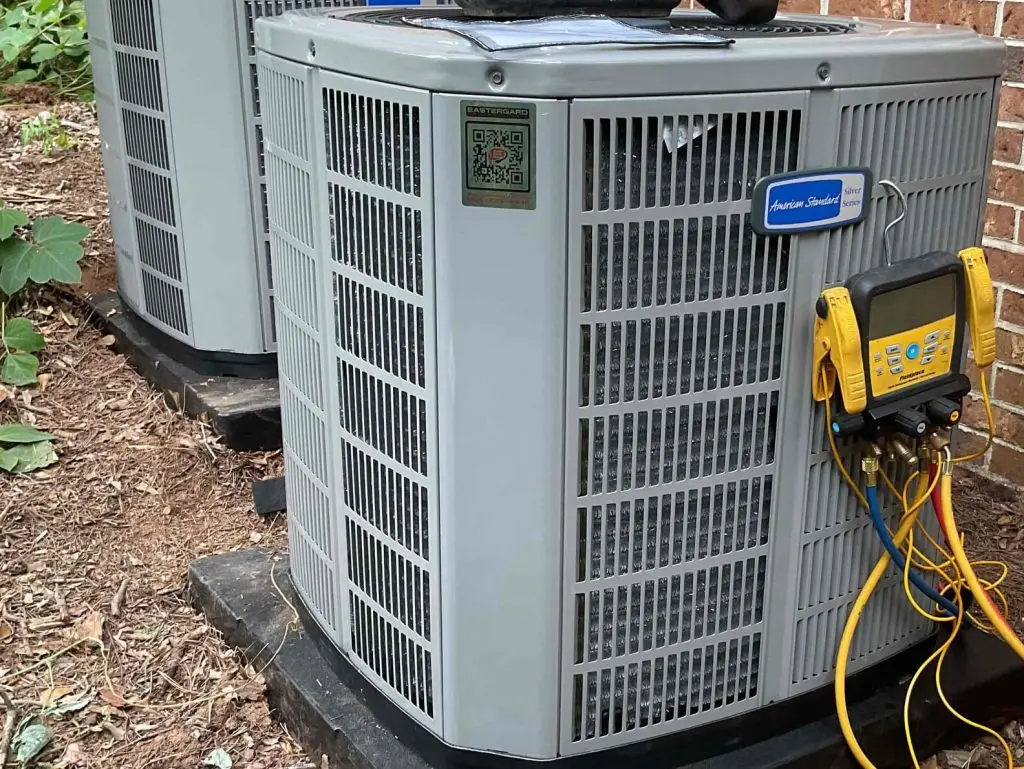
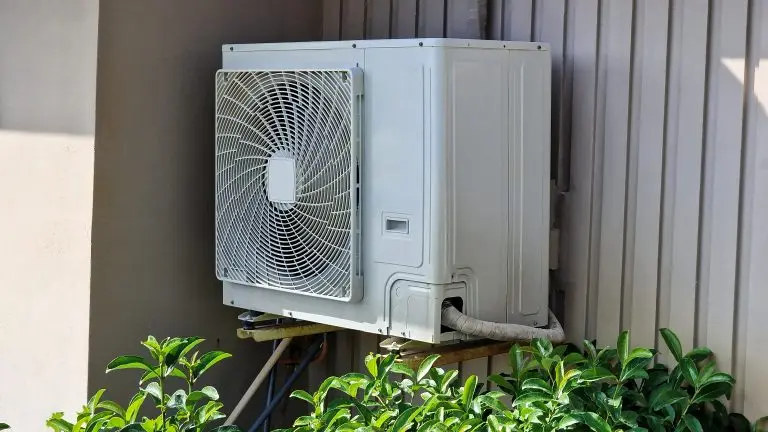
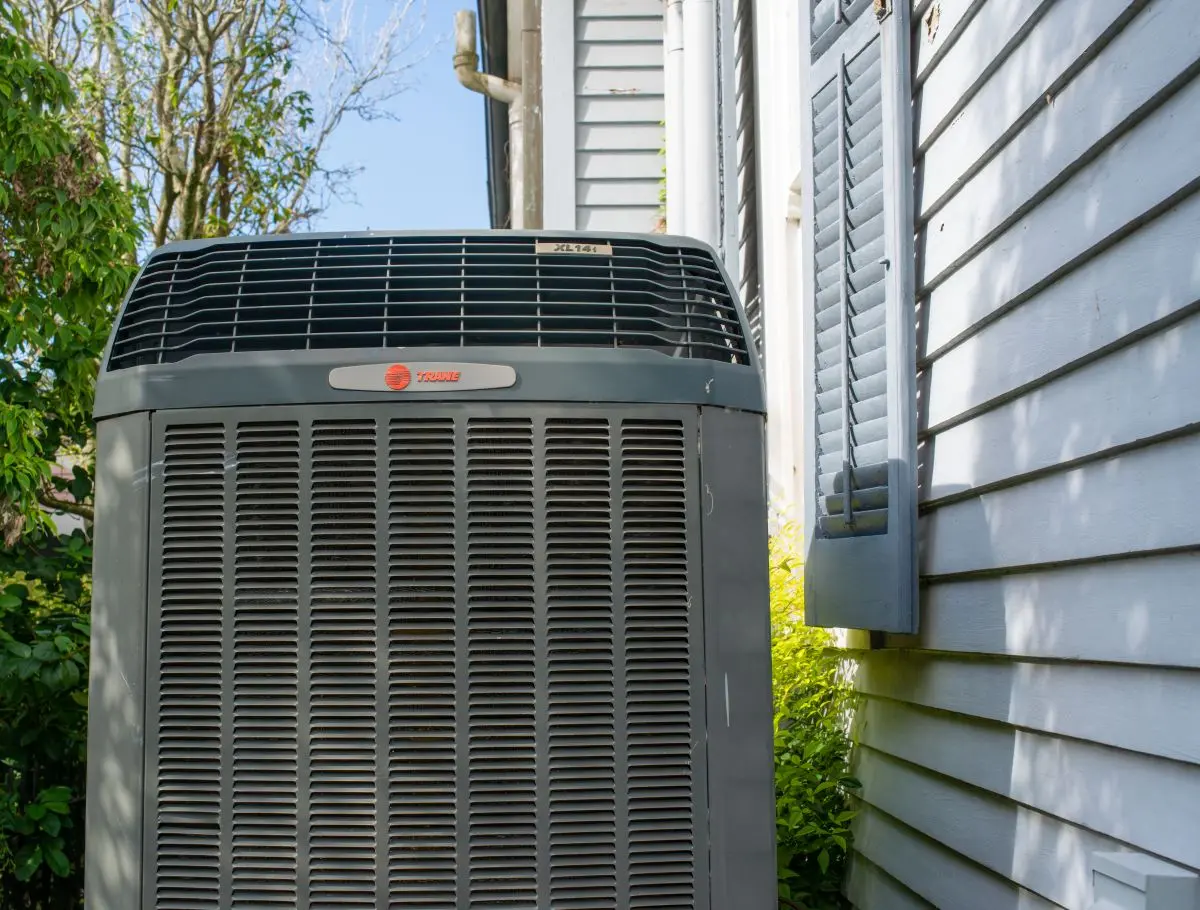
In cooling mode, a heat pump and a traditional air conditioner work in exactly the same way. Both systems use a refrigerant circuit to absorb heat from indoor air and transfer it outside, lowering the temperature inside your home. The equipment looks nearly identical, the installation process is the same, and the cooling performance is comparable at equivalent efficiency ratings.
The difference is a single component: a reversing valve. A heat pump has one; an air conditioner does not. That valve allows the heat pump to reverse its refrigerant flow in winter, pulling heat from outdoor air and moving it inside to warm the home. An air conditioner can only move heat in one direction, which means it requires a separate heating system, typically a gas furnace or electric air handler, to cover winter heating needs.
That single difference has significant implications for upfront cost, energy efficiency, and long-term system management.
6 Key Factors to Consider When Choosing A System
These five factors cover the full picture of what makes one system a better fit than the other for a given home. For most Upstate South Carolina homeowners, the climate and existing heating infrastructure are the two most decisive variables.
1. Cooling Performance
During South Carolina’s long, hot, and humid summers, both heat pumps and traditional air conditioners deliver effective cooling. At equivalent SEER2 ratings, the cooling output of a heat pump and an air conditioner are essentially the same. The differences in cooling performance come down to efficiency tier, equipment quality, and installation quality rather than system type.
- Traditional split system: A high-quality traditional split system with a strong SEER2 rating delivers excellent cooling and effective humidity control for South Carolina summers. Air conditioners cool by moving heat energy out of your home, and modern units do this with impressive energy efficiency.
- Heat pump: Performs identically to an air conditioner in cooling mode. In cooling mode, both heat pumps and air conditioners cool by pulling warm air across the evaporator coil and sending cold air back through the ducts. Choosing a heat pump does not require any compromise on cooling performance.
- Variable-speed systems: Both heat pumps and traditional split systems are available in variable-speed configurations, which offer superior humidity control and more consistent indoor temperatures throughout the cooling season.
2. Heating Capability

This is where the two systems diverge most significantly. A traditional air conditioner provides no heating function and requires a separate gas furnace or electric air handler to cover winter heating needs. A heat pump replaces both in a single unit. The Department of Energy notes that modern air-source heat pumps can reduce your electricity use for heating by up to 50% compared to furnaces and baseboard heaters, and in heating mode a heat pump can reach up to 300% efficiency by moving heat energy rather than generating it. Homeowners switching from gas or electric resistance heating can save between $300 and $1,500 annually depending on home size and local energy rates.
- Traditional split system: Requires a separate gas furnace or electric air handler, representing a second system to maintain and eventually replace.
- Heat pump: Handles all heating and cooling in one system at up to 300% efficiency.
- Dual fuel system: Pairs a heat pump with a gas furnace backup for the coldest days.
3. Heat Strips, Dual Fuel, and Cold Climate Heat Pumps
When outdoor temperatures drop below a set threshold, a standard heat pump switches over to heat strips, electric resistance elements that can cost two to three times more to operate than the heat pump itself. This is one of the main reasons homeowners consider a dual fuel system, which pairs a heat pump with a gas furnace that takes over automatically on the coldest nights. Cold climate heat pumps offer another solution, using advanced variable-speed compressor technology to extract heat at much lower outdoor temperatures, reducing or eliminating heat strip use entirely. Duke Energy also offers a higher rebate for qualifying cold climate installations, making the upgrade more financially accessible.</u>
- Heat strips: Built into the air handler as backup heat, but costly to run for extended periods.
- Dual fuel system: Heat pump efficiency for most of the season, gas reliability when temperatures bottom out.
- Cold climate heat pump: Reduces heat strip dependence and qualifies for enhanced Duke Energy rebates.
4. Upfront and Long-Term Costs
Heat pump cost is typically higher upfront than a comparable traditional split system, but that comparison changes when you factor in the cost of the separate gas furnace or electric air handler a traditional split system requires. Comparing heat pump cost to the combined cost of an air conditioner plus furnace installation is a more accurate way to evaluate the true price difference.
- Heat pump cost vs air conditioner cost: A heat pump installation is generally comparable to or slightly above the combined cost of a traditional split system plus furnace when both are purchased new.
- Operating costs and energy efficiency: In South Carolina’s mild winters, a heat pump typically delivers lower heating costs than a gas furnace for most of the season, with annual savings of $300 to $1,500 depending on the cost of natural gas, liquid propane, and energy at the time of consumption.
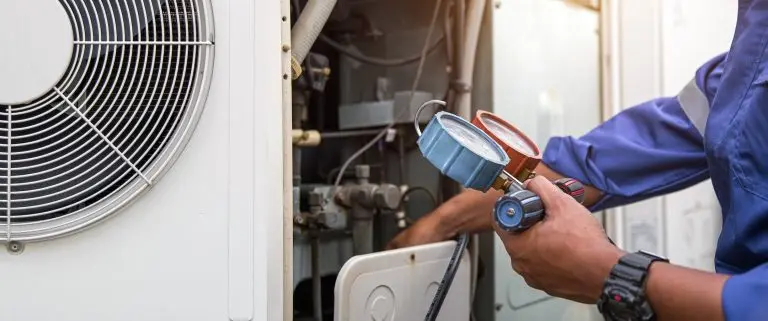
- Single system maintenance: A heat pump requires two annual service visits to cover both the cooling and heating seasons, including checks on the reversing valve and refrigerant levels. A traditional split system with a gas furnace also requires two separate visits, but across two different service histories and two separate contractors in many cases.
5. Climate Suitability for Upstate South Carolina
Heat pump efficiency is at its peak when outdoor temperatures are mild, which describes most of Upstate South Carolina’s winter. Temperatures in the Greenville area rarely sustain below-freezing conditions for extended periods, which is exactly the range where a heat pump system operates most energy efficiently. We are proud to serve home and business owners in Mauldin, SC, and nearby communities with heat pump installations, traditional split system installations, and more.
Modern heat pump systems also perform well in cold conditions that would have challenged older equipment. Cold-climate models maintain effective heating output even when outdoor temperatures drop into the teens, which goes well beyond what most South Carolina winters require.
- Mild winters (most of the season): Heat pumps operate in heating mode at up to 300% efficiency, delivering low-cost warm air without supplemental heat.
- Occasional cold snaps: Most heat pump systems include electric resistance backup heat that activates automatically when outdoor temperatures drop below the heat pump’s efficient operating range.
- Hot, humid summers: Both heat pumps and traditional split systems handle South Carolina summers effectively at equivalent efficiency ratings.
6. Your Existing Heating Setup
The most practical factor for many homeowners is what they already have. If your existing gas furnace still has years of useful life remaining, replacing only the air conditioner with a traditional split system makes financial sense. If both systems are aging and due for replacement, the comparison shifts toward a dual fuel system, which pairs a new heat pump with a gas furnace backup, consolidates both heating and cooling into one installation, and delivers heat pump efficiency for most of the season without sacrificing gas reliability on the coldest nights.
- Aging gas furnace and aging air conditioner: Strong candidate for a heat pump system. Replacing both aging systems with one heat pump is often the most cost-effective and energy efficient long-term decision, with potential annual savings of $300 to $1,500 compared to older equipment.
- New or recently replaced gas furnace: Replacing only the air conditioner with a traditional split system makes more practical and financial sense. A well-functioning gas furnace does not need to be replaced early.
- No gas service: Homes without natural gas access are strong candidates for heat pump systems, which provide efficient heating without requiring a gas line.
- Mini split consideration: For homes adding a room addition, sunroom, or space without existing ductwork, a ductless mini split is worth evaluating alongside both options as a flexible, zone-specific solution.
Side-by-Side Comparison
| Factor | Heat Pump | Traditional Split System | Dual Fuel |
| Cooling performance | Identical to AC at same SEER2 | Strong cooling for South Carolina summers | This utilizes a heat pump for cooling, so it is identical to an AC. |
| Heating function | Yes, up to 300% efficient in heating mode | No, requires separate gas furnace | Best of both worlds. With specific lock out temperatures within the thermostat, the homeowner can make adjustments to heating depending on the cost of the heating source. |
| Upfront cost | Higher (replaces AC and furnace) | Lower for AC alone | Most expensive upfront, but can create better comfortability, and energy consumption. |
| Energy efficiency for heating | Up to 50% less electricity than furnaces | Depends on fuel type and rates | The most energy efficient option. |
| Annual energy bill savings | $300 to $1,500 vs older heating systems | Varies by system age and efficiency | Varies on the price of gas and electricity. |
| System lifespan | 14 years | 12 to 15 years | 12-15 years |
Frequently Asked Questions About Heat Pumps vs Air Conditioners
These are the questions Eastergard HVAC hears most often from homeowners in the Upstate when they are deciding between these two systems.
Is a heat pump more energy efficient than an air conditioner for cooling?
In cooling mode, a heat pump and a traditional split system of equivalent SEER2 ratings perform essentially the same. The energy efficiency advantage of a heat pump system is most significant on the heating side, where it operates at up to 300% efficiency by moving heat energy rather than generating it through combustion or electric resistance.
Will a heat pump keep my home warm enough in a South Carolina winter?
Yes, for the vast majority of winter days in the Upstate. South Carolina’s mild winters are well within the efficient operating range of modern heat pump systems, and all heat pumps include electric resistance backup heat that activates automatically when the system needs support on the coldest nights.
What happens to a heat pump when it gets very cold outside?
Modern heat pump systems are designed to operate efficiently in cold temperatures. Most systems include a defrost cycle that briefly reverses the refrigerant flow to clear frost from the outdoor coil. All residential heat pumps include backup electric resistance heat that activates when outdoor temperatures drop below the unit’s efficient heating mode range.
Should I replace my air conditioner with a heat pump?
If your gas furnace is also aging and nearing the end of its life, replacing both with a heat pump system is often the most cost-effective and energy efficient long-term decision. If your gas furnace is relatively new and in good condition, replacing only the air conditioner with a traditional split system makes more practical and financial sense. Eastergard HVAC can evaluate your existing HVAC system and give you an honest recommendation based on what makes sense for your specific home.
Let Eastergard HVAC Help You Choose
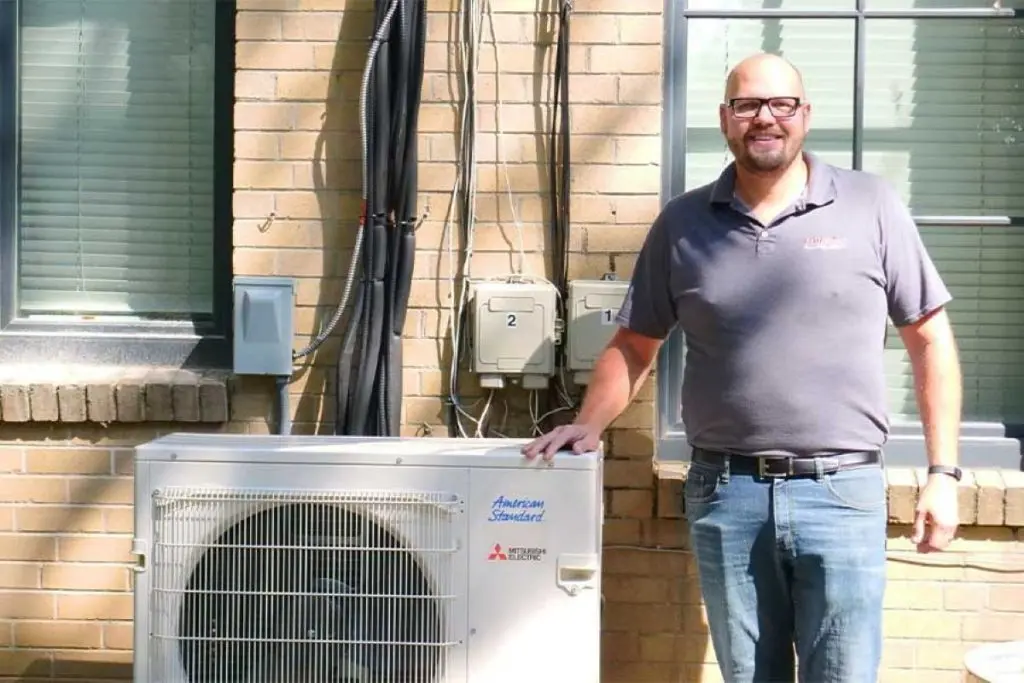
The right system for your home depends on factors specific to your situation, your existing equipment, and your long-term comfort and energy efficiency goals. Eastergard HVAC has been helping Upstate South Carolina homeowners navigate exactly this kind of decision since 1989. As an American Standard Platinum Dealer and Mitsubishi Ductless Pro, we install and service both heat pump systems and traditional split systems and will always recommend what actually fits your home rather than what generates the biggest sale.
Contact Eastergard HVAC today to schedule your free replacement upgrade quote. Call or text us at 864-235-2935 or send us an email, and we will walk you through your options with straight answers and honest pricing.
Recent Articles POSTS