8 Things You Should Know About Ductless AC Installation
If you’ve been exploring alternatives to central air, ductless AC installation is worth a serious look. Ductless mini split systems offer a flexible, efficient way to cool and heat your home without the cost and complexity of running new ductwork, and they’re a strong fit for everything from older homes to room additions to light commercial spaces. Before you commit, here’s what every homeowner should understand going in:
- How ductless systems work and what makes them different
- The types of homes and spaces they work best in
- What the installation process actually involves
- What to expect in terms of cost, efficiency, and maintenance
What Makes Ductless Systems Different
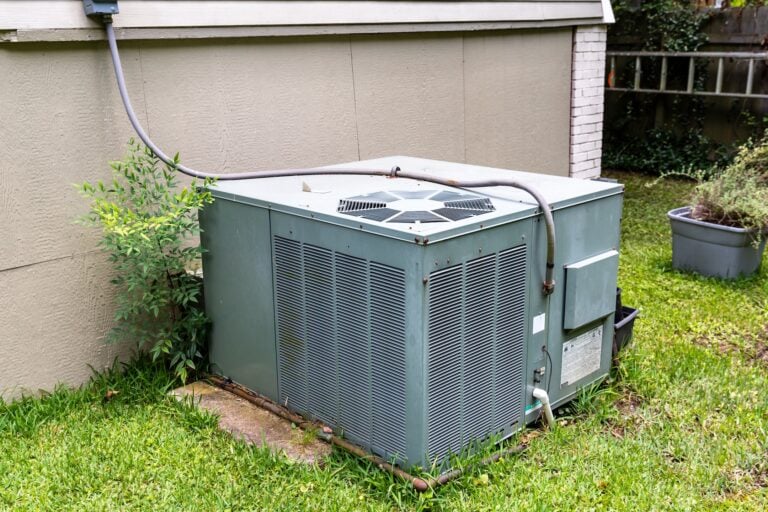
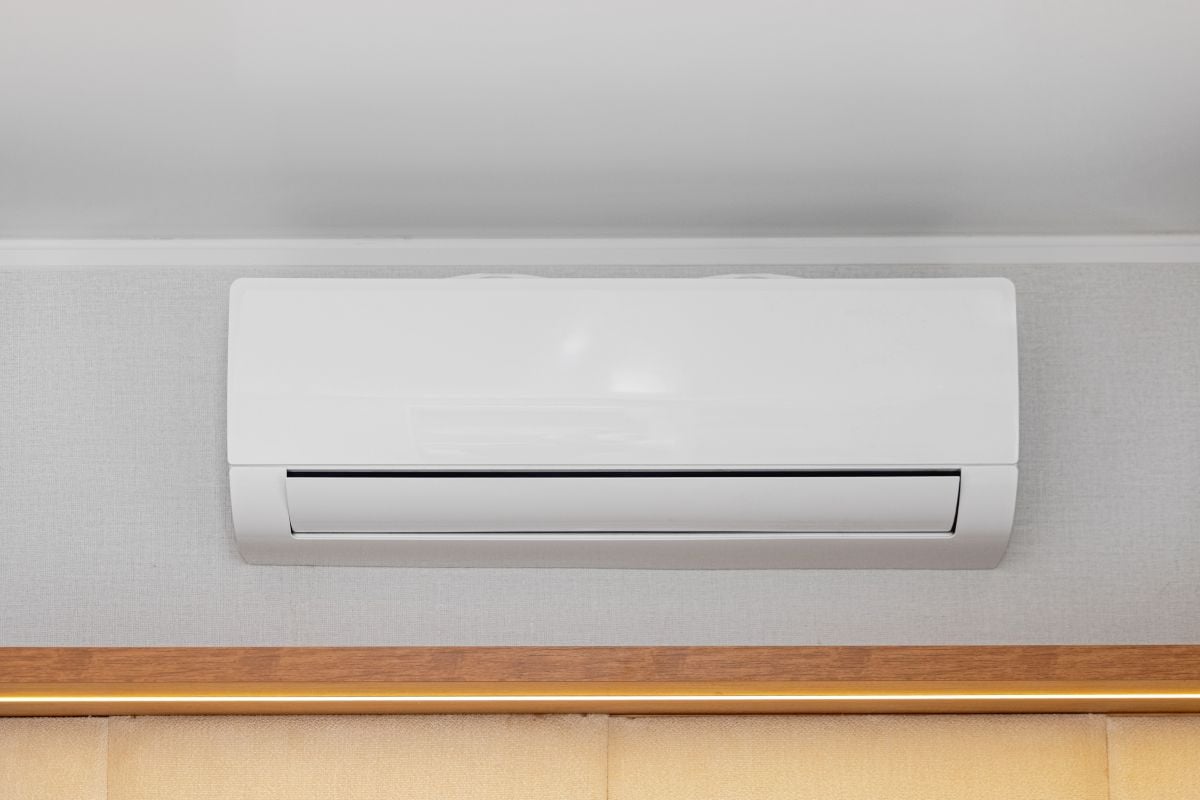
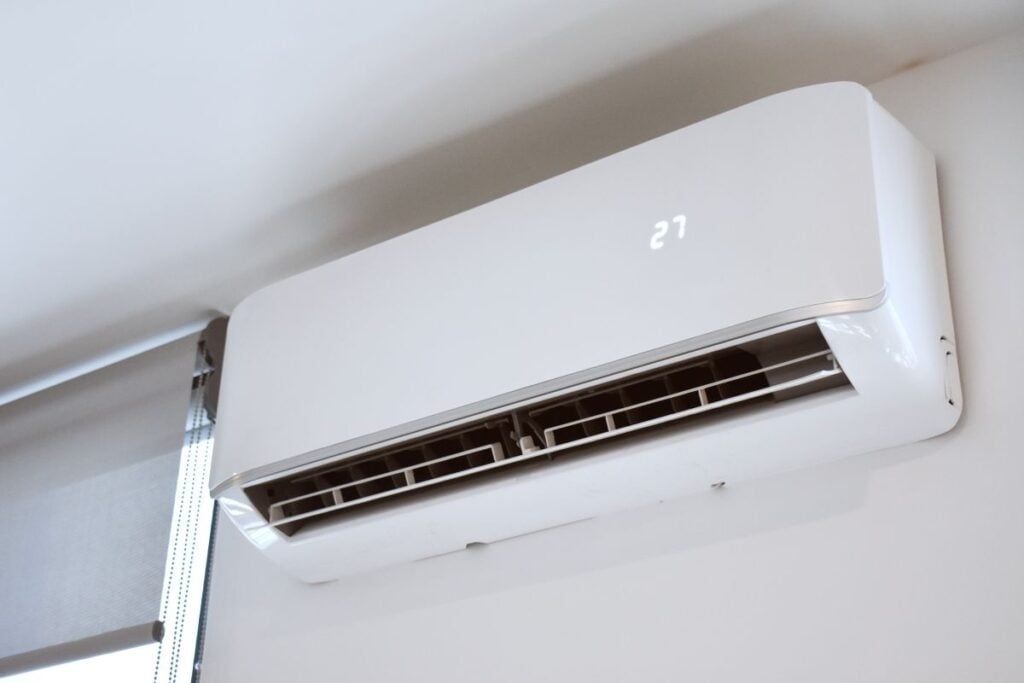
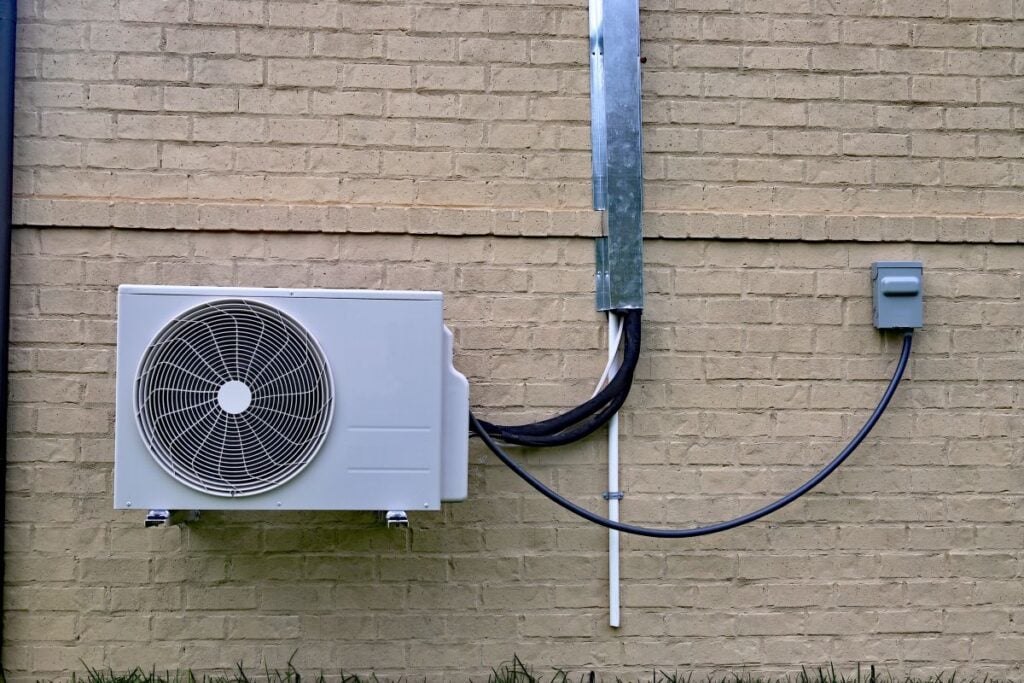
A ductless mini split installation consists of two main components: an outdoor compressor unit and one or more indoor air handlers mounted on the wall or ceiling. The two are connected by a conduit running through a small hole in an exterior wall, carrying refrigerant lines, a power cable, and a condensate drain. There’s no need for a network of ducts, which is one of the biggest advantages these systems offer over traditional central air.
Each indoor air handler operates independently, allowing you to set different temperatures in different rooms or zones. This kind of targeted control is something central hvac systems can’t replicate without expensive zoning equipment, and it’s one of the reasons ductless installations have grown in popularity for both residential and light commercial use.
8 Things You Should Know About Ductless AC Installation
Whether you’re upgrading an older home or adding comfort to a new space, these eight points cover what you need to know before moving forward.
1. They Work With or Without Existing Ductwork
One of the most common misconceptions about ductless mini split systems is that they’re only for homes without ducts. In reality, they’re a smart choice for any situation where extending existing ductwork would be impractical or too costly, including sunrooms, detached garages, finished basements, and room additions.
- Older homes: Properties built before ductwork was standard are ideal candidates for ductless mini split installation.
- Additions and bonus rooms: A ductless unit is the most cost-effective way to condition one room not connected to the main cooling system.
- Comfort gaps: If certain rooms run hot or cold regardless of thermostat settings, a ductless unit can fill that gap without overhauling the existing system.
2. Installation Is Less Invasive Than You Might Expect
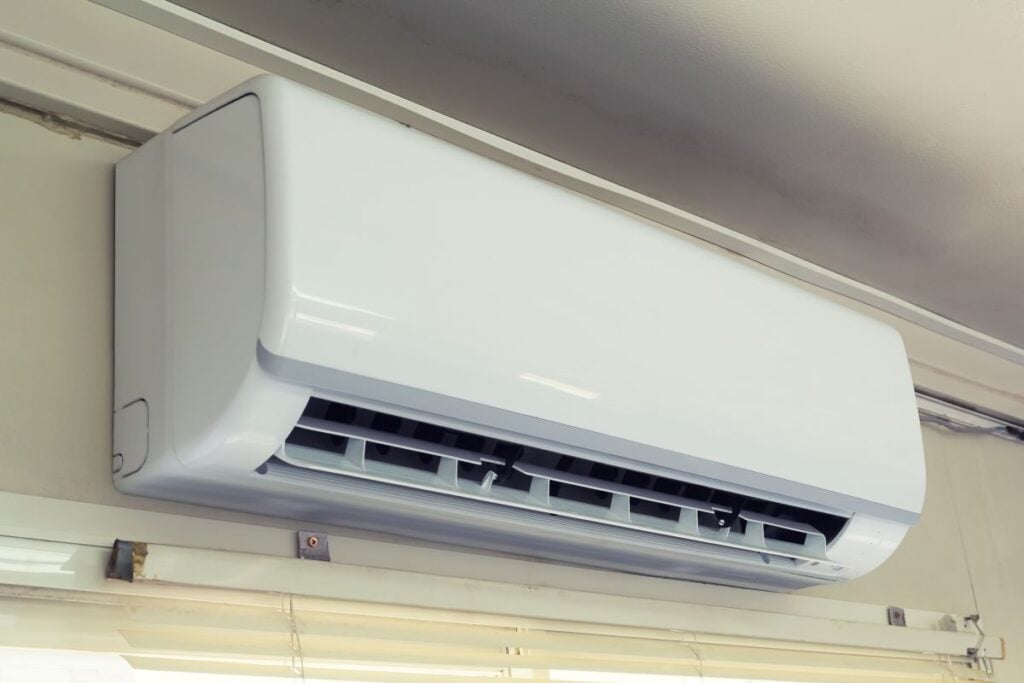
Unlike central HVAC installation, ductless installation is relatively straightforward. A qualified technician mounts the indoor unit, drills a small hole for the conduit, and connects the outdoor compressor. Most installations are completed in a day without major disruption to the home.
- Minimal construction: No ductwork means no tearing into walls, ceilings, or floors.
- Indoor unit placement: Indoor air handlers can be wall-mounted, ceiling-recessed, or floor-standing depending on the layout of the space.
- Outdoor unit flexibility: The compressor can be placed on a pad, mounted to a wall, or elevated off the ground depending on the property.
3. They’re Significantly More Energy Efficient
According to the U.S. Department of Energy, duct losses can account for more than 30% of energy consumption for space conditioning, especially when ducts run through unconditioned spaces like attics. Ductless systems eliminate that loss entirely by delivering conditioned air directly into the room. In Greer, SC, where summers push systems hard for months at a time, that efficiency difference shows up noticeably on utility bills.
- No duct losses: Conditioned air goes directly into the living space without traveling through leaky or uninsulated ductwork.
- Inverter-driven compressors: Most modern ductless mini splits adjust their output continuously rather than cycling fully on and off, using only the energy needed to maintain the set temperature.
- High SEER ratings: Ductless systems commonly achieve SEER ratings of 20 or higher, well above the range of most central cooling systems.
4. One Outdoor Unit Can Support Multiple Zones
A single outdoor compressor can connect to multiple indoor air handlers throughout the home, each controlled independently. This multi-zone capability makes ductless systems practical for whole-home comfort without the installation cost of separate systems in each space.
- Individual control: Each zone has its own thermostat, so occupants can set the temperature they prefer without affecting other rooms.
- Scalable setup: You can start with one room and add more indoor units over time as your needs or budget allow.
- Light commercial use: Multi-zone ductless systems are a popular choice for small offices, churches, and retail spaces where different areas need different temperature control.
5. Professional Sizing and Installation Matter
An undersized unit won’t keep up on the hottest days, and an oversized one will short-cycle, reducing efficiency and comfort. Proper load calculations based on square footage, ceiling height, window exposure, and insulation are essential before selecting a system.
- Manual J load calculation: A qualified technician uses this industry-standard method to determine the right BTU capacity for each zone.
- Refrigerant line length: The distance between the indoor and outdoor units affects system performance and must be factored into the design.
- Electrical requirements: Ductless systems require dedicated circuits, and an electrical assessment should be part of the installation planning process.
6. They Provide Both Heating and Cooling
Most ductless mini split systems are heat pumps, meaning they can reverse the refrigeration cycle to provide heating as well as cooling. This makes them a year-round comfort solution that can supplement or replace a home’s existing heating system in mild climates.
- Heating efficiency: Heat pumps move heat rather than generate it, making them far more efficient than electric resistance heating.
- Cold-climate capability: Modern variable-speed ductless mini splits can maintain effective heating output at outdoor temperatures well below freezing.
- Backup heat pairing: In areas with occasional extreme cold, ductless systems are often paired with a secondary heat source for full-season coverage.
7. Routine Maintenance Is Simple but Necessary
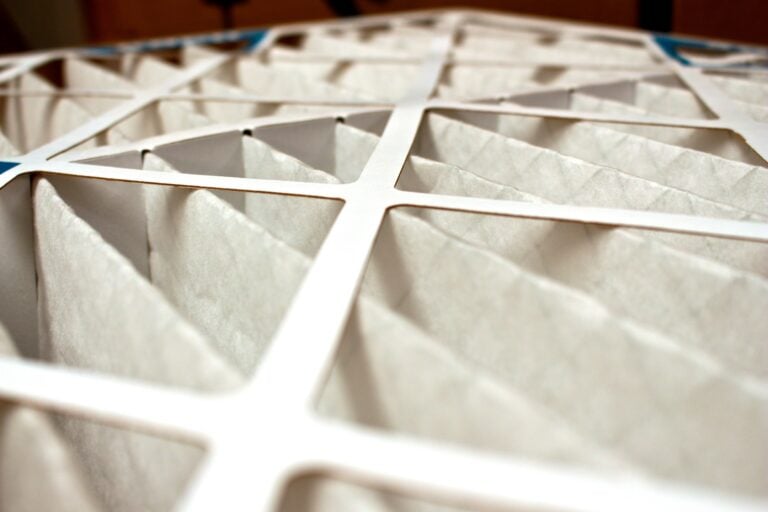
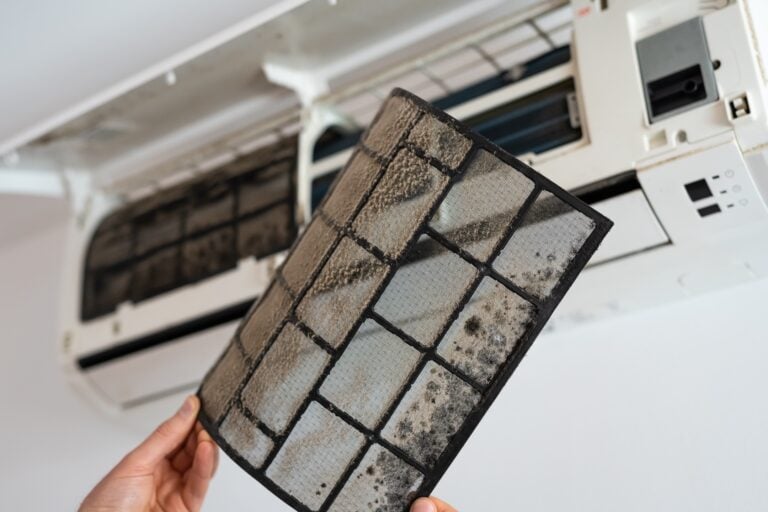
Ductless systems are relatively low-maintenance compared to central HVAC, but routine maintenance is still required to perform at their best. The most important task is keeping the indoor unit’s filters clean, which should be done every few weeks during heavy use.
- Filter cleaning: Indoor unit filters should be rinsed or vacuumed every two to four weeks during peak season to maintain airflow and indoor air quality.
- Annual professional service: A technician should inspect refrigerant levels, clean the coils, check electrical connections, and verify system operation once a year.
- Outdoor unit clearance: Keep the area around the outdoor compressor clear of debris, vegetation, and obstructions to ensure adequate airflow.
8. Brand and Installer Quality Both Matter
Not all ductless systems are built to the same standard, and the quality of the installation is just as important as the quality of the equipment. Choosing a reputable brand and a certified installer protects your investment and ensures the system performs as rated.
- Manufacturer certification: Look for contractors certified by the brand they install. Mitsubishi has a Ductless Pro certification program that designates trained and vetted installers.
- Warranty protection: Many manufacturers require professional installation by a certified contractor to honor the equipment warranty.
- Parts and labor coverage: Confirm what your installer offers in terms of post-installation warranty on both parts and labor before signing off on the job.
Let Eastergard HVAC Handle Your Ductless Installation
At Eastergard HVAC, we’re a Mitsubishi Ductless Pro certified installer, which means our team has the training and experience to size, install, and service ductless systems the right way. As a family-owned company serving the Upstate region since 1989, we take pride in recommending solutions that genuinely fit our customers’ homes and budgets.
We’re proud to serve home and business owners in Greer, SC, and nearby communities with ductless AC installation and more. If you’re ready to explore whether a ductless system is the right fit for your home, reach out to Eastergard today for a free upgrade quote.
Recent Articles POSTS