HVAC System Types: 5 Options Explained for Homeowners
HVAC system types vary more than most homeowners realize, and choosing the right one is one of the bigger decisions you will make for your home. With so many options on the market, it can be hard to know where to begin — and finding a reliable HVAC service team you can trust to guide you through it makes a real difference. This guide breaks it all down in plain language so you can go into the conversation with a contractor feeling informed. Here is what we will cover:
- The five main types of HVAC systems and how each one works
- Which system types are best suited for different home layouts
- How to compare efficiency ratings across system types
- What to consider about air ducts when choosing a system
- How climate factors into the decision for Upstate South Carolina homeowners
Why the Right System Type Matters
Choosing the right HVAC system type is one of the most impactful decisions you will make as a homeowner. Installing the wrong type or the wrong size can mean higher energy bills, inconsistent comfort, and a shorter equipment lifespan. According to the U.S. Department of Energy, heating and cooling typically account for about 43 percent of a home’s utility bill — making it the single largest energy expense in most households. The system you choose has a direct and lasting impact on what you spend every month.
The good news is that with the right guidance, the decision does not have to be overwhelming. Understanding the basics of each system type is the first step toward finding the right HVAC system for your home.
5 HVAC System Types Explained
Every system on this list has a legitimate use case. The right one for your home depends on your existing setup, your budget, your energy efficiency goals, and the climate where you live.
1. Central Split Systems
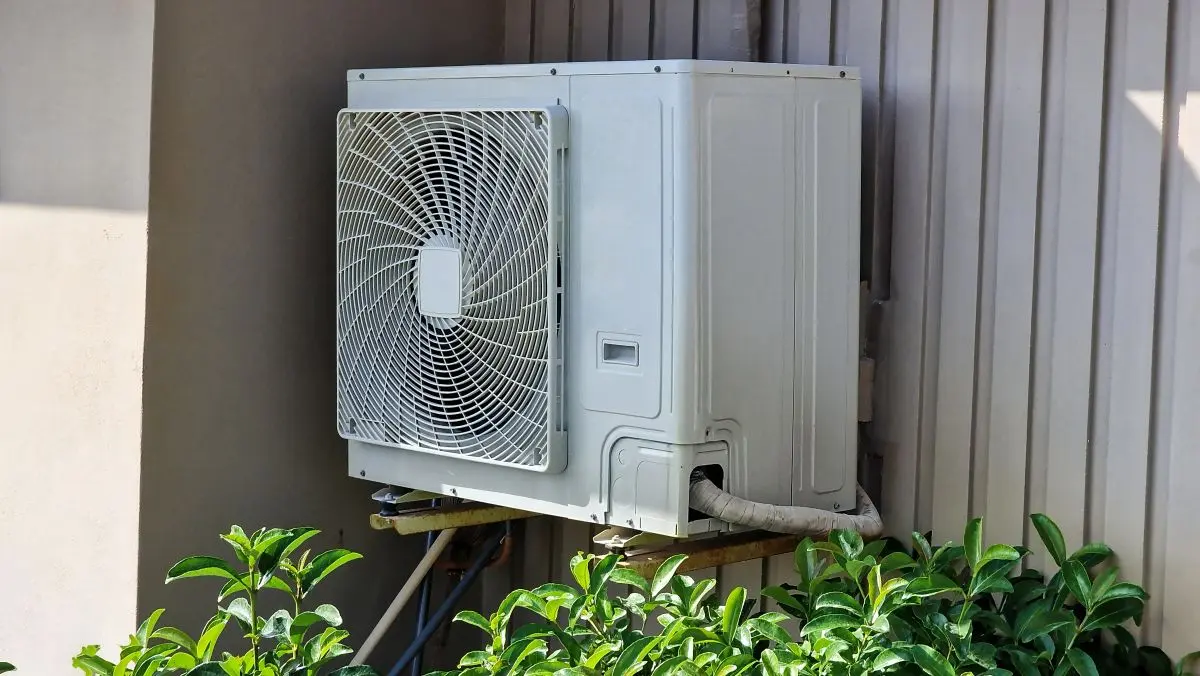
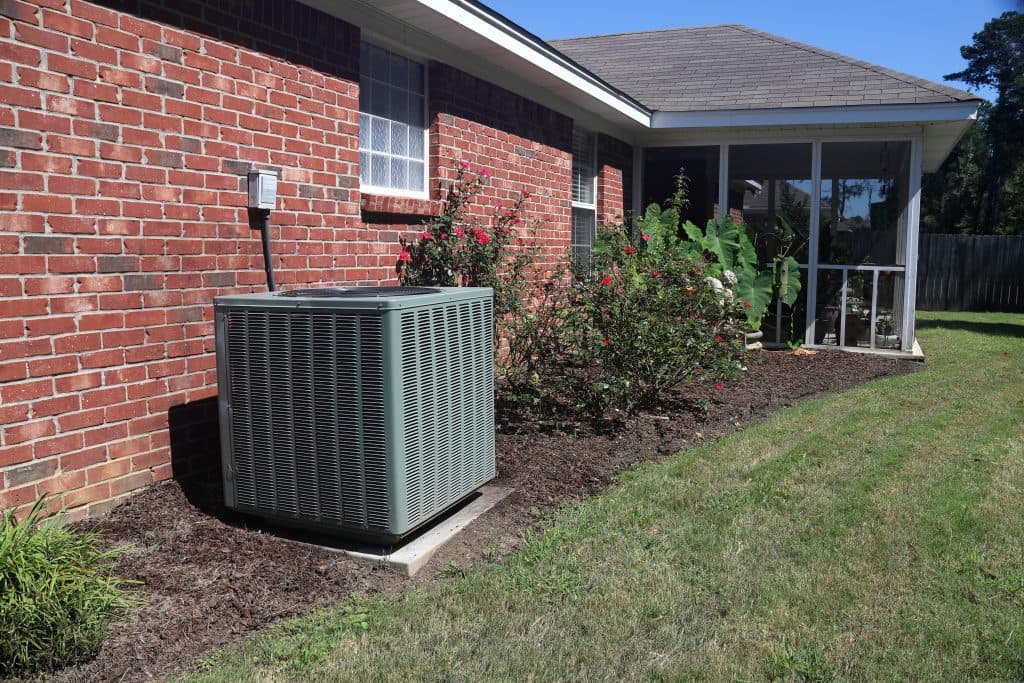
The central split system is the most common HVAC setup in American homes. It consists of two main components: an outdoor unit that handles the cooling process and an indoor unit — typically a furnace — that distributes conditioned air through a network of air ducts. The two units work together to deliver warm air in winter and cold air in summer, maintaining precise temperature control throughout the home.
Central split systems are a strong choice for homes that already have air ducts in good condition. They provide whole-home coverage, are widely available in a range of efficiency levels, and are familiar to virtually every HVAC technician. For most traditionally built single-family homes, this is the baseline option worth evaluating first.
- Best for: Homes with existing ductwork in good condition
- Heating source: Gas furnace paired with an air conditioner or heat pump
- Key consideration: Duct condition and insulation significantly affect energy efficiency
2. Heat Pumps
Heat pumps have grown significantly in popularity in recent years, and for good reason. Rather than generating heat through combustion, a heat pump transfers heat — pulling warm air from outdoor air into your home during winter and reversing the process to push warm air out in summer. This makes them one of the most energy-efficient options available, particularly in mild to moderate climates.
South Carolina’s climate is well-suited for heat pumps. Winters in the Upstate are relatively mild compared to northern states, which means a heat pump can handle the bulk of your heating load without a backup source for most of the season. Modern heat pump technology has also improved significantly at lower temperatures, extending their effective range.
- Best for: Moderate climates with mild to cool winters
- Heating and cooling: Single system handles both functions
- Key consideration: May need a supplemental heat source during extended cold snaps
3. Ductless Mini Split Systems
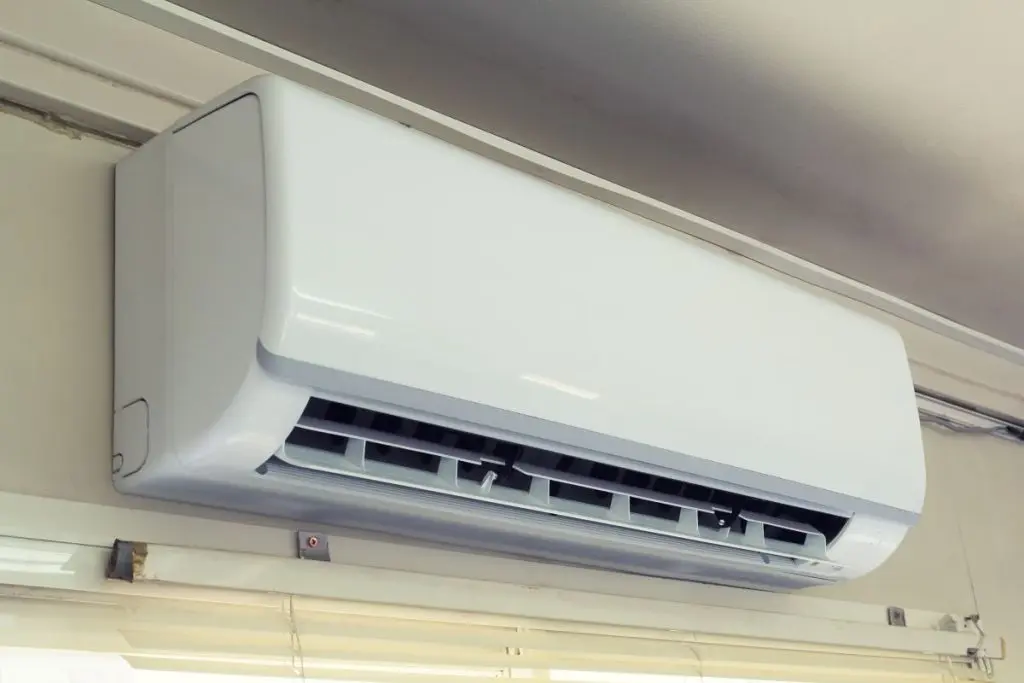
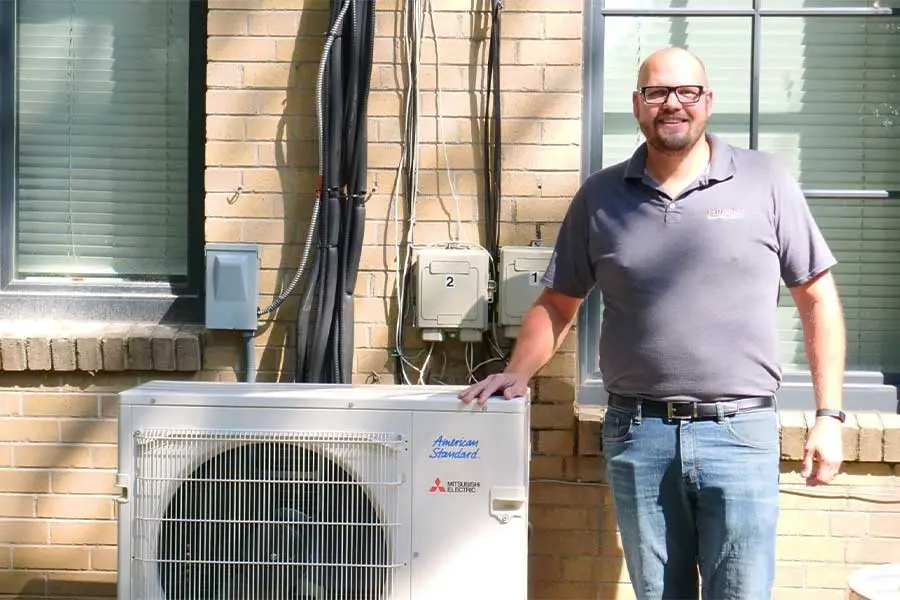
Ductless mini split systems work similarly to heat pumps but without the need for air ducts. An outdoor compressor connects to one or more indoor units mounted on the wall or ceiling, delivering conditioned air directly to individual zones. Each indoor unit can be controlled independently, which gives homeowners precise temperature control in different areas of the home.
Ductless mini split systems are an excellent solution for homes without existing ductwork, additions or sunrooms that were never tied into the main system, or spaces that are consistently harder to heat and cool than the rest of the house. As a Mitsubishi Ductless Pro, Eastergard installs and services these systems across the Greenville area.
- Best for: Homes without ductwork, room additions, or zoning needs
- Heating and cooling: Single system handles both functions
- Key consideration: Higher upfront cost per zone but no duct energy losses
4. Packaged Systems
A packaged system combines all of the heating and cooling components into a single outdoor unit. Rather than having separate indoor and outdoor units connected by refrigerant lines, everything is housed together and connected to the home’s air ducts through the exterior wall or roofline. These systems are common in homes without basements or large mechanical rooms where a central air handling unit or furnace or air handler would normally sit.
Packaged systems are available in several configurations including heat pump, gas-electric, and dual-fuel setups. They take up less indoor space than a split system and can be easier to service since all components are in one location. They are less common than split systems but are a practical option for certain home layouts.
- Best for: Homes without interior space for an air handler or furnace
- Heating options: Electric heat pump, gas furnace, or dual-fuel configurations
- Key consideration: Typically installed at ground-level pad adjacent to the home
5. Dual Fuel Systems
A dual fuel system pairs a heat pump with a gas furnace to give homeowners the best of both technologies. The heat pump handles the majority of the heating load efficiently during mild weather, and the gas furnace automatically takes over when temperatures drop to the point where a heat pump alone becomes less efficient. The result is a system that delivers precise temperature control and maximizes energy efficiency across a wider range of conditions.
For Upstate South Carolina homeowners who want year-round efficiency without worrying about performance during the occasional cold snap, a dual fuel setup is worth discussing with your HVAC contractor. It combines the low operating costs of a heat pump with the reliability of a gas furnace during the coldest days of the year.
- Best for: Homeowners who want efficiency and reliability in variable climates
- Heating source: Heat pump as primary, gas furnace as backup
- Key consideration: Requires both a gas line and compatible equipment
How to Compare Efficiency Across System Types
Shopping for a new HVAC system means encountering a set of efficiency ratings that can be confusing at first. Here is a quick breakdown of the most common ones:
| Rating | What It Measures | Applies To |
| SEER2 | Cooling efficiency over a season | Air conditioners and heat pumps |
| HSPF2 | Heating efficiency for heat pumps | Heat pumps only |
| AFUE | Heating efficiency for furnaces | Gas and oil furnaces |
Higher numbers are always better for energy efficiency. The federal minimum standards for new equipment were updated in 2023, so any system purchased today should already meet baseline requirements. If improved energy efficiency is a priority, ask your contractor about options that exceed the minimums — the difference in operating costs over time can be meaningful.
A Note on Ductwork and Advanced System Options
Ductwork also plays a bigger role than many homeowners realize. Leaky or poorly insulated air ducts can undermine even a well-sized, high-efficiency system. If you are replacing equipment in an older home, it is worth having your ducts inspected at the same time to make sure the investment in new equipment is not being lost through the walls.
Advanced system options like variable speed systems and zoning systems can further enhance your system’s efficiency, energy savings, and the overall comfort of your home. Upgrading to a variable speed system allows your equipment to run at a lower percentage or speed to keep your home comfortable and consume less energy at the same time. Additionally, variable speed systems regulate humidity levels in the home better because the lower fan speeds allow for greater humidity control. Zoning systems can add greater control of specific spaces where temperatures need to vary from the main system. For instance, a bonus room over a garage can be set to a higher or lower temperature based on use of the room to allow for greater control of areas of lower use.
Frequently Asked Questions About HVAC System Types
Every homeowner’s situation is a little different, and the right system for one home may not be the right fit for another. These are some of the most common questions that come up when homeowners start researching their options.
How do I know which system type is right for my home?
The best starting point is a conversation with a licensed HVAC contractor who can evaluate your home’s existing setup, duct condition, square footage, and heating and cooling loads. There is no universal answer — the right HVAC system depends on your specific situation.
Can I switch from one system type to another?
In most cases, yes. The complexity and cost of switching depends on what you are switching from and to. Moving from a ducted system to ductless mini split systems, for example, involves different considerations than upgrading from one split system to another.
How long do HVAC systems typically last?
Most well-maintained systems last between 15 and 20 years, though this varies by system type and how consistently the equipment has been serviced. Regular maintenance is one of the most reliable ways to get the most out of your investment.
Does the type of system affect indoor air quality?
Yes. Ducted systems rely on filtration at the air handler, and the quality of that filtration matters. Ductless mini split systems bypass duct-related dust and debris entirely since there are no air ducts distributing air through the home. Either way, how the system is maintained plays a significant role in the air your family breathes.
What to Look for When Choosing an HVAC Contractor
Once you have a sense of the system types available, finding the right contractor to guide the final decision is just as important. A qualified HVAC contractor should be licensed and insured, willing to do a proper load calculation before recommending a system size, and able to explain your options in plain language without pressure. Be cautious of any contractor who recommends a system without first assessing your home or who pushes toward the most expensive option without explaining why it fits your situation.
Certifications from manufacturers are also worth noting. Dealers who hold status with brands like American Standard or Mitsubishi have typically met training requirements set by those manufacturers, which means they have hands-on knowledge of the equipment they are selling and installing. That kind of credential is a reasonable indicator of competence and accountability.
Eastergard HVAC: Helping Greenville Homeowners Choose the Right System
Understanding your options is the first step — getting the right system installed correctly is the next one. At Eastergard HVAC, we have been helping homeowners across Greenville, Simpsonville, Greer, Taylors, and the surrounding Upstate make informed decisions since 1989. As an American Standard Platinum Dealer and Mitsubishi Ductless Pro, we install and service a range of system types and can help you figure out what makes the most sense for your home and budget. We are proud to serve home and business owners in Greenville, SC, and nearby communities with HVAC installation, maintenance, and more. Reach out to our team to start the conversation.
Recent Articles POSTS