Wall Furnace Installation: Pros, Cons, and Cost Factors Explained
If you are exploring heating options for a room addition, a garage workspace, or a home without existing ductwork, a wall furnace installation might be exactly what you are looking for. Wall furnaces offer a compact, self-contained heating solution that can work well in the right situations, but they are not the right fit for every home or every homeowner. Understanding the full picture, including the benefits, the drawbacks, and what actually drives the cost, will help you make a smart decision before any work gets started.
Here is what this guide covers:
- What a wall furnace is: How it works and where it makes the most sense.
- The pros of wall furnace installation: Space savings, cost advantages, and flexibility.
- The cons to consider: Limitations in coverage, efficiency, and long-term value.
- Key cost factors: What drives the price up or down on any installation project.
- How to choose the right heating solution: What Eastergard HVAC recommends for Upstate South Carolina homes.
What Is a Wall Furnace and How Does It Work?
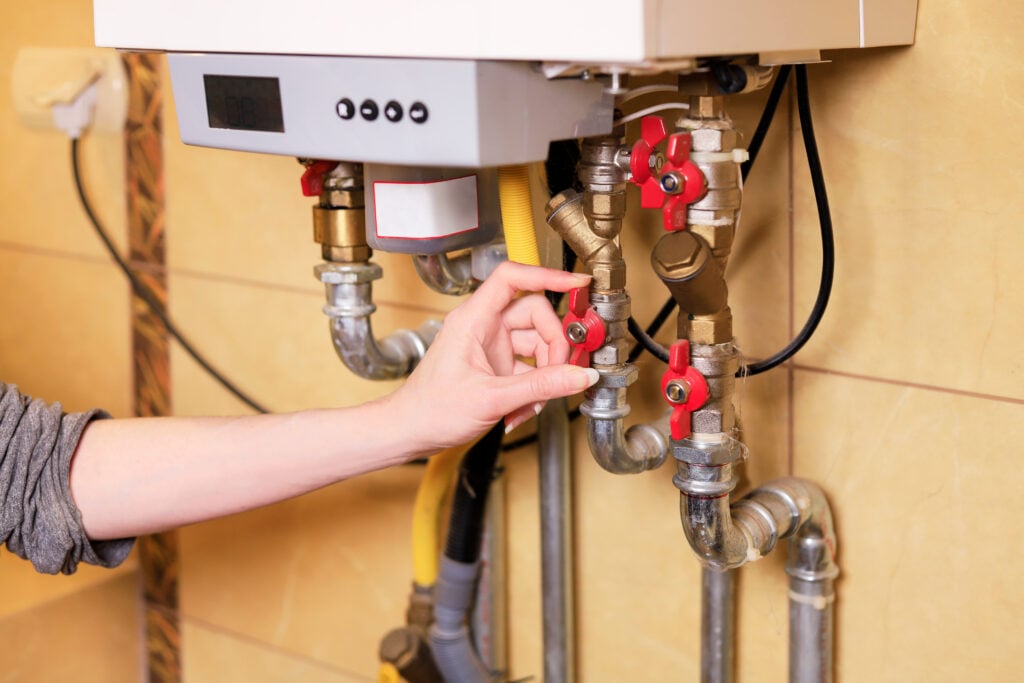
A wall furnace is a self-contained heating unit that mounts directly into or onto an interior or exterior wall. Unlike a central heating system, it does not rely on ductwork to distribute warm air. Instead, it heats the immediate space around it, making it a popular choice for supplemental heating, room additions, workshops, sunrooms, and smaller homes or cabins. You may also hear this type of unit referred to as a wall heater, and while there are some technical distinctions between models, the terms are often used interchangeably in the field.
Wall furnaces can be powered by natural gas, propane, or electricity. Gas heaters of this type vent combustion exhaust through a vent pipe that runs through the wall to the outside, rather than through a traditional flue or chimney. This makes installation simpler in many cases compared to a full central heating system, though the project still requires a licensed HVAC professional to complete it safely and to code.
The Pros of Wall Furnace Installation
Wall furnaces have earned a loyal following for good reasons. For the right application, they offer real advantages over larger, more complex heating systems. Homeowners in Greer, SC, and across the Upstate region often turn to a wall heater when they need targeted heat output in a space that their existing system does not reach efficiently.
- Space efficiency: Wall furnaces take up zero floor space, which is a meaningful advantage in smaller rooms, mudrooms, or finished garages.
- Lower upfront cost: Compared to a full central heating system installation, wall furnaces typically carry a lower equipment and installation price, especially for single-room applications.
- Zoned heating flexibility: Because wall furnaces operate independently, they allow you to heat only the spaces you are actively using, which can reduce energy use in the rest of the home.
- Easier installation in homes without ducts: For older homes or additions where running new ductwork would be expensive and disruptive, a wall heater offers a practical path to reliable heat.
- Quick heat delivery: Wall furnaces deliver heat output directly into the room without traveling through duct runs, so spaces warm up relatively quickly.
The Cons Worth Knowing Before You Commit
Wall furnaces are not a one-size-fits-all solution, and there are some real limitations to weigh before moving forward with an installation project.
There are some key disadvantages to understand before deciding if a wall furnace is the right fit for your home.
- Limited coverage area: A single wall heater is designed to serve one room or zone. Using multiple units to heat an entire home can quickly become inefficient and costly compared to a properly sized central system.
- Lower AFUE efficiency ratings: Many wall furnace models operate at efficiency levels below what modern central heating systems achieve. The U.S. Department of Energy notes that residential gas furnaces will be required to achieve at least 95% AFUE starting in late 2028, a standard that many older or entry-level wall furnace models fall short of today.
- Gas leak risk if improperly installed: Gas heaters that are not correctly connected and tested present a real risk of gas leaks, which is one of the primary reasons why licensed installation is non-negotiable for any gas-powered wall furnace.
- Vent pipe deterioration over time: A damaged or improperly installed vent pipe can allow combustion byproducts to enter the living space, creating both safety hazards and potential code violations.
- Electrical issues in older homes: Electric wall heaters require a dedicated circuit, and homes with aging wiring or limited panel capacity may face electrical issues that add cost and complexity to the installation.
- Not ideal for whole-home heating: If your goal is to heat an entire house, a central system or a ductless mini-split will almost always be a more efficient and comfortable long-term solution.
What Does Wall Furnace Installation Cost?
Installation costs vary widely depending on the fuel type, the complexity of the venting required, and local labor rates. A basic electric wall heater installation in a straightforward situation can run as low as $400 to $1,200. Gas heaters with new gas line runs or more complex vent pipe routing typically land higher, often in the $1,500 to $3,500 range when all materials and labor are included.
It is worth noting that labor alone is a significant portion of any HVAC installation project. HVAC professionals charge between $75 and $250 per hour depending on local market rates, the complexity of the job, and the scope of any additional work required such as gas line extensions or electrical upgrades.
| Factor | Lower Cost Scenario | Higher Cost Scenario |
| Unit type | Electric wall heater | Gas or propane wall furnace |
| Venting | Simple through-wall vent pipe | New vent run or complex routing |
| Gas line | Existing line nearby | New line extension required |
| Electrical | Existing circuit available | New dedicated circuit needed |
| Labor complexity | Straightforward access | Tight wall cavity or retrofitting |
Key Cost Factors for Wall Furnace Installation
Several variables determine where your project lands on the cost spectrum. A good HVAC contractor will walk you through each of these before providing a final quote.
Fuel Type and Unit Selection
The type of fuel your wall furnace uses is one of the biggest drivers of both equipment cost and installation complexity. Electric units are typically the least expensive to purchase and install, but they can carry higher operating costs over time depending on local electricity rates. Gas heaters cost more upfront and require proper vent pipe routing and gas line access, but they tend to be less expensive to run in regions where natural gas is readily available. Propane is a common alternative in rural parts of Upstate South Carolina where natural gas service is not available.
- Electric wall heaters: Lower purchase and installation cost, no vent pipe required, higher monthly operating cost in most markets.
- Natural gas wall furnaces: Moderate to higher installation cost, requires gas line access and exterior vent pipe, generally lower operating cost with strong heat output.
- Propane wall furnaces: Similar to gas in installation requirements, a practical option in areas without natural gas infrastructure.
Venting Requirements
Proper venting is essential for any gas or propane wall furnace, both for safety and code compliance. A direct-vent unit uses a sealed vent pipe that pulls combustion air from outside and exhausts through the same assembly, which is the safest and most efficient configuration. Units that draw indoor air for combustion require careful placement and additional safety measures to reduce the risk of gas leaks and carbon monoxide buildup. The complexity of the vent pipe run, including how far it travels through the wall and whether any obstructions need to be worked around, directly affects labor time and total cost.
- Direct-vent systems: The preferred option for safety and heat output efficiency, with a sealed vent pipe that keeps exhaust gases completely outside.
- Through-wall venting: Straightforward in single-story or exterior wall locations, more complex when interior walls or obstacles are involved.
- Permit requirements: All gas appliance installations require permits and inspection in South Carolina, which is always factored into a compliant contractor’s quote.

Gas Line and Electrical Work
If your home does not already have a gas line in the right location, extending one to where the wall furnace will be installed adds both material and labor costs to the project. Improperly run or aging gas lines are also one of the leading causes of gas leaks in residential heating systems, which is why this work should always be performed by a licensed professional. On the electric side, wall heaters require a dedicated circuit, and electrical issues stemming from inadequate panel capacity or outdated wiring are common in older homes across the Upstate.
- Gas line extension: Adds to project cost but is often necessary when installing gas heaters in a new location, and must be pressure-tested to rule out gas leaks before the unit is commissioned.
- Electrical upgrades: May be required for higher-wattage electric wall heaters, particularly in older homes with electrical issues related to limited panel capacity.
- Combined trades: Jobs that require both an HVAC technician and an electrician are more common than homeowners expect and should be quoted upfront.
Common FAQs About Wall Furnace Installation
Wall furnace projects come with plenty of questions, especially for homeowners who have not dealt with one before. Here are the ones we hear most often.
Can a wall furnace heat an entire home?
Not effectively in most cases. Wall heaters are designed to deliver heat output to a single room or zone efficiently. Using multiple units throughout a home can work in smaller or very open floor plans, but for whole-home comfort, a central heating system or a ductless mini-split will almost always deliver better performance and lower operating costs over time.
How do I know if my wall furnace has a gas leak?
The most common signs of a gas leak include a sulfur or rotten egg smell near the unit, hissing sounds coming from the gas line or connections, or a pilot light that repeatedly goes out. If you suspect gas leaks of any kind, leave the home immediately, avoid operating any switches or open flames, and contact your gas provider and a licensed HVAC professional. Never attempt to diagnose or repair gas leaks yourself.
Do wall furnaces require a lot of maintenance?
Gas heaters and propane wall furnaces should be serviced annually by a licensed HVAC technician to check the burner, vent pipe condition, and safety controls. Electric units have fewer moving parts and generally require less routine service, though keeping the unit clean and checking the thermostat regularly is still important for consistent heat output and longevity.
Is a permit required for wall furnace installation in South Carolina?
Yes. Any gas appliance installation, including wall heaters, requires a permit and inspection in South Carolina. A reputable HVAC contractor will handle the permitting process as part of the job. DIY installation of gas heaters is not permitted and creates serious safety and liability risks, including the potential for gas leaks and improperly installed vent pipe connections.
What is the lifespan of a wall furnace?
A well-maintained wall furnace typically lasts 15 to 20 years depending on the fuel type, quality of the unit, and how consistently it receives professional service. Keeping the vent pipe clear and scheduling annual inspections are the two most important steps in protecting both the unit’s lifespan and your home’s safety.
Eastergard HVAC: Your Heating Experts in the Upstate

Whether a wall furnace is the right call for your situation or a different heating solution makes more sense, Eastergard HVAC has been helping Upstate South Carolina homeowners navigate exactly these kinds of decisions since 1989. We are proud to serve home and business owners in Greer, SC, and nearby communities with heating installations, system replacements, and more.
As an American Standard Platinum Dealer and Mitsubishi Ductless Pro, we install and service a full range of heating equipment, from gas heaters and wall furnaces to central systems and ductless mini-splits. We will always tell you honestly which solution fits your home and budget rather than defaulting to the most expensive option. Our team handles permitting, vent pipe work, gas line connections, and everything in between, so you get a complete, code-compliant installation from a team you can trust.
Contact Eastergard HVAC today to schedule your free replacement upgrade quote. Call or text us at 864-235-2935 or send us an email, and we will come out, assess your space, and give you a clear, straightforward recommendation. Online booking is also on the way in 2026.
Recent Articles POSTS