Furnace PVC Vent Pipe Installation Explained: Codes & Safety
Furnace PVC vent pipe installation is a critical part of high-efficiency heating systems, yet many homeowners do not realize how important proper venting is to safety and performance. These vent pipes remove combustion gases from your home and ensure your furnace operates efficiently and safely. After venting installation, carbon monoxide alarms should be installed near sleeping areas for added safety.
If you are replacing or upgrading your furnace, keep these essentials in mind:
- Correct pipe material: High-efficiency furnaces require PVC or CPVC venting.
- Proper slope and termination: Ensures safe exhaust flow.
- Code compliance: Must meet local code and national standards, and always follow the furnace installation manual for specific requirements.
- Professional installation: Protects against leaks and backdrafting by following installation instructions and sealing all joints with cement.
Understanding how furnace venting works helps you make informed decisions and avoid costly safety issues.
Why PVC Vent Pipes Are Used in Modern Furnaces
High-efficiency furnaces extract more heat from combustion gases using a heat exchanger, resulting in cooler exhaust and water vapor as a byproduct. Because the exhaust temperature is cool, plastic piping such as PVC can be used instead of traditional metal flue pipes. These systems are commonly known as condensing furnaces and typically operate at 90 percent efficiency or higher.
According to the U.S. Department of Energy, high-efficiency gas furnaces can reach annual fuel utilization efficiency ratings of 90 percent to 98 percent. These systems rely on sealed combustion and dedicated vent piping to operate safely, often using outdoor air for combustion to improve efficiency and safety. Proper installation of the PVC vent pipe is essential to maintain efficiency and prevent harmful gases from entering the home. Schedule 40 PVC and CPVC are the most common materials used for these venting systems.
How Furnace PVC Vent Pipe Installation Works
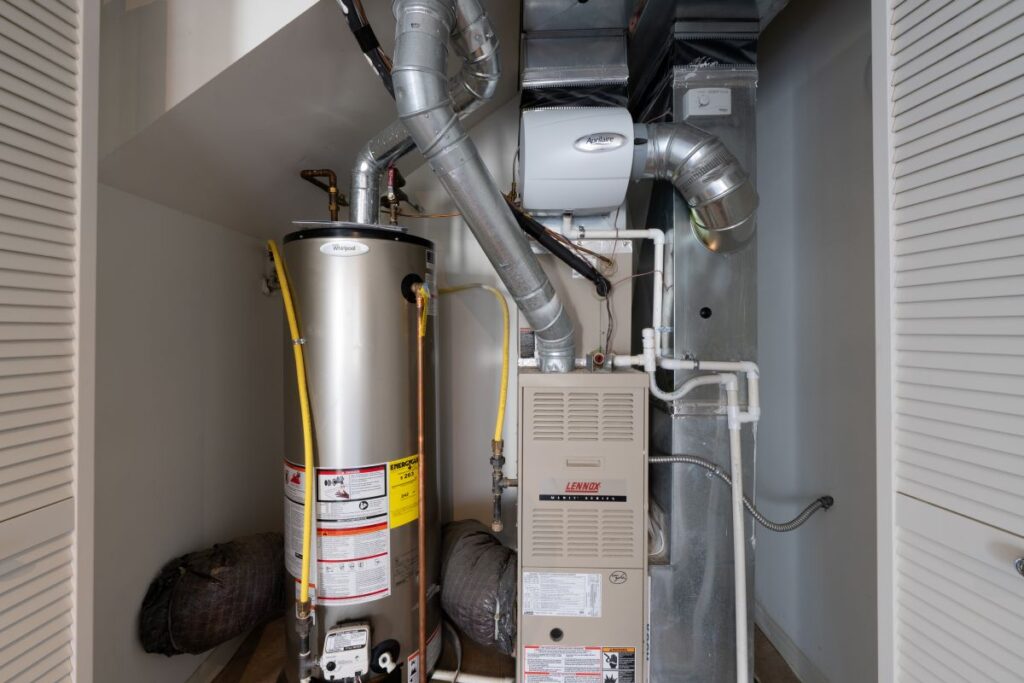
A high-efficiency furnace typically uses two PVC pipes coming from the wall—one pipe for bringing in fresh combustion air (intake) and the other for exhausting flue gases (exhaust). Most residential units use 2-inch or 3-inch pipe diameter for venting, and selecting the correct pipe size is crucial for safe and efficient operation, as well as compliance with local codes.
Vent pipes are usually routed horizontally through an exterior wall or vertically through the roof. Piping should be supported with hangers every 4 to 6 feet to prevent sagging and ensure a consistent slope. Before applying permanent solvent, dry-fit all components to ensure correct angles and lengths. Use purple primer and PVC solvent cement to create a molecular bond that seals against toxic exhaust leaks. The termination point must meet clearance requirements to prevent exhaust gases from re-entering the home through windows, doors, or intake vents.
Code Requirements for Furnace PVC Venting
Local building codes and national standards govern how vent pipes must be installed. While codes vary by municipality, there are common requirements that apply in Greer and throughout South Carolina. Always consult your local code and the furnace manual before beginning any furnace PVC vent pipe installation, as these take precedence and provide crucial guidance for safe and compliant installation.
Proper Slope and Drainage
Condensing furnaces produce acidic condensate as part of the heating process. Vent pipes must be installed with a slight upward slope toward the furnace so that condensation drains properly. A proper drain and condensate trap are essential components for managing the water produced by condensing furnaces, ensuring safe and effective condensate removal.
- Minimum slope requirement: Horizontal exhaust typically requires a slope of ¼ inch per foot back toward the furnace.
- Condensate management: Prevents pooling inside the pipe. There should be no dips or sags in the vent line to prevent water from restricting airflow.
- Corrosion protection: Reduces long-term pipe damage.
An incorrect slope can cause blockages or system shutdowns.
Correct Pipe Sizing
PVC vent pipes must match the furnace manufacturer’s specifications.
- Diameter requirements: Select the correct pipe size as specified by the manufacturer, based on furnace BTU output. Using pipes that are too small can choke airflow, while pipes that are too large can slow exhaust velocity and cause condensate pooling, leading to operational issues.
- Length limitations: Maximum vent distance allowed.
- Elbow restrictions: Too many turns reduce airflow efficiency.
Improper sizing can lead to pressure issues and unsafe operation.
Safe Termination Clearances
Vent pipes must terminate at safe distances from building openings.
- Window clearance: Prevents exhaust re-entry.
- Door clearance: Protects occupants from exposure.
- Ground clearance: Avoids snow or debris blockage.
Failure to meet clearance codes can create serious safety hazards.
Approved Materials and Connections
Not all plastic piping is approved for furnace exhaust applications.
- PVC or CPVC pipe: Manufacturer-approved materials only.
- Solvent-welded joints: Use PVC solvent cement to seal all connections and prevent leaks.
- Sealed connections: Properly cemented joints maintain draft and ensure safe venting.
Using improper materials can void warranties and violate code.
We’re proud to serve home and business owners in Greer, SC, and nearby communities with furnace installation and venting services.
5 Common Installation Mistakes to Avoid
Improper furnace pvc vent pipe installation can compromise safety and efficiency. Below are some frequent errors seen in DIY or poorly executed installations.
- Improper pipe slope: Leads to condensate buildup.
- Loose joints: Allows exhaust leaks.
- Excessive pipe length: Reduces system performance.
- Blocked termination points: Causes pressure imbalance.
- Incorrect intake placement: Draws contaminated air.
Common complaints with condensing furnaces—such as running briefly and stopping, smelling exhaust, or having water near the unit—often stem from air and vent mistakes like blocked terminations or incorrect pipe sizing. A qualified installer can fix these issues and ensure proper operation.
Horizontal vs. Vertical Venting
The configuration of the vent system depends on your home’s layout. Both horizontal and vertical venting options are acceptable when installed correctly. High-efficiency furnace venting is often routed through the side of the house rather than the chimney for improved safety, efficiency, and easier maintenance. When venting through the wall, a hole must be cut in the side of the house, and this approach helps prevent issues with hot exhaust and snow buildup that can block the exhaust pipe. Venting outdoors is essential—ensure proper clearances to prevent backdrafting, ice formation, or indoor air contamination. The exhaust pipe should be sloped correctly and terminated with adequate clearance outside. If venting runs through unconditioned spaces like the attic, consider insulation and condensation control to avoid moisture problems. Also, place vent terminations away from patios and windows to minimize noise disturbance.
| Vent Type | Common Application | Key Consideration |
| Horizontal | Through exterior wall | Must meet clearance codes; cut hole in house; prevents snow and hot exhaust issues |
| Vertical | Through roof | Requires roof flashing and sealing |
| Two-Pipe System | Separate intake and exhaust | Sealed combustion efficiency; prevents furnace from pulling air from inside the house |
| Single-Pipe System | Exhaust only | Uses indoor combustion air |
| Direct Vent | Exhausts and draws air outdoors | Simplifies installation; both intake and exhaust pipes terminate outside |
Each configuration requires proper planning to ensure safe and effective operation. Direct vent systems exhaust combustion gases outdoors and draw combustion air from outside, which improves comfort and efficiency by preventing the furnace from pulling air from inside the house.
Safety Risks of Improper Vent Installation
Improper venting can create serious safety hazards. Because furnaces produce carbon monoxide during combustion, vent integrity is critical.
- Carbon monoxide exposure: Dangerous if exhaust leaks occur.
- Backdrafting: Exhaust gases can be pulled back into the living space if the system does not draft properly or if vent placement is incorrect.
- Improper vent placement: Fumes or gases may be pulled into the home, creating a significant safety hazard.
- System shutdowns: Pressure switches prevent operation.
- Condensate leakage: Damages furnace components.
- Improper sealing: All vent joints and connections must be sealed with cement to prevent leaks and ensure safe operation.
Routine inspection and professional installation, including proper sealing and drafting, reduce these risks significantly.
What to Expect During Furnace Vent Installation
Understanding the process helps homeowners feel confident when upgrading their heating system.
- System evaluation: The installer reviews the furnace model, vent requirements, and consults the furnace installation manual to ensure all manufacturer guidelines are followed.
- Route planning: The installer determines the safest and most efficient pipe path, considering pipe sizing, bends, length, and sealing methods to prevent leaks and ensure proper draft.
- Pipe installation: Proper slope, secure joints, and correct sealing are ensured to support efficient condensate drainage and prevent exhaust leaks.
- Termination setup: Clearances are verified and sealed according to the furnace installation manual, with attention to vent termination distances and local codes.
- Final testing: The installer verifies pressure, draft, and proper unit operation, including checking heat transfer and inspecting the heat exchanger for correct function before operation.
Each step ensures your heating system operates safely and efficiently.
Common FAQs About Furnace PVC Vent Pipe Installation
Proper venting is a common concern for homeowners installing high-efficiency furnaces. Below are answers to frequently asked questions.
Can I install furnace PVC vent pipes myself?
Because venting involves combustion gases and code compliance, professional installation is strongly recommended. If you choose to proceed with DIY furnace PVC vent pipe installation, always follow the manufacturer’s manual and installation instructions to ensure safety, proper vent pitch, and compliance with local codes.
Does PVC venting need maintenance?
Yes. Annual inspections help ensure pipes remain sealed, clear, and properly supported. During these inspections, check that all supports are secure to prevent sagging, which can cause water pooling and airflow issues. Also, look for any signs of condensation buildup inside or around the vent pipe.
What happens if the vent pipe freezes?
Improper termination or drainage can allow condensation to freeze and block exhaust flow, triggering system shutdown. To prevent freezing, ensure the condensate drain is properly sloped and install condensate traps as recommended; these components help manage water flow and prevent blockages in high-efficiency furnace PVC vent pipe installations.
Are metal vent pipes still used?
Older furnaces may use metal flue pipes, but modern high-efficiency systems require PVC venting.
How do I know if my venting meets code?
A licensed HVAC professional can evaluate your system and verify compliance. It is essential to follow both local code and installation instructions to ensure your furnace PVC vent pipe installation meets all safety and regulatory requirements.
Safe Furnace Installation With Eastergard HVAC, Inc.
At Eastergard HVAC, Inc., we understand that furnace PVC vent pipe installation is about more than just connecting plastic piping. It is about protecting your home, ensuring efficiency, and maintaining safe operation throughout the heating season.
If you are installing a new furnace or upgrading venting in Greer, contact Eastergard HVAC, Inc. today to schedule a professional consultation and ensure your system meets all safety and code requirements.
Recent Articles POSTS