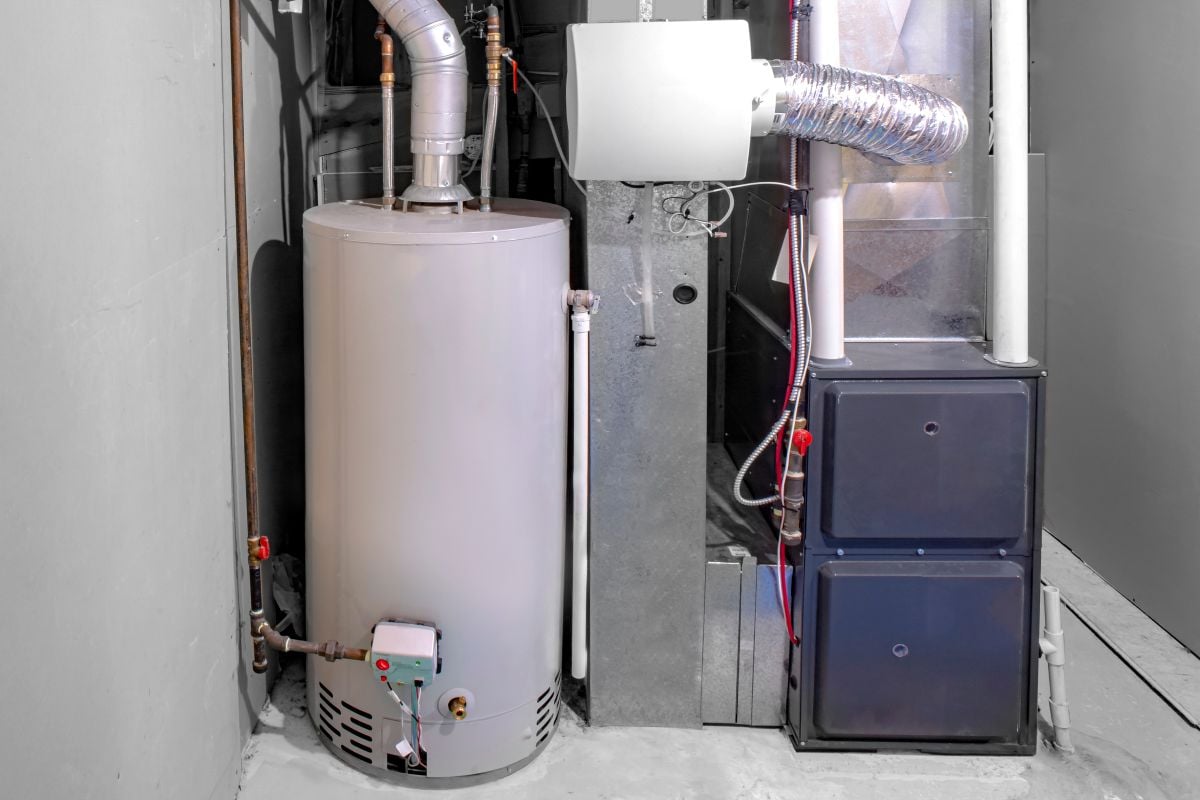
Heater Not Blowing Hot Air? 8 Common Problems & How to Fix Them
Heater not blowing hot air is one of the most frustrating problems homeowners face during colder months. When your system runs but only pushes cold air or lukewarm airflow, comfort drops quickly and energy bills can climb just as fast.
If your heater is underperforming, it may be caused by:
- Thermostat setting issues: Incorrect configuration or calibration.
- Airflow restrictions: Dirty filters or blocked vents.
- Ignition or gas supply problems: Furnace fails to generate warm air.
- Mechanical or electrical faults: Components no longer functioning properly.
Understanding why your heater is not blowing hot air can help you determine whether the issue requires a simple adjustment or professional repair.
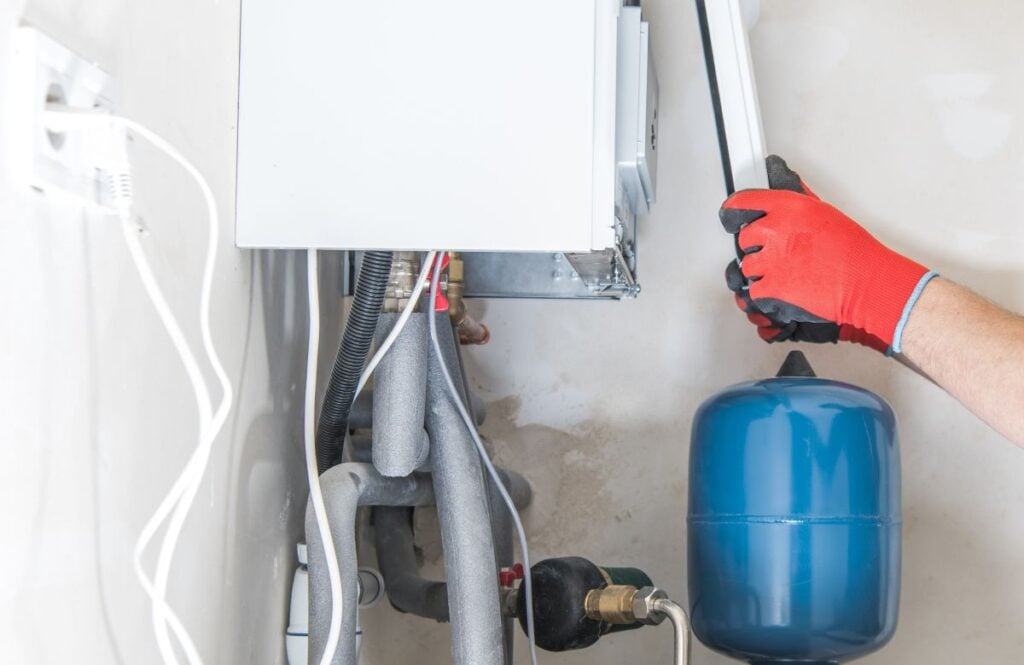
Why Your Heater May Run Without Producing Heat
When homeowners report a furnace blowing cold air, it typically means the system is operating but not completing the heating cycle properly. Your heating equipment depends on several coordinated steps. The thermostat signals the furnace to turn on, the burner ignites using either an electronic ignition or pilot light, the gas valve opens to supply fuel, and the blower distributes warm air throughout your home. If any of these steps fail, you may feel cold air instead of heat.
8 Common Problems & How to Fix Them
If your heater is not blowing hot air, the cause may range from routine maintenance issues to more serious mechanical failure. Below are eight of the most common problems homeowners encounter.
1. Incorrect Thermostat Settings
If your HVAC system is blowing cold air, the first thing to check is the thermostat settings to ensure it is set to ‘heat’ and the temperature is set higher than the current room temperature.
- Fan set to “On”: Blower circulates cold air continuously.
- Heat mode not selected: Burner never activates.
- Low battery power: Interrupts communication.
Switching to “Auto” mode allows the system to circulate warm air only when heat is being produced.
2. Dirty or Clogged Air Filter
Restricted airflow is one of the most common reasons a furnace blows cold air. A dirty filter prevents proper circulation and may trigger safety shutdowns.
- Reduced airflow: Warm air cannot move efficiently.
- Overheating shutdown: System may trip the high limit switch.
- Increased strain: Blower and heat exchanger work harder.
Regular filter replacement is an essential part of routine maintenance.
3. Pilot Light or Ignition Failure
Gas furnaces rely on ignition systems to produce heat. If the pilot light is out, the furnace will blow cold air because it cannot ignite the fuel to produce heat.
- Extinguished pilot light: No flame means no heat.
- Faulty ignition sensor: Prevents burner activation.
- Gas valve malfunction: Stops fuel from reaching the burner.
Repeated ignition failures require professional inspection.
4. Gas Supply Issues
If the gas valve fails to open or gas pressure is interrupted, the burner will not ignite.
- Closed gas valve: Prevents fuel flow.
- Faulty valve mechanism: Inconsistent heating.
- Gas pressure problems: Weak or no flame.
Gas-related issues should always be handled by licensed professionals.
5. Electrical System Problems
Electrical failures can interrupt communication between components and prevent heating.
- Tripped circuit breaker: Cuts power to heating components.
- Loose wiring: Causes intermittent operation.
- Control board malfunction: Disrupts heating sequence.
Electrical issues may cause the blower to run while no heat is produced.
6. High Limit Switch Activation
The high limit switch protects your furnace from overheating. If airflow is restricted, this safety device may shut off the burner while allowing the blower to continue running.
- Dirty air filter: Common cause of overheating.
- Blocked vents: Reduces circulation.
- Internal buildup: Limits heat transfer.
When the high limit switch activates, the result can feel like furnace blowing cold air.
7. Heat Pump Operating in Defrost Mode
If your system is a heat pump, it may temporarily switch to defrost mode during cold weather. During this cycle, you may feel cooler air briefly.
- Outdoor coil frost buildup: Triggers defrost cycle.
- Temporary cooling phase: Lasts several minutes.
- Automatic reset: System resumes normal heating.
Occasional cool airflow from a heat pump can be normal, but frequent issues require service.
8. Aging or Failing Furnace
Older systems lose efficiency and reliability over time. Internal wear can reduce heating capacity.
- Frequent breakdowns: Increasing service calls.
- Declining performance: Struggles to maintain temperature.
- Higher operating costs: Reduced efficiency.
At some point, replacement may offer better reliability and long-term savings.
We’re proud to serve home and business owners in Greer, SC, and nearby communities with heating services, air conditioning support, and comprehensive HVAC solutions.
Quick Troubleshooting Guide
Before scheduling service, homeowners can check a few simple items.
| Issue | Homeowner Check | Professional Service Needed |
| Thermostat setting | Yes | No |
| Dirty air filter | Yes | No |
| Closed vents | Yes | No |
| Pilot light issue | Sometimes | Often |
| Gas valve problem | No | Yes |
| Electrical failure | No | Yes |
If simple adjustments do not restore heat, professional diagnosis is recommended.
What to Expect During a Heater Repair Visit
When you schedule service because your heater is not blowing hot air, a technician will evaluate both heating and electrical components.
- Diagnostic testing: Ignition, gas valve, wiring, and blower inspected.
- Safety inspection: Heat exchanger and high limit switch evaluated.
- Performance testing: Temperature rise and airflow verified.
- Maintenance review: Recommendations provided to prevent future breakdowns.
Preventive maintenance reduces the likelihood of future heating or air conditioning disruptions.
Common FAQs About Heater Not Blowing Hot Air
When your heater is not blowing hot air, it is normal to have questions about safety and repair timing. Below are answers to common concerns.
Why is my furnace blowing cold air even though it is running?
This can be caused by thermostat settings, pilot light issues, gas valve problems, airflow restrictions, or electrical faults.
Can a heat pump blow cold air?
Yes, briefly during defrost mode. However, extended cool airflow may indicate a problem.
Can the high limit switch cause cold air?
Yes. If overheating occurs, the switch may shut off the burner while the blower continues running.
Is maintenance really important?
Routine maintenance helps prevent airflow restrictions, ignition failures, and unexpected shutdowns.
Should I keep running the heater?
If the system continues blowing cold air, it is best to schedule professional service.
Restore Warmth With Eastergard HVAC, Inc.
At Eastergard HVAC, Inc., we understand how uncomfortable it is when your heater is not blowing hot air. Our experienced technicians diagnose gas, electrical, and airflow issues accurately to restore consistent warm air quickly and safely.
If you are experiencing heating problems in Greer, contact Eastergard HVAC, Inc. today to schedule professional service and keep your home comfortable all season long.
Recent Articles POSTS