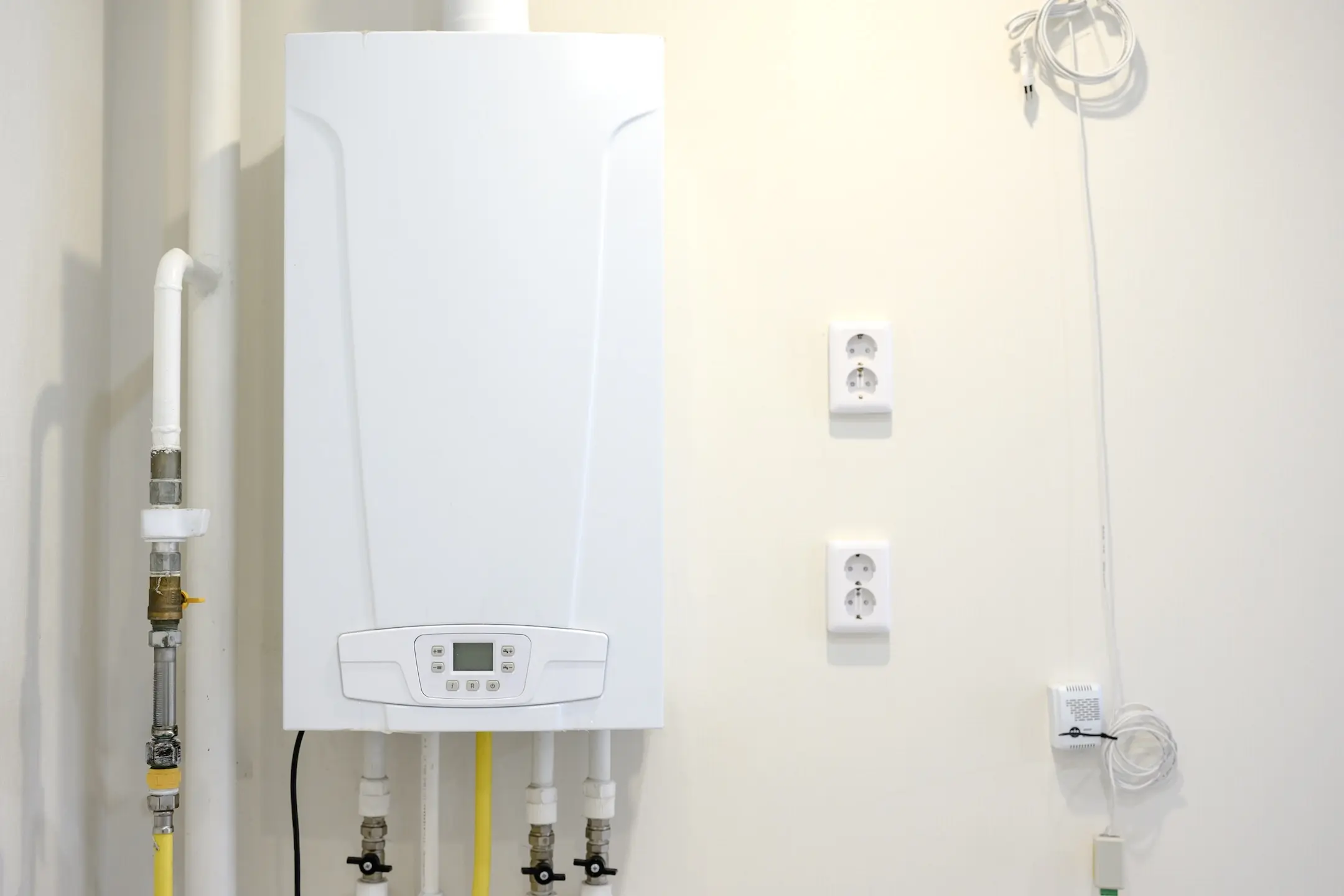
Tankless Water Heater Lifespan: 7 Maintenance Tips to Maximize Longevity
If you are looking to get the most out of your tankless water heater, maintenance is the single biggest factor standing between a system that lasts a decade and one that runs reliably for 25 years or more. Tankless water heater lifespan is one of the most common questions homeowners ask after making the switch from a traditional tank unit, and the answer is encouraging. Most tankless systems last 15 to 20 years or more with proper care, roughly double what a conventional storage tank delivers. But reaching that milestone requires consistent maintenance habits. This guide covers the seven that make the biggest difference.
Here is what we will cover:
- Why tankless systems outlast traditional tank water heaters: How their design drives longer lifespan.
- The biggest threats to longevity: What most commonly shortens a tankless system’s life.
- 7 maintenance tips: The specific habits that protect your investment year after year.
- Signs your system needs professional attention: What to watch for between service visits.
- When to repair vs. replace: How to know which direction makes sense as your unit ages.
Why Tankless Water Heaters Last Longer to Begin With
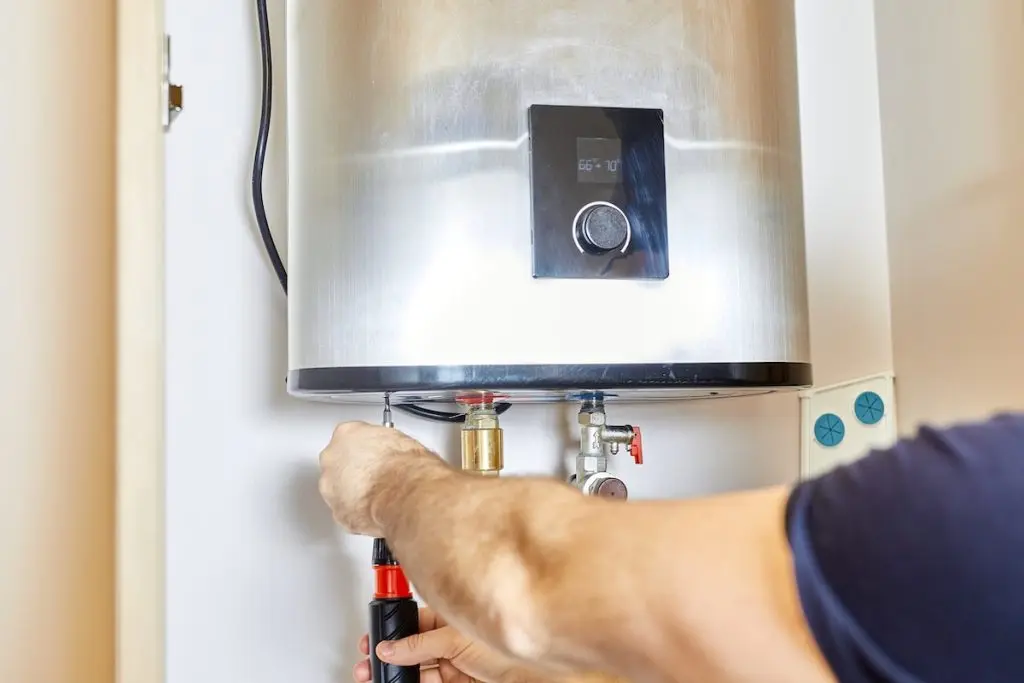
A conventional tank water heater stores 40 to 50 gallons continuously, meaning the tank is always in contact with water, heat, and the corrosive minerals that come with it. That constant exposure leads to gradual corrosion and sediment buildup that eventually ends the unit’s life regardless of maintenance. A tankless system heats water on demand and sits dry when not in use, which eliminates the primary failure mechanism that cuts tank units short.
That fundamental design difference is why tankless systems outlast their tank counterparts by such a wide margin. The U.S. Department of Energy has confirmed that tankless units last more than 20 years, with the main driver of a water heater’s life being the accumulation of minerals such as calcium inside the unit, underscoring why maintenance is not optional for homeowners who want to reach that milestone. Well-maintained systems can push even further, reaching 25 years or more in homes with good water quality and consistent annual service.
7 Maintenance Tips to Maximize Your Tankless Water Heater Lifespan
These seven habits, applied consistently, are what separate a tankless system that reaches 20 years from one that fails at 12. Some can be handled by a diligent homeowner; others are best left to a licensed professional.
1. Schedule an Annual Descaling Flush
Mineral scale is the single greatest threat to tankless water heater longevity. As water passes through the heat exchanger, calcium and magnesium deposit on internal surfaces. Over time that scale acts as insulation, forcing the unit to work harder and run hotter to achieve the same water temperature. Left unaddressed, severe buildup can crack the heat exchanger, requiring a costly component replacement or full unit replacement. An annual descaling flush uses a food-grade descaling solution or white vinegar circulated through the system with a submersible pump to dissolve deposits before they harden.
- Annual flush for most homes: Standard schedule for moderate water hardness, which covers most of the Upstate South Carolina area.
- Every six to nine months in hard water areas: More frequent flushing prevents scale from reaching the point of causing measurable efficiency loss or component damage.
- Professional vs. DIY: Homeowners comfortable with the process can perform a basic flush themselves. Having a licensed technician handle it as part of an annual service visit ensures all components are inspected at the same time.
2. Address Water Hardness at the Source
Flushing an existing scale problem is important, but preventing scale from forming in the first place is more effective. Hard water is the leading cause of premature tankless water heater failure, and annual flushing alone may not fully offset its impact in areas with particularly mineral-rich water. A water softener installed at the main water line removes calcium and magnesium before the water ever reaches the heater. For homeowners who prefer a simpler solution, an inline scale inhibitor installed on the cold water inlet line provides targeted protection for the unit.
- Water softener: The most comprehensive solution, protecting the entire home’s plumbing and all water-using appliances.
- Inline scale inhibitor: A targeted and less expensive option specifically designed to protect the tankless unit.
- Water hardness testing: A simple test confirms whether treatment is worth the investment for your specific water supply.
3. Clean the Inlet Filter Regularly
Tankless water heaters have a small inlet filter screen that catches debris before it enters the system. A clogged filter restricts water flow, reduces heating efficiency, and can trigger error codes or inconsistent hot water delivery. Cleaning this filter every few months is a quick and simple task that most homeowners can handle themselves without tools.
- Remove and rinse under running water: Gently clean the screen to remove sediment and debris without damaging the mesh.
- Inspect for damage: A torn or bent filter screen should be replaced rather than reinstalled to prevent debris from entering the heat exchanger.
- Check more frequently in homes with older plumbing: Older pipes tend to shed more particulate matter that accumulates on the inlet filter faster.
4. Keep the Venting System Clear and Unobstructed
For gas-powered tankless water heaters, proper venting is essential for both safety and system performance. Blocked or deteriorating vent pipes cause the unit to work less efficiently, can trigger safety shutdowns, and in serious cases allow combustion byproducts to enter the living space. Periodic visual inspection of the vent termination point on the exterior wall or roof helps catch blockages like bird nests, debris, or damaged flashing before they become bigger problems. We are proud to serve home and business owners in Mauldin, SC, and nearby communities with tankless water heater maintenance, installation, and more.
- Check exterior vent termination seasonally: Look for obstructions, damage, or signs of moisture intrusion around the vent cap.
- Listen for unusual combustion sounds: Rumbling, delayed ignition, or burner noise during startup can indicate a venting issue worth investigating.
- Leave internal venting inspection to a professional: Gas venting connections inside the unit and at the wall penetration should be assessed by a licensed technician during annual service.
5. Set the Temperature Correctly
Most tankless water heaters arrive from the factory set to 120 to 140 degrees Fahrenheit. Running the unit at higher temperatures than necessary accelerates mineral precipitation inside the heat exchanger and increases standby energy losses. Setting the temperature to 120 degrees is sufficient for most households, reduces scale formation, and lowers operating costs without sacrificing comfort.
- 120°F is the recommended default: Comfortable for household use while minimizing the thermal stress that accelerates scale accumulation.
- Avoid setting above 130°F unnecessarily: Higher temperatures speed up mineral deposits and increase the risk of scalding, particularly in homes with young children or elderly residents.
- Check the setting after any power interruption: Some units reset to factory defaults after a power outage, which may be higher than your preferred setting.
6. Schedule Annual Professional Service
A licensed technician performing an annual tune-up does far more than a homeowner can accomplish on their own. They check the burner assembly, ignition system, heat exchanger condition, gas pressure, safety sensors, and error code history. Catching a small issue during a routine visit costs a fraction of what a component failure costs after the fact, and professional service visits also protect your warranty coverage, since most manufacturers require documented professional maintenance to honor warranty claims.
- Burner and ignition inspection: Ensures the unit lights reliably and combustion is clean and efficient.
- Heat exchanger assessment: A professional can identify early signs of scale damage or cracking that are not visible during a standard flush.
- Warranty documentation: Keep records of every professional service visit. Those records matter if a warranty claim arises later.
7. Know the Signs That Something Is Wrong
Catching problems early is the last line of defense for extending tankless water heater lifespan. Most issues give warning before they become serious, and recognizing those signals means the difference between a minor repair and a major one.
- Fluctuating water temperature: Hot and cold swings mid-use typically indicate scale buildup on the heat exchanger or a failing flow sensor.
- Error codes on the display: Never reset an error code without identifying what caused it. Error codes are the system’s built-in early warning system.
- Declining hot water pressure: Often caused by inlet filter clogging or scale narrowing the flow path through the heat exchanger.
- Rising energy bills: A system working harder than it should due to scale or component wear consumes more gas or electricity to deliver the same result.
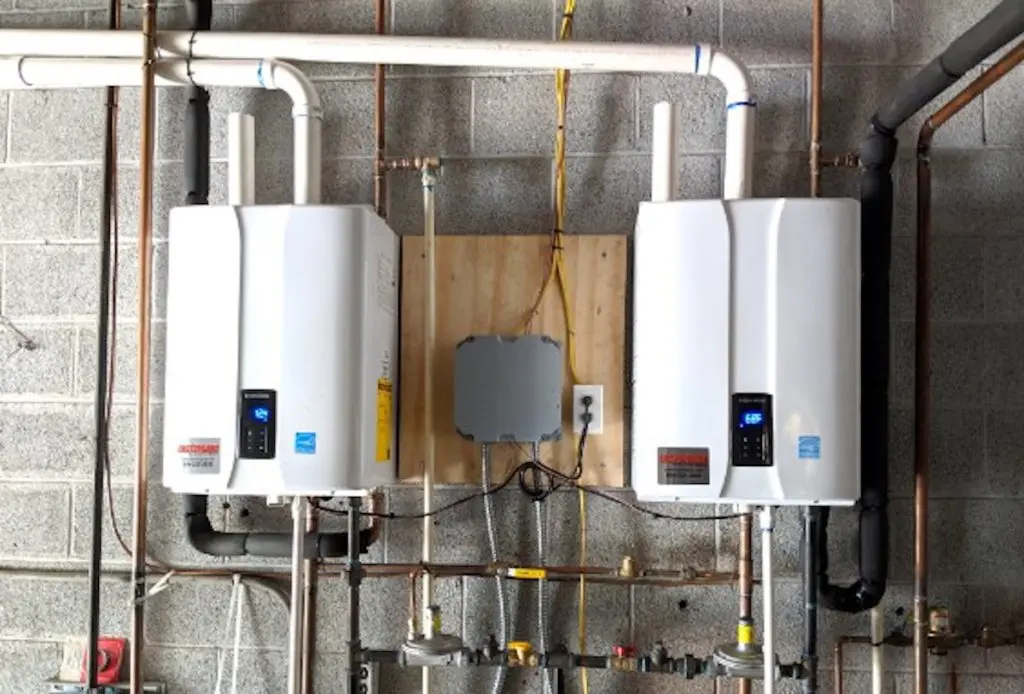
Lifespan by Fuel Type and Heat Exchanger Material
Not all tankless water heaters age the same way. Understanding how your specific unit’s design affects longevity helps set realistic expectations.
| Type | Expected Lifespan | Key Longevity Factor |
| Gas with stainless steel heat exchanger | 20 to 25+ years | Annual descaling and burner maintenance |
| Gas with copper heat exchanger | 12 to 15 years | More susceptible to scale corrosion |
| Electric tankless | 15 to 20 years | Heating elements vulnerable to direct scale contact |
| All types with hard water and no treatment | 8 to 12 years | Scale accumulation compresses lifespan significantly |
Frequently Asked Questions About Tankless Water Heater Lifespan
Most homeowners have questions about how to protect their investment once a tankless system is installed. Here are the most common ones we hear from homeowners across the Upstate.
How do I know if my tankless water heater needs descaling?
The most common signs are fluctuating water temperature, reduced hot water pressure, a unit that runs longer than usual to reach the set temperature, or unusual noises during operation. If you cannot remember the last time the unit was flushed, it is overdue regardless of whether symptoms are present.
Can hard water in the Greenville area shorten my tankless water heater’s lifespan?
Yes. The Upstate South Carolina area has moderately hard water in many communities, which means mineral scale accumulation is a real concern for tankless systems. Annual descaling and, in harder water situations, an inline scale inhibitor or water softener, are the most effective ways to protect the unit.
Does skipping a year of maintenance really matter?
It depends on your water quality, but in most cases, yes. Skipping even one year of descaling allows scale to harden and become more difficult to remove. Over multiple years of deferred maintenance, the efficiency loss and component stress compound in ways that meaningfully shorten the unit’s lifespan.
When should I replace instead of repair my tankless water heater?
If a unit is under 10 years old and the issue is a single component, repair almost always makes more sense. If the unit is approaching 15 to 20 years, showing multiple problems simultaneously, or facing a heat exchanger failure after the warranty has expired, replacement is typically the better financial decision.
Keep Your Tankless System Running Strong With Eastergard HVAC
A tankless water heater is one of the best investments a homeowner can make in long-term comfort and efficiency. Protecting that investment comes down to consistent maintenance and catching problems early. Eastergard HVAC has been serving the Greenville area since 1989, and our licensed team handles tankless water heater maintenance, descaling, repairs, and installations with the same care and transparency we bring to every job.
Contact Eastergard HVAC today to schedule your service visit. Call or text us at 864-235-2935 or send us an email, and we will keep your tankless system running reliably for years to come.
Recent Articles POSTS