Tankless Water Heater Installation: 7 Pros, Cons, & Requirements Explained
Tankless water heater installation is becoming a preferred upgrade for homeowners who want greater efficiency, modern performance, and long-term reliability. Unlike traditional storage tanks that continuously heat and store water, a tankless heater provides hot water only when needed.
Before deciding if this system is right for your home, consider the key factors:
- On-demand heating: Hot water is produced instantly when you turn on a tap.
- Energy efficient performance: Eliminates standby heat loss common with tanks.
- Upfront investment: Equipment and installation costs are typically higher.
- Utility upgrades: Gas, venting, or electrical modifications may be required.
Understanding how these systems work and what installation involves can help you make a confident decision.
How Tankless Water Heaters Operate
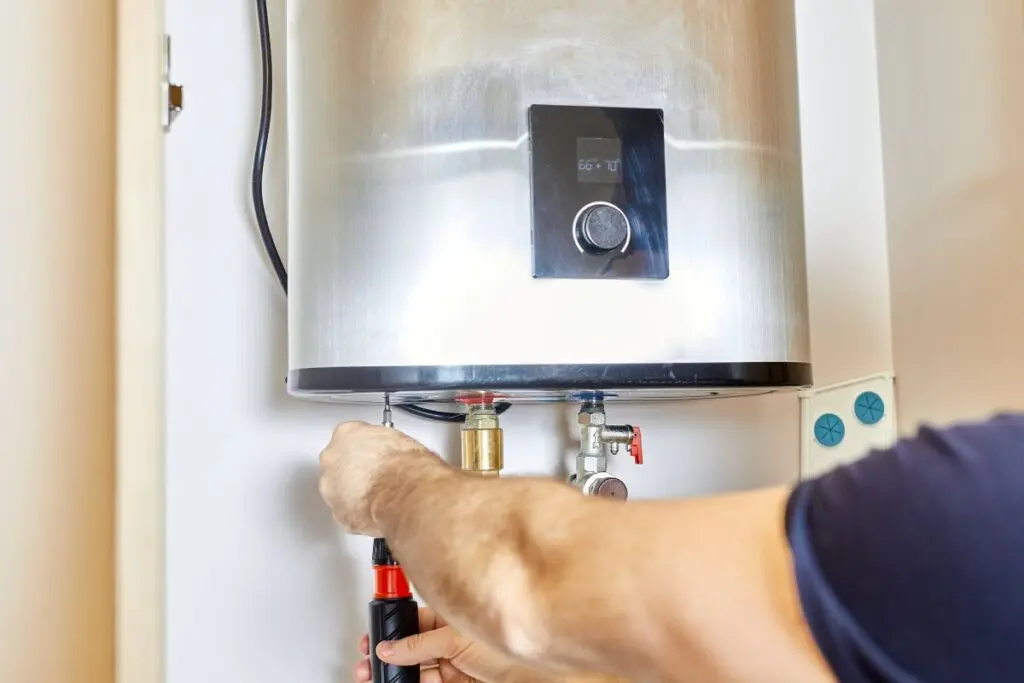
Tankless systems, sometimes called demand-type water heaters, function very differently from conventional tanks. When you turn on a hot water fixture, cold water flows into the unit. In a tankless gas water heater, a burner activates immediately, rapidly heating the water as it passes through a heat exchanger. Electric models use high-powered heating elements to achieve the same result.
Because water is not stored in a tank, the system avoids standby energy loss. According to the U.S. Department of Energy, tankless water heaters can be 24 to 34 percent more energy efficient than conventional storage water heaters for homes using 41 gallons or less of hot water daily. Efficiency gains depend on proper sizing, professional installation, and realistic household demand expectations.
7 Pros & Cons of Tankless Water Heater Installation
Upgrading to tankless offers clear benefits, but it also requires understanding the tradeoffs.
1. Continuous Hot Water Supply
Tankless systems heat water as long as demand continues, meaning you are not limited by tank capacity.
- No recovery wait time: Water heats instantly as it flows.
- Ideal for back-to-back showers: Supports extended usage.
- Reduced scheduling conflicts: Helpful for larger households.
Flow rate capacity must be sized correctly to prevent temperature fluctuations.
2. Higher Energy Efficiency Potential
Because the system activates only when hot water is needed, unnecessary heating cycles are reduced.
- Eliminates standby losses: No stored hot water cooling down.
- High efficiency ratings: Many tankless gas water heater models exceed 90 percent efficiency.
- Lower utility costs over time: Especially for moderate usage homes.
Savings vary depending on usage patterns and local utility rates.
3. Longer Lifespan
Tankless units typically outlast traditional tank heaters.
- Expected service life: Often 15 to 20 years.
- Replaceable components: Heat exchangers and sensors may be serviceable.
- Reduced corrosion risk: No large storage tank.
Regular flushing and inspection help protect long-term performance.
4. Compact Design
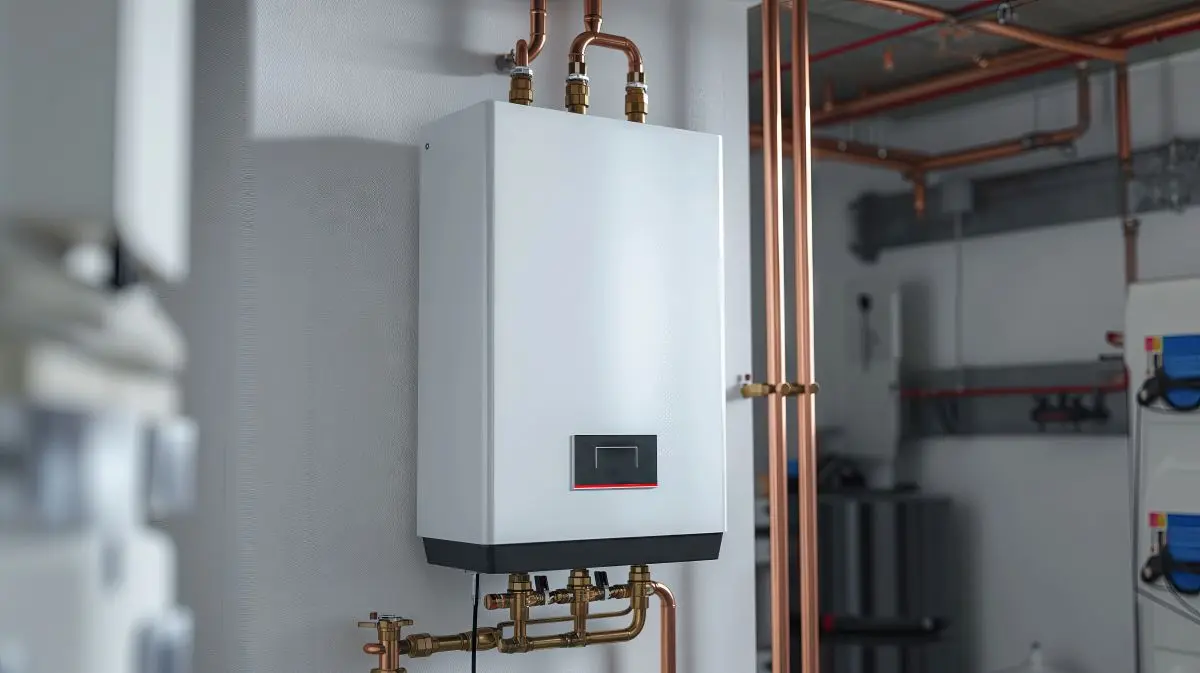
A tankless heater mounts to a wall, freeing up valuable floor space.
- Smaller footprint: Ideal for tight utility rooms.
- Flexible placement: Can be installed indoors or outdoors depending on model.
- Improved accessibility: Easier servicing in many configurations.
This makes them appealing for remodels or smaller homes.
5. Higher Upfront Installation Cost
One of the main drawbacks is the initial investment.
- Equipment pricing: Higher than traditional tank units.
- Gas line upgrades: Often required for a tankless gas water heater.
- Electrical panel updates: Necessary for electric models.
Professional installation ensures safe integration with your home’s infrastructure.
6. Venting and Safety Requirements
Gas-powered tankless systems require specialized venting and safety components.
- Direct vent configuration: Intake and exhaust must be routed outdoors.
- Sediment trap installation: Required on gas lines to prevent debris from entering the burner.
- Pressure relief valve: Protects against excessive internal pressure buildup.
Improper installation of safety components can affect performance and code compliance.
7. Flow Rate Limitations
Although water is continuous, there is a maximum gallons per minute capacity.
- Simultaneous fixture limits: Multiple showers may exceed output.
- Sizing precision required: Must match household usage patterns.
- Incoming water temperature impact: Colder groundwater requires greater heating capacity.
Correct sizing is critical for consistent comfort.
We’re proud to serve home and business owners in Greer, SC, and nearby communities with tankless water heater installation and plumbing upgrades.
Tank vs Tankless Comparison
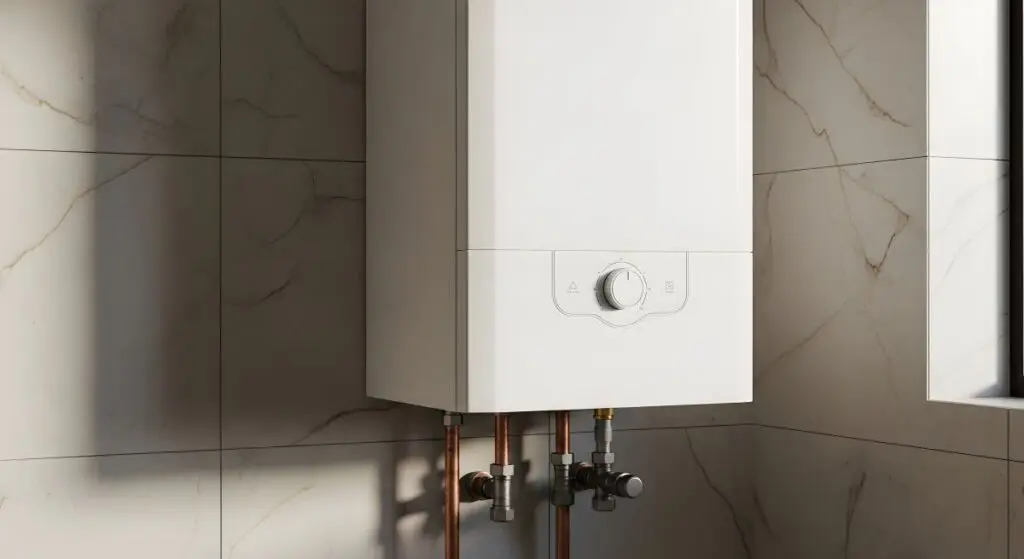
Choosing between a traditional tank and a tankless heater depends on your household’s water usage and long-term goals.
| Feature | Tank Water Heater | Tankless Water Heater |
| Hot Water Capacity | Limited to tank size | On demand |
| Standby Energy Loss | Yes | No |
| Lifespan | 8 to 12 years | 15 to 20 years |
| Upfront Cost | Lower | Higher |
| Space Requirement | Large floor space | Wall-mounted |
While traditional systems remain common, many homeowners prefer the energy efficient performance of tankless options.
Installation Requirements to Consider
Tankless water heater installation often involves more than replacing an existing unit. A detailed evaluation of your home’s infrastructure is necessary.
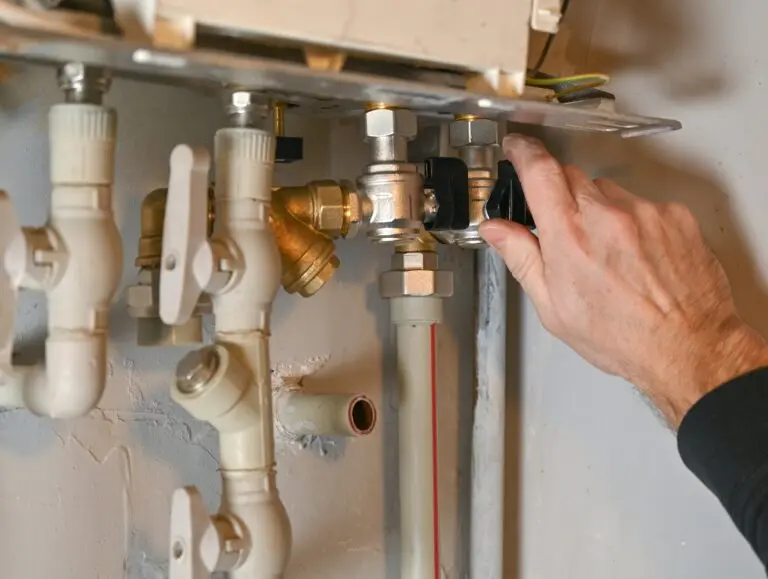
Gas-powered systems frequently require a larger gas supply line to support high BTU demands. Installing a sediment trap along the gas line helps prevent debris from entering the unit and protects internal components. Proper venting must also meet manufacturer specifications and local mechanical codes.
In addition, every system must include a properly installed pressure relief valve to ensure safe operation under varying temperature and pressure conditions. Electrical capacity must be confirmed for electric models, and water quality should be evaluated to prevent mineral buildup inside the heat exchanger.
These installation steps ensure safe, reliable, and code-compliant operation.
What to Expect During Installation
Understanding the process helps homeowners prepare for the upgrade.
- Home assessment: Technician evaluates plumbing, gas, and electrical systems.
- System sizing calculation: Determines required flow rate and heating capacity.
- Utility modifications: Gas or electrical upgrades completed if necessary.
- Mounting and plumbing connections: Unit securely installed and integrated.
- Safety component installation: Pressure relief valve and sediment trap verified.
- Final testing: Temperature consistency and flow rate confirmed.
Most installations are completed within one day, depending on necessary upgrades.
Common FAQs About Tankless Water Heater Installation
Homeowners often have important questions before upgrading.
Is tankless water heater installation worth it?
For households planning long-term homeownership, energy savings and extended lifespan may offset higher upfront costs.
Do tankless systems require maintenance?
Yes. Annual flushing removes mineral buildup and helps maintain energy efficient operation.
What safety features are included?
Modern systems include built-in temperature controls, a pressure relief valve, and safety shutoff features.
Can I install a tankless heater myself?
Because installation involves gas, venting, and code compliance, professional service is strongly recommended.
Are tankless systems suitable for large families?
When properly sized, they can support high demand, but accurate flow calculations are essential.
Upgrade Your Water Heating With Eastergard HVAC, Inc.
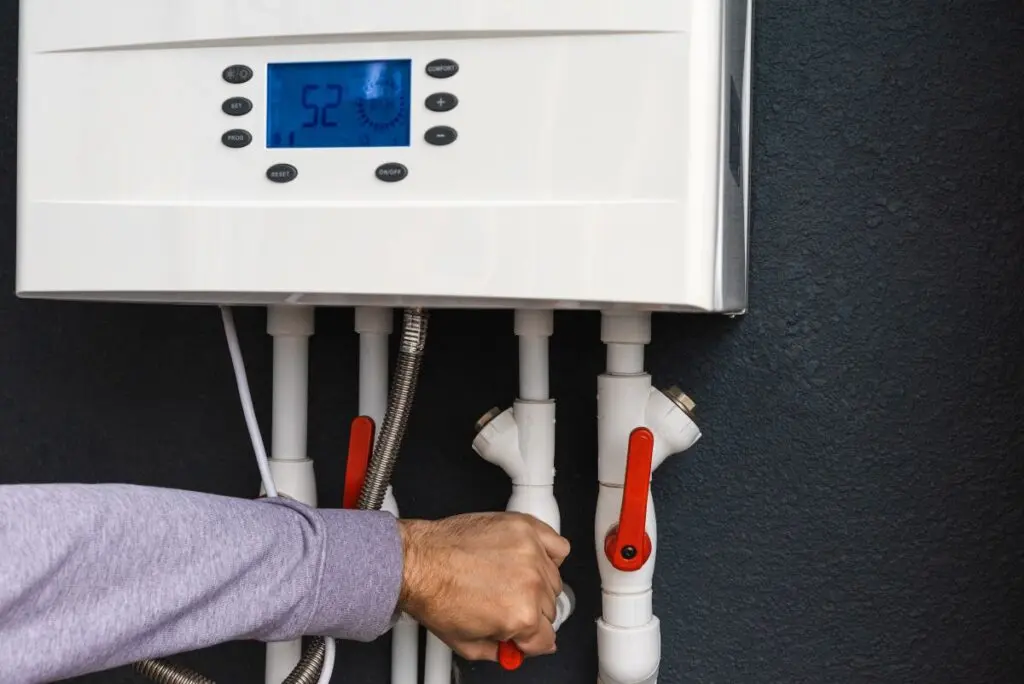
At Eastergard HVAC, Inc., we understand that tankless water heater installation is an investment in comfort and efficiency. Our experienced team ensures every tankless gas water heater is installed safely, including proper venting, sediment trap placement, and safety valve integration.
If you are considering upgrading your water heating system in Greer, contact Eastergard HVAC, Inc. today to schedule a professional consultation and explore whether a tankless heater is the right solution for your home.
Recent Articles POSTS