Tankless Water Heater Repair: 5 Warning Signs You Shouldn’t Ignore
If you have been noticing changes in your hot water performance lately, your tankless system may be trying to tell you something. Tankless water heater repair is one of those things homeowners tend to put off, partly because these systems have a reputation for reliability and partly because the warning signs can be easy to brush off as minor quirks. But catching a problem early almost always means a faster fix, a lower bill, and a longer life for your equipment. This guide walks you through the five most important warning signs, what they typically mean, and when it is time to call a professional.
Here is what we will cover:
- The 5 warning signs: What to watch for and what each one could indicate.
- Common causes behind the symptoms: Error codes, mineral buildup, ignition issues, and more.
- Repair vs. replacement: How to know which direction makes more sense for your situation.
- Energy savings and efficiency: Why a well-maintained tankless heater pays for itself over time.
- How Eastergard HVAC can help: Fast, honest service for Upstate South Carolina homeowners.
How Tankless Water Heaters Differ From Traditional Tank Systems

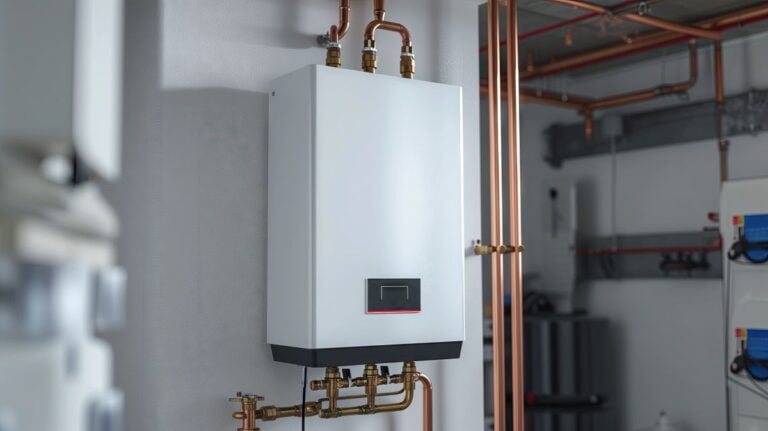
Unlike a conventional storage water heater, a tankless heater heats water on demand as it flows through the unit, delivering endless hot water without the standby energy losses that come with keeping a large tank heated around the clock. That energy efficiency advantage is one reason tankless models are so popular, and why the Department of Energy recognizes that tankless water heaters generally last 15 to 20 years, compared to the 8 to 12 year lifespan of traditional tank models.
That longer lifespan does not mean these systems are maintenance-free. Because tankless heaters rely on precise components like heat exchangers, ignition systems, and flow sensors, problems tend to show up gradually before becoming serious. Knowing what to look for puts you ahead of a breakdown.
5 Warning Signs Your Tankless Water Heater Needs Repair
These are the signals that most commonly indicate a tankless system needs professional attention. Some are obvious, others are easy to miss if you are not paying close attention to your system’s day-to-day performance.
1. Inconsistent or Suddenly Cold Water
If your hot water is fluctuating between warm and cold mid-shower, something is interfering with your unit’s ability to heat water consistently. This is one of the most common complaints that leads homeowners in Mauldin, SC, to call for tankless water heater repair. The cause could be a failing flow sensor, a problem with the heat exchanger, or mineral scale buildup that has begun to restrict flow and reduce the unit’s ability to transfer heat efficiently.
- Flow sensor issues: A faulty sensor can cause erratic heating or prevent the system from activating at all.
- Mineral scale accumulation: Hard water deposits coat the heat exchanger over time, acting as insulation and forcing the unit to work harder while reducing energy efficiency.
- Restricted flow: Debris or scale that restrict flow through inlet filters or the heat exchanger directly impacts water temperature and unit performance.
2. Error Codes on the Display Panel
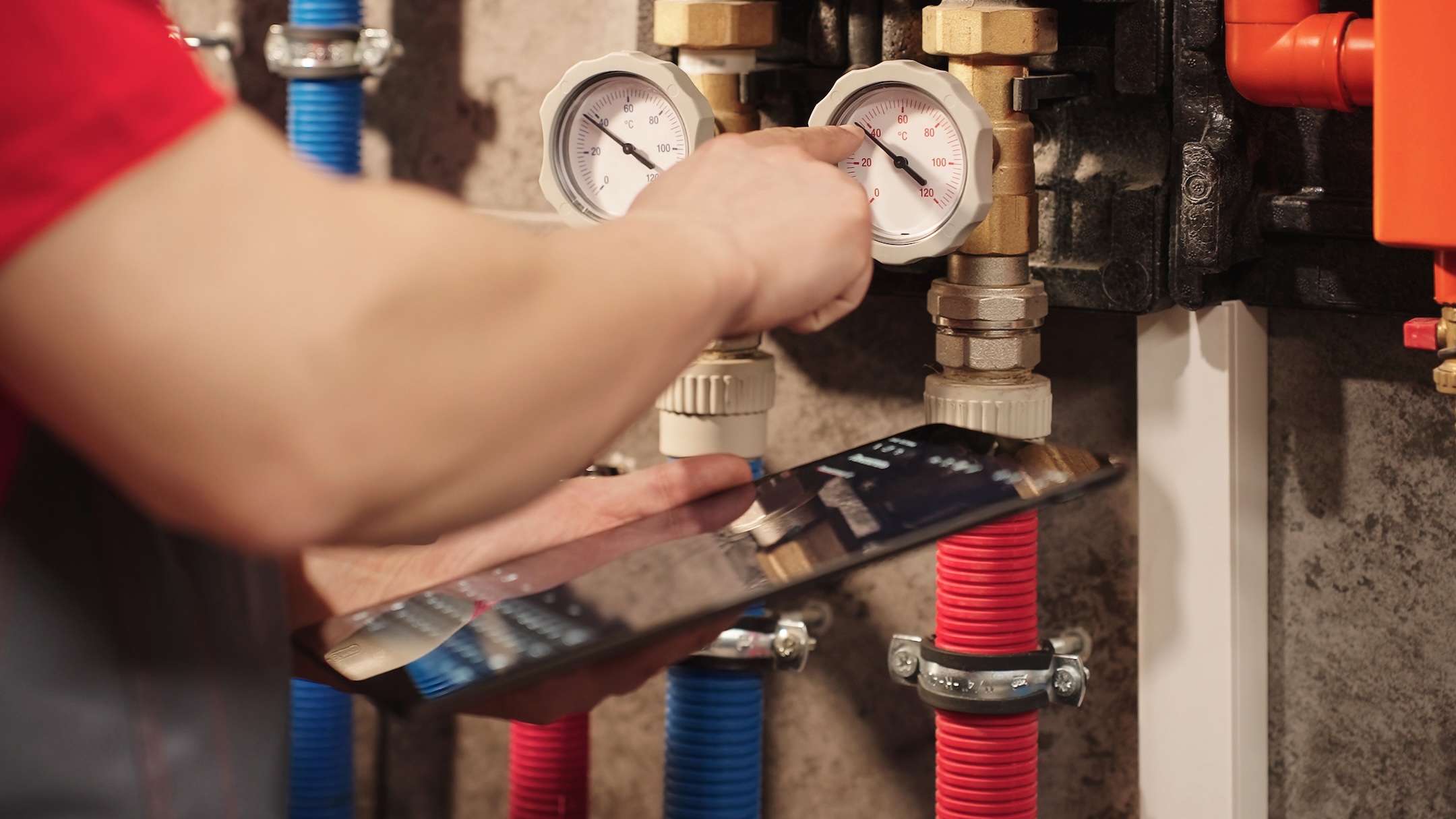
Most modern tankless heaters include a digital display that shows error codes when something goes wrong internally. These codes are the system’s built-in diagnostic tool and should never be ignored or reset without understanding what triggered them. Common error codes point to ignition failure, overheating, venting problems, or pressure irregularities.
- Ignition failure codes: Indicate the unit is not lighting properly, which can stem from gas supply issues, a dirty igniter, or a faulty gas valve.
- Overheating codes: Suggest the unit is running hotter than it should, often due to scale buildup or restricted flow through the system.
- Venting error codes: Signal that exhaust gases are not being expelled correctly, a safety concern that warrants immediate attention.
3. Unusual Noises Coming From the Unit
A well-functioning tankless heater runs relatively quietly. Banging, rumbling, crackling, or hissing sounds are a sign something is not operating normally. Mineral scale buildup on the heat exchanger is the most common culprit, as deposits force the unit to heat unevenly and cause thermal stress on internal components.
- Rumbling or banging: Often linked to scale buildup forcing the heat exchanger to work unevenly under load.
- Hissing or crackling: Can indicate water contacting an overheated surface or a developing internal leak.
- Clicking without ignition: Usually points to an ignition system problem that needs professional diagnosis.
4. Visible Leaks or Moisture Around the Unit
Any moisture around a tankless water heater should be treated as a warning sign, not a minor inconvenience. Water near the unit can indicate a loose connection, a cracked heat exchanger, or a failing pressure relief valve. Left unaddressed, even a small leak can cause water damage and may signal a larger problem developing inside the system. We are proud to serve home and business owners in Mauldin, SC, and nearby communities with tankless water heater repair, tankless water heater installation, and more.
- Loose inlet or outlet connections: Fittings can loosen over time, especially in systems that experience significant temperature cycling.
- Pressure relief valve discharge: Means the system is detecting unsafe pressure or temperature levels and should be inspected immediately.
- Heat exchanger cracks: Require professional repair or unit replacement depending on the extent of the damage.
5. Rising Energy Bills Without Explanation
One of the quieter warning signs of a struggling tankless heater is a steady increase in your gas or electric bill without a change in usage. A healthy tankless heater delivers strong energy savings precisely because it only runs when hot water is needed. When components fail or scale builds up and begins to restrict flow, that energy efficiency advantage erodes quickly.
- Scale-related efficiency loss: Deposits force the burner or heating elements to run longer to compensate, directly increasing energy consumption.
- Component wear: Aging parts like gas valves or flow sensors reduce system efficiency well before they cause a complete breakdown.
- Incorrect temperature settings: A malfunctioning temperature sensor can cause the unit to overheat water and waste energy.
Common Causes Behind Tankless Water Heater Problems
| Issue | Likely Cause | Repair or Maintenance Needed |
| Inconsistent hot water | Scale buildup or failing flow sensor | Descaling flush or sensor replacement |
| Error codes | Ignition, venting, or overheating problem | Professional diagnostic and component repair |
| Unusual noises | Mineral deposits on heat exchanger | Annual descaling service |
| Visible leaks | Loose fittings or pressure relief valve | Connection tightening or valve replacement |
| Rising energy bills | Scale buildup or component wear | Maintenance flush and system inspection |
Repair vs. Replacement: How to Decide
Most issues covered above are repairable, especially in systems under 10 years old that have been reasonably well maintained. The calculus shifts when a unit is approaching the end of its lifespan, when multiple components are failing, or when repair costs are approaching a significant percentage of what a new tankless water heater installation would cost.
A few questions worth asking:
- How old is the unit? A tankless heater under 10 years old with a single problem is almost always worth repairing. One pushing 15 to 20 years with recurring issues is a stronger candidate for replacement.
- What is the repair cost relative to replacement? If a repair costs more than 50% of a new tankless water heater installation, replacement often makes more financial sense and restores the full energy savings and endless hot water the system was designed to deliver.
- How is overall performance? Multiple warning signs at once typically indicate broader system wear rather than an isolated component failure.
Frequently Asked Questions About Tankless Water Heater Repair
Most homeowners have never dealt with a tankless system repair before. Here are the most common questions we hear from homeowners across the Upstate.
How Often Should a Tankless Water Heater Be Serviced?
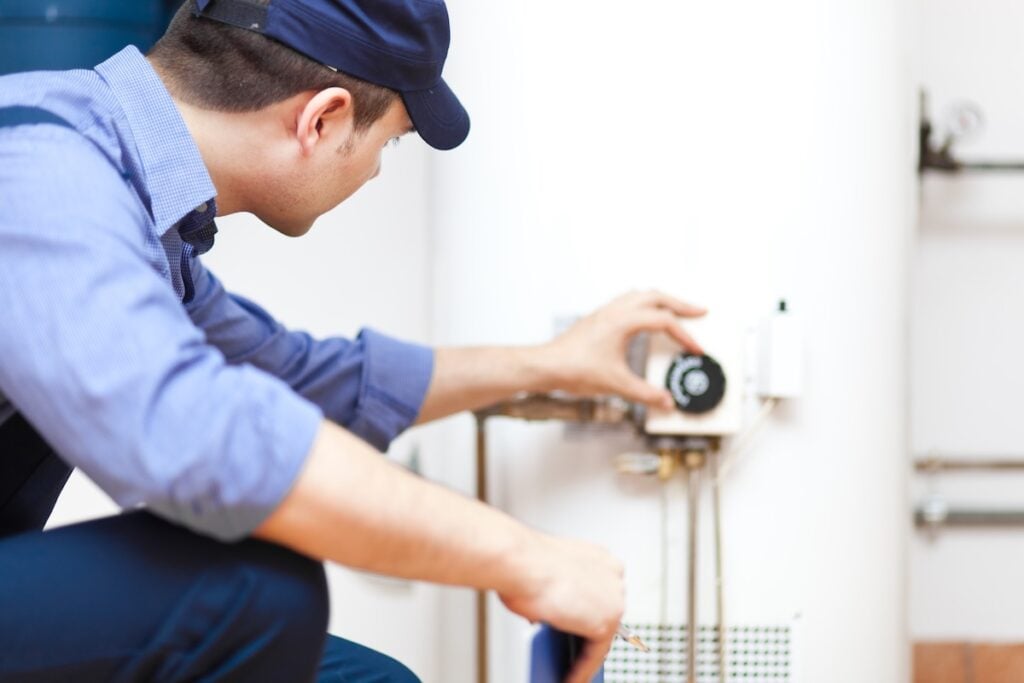
Annual service is recommended, including a descaling flush to remove mineral buildup, an ignition system inspection, a check of all connections and valves, and a review of stored error codes. In areas with harder water, more frequent flushing helps protect energy efficiency and prevent buildup that can restrict flow.
How Long Does a Typical Tankless Water Heater Repair Take?
Most single-component repairs, such as replacing a flow sensor, igniter, or gas valve, can be completed in a few hours during a single visit. More involved repairs involving the heat exchanger or venting system may take longer. Eastergard HVAC will give you a clear timeline before any repairs begin.
Is It Safe to Keep Using My Tankless Water Heater If I See an Error Code?
It depends on the code. Some allow the unit to keep running at reduced performance, while others related to venting, overheating, or gas supply should prompt you to shut the system down and call a professional. When in doubt, treat an active error code as a reason to call rather than reset.
What Is the Cost of Tankless Water Heater Repair?
Repair costs vary based on the component involved and labor required. Minor repairs like sensor replacements can run a few hundred dollars, while more significant repairs involving the heat exchanger or gas valve run higher. Eastergard HVAC provides clear, upfront quotes before any work begins so there are no surprises.
Trust Eastergard HVAC for Tankless Water Heater Repair in the Upstate
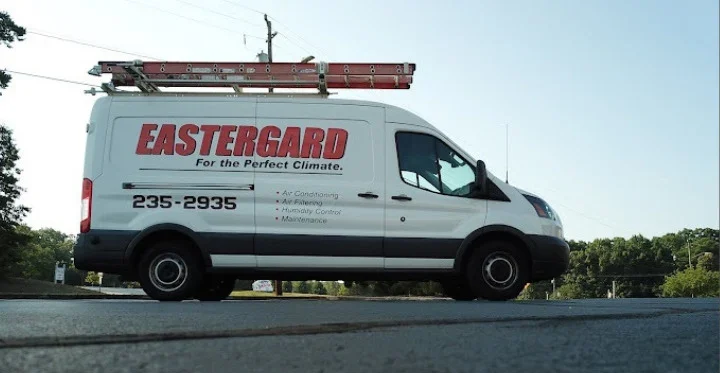
When your tankless heater starts showing any of the warning signs covered in this guide, the best move is to call a technician who knows these systems well and will give you an honest assessment of what is actually needed. Eastergard HVAC has been serving the Greenville area since 1989, and our team handles tankless water heater repair with the same care and transparency we bring to every job.
Whether you need a descaling service, a component replacement, or a full evaluation to decide between repair and a new tankless water heater installation, we are here to help. Contact Eastergard HVAC today to schedule your visit. Call or text us at 864-235-2935 or send us an email, and we will get your endless hot water flowing reliably again.