New AC Installation: 9 Cost Factors That Affect Your Final Price
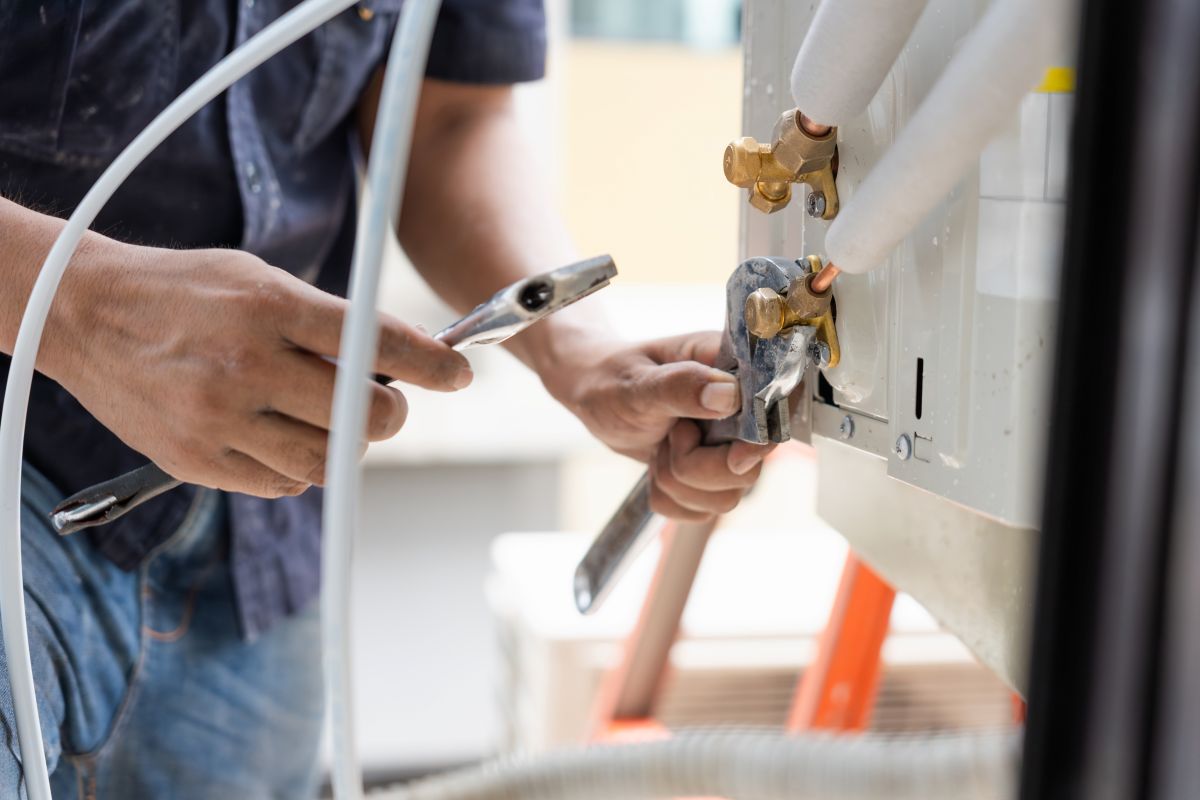
New ac installation is one of the most important investments you can make in your home’s comfort and energy efficiency. Whether you are replacing an aging AC unit or upgrading an existing ac system, several additional factors influence the total project cost beyond just the equipment itself.
Before budgeting for your upgrade, keep these considerations in mind:
- System size requirements: Larger homes require higher-capacity units.
- Efficiency ratings: Higher SEER systems typically cost more upfront.
- Ductwork condition: Repairs or modifications increase overall cost.
- Installation complexity: Layout and accessibility affect labor time.
Understanding what affects pricing helps you make informed decisions and avoid surprises.
Why AC Installation Costs Can Vary So Much
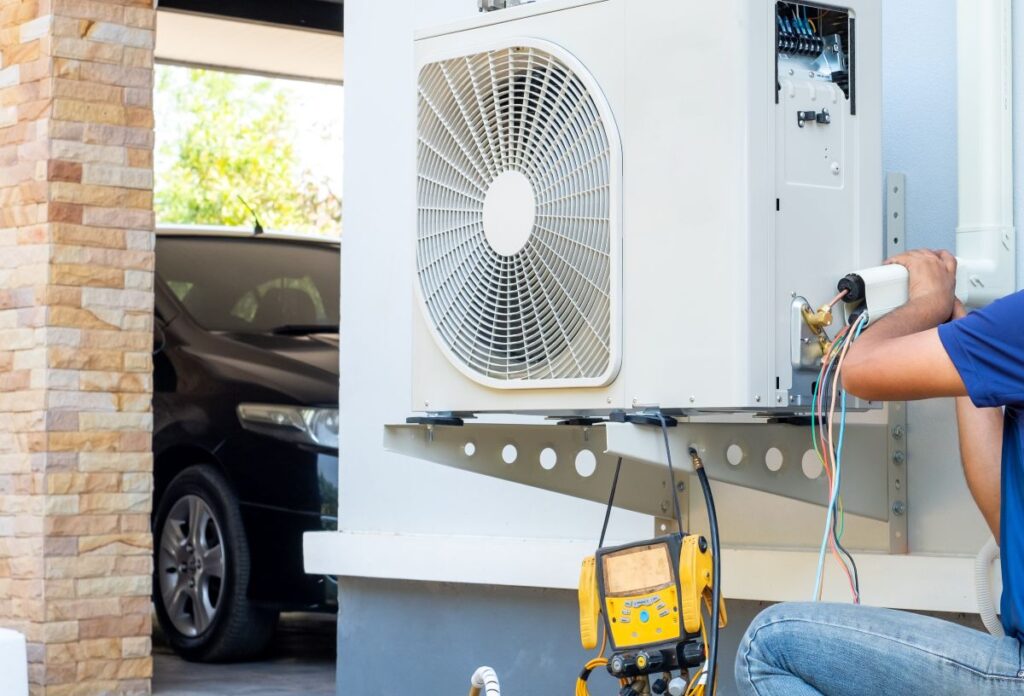
Air conditioning installation is not a one-size-fits-all service. Every home has unique structural features, insulation levels, airflow needs, and electrical configurations that influence the scope of work. Two homes of similar size can have very different installation costs depending on these variables, especially if an existing ac system must be removed or modified.
9 Cost Factors That Affect Your Final Price
Several components contribute to the total cost of new ac installation. Below are the most significant variables homeowners should understand before committing to a project.
1. System Size and Cooling Capacity
The size of the air conditioning system is determined by a load calculation, not just square footage. Installing the wrong size ac unit can reduce efficiency and shorten lifespan.
- Higher BTU requirements: Larger homes need more cooling capacity.
- Proper load calculation: Ensures accurate sizing.
- Efficiency balance: Prevents short cycling or overworking.
Bigger systems typically cost more, but oversizing can lead to long-term inefficiency and higher energy costs.
2. SEER Rating and Energy Efficiency
SEER ratings measure cooling efficiency over an entire season. Higher-efficiency systems often come with higher initial costs but may lower monthly energy costs.
- High SEER units: Increased upfront investment.
- Energy savings potential: Reduced monthly operating costs.
- Long-term value: Efficiency impacts lifetime cost.
Efficiency upgrades are often worthwhile in warmer climates like Greer.
3. Ductwork Repairs or Replacement
If ductwork connected to your existing ac system is damaged, leaking, or improperly sized, it may require repair or replacement during installation.
- Sealing leaks: Improves airflow performance.
- Replacing outdated ducts: Enhances system efficiency.
- Modifications for airflow balance: Ensures even cooling.
Duct issues can significantly increase total project cost.
4. Electrical Upgrades
Newer air conditioning systems may require updated electrical components to safely support the new ac unit.
- Dedicated circuit installation: Ensures safe power supply.
- Panel upgrades: Required for higher-capacity systems.
- Code compliance adjustments: Meets local safety standards.
Electrical modifications add to installation complexity and expense.
5. Installation Accessibility
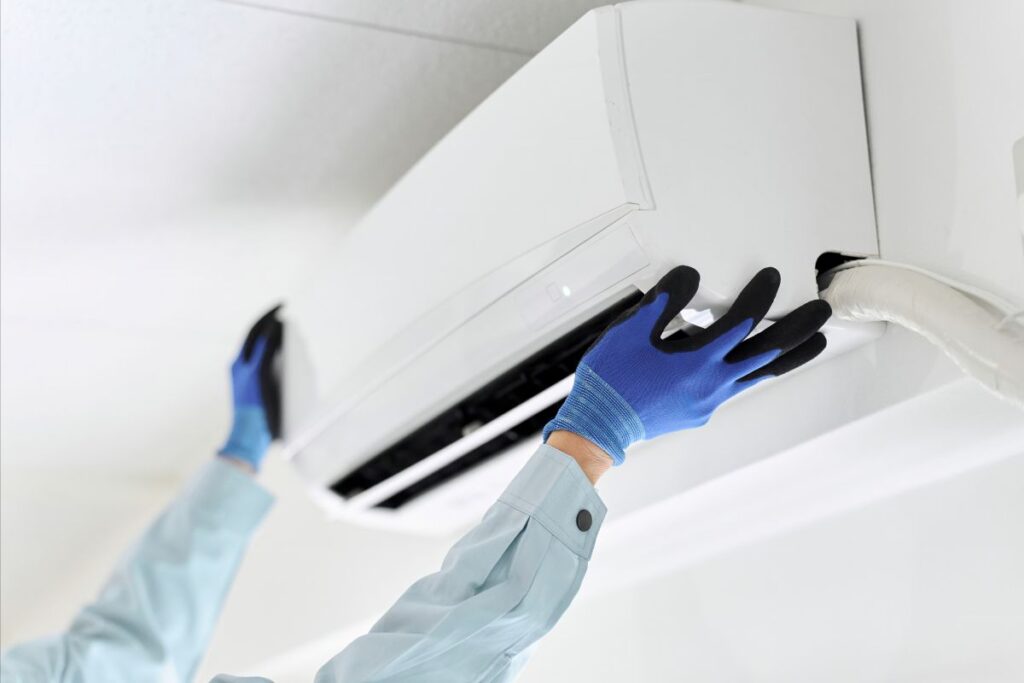
The physical location of your indoor and outdoor units affects labor time and difficulty during ac system hvac system installation.
- Attic installations: More labor-intensive.
- Crawl space access: Limited space increases difficulty.
- Tight mechanical rooms: Adds time and complexity.
Homes with easier access generally cost less to service.
6. Type of System Chosen
Different cooling systems vary in cost depending on design and functionality.
- Central air systems: Common whole-home solution.
- Heat pump systems: Provide heating and cooling.
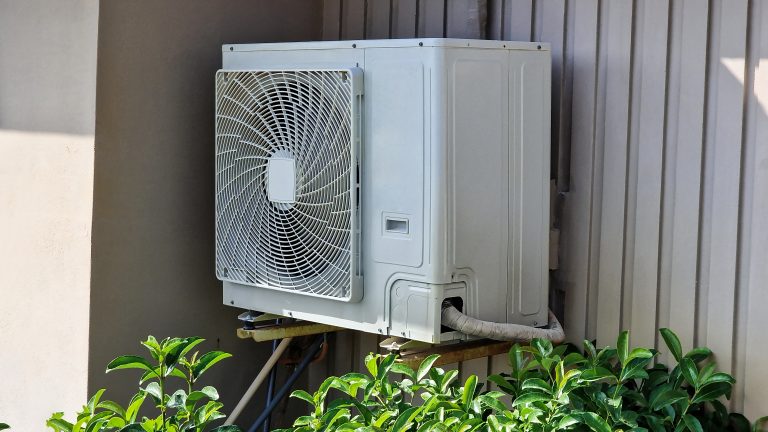
- Ductless mini split systems: Ideal for specific zones.
Each option comes with different equipment and installation costs.
7. Brand and Equipment Quality
Premium brands and advanced features can increase initial cost but may offer better durability and warranties.
- Extended warranties: Added protection.
- Advanced features: Smart thermostats or variable-speed technology.
- Reputation for reliability: Impacts long-term maintenance costs.
Equipment selection influences both price and performance.
8. Removal of Old Equipment
Removing and disposing of an old air conditioning unit involves labor and potential environmental handling fees, especially when replacing an existing ac system.
- Safe refrigerant recovery: Required by law.
- Equipment disposal: May involve additional charges.
- Site preparation: Clears space for new system.
This step is often included but still contributes to total cost.
9. Permits and Local Code Requirements
Most AC installations require permits and inspections to ensure safety and compliance.
- Permit fees: Vary by municipality.
- Inspection requirements: Confirm proper installation.
- Code updates: May require modifications.
Compliance ensures safe and legally approved installation.
We’re proud to serve home and business owners in Greer, SC, and nearby communities with professional AC installation services.
Estimated Cost Breakdown Overview
While exact pricing varies, the table below outlines typical cost categories that contribute to your final investment.
| Cost Component | Impact on Final Price |
| Equipment Cost | Largest portion of total |
| Labor | Depends on complexity |
| Ductwork Modifications | Moderate to high impact |
| Electrical Upgrades | Variable |
| Permit Fees | Minor but necessary |
| Old Unit Removal | Moderate |
A professional in-home evaluation provides the most accurate estimate for your new ac unit installation.
What to Expect During the AC Installation Process
The installation process for a new air conditioning system typically involves several key steps, including site evaluation, old system removal, new system installation, and testing and startup. Knowing what happens during installation can help you feel prepared and confident in the investment you are making.
- Home evaluation and system sizing: A technician performs a load calculation, inspects ductwork and electrical components, and confirms the correct system capacity.
- Removal and preparation: The old equipment from your existing ac system is safely removed, and the installation area is prepared for the new components.
- Equipment installation and connections: The new condenser and indoor components are positioned, refrigerant lines and electrical wiring are connected, and all components are secured.
- Testing and final walkthrough: The system is charged, calibrated, and tested to verify airflow, temperature performance, and thermostat accuracy before reviewing operation with the homeowner.
Hiring a professional for HVAC installation is crucial for ensuring safety, efficiency, and proper installation, as they are trained to handle all types of systems and ensure compliance with local building codes.
Common FAQs About New AC Installation
Homeowners often have questions before replacing their cooling system.
How long does new AC installation take?
Most standard installations can be completed in one day. More complex projects involving duct or electrical upgrades may take longer.
Is financing available for AC installation?
Many HVAC companies offer financing options to help spread out costs. Terms vary depending on credit approval and lender programs.
How do I know if I need a full replacement?
Frequent repairs, rising energy costs, and inconsistent cooling often indicate it may be time to replace your system rather than repair it.
Will a new AC lower my energy bills?
High-efficiency systems can reduce operating expenses, especially when replacing units that are more than 10 to 15 years old.
Do I need to replace my ductwork too?
Not always. A professional inspection determines whether existing ductwork can support the new system efficiently.
Invest in Comfort With Eastergard HVAC, Inc.
At Eastergard HVAC, Inc., we understand that new ac installation is a significant investment. Our experienced team carefully evaluates your home, explains cost factors clearly, and ensures proper sizing and installation for long-term performance.
If you are considering upgrading your cooling system in Greer, contact Eastergard HVAC, Inc. today to schedule a professional consultation and receive a detailed estimate tailored to your home’s needs.
Recent Articles POSTS