How Long Does Furnace Installation Take? 5 Factors That Can Affect the Timeline
If you are planning a furnace installation or replacement and wondering how much of your day to set aside, you are asking the right question. How long does furnace installation take is something every homeowner deserves a straight answer to before scheduling, and the honest answer is that it depends. Most standard installations wrap up in a single day, but several variables can extend that timeline in ways that are easy to anticipate if you know what to look for. This guide walks you through what happens during a typical installation and the five factors most likely to affect how long yours takes.
Here is what we will cover:
- What a standard furnace installation includes: The full scope of work from removal to testing.
- The typical timeline: What most homeowners can realistically expect on installation day.
- 5 factors that affect the timeline: What can add time and why it matters.
- How to prepare: Simple steps that help your installation go as smoothly as possible.
- What Eastergard HVAC does differently: How our process keeps things clear and on schedule.
What Happens During a Furnace Installation

Before looking at what affects the timeline, it helps to understand what a complete furnace installation actually involves. This is not simply swapping one box for another. A thorough installation covers removal of the old unit, proper disposal, physical installation of the new furnace, connection of gas lines and venting, electrical hookups, thermostat verification, and a full system test before the technician leaves. The U.S. Department of Energy notes that installation problems like oversizing, poorly designed distribution systems, and leaky ducts result in efficiency losses, occupant discomfort, and shortened equipment life, which is why a proper installation covers far more than just placing the equipment.
On a straightforward replacement in a home with existing ductwork and compatible infrastructure, a two-person crew can typically complete the full process in four to eight hours. That is a realistic window for a single day installation, which is why most reputable HVAC contractors, including Eastergard HVAC, tell homeowners to plan for a full day even when the job is expected to go smoothly.
Typical Furnace Installation Timeline
Understanding the general flow of a standard installation day helps set realistic expectations before the crew arrives.
| Phase | Typical Time |
| System assessment and prep | 30 to 60 minutes |
| Old furnace removal and disposal | 30 to 90 minutes |
| New furnace placement and mounting | 60 to 120 minutes |
| Gas line, venting, and electrical connections | 60 to 120 minutes |
| Thermostat setup and system testing | 30 to 60 minutes |
| Total (standard replacement) | 4 to 8 hours |
These are estimates for a standard replacement in a home with existing compatible infrastructure. Any of the five factors below can shift these numbers.
5 Factors That Can Affect Your Furnace Installation Timeline
Most delays and extended timelines are predictable once you know what to look for. A good contractor will identify these during the pre-installation assessment and build them into the schedule before the crew arrives.
1. Whether It Is a Replacement or a First-Time Installation
Replacing an existing furnace is almost always faster than installing one in a home that has never had a forced-air heating system. A replacement benefits from existing infrastructure: gas lines are already in place, venting is already routed, electrical connections are established, and ductwork is ready to connect. A first-time installation requires building all of that from scratch, which can easily add several hours or turn a single-day job into a two-day project.
- Standard replacement: Existing infrastructure in good condition means the crew focuses almost entirely on the equipment itself.
- First-time installation: Requires running new gas lines, designing and installing ductwork, routing new venting, and establishing all electrical connections before the furnace itself is even installed.
- Switching fuel types: Homeowners switching from electric to gas heating require a new gas line installation, which adds significant time and may require coordination with the gas utility.
2. The Condition of Existing Ductwork
Your ductwork is the delivery system for the heat your new furnace produces, and its condition directly affects both the timeline and the quality of the installation. A technician who discovers significant duct issues during installation has two choices: note the issues and complete the installation as scoped, or address the ductwork as part of the same project. Either way, duct problems add complexity and potentially time to the job.
- Minor leaks and gaps: Can often be sealed during the installation visit at minimal additional time cost.
- Significant duct damage or undersizing: May require a separate ductwork service appointment or extend the installation significantly depending on scope.
- Homes with no existing ductwork: Require a full duct installation alongside the furnace, turning a single-day job into a multi-day project.
3. Furnace Type and System Complexity
Not all furnaces are created equal in terms of installation complexity. A single-stage gas furnace replacing an identical unit in the same location is about as straightforward as furnace installations get. A variable-speed two-stage model, a high-efficiency condensing furnace requiring PVC venting, or a system being installed in conjunction with an air handler or heat pump adds layers of setup, calibration, and testing that take additional time to complete correctly. We are proud to serve home and business owners in Greer, SC, and nearby communities with furnace installation, heating services, and more.
- Single-stage furnaces: Simpler installation with fewer calibration requirements, typically at the lower end of the time range.
- Two-stage and variable-speed models: Require additional setup and system commissioning to verify that the staging and speed controls are operating correctly.
- High-efficiency condensing furnaces: Require PVC venting routed to an exterior wall rather than through a traditional flue, which adds time particularly in homes where the routing path is complicated.
4. Accessibility and Installation Location
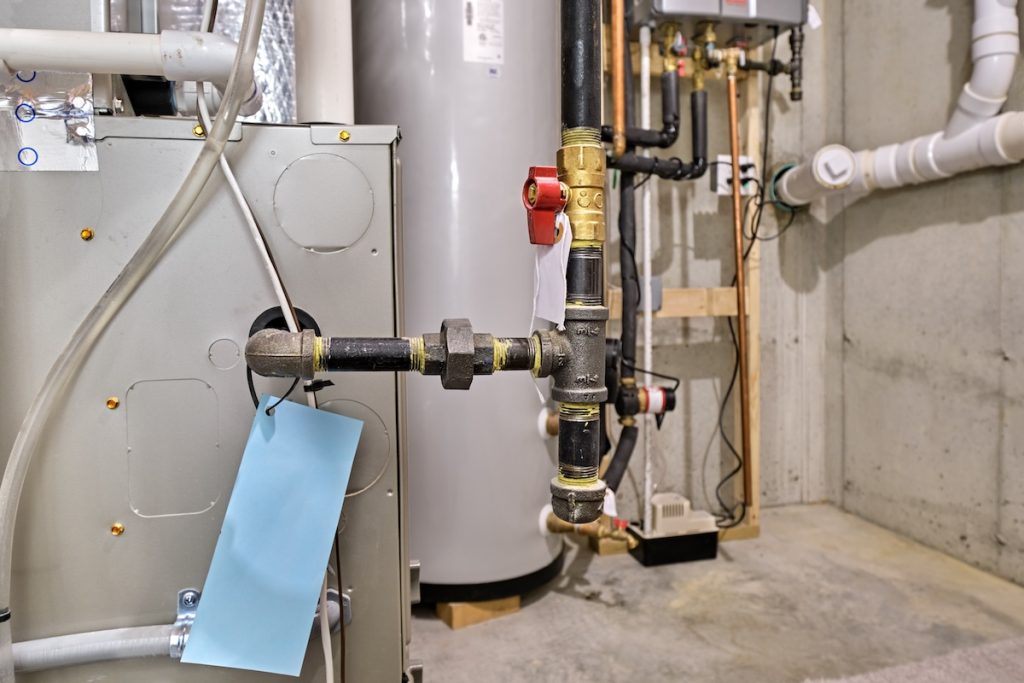
Where the furnace is physically located in your home affects how quickly technicians can work. A furnace installed in an open basement with clear access on all sides is a very different job from one tucked into a crawl space, a tight utility closet, or an attic with limited clearance. Tight spaces slow every phase of the installation, from removing the old unit to positioning the new one and making connections.
- Open basement or utility room: The most installation-friendly configuration, with easy access for equipment, tools, and the technicians themselves.
- Crawl space installations: Require more physical effort and careful maneuvering, which extends every phase of the process.
- Attic or closet installations: May require additional equipment or support to safely move heavy furnace components into position, and tight clearances make electrical and venting work more time-consuming.
5. Permit and Inspection Requirements
Every furnace installation in South Carolina requires a permit, and the inspection that follows confirms the installation meets current safety and building codes. The permitting process itself does not typically delay the installation day, since a reputable contractor pulls the permit in advance. However, if a required inspection is scheduled separately from the installation date, there may be a follow-up visit needed before the installation is fully closed out. In some jurisdictions, the inspector is available same-day, while in others scheduling can take a day or two.
- Permit pulled in advance: A professional contractor handles permitting before installation day so there is no day-of delay waiting for paperwork.
- Same-day inspection: In some municipalities, an inspector can be scheduled for the same day as the installation, allowing full close-out in a single visit.
- Follow-up inspection: In other jurisdictions, the inspection is scheduled separately, which means a brief follow-up visit before the job is officially complete.
How to Prepare for Your Furnace Installation Day
A little preparation on the homeowner’s side can make installation day run noticeably smoother and help keep the project on schedule.
- Clear a path to the furnace: Remove any stored items, furniture, or obstacles that would block access to the furnace location and the areas technicians need to move through.
- Ensure easy access to the electrical panel: Technicians may need to access the breaker box during the installation, so clear any obstructions in front of it.
- Plan for the system to be offline: Your heating system will be down for most of installation day. On cold days, plan for the home to be without heat for several hours and dress accordingly.
- Be available for questions: Technicians may have questions about thermostat preferences, existing system behavior, or areas of the home that were experiencing comfort issues. Being reachable helps the crew make informed decisions without waiting.
- Confirm permit status in advance: Ask your contractor to confirm the permit has been pulled before installation day so there are no delays related to documentation.
Frequently Asked Questions About Furnace Installation Timelines
Most homeowners have not been through a furnace installation before and are not sure what to expect. Here are the questions we hear most often from homeowners across the Upstate.
Can a furnace installation really be done in one day?
Yes, in the majority of cases. A standard furnace replacement in a home with existing compatible ductwork, gas lines, and venting can be completed in four to eight hours by an experienced two-person crew. More complex jobs involving ductwork, venting modifications, or first-time installations may extend to a second day, and your contractor should be upfront about that before the project begins.
Will I need to be home the entire time?
It is a good idea to be home at the start and end of the installation. At the start, the crew will walk through the scope of work and may have questions about the existing system. At the end, they will test the system and walk you through operation and any thermostat settings. You do not need to be present every moment in between, but being reachable by phone is helpful in case questions come up mid-installation.
What if the technicians discover a problem during installation?
A reputable contractor will stop, show you what they found, explain the options, and give you a clear picture of what addressing it would cost and add to the timeline before doing any additional work. At Eastergard HVAC, no additional scope is added without your explicit approval.
How far in advance should I schedule a furnace installation?
During peak season, which is late fall and early winter when heating demand spikes, scheduling two to four weeks in advance is a reasonable expectation. During spring and summer, scheduling windows are typically shorter. If your furnace has failed unexpectedly, most HVAC contractors including Eastergard prioritize emergency situations and can often accommodate urgent installs faster than the standard lead time.
Does Eastergard HVAC offer same-day or next-day installations?
In many cases, yes. Our team works to accommodate urgent situations as quickly as possible, and we carry equipment inventory that allows us to move quickly when a homeowner’s heating system has failed. Contact us directly and we will give you an honest answer about availability based on current demand.
Eastergard HVAC: Furnace Installation Done Right and On Schedule
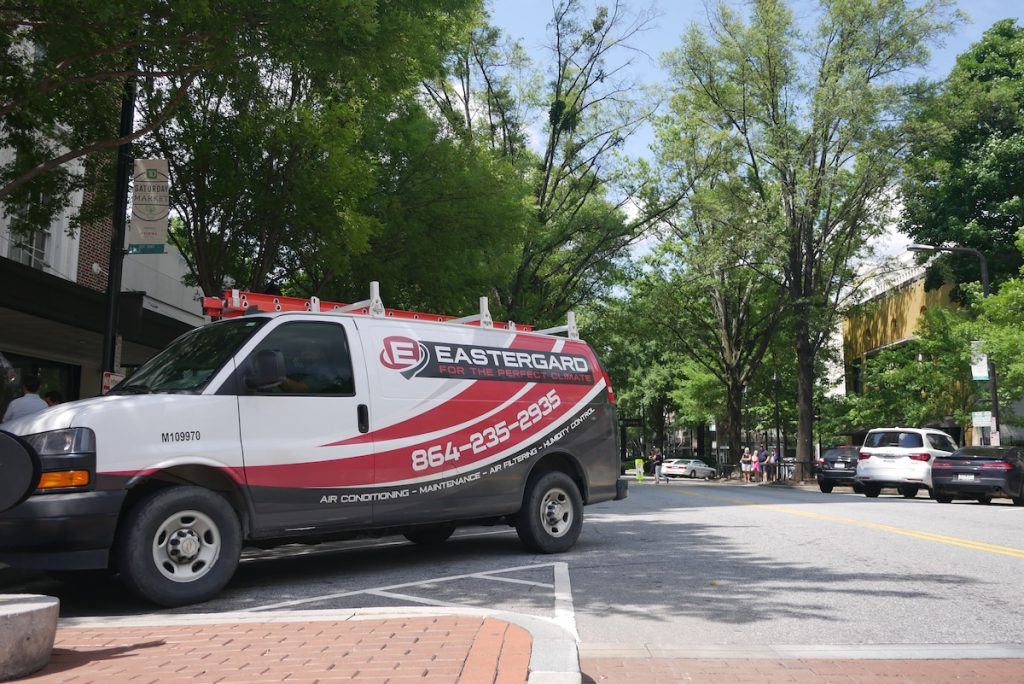
A furnace installation should not be a stressful day. When you work with a team that communicates clearly, shows up prepared, and handles every detail from permitting to final testing, the process is straightforward and the results speak for themselves. Eastergard HVAC has been serving the Greenville area since 1989, and our licensed technicians complete every installation with the care, precision, and transparency that comes from more than three decades of experience.
Contact Eastergard HVAC today to schedule your free furnace installation quote. Call or text us at 864-235-2935 or send us an email, and we will give you a clear timeline, honest pricing, and a team you can count on from start to finish.
Recent Articles POSTS