Furnace Repair Cost: 8 Common Repairs & What They Run
When your furnace stops working, the first question is usually the same: how much is this going to cost? The answer depends on what failed, how old the system is, and who you call to fix it. Understanding typical furnace repair cost ranges before you get a quote puts you in a much better position to evaluate what you are being told and make a smart decision. If your furnace is giving you trouble, Eastergard’s heating repair team can diagnose the issue, as well as provide honest and upfront estimates to repair your furnace.
Here is what this guide covers:
- How average furnace repair cost is structured
- The 8 most common repairs and what each one typically costs
- What factors influence furnace repair costs
- When repair makes sense versus a new furnace
- How to avoid paying more than you should
How Furnace Repair Pricing Works
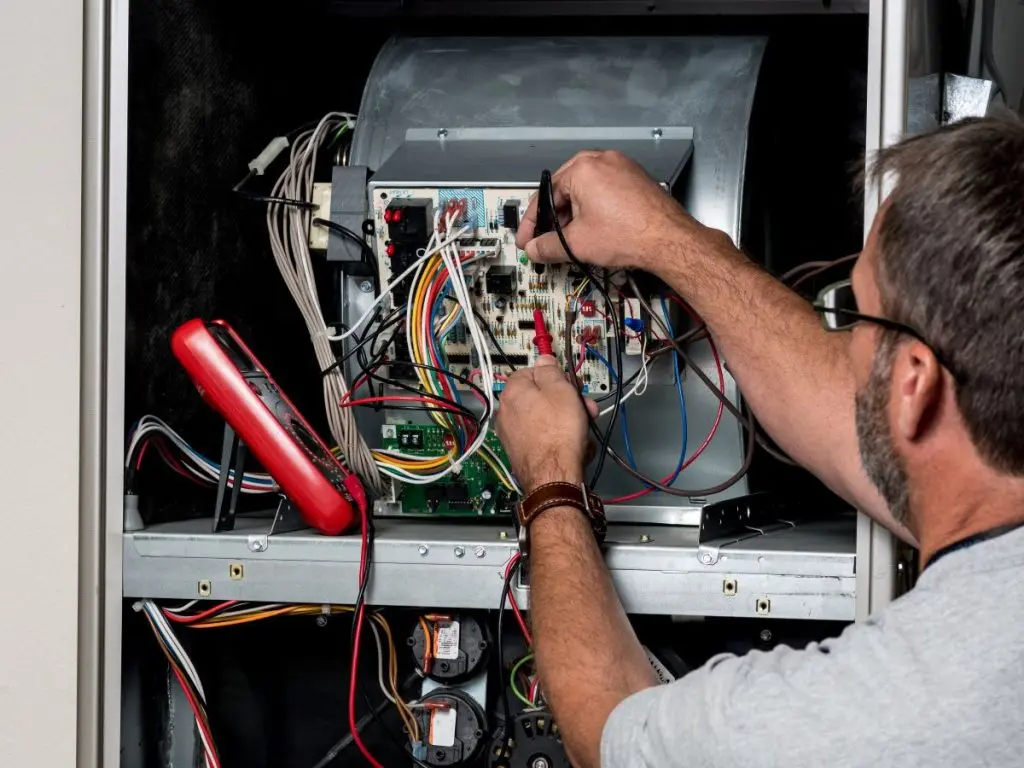
Before looking at individual repairs, it helps to understand how your total bill is calculated. Most HVAC companies charge a diagnostic or service call fee to identify the problem, which typically runs between $75 and $150.
According to national data compiled across 2026, the average furnace repair cost lands between $150 and $600 for most homeowners, with a typical repair running around $300 to $350. Major repairs involving larger components can run significantly higher, while minor fixes like sensors or capacitors tend to land on the lower end. Repair pricing is typically calculated either at an hourly rate or as a flat rate per task. Parts vary widely depending on the component, whether original manufacturer parts or aftermarket equivalents are used, and market conditions at the time of the repair.
After-hours and emergency service calls typically add cost beyond normal business hours, and repair timing depends on the availability of the part.
8 Common Furnace Repairs and What They Cost
These are the repairs that come up most often when a furnace stops heating properly, makes unusual sounds, or fails to start.
1. Igniter Replacement
The hot surface igniter is one of the most frequently replaced components in a gas furnace. It is responsible for lighting the burners each time the system calls for heat, and it tends to fail after several years of use simply from the repeated heating and cooling cycles it endures. Igniter replacement is a relatively straightforward repair for a qualified technician.
- Typical cost: $250 to $450
- What drives the price: Part cost, labor costs, and whether the technician is already on site for diagnosis
- Signs it has failed: Furnace does not ignite, no heat, clicking but no flame
2. Flame Sensor Cleaning or Replacement
The flame sensor monitors whether the burners have ignited. When it gets coated with residue over time, it can no longer confirm that a flame is present, causing the furnace to shut off as a safety measure. In many cases, the sensor only needs to be cleaned rather than replaced, which keeps the cost on the lower end.
- Typical cost: Cleaning is $125 to $225; replacement is $225 to $450
- What drives the price: Whether cleaning resolves the issue or a replacement part is needed
- Signs it has failed: Furnace starts briefly, then shuts off repeatedly
3. Blower Motor Repair or Replacement
The blower motor is responsible for pushing conditioned air, in both heating and cooling modes, through your ductwork and into your living spaces. When it fails or begins to wear, you may notice weak airflow, unusual sounds, or the furnace running without reaching the intended set point. A blower motor replacement investment can vary due to the type of blower motor and the difficulty of the repair, which is one of the more significant average furnace repair costs on this list.
- Typical cost: $600 to $2000
- What drives the price: Motor size, system type, and labor costs
- Signs it has failed: Weak or no airflow, humming or grinding sounds, system overheating
4. Draft Inducer Motor Replacement
The draft inducer motor pulls combustion gases through the heat exchanger and vents them out of the home before the main blower turns on. When a motor fails, most modern furnaces will lock out entirely as a safety precaution. While a draft inducer motor replacement is a less commonly replaced part, the average quote is higher than simpler components.
- Typical cost: $300 to $600
- What drives the price: Part cost and availability, labor costs
- Signs it has failed: Furnace does not start, error codes on the control board, unusual noise before startup
5. Control Board Replacement
The control board is the brain of your furnace, managing the sequence of operations from startup to shutdown. When it fails, the system may behave erratically, not start at all, or display error codes. Control boards vary in cost depending on the furnace brand and model, and they represent one of the more involved major repairs in terms of diagnosis time.
- Typical cost: $300 to $1,000
- What drives the price: Board compatibility, part availability, and labor costs
- Signs it has failed: Erratic behavior, system not responding, error codes with no obvious mechanical cause
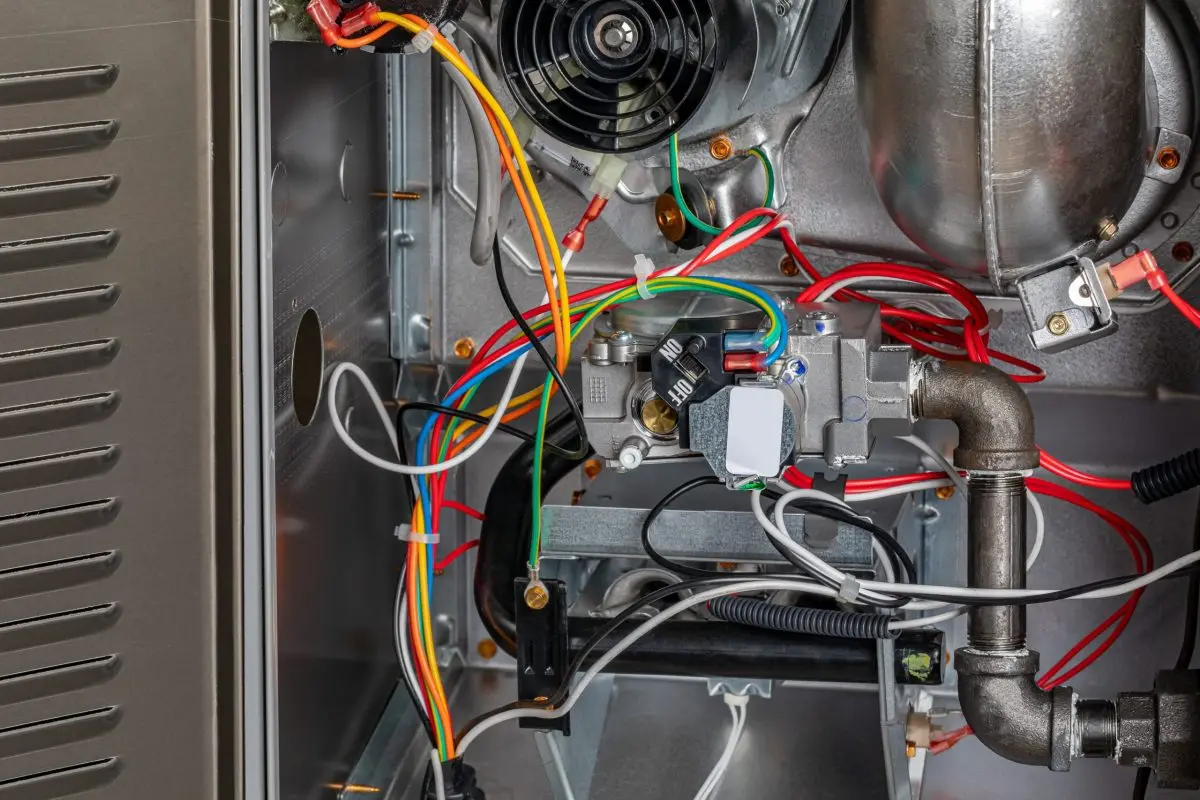
6. Gas Valve Replacement
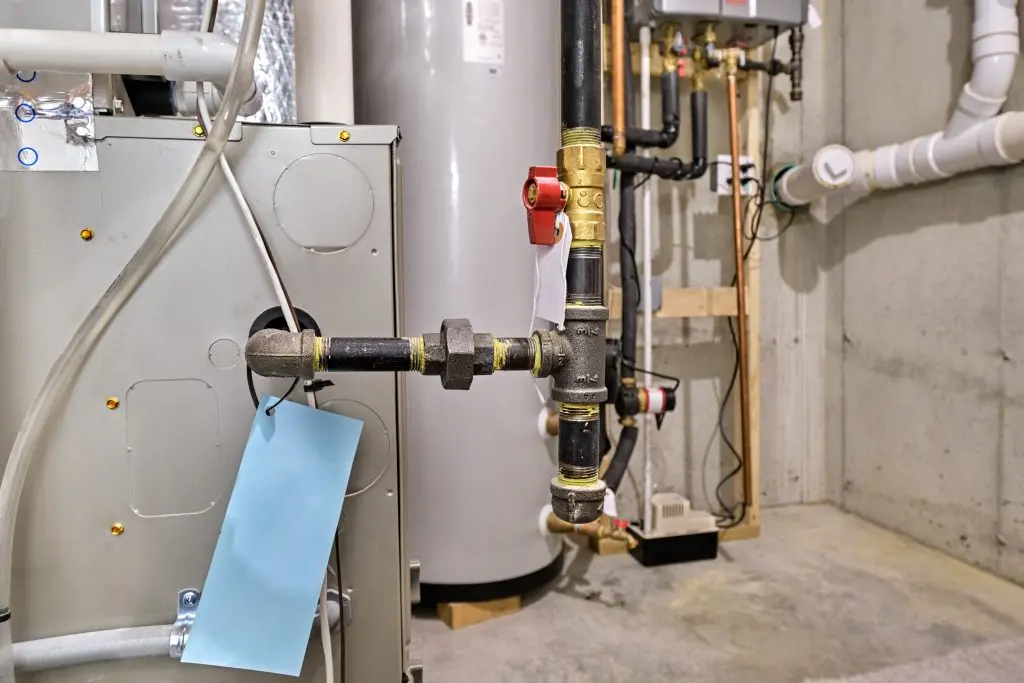
The gas valve controls the flow of fuel to the burners. When it fails, the furnace will not produce heat even if every other component is functioning correctly. Gas valve work should always be performed by a licensed technician and is not a repair to shop around for on price alone.
- Typical cost: $300 to $800
- What drives the price: Valve type, part cost, and labor costs
- Signs it has failed: Burners do not ignite despite a working igniter and functioning flame sensor
7. Capacitor Replacement
Capacitors assist in starting your compressor and motors, and keep your motors running while active. They are relatively inexpensive parts, but when they fail, they can take a blower motor, inducer condenser motor, or compressor down with them. Capacitor replacement is one of the more affordable repairs and rarely qualifies as one of the major repairs homeowners dread.
- Typical cost: $250 to $425
- What drives the price: Part cost and service call fee
- Signs it has failed: Motor hums but does not start, intermittent operation, system not starting
8. Heat Exchanger Replacement
Heat exchanger replacement is among the most serious and most expensive repairs a furnace can require. The heat exchanger separates the combustion process from the air circulated through your home. A cracked heat exchanger allows carbon monoxide to enter the home, which can lead to severe illness, including death. According to ENERGY STAR, certified high-efficiency gas furnaces in the southern U.S. can save an average of $60 per year in energy costs compared to standard models, which means heat exchanger replacement on an aging, inefficient furnace often makes less financial sense than investing in a new system altogether.
- Typical cost: $1,500 and above
- What drives the price: Furnace age, part cost, labor costs, and overall condition of the furnace
- Signs it has failed: Unusual smells, visible cracks or corrosion, carbon monoxide detector alerts, flame flickering during blower operation
What Factors Influence Furnace Repair Costs
There are several key factors that influence the repair cost of your furnace. Understanding these factors help provide you with the clarity needed to evaluate the quote, and helps ease the process of choosing repair versus replacement.
- System age: Older systems may require harder-to-find parts, which can drive up both cost and lead time on most furnace repairs.
- Gas vs. electric: Gas furnace repairs tend to involve more components and safety considerations, often running higher than electric furnace repairs.
- Emergency vs. scheduled service: After-hours, weekend, or holiday service typically adds a premium to labor costs beyond the standard rate.
- Maintenance history: Systems that have been regularly maintained tend to have lower average furnace repair costs overall because problems are caught before they escalate into major repairs.
- Warranty status: Parts warranties from the manufacturer may cover the component cost but not labor costs. Knowing your warranty status before calling can save money.
When to Repair and When to Replace
Not every furnace repair is worth repairing. As a general guideline, if the cost of a repair exceeds roughly half the value of a new furnace and the system is already 15 or more years old, replacement often becomes the more financially sound decision. Heat exchanger replacement on a 20-year-old furnace is a prime example where a new furnace may be the smarter long-term investment.
If your system is under 10 years old and has been reasonably maintained, most repairs make sense. If it is approaching or past 15 years, it is worth having an honest conversation with your technician about the full picture — average furnace repair cost, remaining lifespan, and efficiency compared to a new furnace.
Frequently Asked Questions About Furnace Repair Cost
These are the questions homeowners ask most often when they are facing a furnace repair and trying to make sense of the costs involved. A good technician should be able to walk you through all of these before any work begins.
Is there a service fee just to diagnose the problem?
Yes, most HVAC companies charge a diagnostic or service call fee to identify the issue. At Eastergard, our diagnostic fee is $95 during normal business hours, and $185 for after hours. If you are a member of the Eastergard maintenance plan, this fee will vary based on the level of plan.
Can I negotiate furnace repair prices?
Eastergard provides the best quote for the work being performed based on an industry average time and part pricing. A great way to save on repairs is to be a maintenance member. Not only will you receive a discount, but you will also receive priority service.
How can I avoid expensive furnace repairs?
Annual professional maintenance is the most reliable way to catch developing problems before they become costly failures. A technician who inspects the system each year can identify worn components, clean critical parts, and flag anything trending toward failure — usually at a fraction of what most furnace repairs cost after a breakdown.
Does Eastergard offer furnace repair services?
Yes. Eastergard HVAC services furnaces from any manufacturer and handles repairs across the Greenville area. Ask about our maintenance membership to stay ahead of issues and reduce average furnace repair costs over time.
Eastergard HVAC: Honest Answers on Furnace Repair in Greenville
A furnace repair does not have to be a guessing game. At Eastergard HVAC, we have been diagnosing and repairing heating systems across the Greenville area since 1989 as a locally owned, family-operated company. Our licensed and insured technicians give you a clear picture of what is wrong, what it will cost, and whether repair or a new furnace makes more sense for your situation. We are proud to serve homeowners in Greenville, SC, and nearby communities including Greer, Taylors, Simpsonville, Mauldin, and Travelers Rest with heating repair and more. Contact our team to schedule a visit and get a straight answer before any work begins.
Recent Articles POSTS