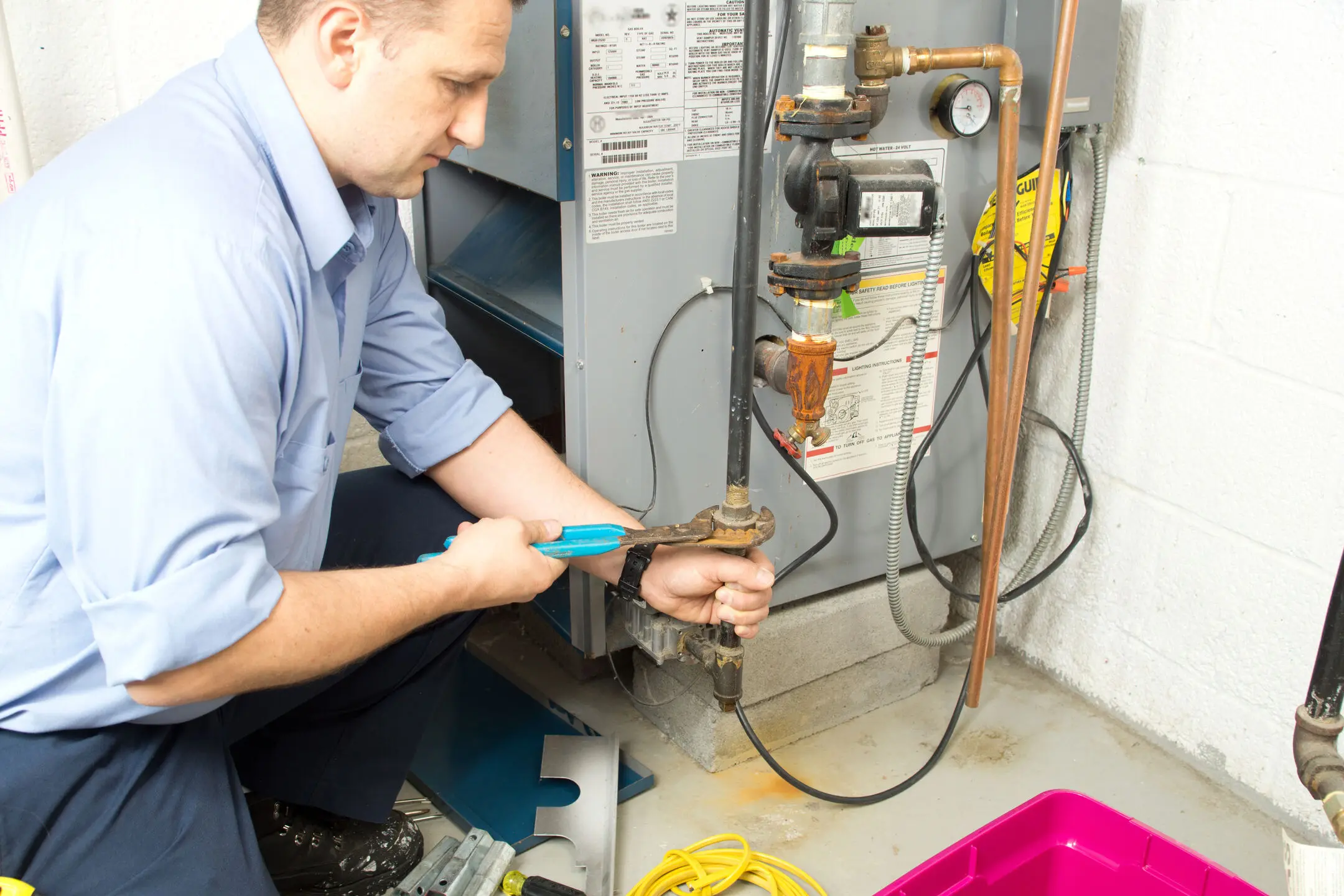
Furnace Leaking Water? 7 Common Causes & What to Do
Finding a puddle next to your furnace is unsettling, especially since a furnace is supposed to deal in heat, not water. Furnace leaking water is one of the more common calls we get from Upstate homeowners once the heating season starts, and the cause ranges from a simple clogged drain line to a problem that needs attention right away. If you need help tracking down the source, Eastergard’s heating repair team can diagnose the leak and give you honest, upfront options.
Here is what we will cover:
- Why a furnace can leak water: Which furnaces produce water and which shouldn’t.
- What to do right away: Steps to limit water damage before a technician arrives.
- 7 common causes: From clogged condensate lines to venting and heat exchanger problems.
- How urgent each leak is: Which ones can wait a day and which need a call now.
- How to prevent future leaks: The maintenance habits that keep drains flowing.
Why a Furnace Can Leak Water in the First Place
Not every furnace should produce water, so the type of furnace you have is the first clue. High-efficiency condensing gas furnaces, whether they burn natural gas or propane, pull so much heat out of the combustion gases that the water vapor in those gases condenses into liquid. That water drains away through a condensate line, and in some homes a condensate pump.
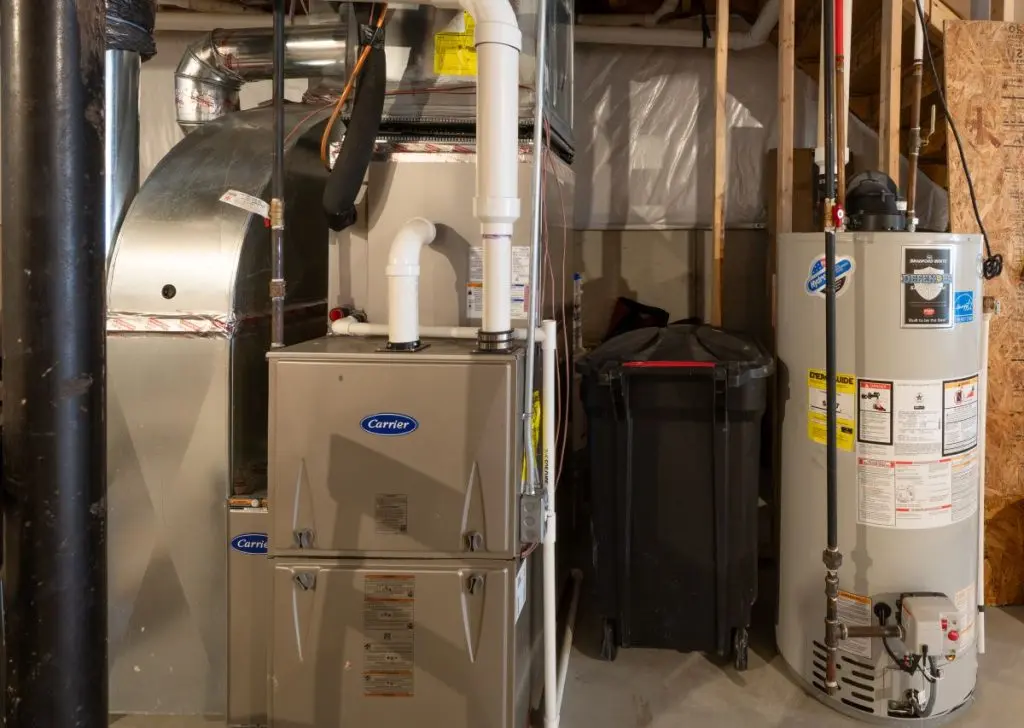
ENERGY STAR certified gas furnaces sold in South Carolina must be rated 95% AFUE or higher, which is the efficiency range where furnaces are condensing models. If your home has a newer high-efficiency furnace, it creates water every time it runs, and a leak usually means that water is not making it to the drain. Standard-efficiency furnaces around 80% AFUE send hot exhaust up a flue, so water around one of these units typically points to a venting issue, the AC coil, or a humidifier. High-efficiency furnaces at 90% AFUE and above also have a flue pipe, since some of the fuel is not burned as a heating source.
What to Do Right Away If Your Furnace Is Leaking
A little water does not mean disaster, but acting quickly keeps a small leak from turning into floor or ceiling damage. These steps take just a few minutes.
- Turn the system off at the thermostat: This stops new condensation from adding to the leak.
- Shut off power to the furnace: Use the service switch near the unit or the circuit breaker, since water and electrical components do not mix.
- Clean up standing water: Use towels or a wet vacuum, and check nearby flooring and walls. If the furnace is in the attic, check the ceilings below for stains.
- Note when the leak happens: Whether it shows up during heating, cooling, or both helps a technician narrow down the cause quickly.
7 Common Causes of a Furnace Leaking Water
These causes range from a simple clog to problems that need prompt professional attention. When the leak happens, heating season or cooling season, is often the best clue to where it is coming from.
1. Clogged Condensate Drain Line
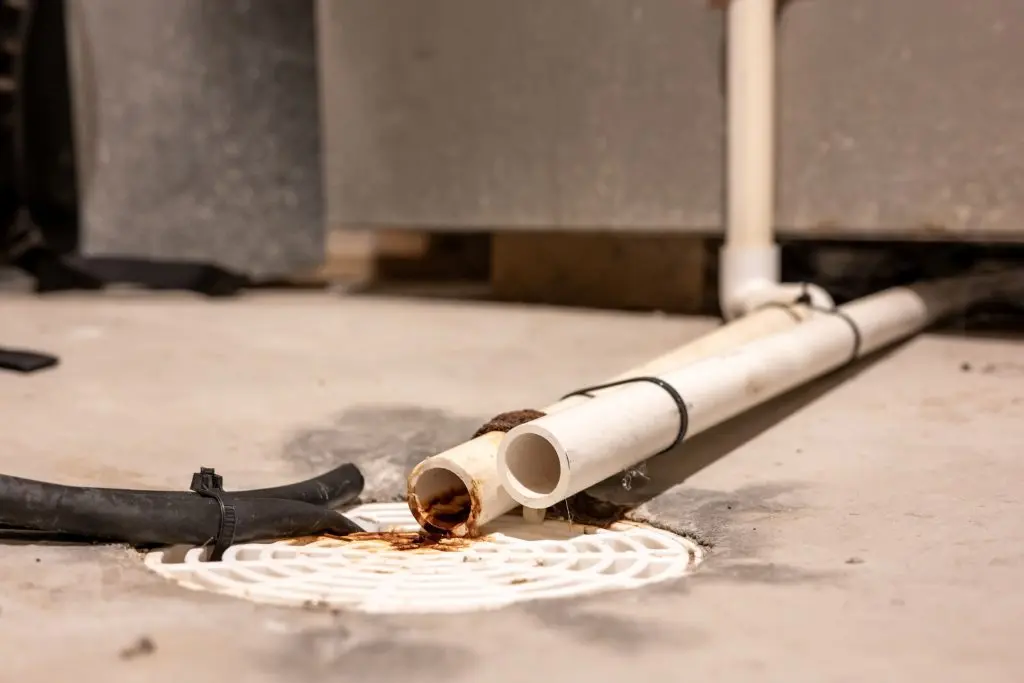
A clogged condensate line is the most common cause of a leak in a high-efficiency furnace. Algae, sludge, and debris build up inside the line or trap over time, and once the water can’t get through, it backs up and spills out of the cabinet. The Upstate’s humid climate gives organic growth in drain lines plenty of encouragement.
- Signs of a clog: Water pooling near the base of the furnace, a furnace that shuts off on its safety switch, or a gurgling sound from the drain line.
- The fix: A technician clears and flushes the line and trap, then confirms the water drains properly.
- Prevention: Clearing and treating the condensate drain is part of every Eastergard maintenance visit.
2. Cracked or Disconnected Condensate Line
Condensate lines and fittings can crack, loosen, or separate over time, especially when a section of PVC near the furnace gets bumped or the line shifts. Even a small gap lets water drip with every heating cycle.
- Signs of a damaged line: A slow, steady drip near a fitting or along the path of the drain line.
- The fix: A technician replaces the damaged section or reseats the connection and confirms the line has the correct slope to drain.
3. Failed Condensate Pump
When a furnace cannot drain by gravity, a condensate pump moves the water out of the home. If the pump’s motor, float switch, or check valve fails, the reservoir fills up and overflows onto the floor. We are proud to serve home and business owners in Piedmont, SC, and nearby communities with furnace repair, heating maintenance, and more.
- Signs of a pump problem: Water around the pump, a pump that hums but doesn’t run, or a reservoir that stays full.
- The fix: A technician tests the pump and replaces it if needed.
4. AC Evaporator Coil Drainage
In many homes, the AC evaporator coil sits directly on top of the furnace. During the cooling season, the coil pulls moisture out of the air, and that water drains through its own pan and line. When that drain clogs or the pan cracks, the water often looks like it is coming from the furnace itself. Because the furnace blower moves air in both heating and cooling modes, the furnace stays part of the picture year-round.
- Signs of a coil drain issue: The leak only shows up when the AC is running.
- The fix: A technician clears the coil drain line, replaces a cracked drain pan if needed, and confirms both drains are flowing.
5. Frozen Evaporator Coil
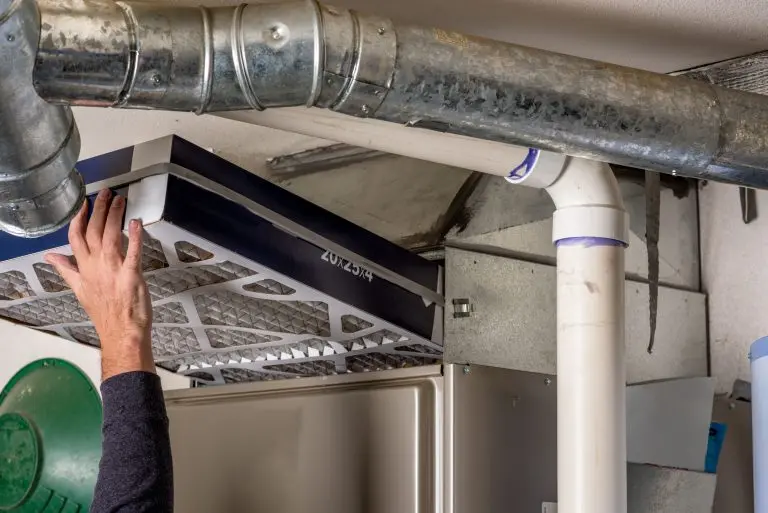
Restricted airflow from a clogged filter or low refrigerant from a leak can cause the evaporator coil to freeze during cooling season. When the ice melts, it can send more water into the drain pan than the pan can handle.
- Signs of a frozen coil: Ice on the refrigerant lines, weak airflow, warm air from the vents, and water around the furnace after the system shuts off.
- What to do: Turn cooling off, set the fan to ON to help the coil thaw, and replace the air filter.
- When to call: If the coil refreezes after the filter is replaced, a refrigerant leak is likely, and that requires an EPA-certified technician.
6. Whole-Home Humidifier Leak
A whole-home humidifier mounts on the furnace or nearby ductwork and connects to a water supply line. A stuck valve, a clogged drain, a worn water panel, or cracked tubing can send water into or around the furnace.
- Signs of a humidifier leak: The leak shows up during heating season, often with mineral deposits on the humidifier housing.
- What to do: Turn off the humidifier’s water supply until a technician can inspect it.
7. Venting Problems or a Cracked Heat Exchanger
If a high-efficiency furnace’s PVC vent isn’t sloped correctly, or a standard furnace has a flue that is the wrong size, condensation can form inside the vent and run back into the furnace. In a condensing furnace, water can also come from a problem with the secondary heat exchanger, the component that handles the acidic condensate. A cracked or compromised heat exchanger allows harmful carbon monoxide to leak into your home. An influx of carbon monoxide, or CO, can cause severe illness up to death if exposure is prolonged.
- Signs of a serious problem: Water or rust inside the cabinet, corrosion around the burners, or a carbon monoxide detector alert.
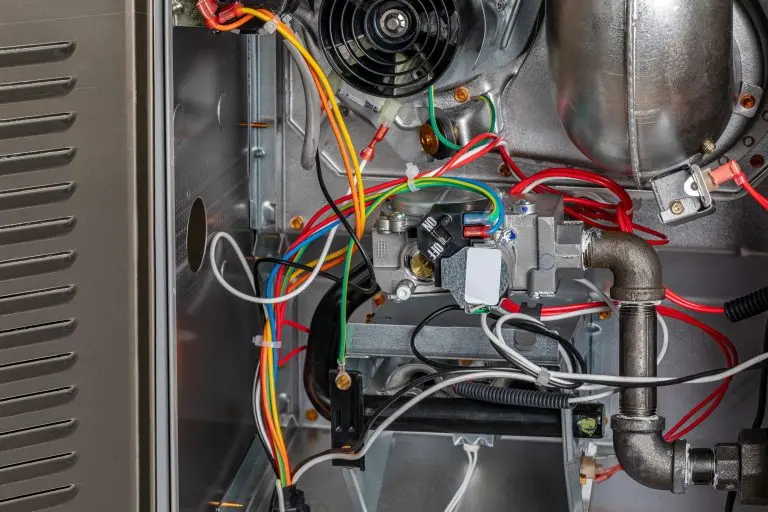
- What to do: Turn the furnace off and call a technician right away. When the entire heat exchanger cannot be evaluated, an Eastergard technician will use a borescope to ensure the entire heat exchanger has been inspected.
How Urgent Is Your Furnace Leak?
Some leaks can wait for a scheduled visit, and some cannot. Use this quick reference to decide your next step.
| Leak Source | Urgency | What to Do |
| Condensate line, fitting, or pump | Moderate | Turn the system off and schedule service soon |
| AC coil drain (cooling season) | Moderate | Turn the AC off and schedule service |
| Frozen evaporator coil | Moderate | Let it thaw, replace the filter, and call if it refreezes |
| Humidifier leak | Low to moderate | Shut off the humidifier’s water supply and schedule service |
| Venting issue or heat exchanger | High | Turn the furnace off and call right away |
What Furnace Leak Repairs Cost
Most leak repairs involve drain lines, traps, pumps, or fittings, which fall on the simpler end of furnace repairs. Eastergard’s diagnostic fee is $95 during normal business hours and $185 after hours, and members of an Eastergard maintenance plan receive a discounted rate based on their plan level.
Repairs involving the heat exchanger are a different story, starting at $1,500 and above. Not every furnace is worth repairing, and if your furnace is 15 or more years old and facing a major repair, replacement often makes more financial sense. Parts warranties from the manufacturer may cover the component but not the labor, so knowing your warranty status before calling can save you money.
How to Prevent Future Furnace Leaks
Most furnace leaks start small and build over time, which means the right habits catch them early. These steps keep water flowing where it belongs.
- Schedule semi-annual maintenance: The fall heating visit clears the condensate drain, inspects the heat exchanger, cleans burners, adjusts the gas pressure, and checks venting, while the spring AC visit focuses on the condensing coil, refrigerant pressures, AC mechanical devices, and cleaning. View membership options to stay on a consistent schedule.
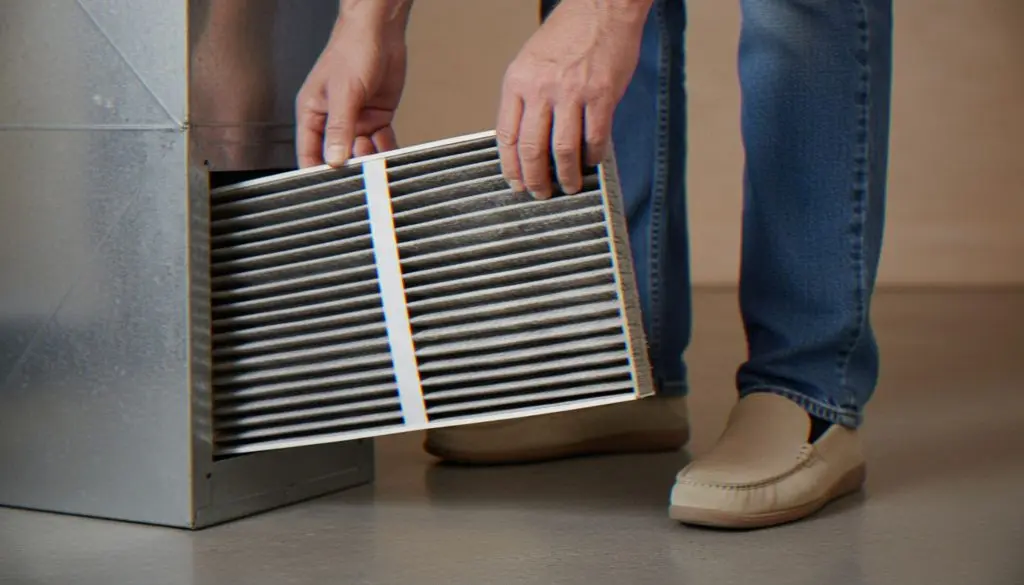
- Replace your air filter on schedule: Check it monthly and replace it every 1 to 3 months to protect airflow and prevent a frozen coil.
- Look at the drain line occasionally: Watch for drips or water around fittings, especially at the start of each season.
- Consider a water sensor: A simple leak alarm near the furnace or in the drain pan warns you before water spreads.
Frequently Asked Questions About a Furnace Leaking Water
These are the questions we hear most often from homeowners who find water around their furnace. If your situation isn’t covered here, our team is happy to walk you through it.
Is it normal for a furnace to have water around it?
High-efficiency furnaces produce water, but it should go down the drain, not onto the floor. Any pooling water means something isn’t draining correctly.
Why is my furnace leaking water when the AC is on?
The AC evaporator coil usually sits on top of the furnace, so a clogged coil drain or a frozen coil can make it look like the furnace is leaking. Turn the AC off and schedule service if the leak continues.
Can a leaking furnace cause water damage?
Yes. In an attic, an overflowing drain pan can cause sheetrock damage to the ceilings below, and in a basement or crawl space, it can damage flooring and subfloors.
Can I unclog a furnace condensate line myself?
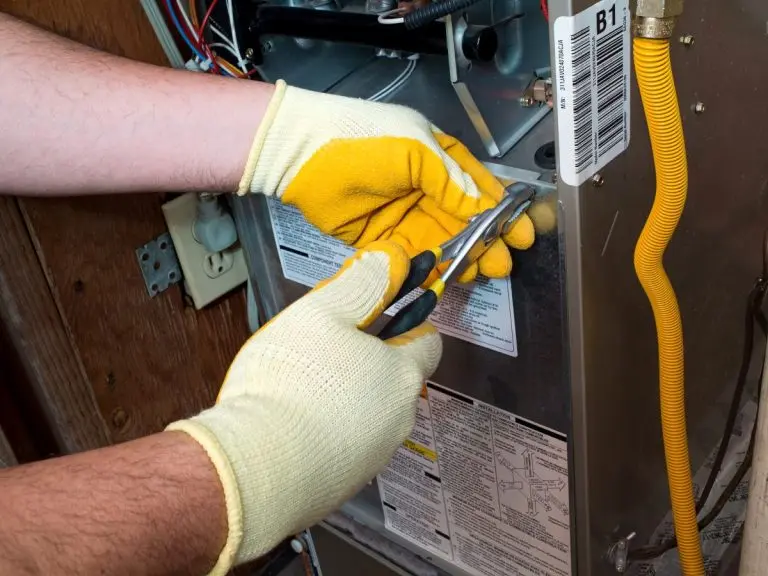
Homeowners can check for visible water stains, dripping, or disconnected sections in the drain line. Clearing traps, testing pumps, and working inside the furnace cabinet are best left to a licensed technician.
Stop the Leak With Eastergard HVAC
A furnace leaking water inside the home is a sign that something in the system needs attention, and the sooner it is found, the less damage it can do. Eastergard HVAC has been diagnosing and repairing furnaces across the Greenville area since 1989 as a family-owned, locally operated company, and our licensed technicians will find the source and explain your options before any work begins.
Contact Eastergard HVAC today to schedule your furnace repair visit. Call or text us at 864-235-2935 or email us at info@eastergard.com, and we will get your furnace back to making heat, not puddles.
Recent Articles POSTS