AC Capacitor: 5 Warning Signs & Replacement Cost
If your outdoor unit is humming but not starting, or your system is shutting off before cooling your home, a failing AC capacitor is often the first thing a technician checks. AC capacitor problems are among the most common reasons air conditioners fail, particularly in South Carolina where long, hot cooling seasons put sustained stress on every component in the system. This guide covers what a capacitor does, the five warning signs that yours is failing, and what replacement costs look like so you know what to expect.
Here is what we will cover:
- What an AC capacitor does: Why this small component has such a big impact on system operation.
- Start vs. run capacitors: The two types found in most residential systems and what each one controls.
- 5 warning signs of a failing capacitor: What to watch and listen for before a full breakdown.
- Replacement cost: What a capacitor replacement typically costs and what affects the price.
- Why capacitors fail: The most common causes in the Upstate South Carolina climate.
What Does an AC Capacitor Do?
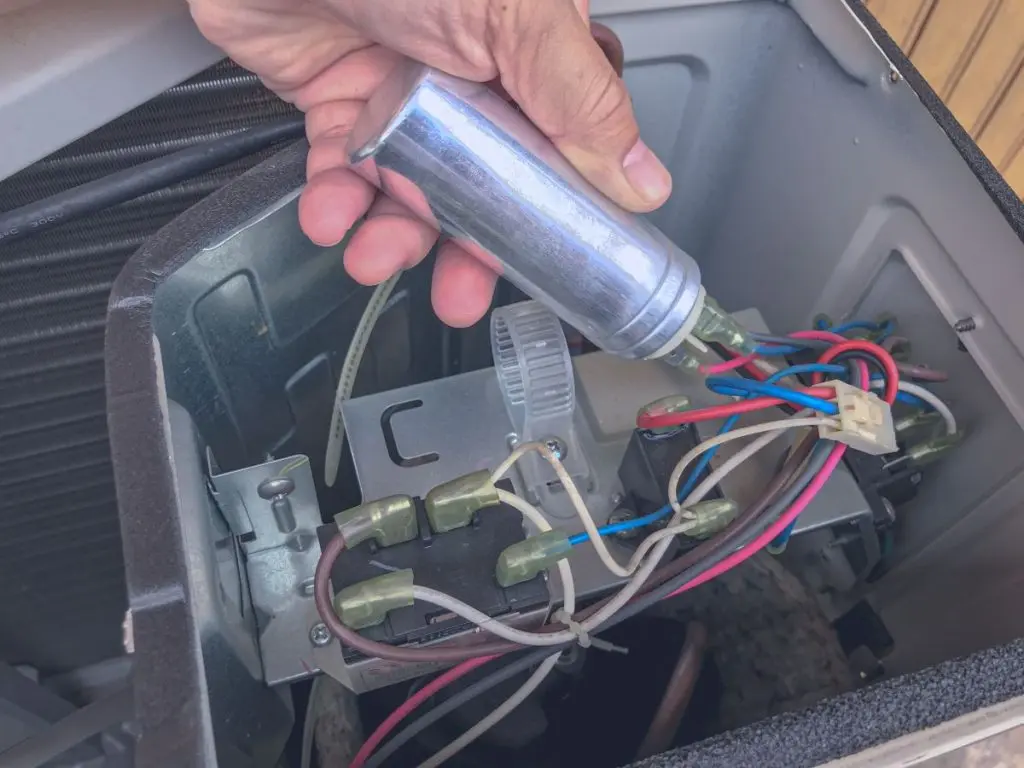
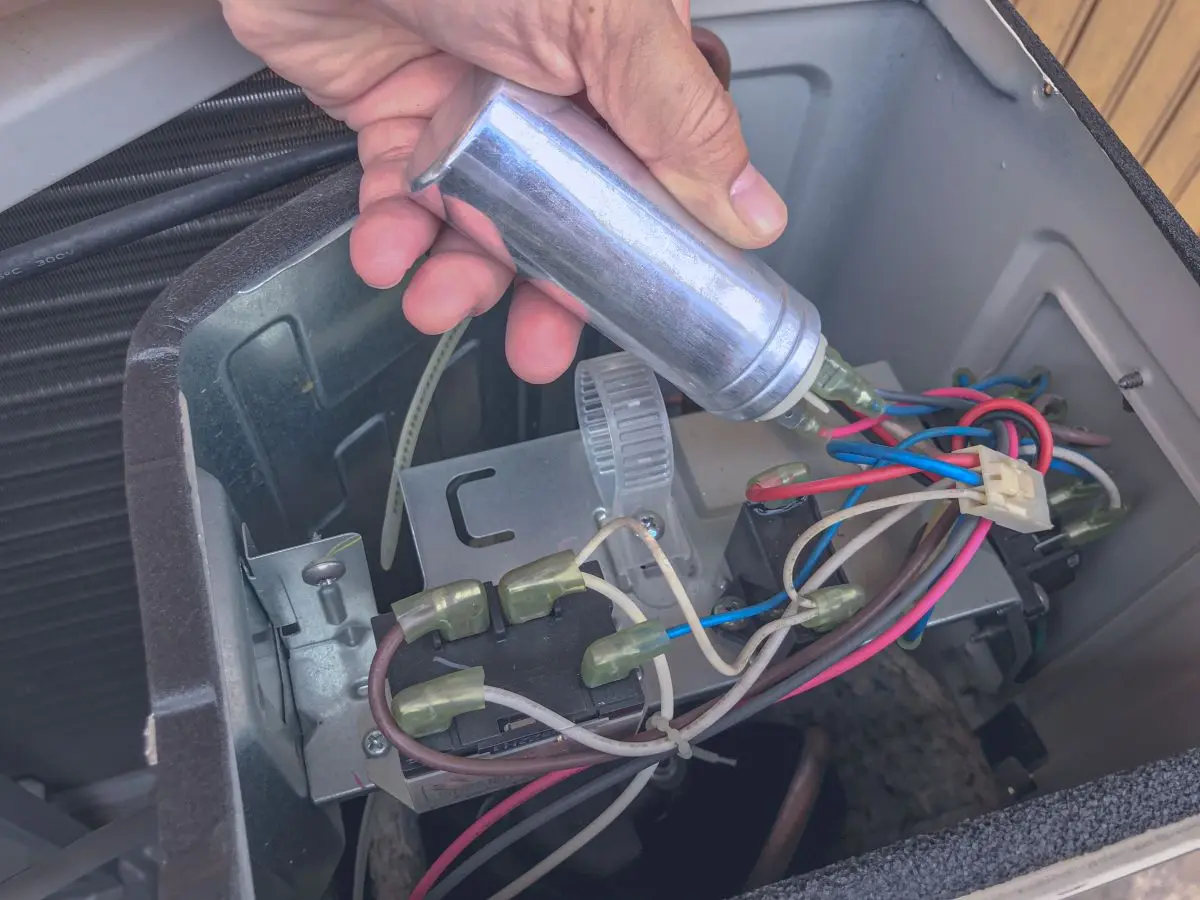
A capacitor is a small, often cylindrical component inside the outdoor unit of your air conditioning system. Its job is to store and release electrical energy to help the compressor and fan motors start and run properly. Without a functioning capacitor, these motors cannot receive enough power to start, which is why a failed capacitor can bring an otherwise healthy air conditioning system to a complete stop.
There are two types of capacitors in most residential AC systems, and understanding the difference helps clarify the symptoms when one begins to fail.
- Start capacitor: Delivers a high-voltage burst of electricity to get the compressor or fan motor started. Once the motor is running, the start capacitor disengages. It handles the hardest electrical load in the system, which is why it tends to wear out faster.
- Run capacitor: Stays engaged throughout the entire cooling cycle, providing a steady flow of power to keep the compressor and fan motor running smoothly and efficiently. A failing run capacitor causes the motor to work harder, which accelerates wear on the motor and drives up energy consumption.
- Dual-run capacitor: Many residential systems use a single dual-run capacitor that handles both the compressor and the fan motor in one component, making it one of the most critical parts in the outdoor unit.
Per ENERGY STAR guidance, routine professional inspections help catch failing components like capacitors early and keep cooling systems running efficiently throughout the season, which is why maintenance is the most reliable way to avoid a midsummer breakdown.
5 Warning Signs Your AC Capacitor Is Failing
Capacitors degrade gradually before they fail completely, and they almost always give warning signs before they stop working entirely. Catching these signals early means a relatively inexpensive capacitor replacement rather than a compressor failure that costs significantly more to address.
1. The Outdoor Unit Hums But Does Not Start
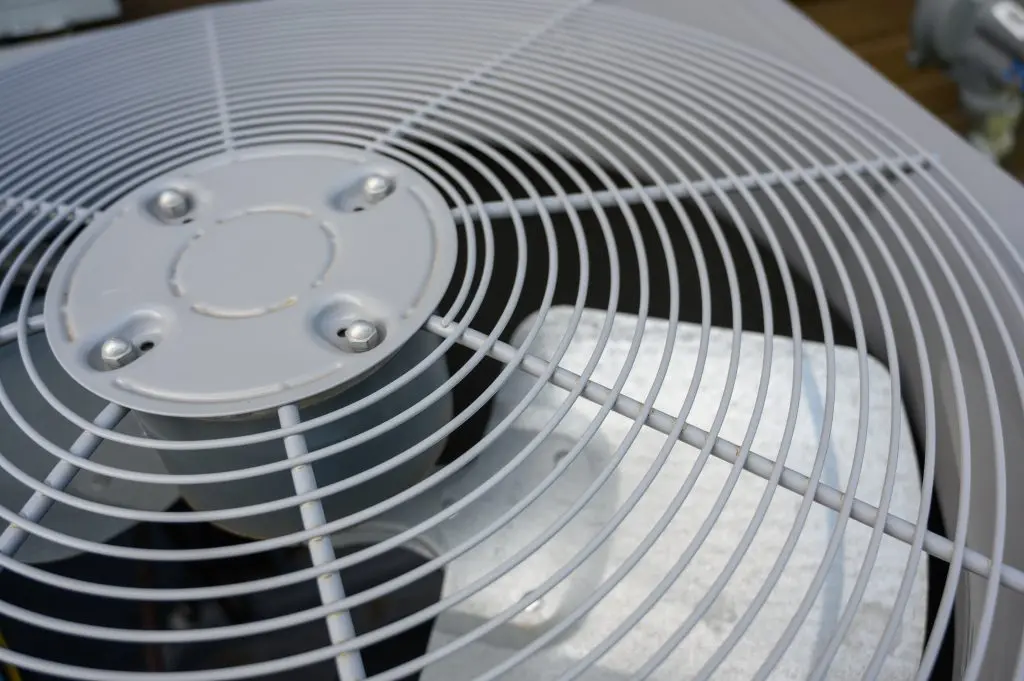
One of the clearest signs of a failing capacitor is an outdoor unit that makes a humming or buzzing sound but the fan does not spin and the compressor does not engage. The system is receiving power and trying to start, but the capacitor cannot provide the electrical boost the motors need to get running. In some cases the fan blade may move slightly if pushed manually, which confirms the motor itself is functional but is not receiving adequate starting power.
- What it sounds like: A continuous hum or buzz from the outdoor unit without the sound of the fan spinning or the compressor running.
- What not to do: Never manually spin the fan blade on a live system. Turn the system off at the thermostat and call a technician.
- Why it matters: Running the system repeatedly while the capacitor is failing puts extreme stress on the compressor, which is far more expensive to replace than the capacitor itself.
2. The System Starts and Then Quickly Shuts Off
A failing run capacitor may allow the system to start but cannot sustain the power needed to keep the compressor or fan motor running through a full cooling cycle. The result is a system that turns on, runs for a short time, and then shuts off before the home reaches the set temperature. This pattern often mimics short cycling and can be confused with other causes, which is why professional diagnosis is important.
- Common misdiagnosis: Short cycling caused by a failing capacitor looks identical to short cycling from low refrigerant or thermostat issues. A capacitor test with a multimeter quickly distinguishes the cause.
- Progression: A capacitor that causes occasional early shutdowns will eventually fail completely, leaving the system unable to start at all.
- Urgency: Each startup attempt with a weak capacitor adds stress to the compressor. The sooner the capacitor is tested and replaced, the less secondary damage accumulates.
3. Warm Air From the Vents Despite the System Running
When the run capacitor is weakening, the fan motor may continue to operate but at reduced efficiency, moving less air across the evaporator coil than the system needs to cool properly. The result is reduced airflow and warmer air from the supply vents even though the system appears to be running normally. We are proud to serve home and business owners in Fountain Inn, SC, and nearby communities with AC capacitor replacement, repair services, and more.
- How to distinguish from other causes: A dirty air filter or frozen evaporator coil produces similar symptoms. Check and replace the filter first. If airflow is strong but the air is barely cool, a capacitor or refrigerant issue is more likely.
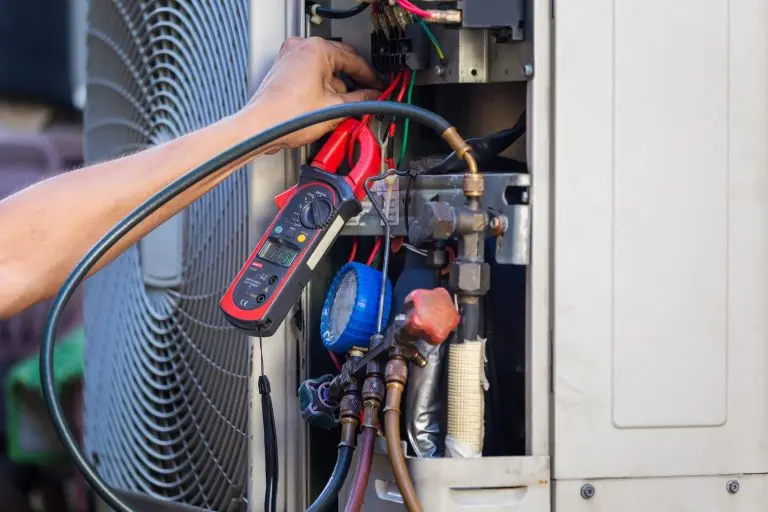
- What a technician checks: Capacitance measurement with a multimeter confirms whether the capacitor is holding its rated charge or has degraded below functional levels.
- Efficiency impact: A weak run capacitor forces the fan motor and compressor to work harder throughout every cycle, which increases energy consumption and accelerates wear on both components.
4. Clicking, Buzzing, or Other Unusual Sounds
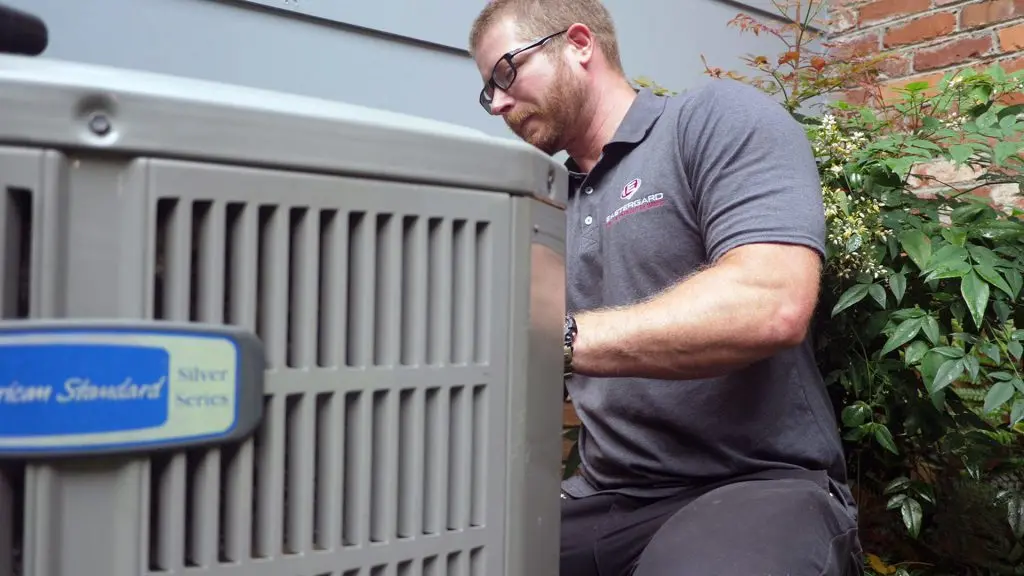
Unusual sounds from the outdoor unit are one of the most consistent early warning signs of capacitor trouble. A failing start capacitor may produce a clicking sound as the system attempts to start but cannot. A degrading run capacitor often causes a persistent buzzing or humming sound during operation as the motor struggles to maintain consistent power. Any new noise from the outdoor unit that was not present before warrants a service call.
- Clicking without startup: Points to a start capacitor that cannot deliver enough power to engage the compressor or fan motor.
- Buzzing during operation: Often indicates a run capacitor that is losing its ability to maintain steady power delivery to the motor.
- When to act: Unusual sounds that continue or worsen over multiple days should be evaluated promptly. Ignoring them increases the risk of compressor damage.
5. Visible Damage on the Capacitor Itself
If a technician or homeowner can safely access the outdoor unit cabinet, a visually damaged capacitor is a clear sign of failure. Capacitors that have failed or are close to failing often show visible physical changes that are unmistakable.
- Bulging or swollen top: A healthy capacitor has a flat top. A capacitor with a rounded or bulging top has internal pressure buildup from heat damage or age and should be replaced immediately.
- Leaking oil: Some capacitor types contain oil that can seep out when the casing is compromised. Any oily residue on or around the capacitor is a sign of failure.
- Burn marks or corrosion: Visible burn marks, darkened areas, or corrosion on the capacitor body or surrounding terminals indicate electrical damage.
AC Capacitor Replacement Cost
Capacitor replacement is one of the more affordable AC repairs a homeowner will encounter. The component itself is inexpensive, and the labor required to swap it out is straightforward for an experienced technician. Most capacitor replacements can be completed in a single service visit.
| Cost Factor | Typical Range |
| Total repair cost with service fee (parts and labor) | $250 to $400 |
| Emergency or after-hours service | $350 to $500+ |
Total costs vary based on the type of capacitor and whether the service call is scheduled during normal business hours or as an emergency visit. Even at the higher end of the range, capacitor replacement is a fraction of the cost of compressor replacement, which can run $1,500 to $2,500 or more.
Why AC Capacitors Fail in South Carolina
AC capacitor lifespan varies based on equipment, usage, and environmental conditions, but several factors specific to the Upstate South Carolina climate tend to shorten that window.
- Heat exposure: Capacitors are sensitive to sustained high temperatures. South Carolina’s long cooling seasons mean the outdoor unit runs for months at a time in heat that accelerates the degradation of the capacitor’s internal components.
- Heavy usage: A system that runs nearly continuously through a long cooling season accumulates far more operational cycles per year than a system in a milder climate, which shortens the capacitor’s effective lifespan.
- Power surges: Lightning and grid fluctuations can deliver voltage spikes that damage capacitors instantly. Surge protection on the outdoor unit is a low-cost preventive measure worth considering.
- Deferred maintenance: A system that runs with a dirty filter, dirty coils, or low refrigerant forces the motors to work harder on every cycle, which increases heat and electrical stress on the capacitor throughout the season.
Frequently Asked Questions About AC Capacitors
Capacitor questions come up on almost every AC repair call we make during the summer months, and the answers are usually simpler than homeowners expect. Here are the ones we hear most often from Upstate South Carolina homeowners.
Can I replace an AC capacitor myself?
It is not recommended. Capacitors store electrical charge that can cause serious injury even after the system power has been turned off. The component also has specific voltage and microfarad ratings that must be matched precisely to the system. An incorrect replacement can damage the motor or fail quickly. This is a job for a licensed HVAC technician.
How do I know if it is the capacitor or the compressor that has failed?
A technician can determine this quickly with a multimeter. If the capacitor tests within its rated range and the compressor still will not start, the compressor itself is the likely cause. If the capacitor tests significantly below its rated capacitance, replacing it often restores full system function. Distinguishing between the two before authorizing repairs is an important step that any reputable technician will perform.
Will a bad capacitor damage my compressor?
Yes, over time. A weak capacitor forces the compressor to work harder on every startup and throughout each cooling cycle. That additional strain accumulates wear on the compressor motor windings and internal components, shortening its lifespan and increasing the risk of failure. Catching a failing capacitor early is one of the most effective ways to protect the most expensive component in your system.
How long does a capacitor replacement take?
Most capacitor replacements are completed within one to two hours from the time the technician arrives, including diagnosis, parts retrieval if not on the service vehicle, and installation. Eastergard HVAC technicians carry common capacitor sizes on their service vehicles to minimize delays.
Trust Eastergard HVAC for AC Capacitor Replacement in the Upstate
A failing capacitor is one of the most common and most fixable AC problems a homeowner can face. Catching it early means a straightforward repair at a reasonable cost. Ignoring the warning signs risks compressor damage that turns a minor repair into a major one. Eastergard HVAC has been diagnosing and repairing air conditioning systems in the Greenville area since 1989, and our licensed technicians arrive prepared to test, diagnose, and replace capacitors in a single visit.
Contact Eastergard HVAC today to schedule your AC repair visit. Call or text us at 864-235-2935 or send us an email, and we will get your system back up and running the right way.
Recent Articles POSTS