AC Maintenance Checklist: A Simple Guide to Knowing When You Need Maintenance
If you have been putting off your annual AC tune-up, you are not alone, but South Carolina’s long, demanding cooling season makes your system one of the hardest-working appliances in your home. An AC maintenance checklist gives you a simple framework for knowing what has been done, what needs attention, and when it is time to call a professional. This guide walks you through exactly what goes into keeping your system in top condition, from the tasks any homeowner can handle to the ones that require a licensed technician.
Here is what we will cover:
- Why maintenance matters: What regular service actually prevents and protects.
- The DIY checklist: What homeowners can and should be doing themselves.
- The professional checklist: What a licensed technician covers that goes beyond DIY.
- 9 signs your system needs maintenance now: How to know when not to wait for the annual visit.
- How often maintenance should happen: The right schedule for Upstate South Carolina homes.
Why AC Maintenance Matters More Than Most Homeowners Realize
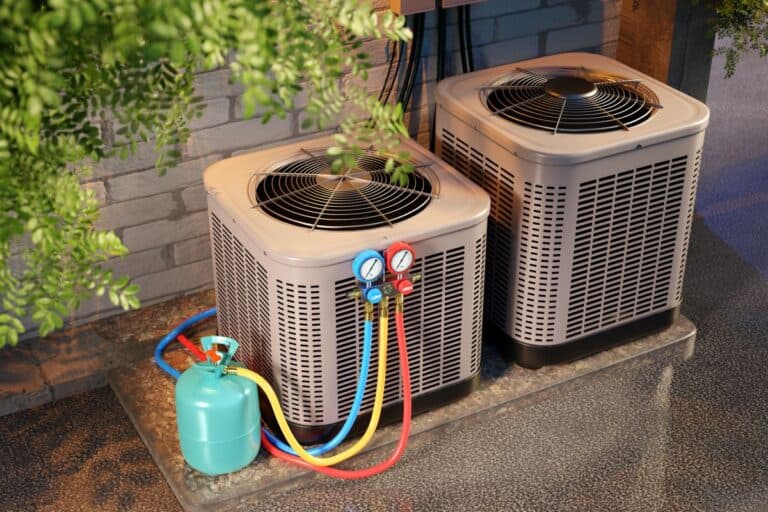
Skipping annual maintenance is one of the most common and most costly mistakes homeowners make with their HVAC systems. The consequences are rarely dramatic in the short term, which is exactly why the habit is so easy to fall into. What actually happens is a gradual loss of efficiency, quiet accumulation of wear on key components, and a system that is increasingly vulnerable to a breakdown at the worst possible moment, typically the hottest week of summer when repair appointments are hardest to come by.
ENERGY STAR puts it simply: just as a tune-up for your car can improve your gas mileage, a yearly tune-up of your heating and cooling system can improve efficiency and comfort. Regular maintenance keeps coils clean and transferring heat efficiently, refrigerant at the right charge, motors lubricated and running cool, and electrical connections tight so nothing fails unexpectedly. The annual maintenance visit is the single most impactful thing a homeowner can do to protect their investment and control long-term operating costs.
The Homeowner AC Maintenance Checklist
Several maintenance tasks fall within reach of a diligent homeowner and should be performed regularly throughout the cooling season, not just once a year. These do not replace professional service but meaningfully extend the time between issues and keep the system running efficiently between tune-ups.
- Replace or clean the air filter: The most important monthly task. A clogged filter restricts airflow, forces the system to work harder, and accelerates wear on the blower motor and evaporator coil. Check monthly and replace every 1 to 3 months depending on household conditions.
- Clear the area around the outdoor condenser unit: Maintain at least two feet of clearance around all sides of the outdoor unit. Trim back shrubs, remove leaves and debris, and ensure nothing is blocking airflow through the condenser fins.
- Check and clear the condensate drain line: A clogged condensate drain causes water to back up into the air handler, leading to water damage, mold growth, and system shutdowns. Flush the drain line with a cup of diluted bleach every few months to prevent algae buildup.
- Inspect supply and return vents: Make sure all vents throughout the home are open and unobstructed by furniture, rugs, or drapes. Closed vents create pressure imbalances that strain the system.
- Check thermostat accuracy: Verify that your thermostat is reading temperatures accurately by comparing it to a separate thermometer. An inaccurate thermostat causes the system to run longer or shorter than it should.
- Listen and observe during operation: Pay attention to how the system sounds and performs. Unusual noises, longer run times, uneven cooling, or unexpected cycling are early warning signs worth noting before the next professional visit.
The Professional AC Maintenance Checklist
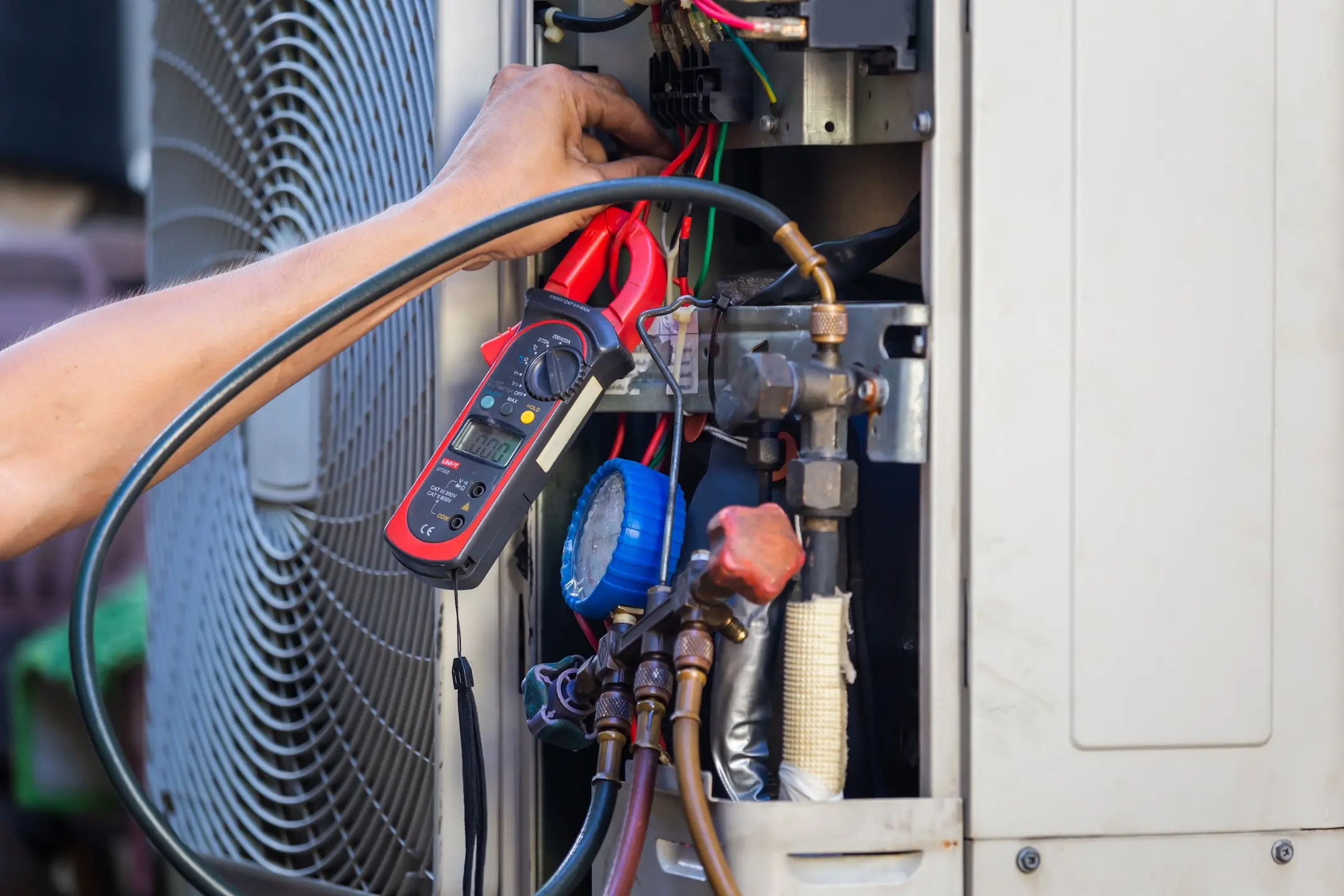
Annual professional service covers the components and systems that require specialized tools, technical knowledge, or EPA certification to inspect and address properly. This is what a qualified HVAC technician should be checking during every maintenance visit.
- Refrigerant level check: Refrigerant does not deplete under normal circumstances, so a low reading indicates a leak that needs to be located and repaired before recharging the system.
- Evaporator and condenser coil cleaning: Dirty coils cannot transfer heat efficiently, reducing the system’s cooling capacity and increasing energy consumption. Professional coil cleaning restores rated performance.
- Electrical connection inspection and tightening: Loose connections cause voltage fluctuations and heat buildup that can damage the compressor, capacitors, and other electrical components over time.
- Capacitor and contactor testing: These components start and run the compressor and fan motors. They degrade gradually and are one of the most common causes of system failure in aging units.
- Blower motor inspection and lubrication: The blower moves conditioned air through the duct system. Motor bearings that run dry wear faster and draw more amperage, leading to premature failure.
- Thermostat calibration: A technician can verify that the thermostat is communicating correctly with the system and calibrate it if needed to ensure accurate temperature control.
- Condensate drain inspection and treatment: A professional checks that the drain pan is clear, the drain line is flowing freely, and the safety float switch is functioning to prevent overflow damage.
- System performance test: After completing all checks and cleaning, the technician verifies that the system is achieving the correct temperature split between supply and return air, confirming that the system is cooling effectively and efficiently.
9 Signs Your AC System Needs Maintenance Now
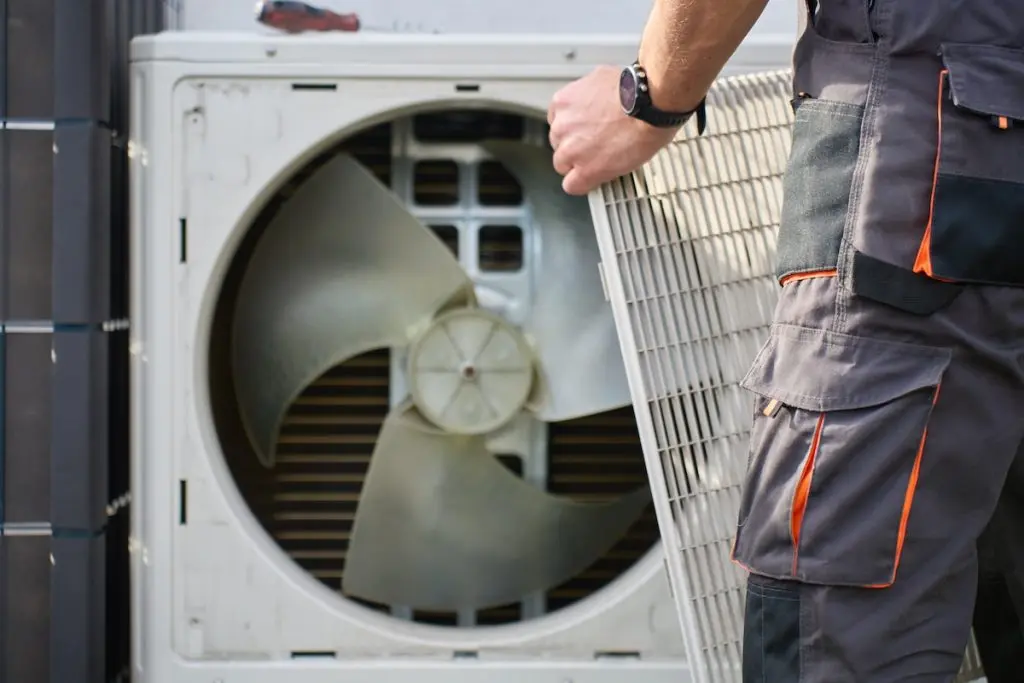
These are the signals that should prompt an immediate call rather than waiting for the next scheduled visit. In South Carolina’s climate, a system that is struggling in June or July can deteriorate quickly under the sustained heat load of a full summer cooling season. We are proud to serve home and business owners in Fountain Inn, SC, and nearby communities with AC maintenance, repairs, and more.
1. Weak Airflow From Supply Vents
If air coming from your vents feels weaker than usual, the most common causes are a clogged filter, a dirty evaporator coil, or a failing blower motor. All three are addressable through professional service.
2. Warm Air Coming From Vents
A system blowing warm or only mildly cool air is often dealing with low refrigerant, a dirty evaporator coil, or a compressor problem. None of these resolve on their own.
3. Unusual Sounds During Operation
Grinding, squealing, rattling, or banging sounds that were not present before are signals that a mechanical component is wearing or has come loose. Catching these early almost always means a less expensive repair.
4. Short Cycling
If the system turns on and off frequently without completing a full cooling cycle, it may be oversized, low on refrigerant, or dealing with a thermostat or electrical issue. Short cycling accelerates compressor wear significantly.
5. Moisture or Water Near the Indoor Unit
Any pooling water around the air handler indicates a backed-up condensate drain, a frozen evaporator coil that has thawed, or in some cases a refrigerant leak. All three require professional attention.
6. Unpleasant Odors From the Vents
Musty smells typically indicate mold or mildew growth in the air handler or ductwork. A burning smell points to an electrical issue. Neither should be ignored or attributed to normal operation.
7. Rooms That Will Not Cool Evenly
Hot spots or rooms that consistently lag behind the rest of the home in temperature can point to ductwork issues, an undersized system, or an evaporator coil that is not performing at full capacity.
8. Higher Than Normal Energy Bills
A meaningful and unexplained increase in electricity costs during the cooling season is often the first measurable sign that the system is working harder than it should, frequently due to dirty coils, low refrigerant, or a failing component.
9. The System Has Not Been Serviced in Over a Year
In South Carolina’s demanding climate, a system running through a full cooling season without professional maintenance has accumulated wear, possible coil fouling, and undetected issues that an annual visit would have addressed. If it has been more than 12 months, scheduling service now rather than waiting is the right call.
How Often Should AC Maintenance Happen in the Upstate
For most homes in the Upstate South Carolina area, professional AC maintenance once per year is the baseline recommendation. The ideal timing is early spring, before the cooling season begins, so any issues are resolved before the system is running at full load. Homeowners who also use their systems for heating, or who have heat pumps that run year-round, benefit from twice-yearly service, once in spring for the cooling system and once in fall for the heating side.
| System Type | Recommended Service Frequency |
| Central AC only | Once per year, spring |
| Heat pump (heating and cooling) | Twice per year, spring and fall |
| System over 10 years old | Once per year minimum, consider twice |
| System with history of issues | Every 6 months |
| New system under warranty | Per manufacturer requirement, typically annually |
Frequently Asked Questions About AC Maintenance
What happens if I skip a year of AC maintenance?
Skipping a year does not guarantee a breakdown, but it does mean the system accumulated a full season of wear without a professional inspection. Coils may be dirtier, electrical connections looser, and any developing issues undetected. The risk of an unexpected failure during peak cooling season increases meaningfully with each year of deferred maintenance.
How long does a professional AC maintenance visit take?
A thorough professional tune-up typically takes one to two hours depending on the system size and what the technician finds during the inspection. Eastergard HVAC provides a clear scope of what will be covered before the visit begins.
Does regular maintenance actually save money?
Yes, in two measurable ways. A well-maintained system runs more efficiently, which reduces monthly energy costs. It also prevents the kind of component failures that turn a routine service call into an emergency repair. The cost of annual maintenance is almost always less than the cost of a single unplanned repair, and far less than a premature system replacement.
Should I be home during the maintenance visit?
It is generally a good idea to be home at the start of the visit so the technician can ask about any performance concerns you have noticed. You do not need to be present the entire time, but being reachable by phone is helpful if anything comes up during the inspection.
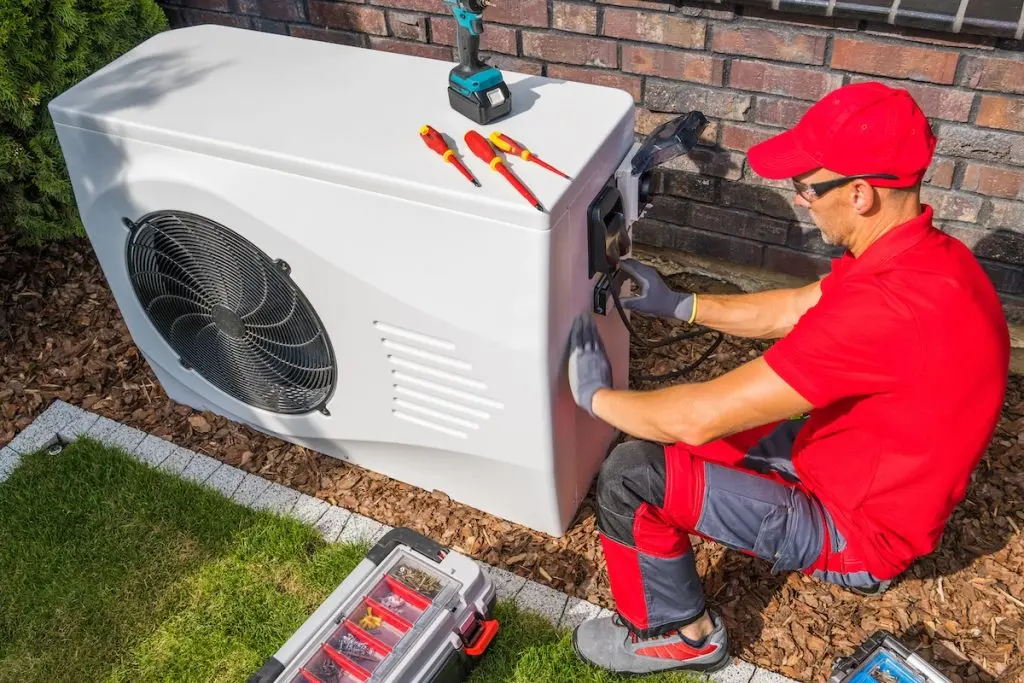
Keep Your System Running All Season With Eastergard HVAC
A consistent maintenance routine is the simplest and most cost-effective way to protect your AC system, control your energy bills, and avoid the stress of a summer breakdown. Eastergard HVAC has been serving the Greenville area since 1989, and our licensed technicians cover every item on the professional checklist with the care and transparency that comes from more than three decades of local service.
Contact Eastergard HVAC today to schedule your AC maintenance visit. Call or text us at 864-235-2935 or send us an email, and we will make sure your system is ready for whatever the season brings.