AC Unit Lifespan: 8 Signs It’s Time for a Replacement
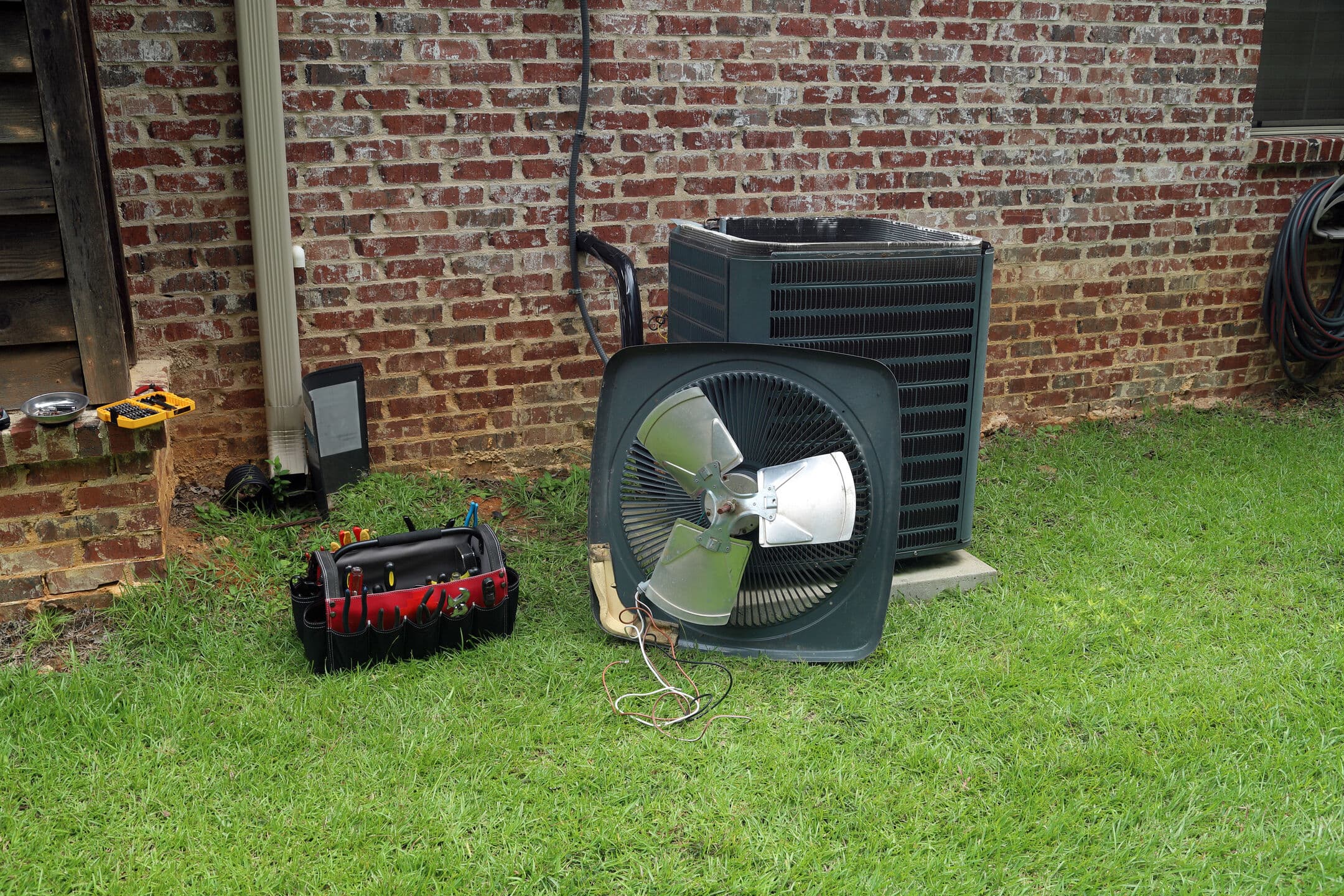
Your air conditioner won’t send you a retirement notice, but it does drop hints. Understanding your AC unit lifespan helps you plan for an upgrade and replacement on your terms instead of scrambling when the system quits on the hottest week of an Upstate summer. Most systems give plenty of warning before they fail for good, and knowing what to look for makes the decision much easier. When the time comes, our team can walk you through your AC upgrade and replacement options and help you decide whether a repair or a new system makes more sense.
Here is what we will cover:
- How long AC units last: What a typical lifespan looks like in South Carolina.
- What affects lifespan: The factors that help a system last or wear it out early.
- 8 signs it’s time for a replacement: From age and refrigerant type to rising energy bills.
- Repair or replace: A simple framework for making the call.
- How to extend your AC’s life: Habits that keep your current system running longer.
How Long Does an AC Unit Last?
Most air conditioners last 12 to 15 years, and heat pumps last about 14 years. Where your system lands in that range depends on how well it was installed, how consistently it was maintained, and how hard it has to work.
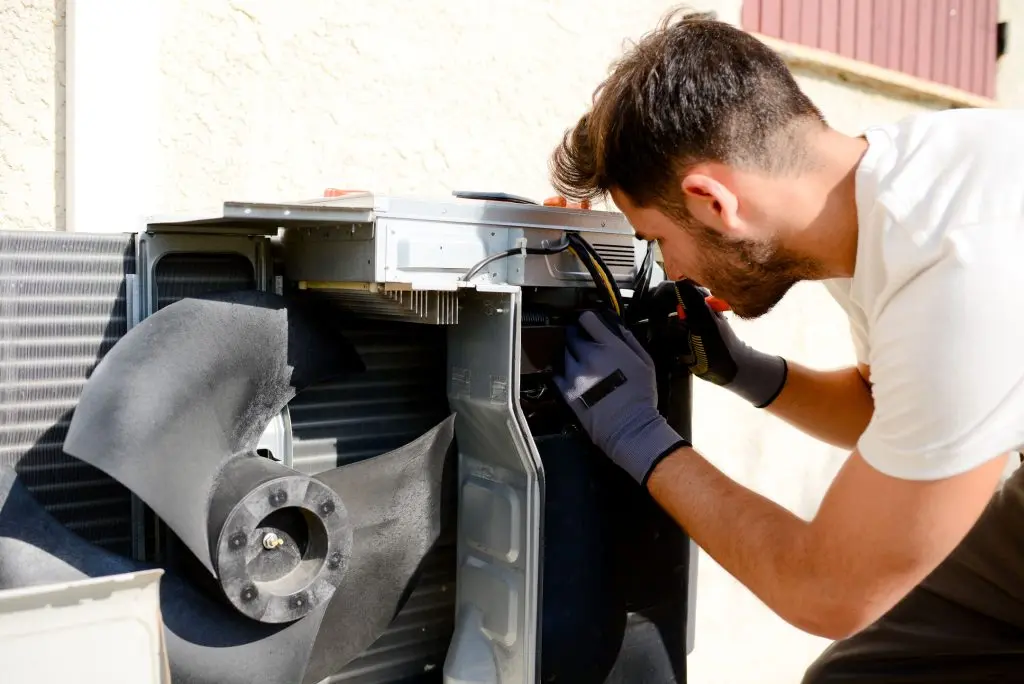
Upstate summers are long, hot, and humid, which means AC systems here run for six or more months a year. That workload puts more hours on the compressor, fan motors, and electrical components than a system in a milder climate would see. A well-maintained system can still reach the full range, but a neglected one often falls short.
What Affects Your AC’s Lifespan
Some systems reach 15 years without much trouble, while others start failing much earlier. These are the factors that make the biggest difference.
- Maintenance history: Systems that receive semi annual maintenance are far more likely to reach their expected lifespan.
- Installation quality: A properly sized system installed to manufacturer specifications runs efficiently and wears evenly, while an oversized or undersized system works against itself.
- Existing ductwork: Leaky or undersized ducts force the system to run longer, and ductwork older than 15 to 25 years is worth evaluating.
- Climate and usage: Long cooling seasons in South Carolina add up to more total runtime each year.
- Refrigerant type: Older systems that use phased-out refrigerants become more expensive to repair as they age.
8 Signs It’s Time to Replace Your AC Unit
No single sign means you need a new system right away, but several of them together usually point in that direction. Here are the eight most common signals that your air conditioner is near the end of its service life.
1. Your System Is 12 to 15 Years Old or Older
Age is the most reliable predictor of replacement. Once an air conditioner reaches 12 to 15 years old, its major components are all on the same aging curve, and one repair often leads to the next. ENERGY STAR recommends considering a replacement once a heat pump or air conditioner is more than 10 years old, noting that a properly installed certified unit can save up to 20 percent on heating and cooling costs.
- Find your system’s age: Check the data plate on the outdoor unit for the model and serial number, which a technician can use to confirm the manufacture date.
- Plan ahead: Knowing your system’s age lets you budget for a replacement before it becomes an emergency.
2. It Uses R-22 or R-410A Refrigerant
Refrigerant type has a major impact on the cost of keeping an older system running. R-22 was phased out of production in 2020, and R-410A was phased out in 2025 in favor of R-454B.
- R-22 systems: These are almost always better candidates for replacement than repair, since recharging with R-22 is expensive and the systems are typically well past their prime.
- R-410A systems: Evaluate these based on age and condition. A newer R-410A system in good shape can still be worth repairing.
- R-454B systems: New systems use R-454B, which sets you up for lower long-term service costs.
3. Repairs Are Getting More Frequent and More Expensive
A system that needed one minor repair in five years is in a very different place than one that needs a technician every summer. When repairs start stacking up, the money spent keeping an old system alive often makes more sense going toward a new one.
- The 50 percent rule: If a repair costs more than 50 percent of the price of a new system, replacement is usually the better investment.
- Not every system is worth repairing: A major repair on an aging system often buys only a short amount of time before the next failure.
4. Your Energy Bills Keep Climbing
As an air conditioner ages, it gradually loses efficiency, even with good maintenance. If your cooling bills are rising year over year without a change in how you use your system, your AC is likely working harder to deliver the same comfort.
- Compare year over year: Look at summer bills from the past few years to spot a steady upward trend.
- Efficiency gains: Newer systems with higher SEER2 ratings use less electricity for the same amount of cooling.
5. The Compressor Has Failed
The compressor is the most expensive component in your air conditioner, and its failure almost always forces the repair or upgrade and replace conversation. Compressor replacement runs $1,500 to $5,000, and the cost depends on system size, compressor type, warranty status, refrigerant type, refrigerant amount, and total time to complete the repair. We are proud to serve home and business owners in Greenville, SC, and nearby communities with AC repair, replacement, and installation.
- Under warranty: If the compressor is still covered, replacing it is usually the right call. Learn how HVAC warranties work before authorizing a repair.
- Burnout on older refrigerant: If a compressor burns out on an R-22 or R-410A system, the entire system has to be replaced due to the new R-454B refrigerant rules.
6. Some Rooms Never Feel Comfortable
Uneven temperatures from room to room can point to an aging system that no longer has the capacity to keep up, though duct problems can cause the same symptom. Either way, a system that leaves upstairs bedrooms hot all summer is not doing its job.
- Aging equipment: Worn components can reduce cooling capacity and airflow over time.
- Ductwork issues: Leaky or poorly designed ducts may need attention alongside or instead of new equipment.
7. Your Home Feels Humid or Clammy
An air conditioner should remove moisture as it cools. If your home feels sticky even when the thermostat says it is cool, your system may no longer be removing humidity effectively.
- Older single-stage systems: These run at full speed and shut off, which can leave moisture behind on humid days.
- Variable speed upgrades: Variable speed systems regulate humidity better because lower fan speeds allow greater humidity control.
8. It Makes New Noises or Short Cycles
New grinding, banging, rattling, or squealing sounds from the outdoor unit often signal mechanical wear inside the compressor or fan motor. A system that turns on and off every few minutes without finishing a cycle is also under stress.
- Unusual sounds: Any new noise is worth having a technician investigate before it gets worse.
- Short cycling: Frequent starts accelerate wear on the compressor and other components.
Repair or Replace? A Quick Decision Framework
Age, warranty status, and refrigerant type should drive most of the decision. Use this table as a starting point, then talk through the specifics with a technician.
| Scenario | Recommended Decision |
| System under 8 years, compressor under warranty | Repair |
| System under 8 years, out of warranty | Repair if the quote is in the lower range |
| System 8 to 12 years, out of warranty | Get both quotes and compare directly |
| System over 12 years, any warranty status | Full system replacement |
| R-22 system of any age | Full system replacement |
A new HVAC system typically ranges from $7,500 to $20,000 depending on equipment type, efficiency tier, and installation complexity. Eastergard provides a Free Replacement Upgrade Quote so you can compare a repair and a replacement side by side.
How to Extend the Life of Your AC
You can’t stop an air conditioner from aging, but you can slow down how fast it wears out. These habits help your current system reach the full end of its expected lifespan.
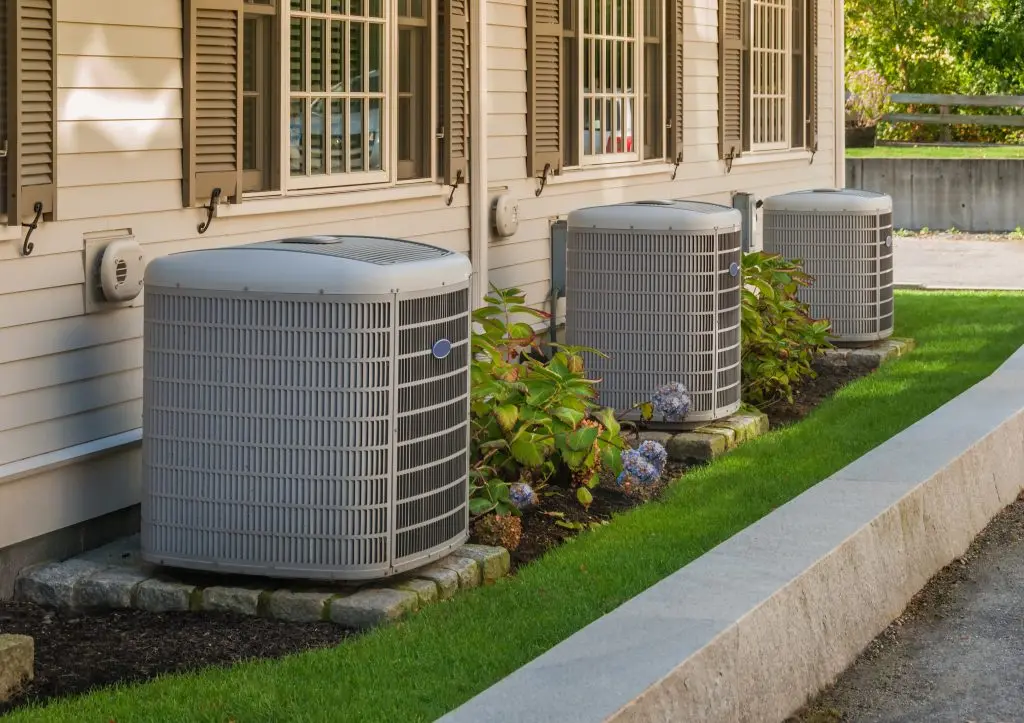
- Schedule semi annual maintenance: A spring AC visit checks refrigerant levels, cleans the condenser coil, and catches weak parts before they fail. A preventive maintenance membership keeps both visits on the calendar.
- Change your filter on schedule: Check it monthly and replace it every 1 to 3 months.
- Keep the outdoor unit clear: Maintain about two feet of clearance around the outdoor unit and trim back vegetation.
- Address problems early: A capacitor caught during a maintenance visit runs $175 to $250, compared to $250 to $425 after it fails.
Frequently Asked Questions About AC Unit Lifespan
These are the questions we hear most often from Upstate homeowners wondering how much life their air conditioner has left. If your situation isn’t covered here, our team is happy to walk you through it.
How long do AC units last in South Carolina?
Most air conditioners last 12 to 15 years. Consistent maintenance helps a system reach the upper end of that range despite the Upstate’s long cooling season.
Should I replace my AC and furnace at the same time?
If your furnace is relatively new and in good condition, replacing only the air conditioner usually makes more sense. If both systems are aging, replacing them together is often the more cost-effective long-term decision.
What warranty comes with a new American Standard AC?
American Standard provides a 10-year parts warranty on registered units, and Gold and Platinum units typically receive a 12-year compressor warranty. Registration must be completed within 60 days of installation, and Eastergard handles registration for every system we install.
How long does AC replacement take?
Installation availability varies from season to season, and the time to complete the work varies based on the type of system and the complexity of the job. Your home solutions advisor will give you a clear timeline with your quote.
Plan Your Next AC With Eastergard HVAC
Knowing your AC unit lifespan means you can replace your system on your schedule, not in the middle of a heat wave. Eastergard HVAC has been helping Greenville area homeowners make this decision since 1989 as a family-owned, locally operated company, and as an American Standard Platinum Dealer, we will lay out every option with straight answers and honest pricing.
Request your Free Replacement Upgrade Quote today. Call or text us at 864-235-2935 or email us at info@eastergard.com, and we will help you find the right time and the right system for your home.



Recent Articles POSTS