AC Freezing Up? 6 Reasons Your Unit Has Ice Buildup
If you have spotted ice on your indoor unit or refrigerant lines and are wondering what is causing it, your instinct to investigate is exactly right. AC freezing up is one of the more counterintuitive problems a system can develop, particularly in the middle of a South Carolina summer when the last thing you expect is ice. Despite the appearance, a frozen air conditioner is not a sign the system is working harder. It is a warning that something is interfering with the way heat is being absorbed and transferred, and the longer it runs in that condition, the more damage it risks causing. This guide covers the six most common causes of AC ice buildup and what to do about each one.
Here is what we will cover:
- Why AC units freeze up: The science behind ice formation on an air conditioner unit.
- What to do immediately: The right steps before diagnosing the cause.
- 6 common causes of ice buildup: From dirty air filters to refrigerant leaks.
- What happens if you ignore it: The downstream damage a frozen AC causes.
- When to call a professional: Which causes require licensed diagnosis and repair.
Why Does an AC Unit Freeze Up?
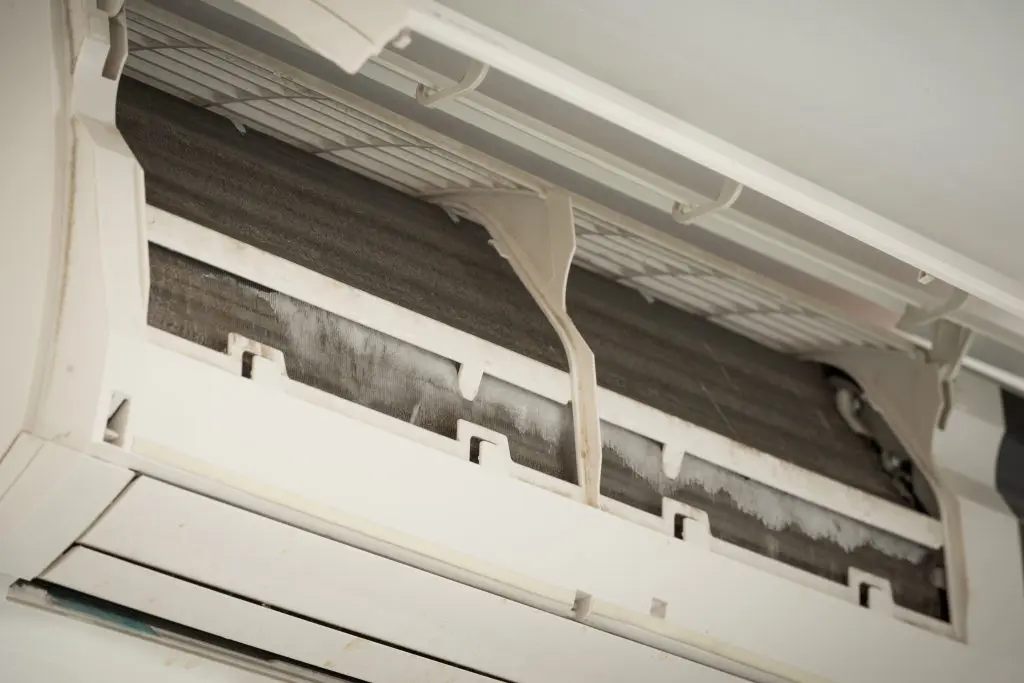
The evaporator coil inside your air handler is designed to get cold as refrigerant flows through it, but not cold enough to freeze. Warm air from your home passes continuously over the air conditioner coils, and the heat in that air keeps the coil surface above freezing while the refrigerant absorbs the heat and carries it outside. When that flow of warm air is disrupted or the refrigerant charge is off, the coil surface temperature drops below 32 degrees, condensation on the air conditioner coils turns to ice, and the ice begins to build up rapidly.
ENERGY STAR states that dirty evaporator and condenser coils reduce the system’s ability to cool your home and cause the system to run longer, increasing energy costs and reducing the life of the equipment, and a frozen air conditioner is one of the most visible and most damaging outcomes of sustained airflow disruption and coil neglect.
What to Do Immediately If Your AC Is Frozen
Before diagnosing the cause, the first priority is stopping the freeze from getting worse and allowing the system to thaw safely. Running a frozen AC unit risks sending liquid refrigerant back into the compressor, which can cause permanent compressor damage.
- Turn the system off at the thermostat: Do not just lower the temperature setting. Switch the system fully to OFF to stop the cooling cycle.
- Set the fan to ON: Running the fan without cooling circulates room-temperature air over the air conditioner coils, which speeds up the thawing process significantly.
- Allow two to four hours to thaw: Do not try to chip or scrape ice off the coil. Allow it to melt naturally. Place towels around the air handler to absorb water as the ice thaws.
- Check for water damage: A large amount of ice can overwhelm the condensate drain pan as it melts. Check the area around the air handler for pooling water after thawing.
- Check and replace the air filter before restarting: A dirty air filter is the most common cause of air conditioner freezing. Replace it before turning the system back on, and monitor whether the coil refreezes.
6 Reasons Your AC Is Freezing Up
These are the most common causes of ice buildup on an air conditioner unit, ordered from the most common and most easily resolved to the ones that require professional attention.
1. Clogged Air Filter
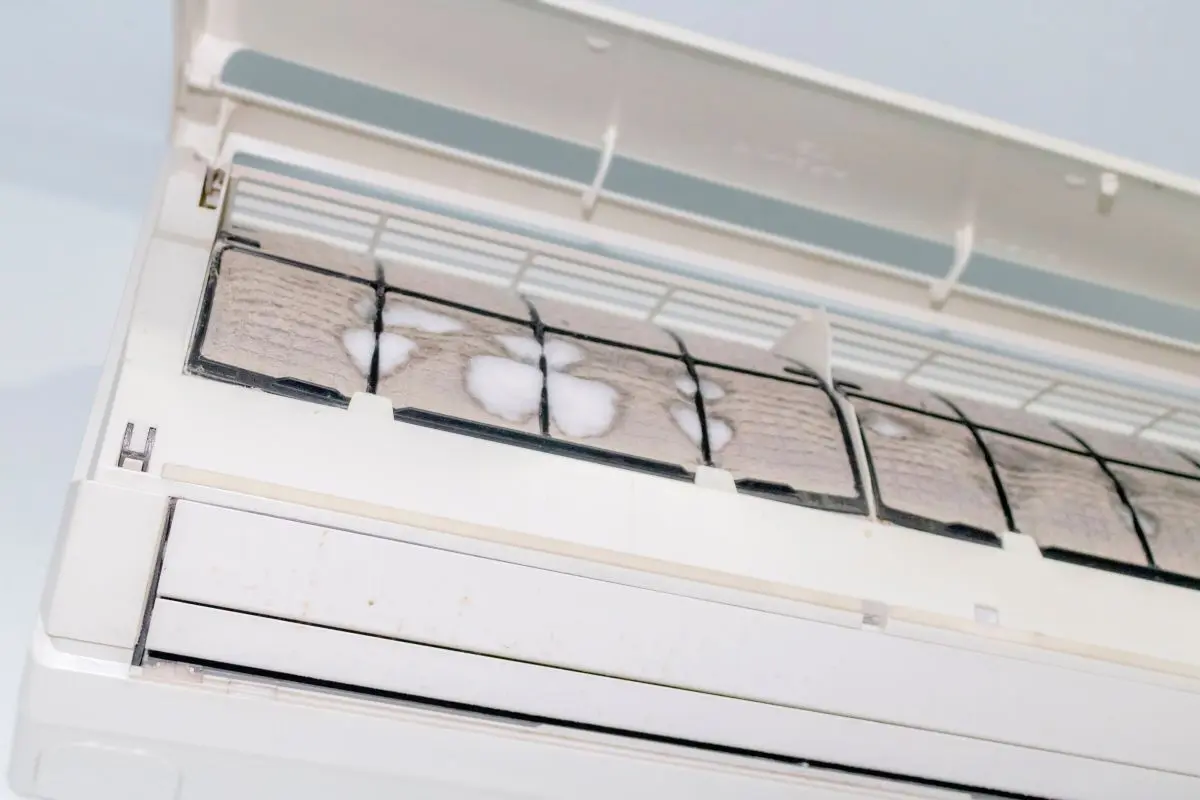
A dirty air filter is the single most common cause of a frozen AC unit. When the air filter is packed with dust, pet hair, and debris, it restricts the airflow that the evaporator coil depends on to stay above freezing. Without enough warm air passing over the air conditioner coils, the temperature drops and ice begins to form. In South Carolina’s long cooling season, air filters load up faster than in milder climates, which is why monthly filter checks are particularly important here.
- DIY fix: Replace the dirty air filter immediately. Allow the coil to thaw fully with the fan on before restarting in cooling mode.
- If the coil refreezes after filter replacement: The dirty air filter was not the only cause. A second cause from the list below is likely contributing and warrants professional diagnosis.
- Prevention: Check air filters monthly during the cooling season and replace every 1 to 3 months depending on household conditions.
2. Blocked or Closed Supply Vents
Closed or blocked supply and return air vents reduce the total volume of air moving through the air conditioning system, creating the same airflow restriction as a clogged filter. Many homeowners close vents in unused rooms thinking it saves energy, but it actually raises system pressure and reduces air flow across the evaporator coil, which can trigger an air conditioner to freeze over time.
- Check all vents throughout the home: Every supply and return vent should be fully open and unobstructed by furniture, rugs, or drapes.
- Never close more than one or two vents: The air conditioning system was sized to move air through the entire home. Closing vents creates pressure imbalances that stress the blower and reduce coil air flow.
- Check the return air grilles: A blocked return air grille is particularly impactful because it restricts the total volume of air entering the HVAC system before it even reaches the filter and coil.
3. Dirty Evaporator Coil
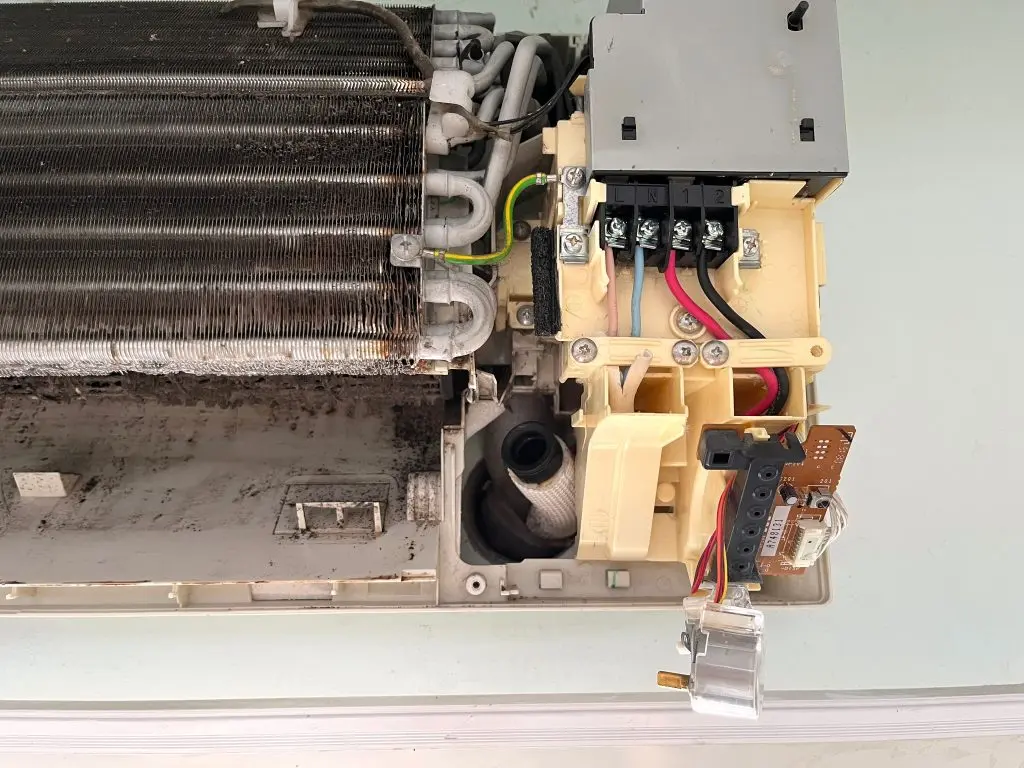
Even with a clean air filter, the evaporator coil gradually accumulates fine particles over time. A dirty evaporator coil acts as insulation, reducing the air conditioner coils’ ability to absorb heat from passing air. When the air conditioner coils cannot transfer heat efficiently, the coil surface temperature drops and ice begins to form. This cause develops slowly over multiple seasons and is often what drives recurring air conditioner freezing in systems that were not freezing the previous year. We are proud to serve home and business owners in Travelers Rest, SC, and nearby communities with AC repair, coil cleaning, and more.
- Signs of a dirty evaporator coil: Gradually declining cooling performance over one or two seasons before the freeze occurs, longer than normal run times, and higher energy bills.
- This requires professional cleaning: Dirty evaporator coil cleaning involves accessing the air handler, applying coil cleaner, and confirming proper drainage. It is not a DIY task.
- Prevention: Consistent air filter replacement is the most effective way to slow dirty evaporator coil buildup between professional service visits.
4. Low Refrigerant From a Leak
Low refrigerant is one of the most serious causes of a frozen AC unit. When refrigerant levels drop due to a leak in the sealed system, the pressure inside the evaporator coil falls below its normal operating range. That pressure drop causes the air conditioner coils to drop significantly below their intended operating temperature, and ice builds up rapidly. Unlike a dirty air filter or blocked vent, a refrigerant leak will cause the coil to refreeze quickly after thawing.
- Signs of low refrigerant alongside freezing: Ice forming on the refrigerant lines outside the air handler, warm air from vents even when the air conditioning system is running, hissing or bubbling sounds near the indoor unit.
- This is not a DIY fix: Handling refrigerant requires EPA 608 certification. The refrigerant leak must be located and repaired before the system is recharged, or the refrigerant will simply escape again.
- When to call: Any frozen air conditioner that refreezes after thawing and filter replacement should be evaluated for a refrigerant leak before the system is run again.
5. Blower Motor Problems
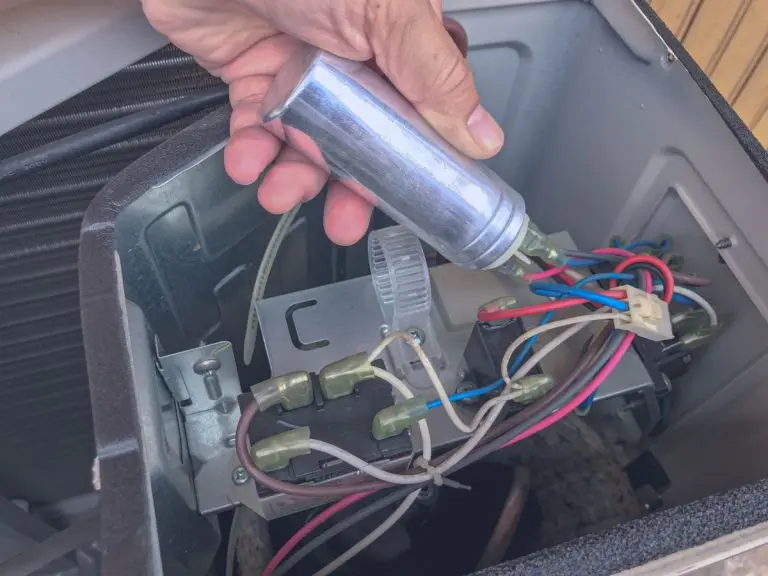
The blower motor is responsible for moving air across the evaporator coil throughout the cooling cycle. A failing blower motor may move significantly less air than the air conditioning system requires, even when it appears to be running. The result is the same as any other air flow restriction: the air conditioner coils drop in temperature and ice forms. Blower motor issues develop gradually, making them harder to identify without professional testing.
- Signs of a blower motor problem: Noticeably weak air flow from supply vents even with a clean air filter, a humming or grinding noise from the air handler, or the cooling system running but not moving enough air to feel effective.
- How a technician diagnoses it: A technician measures motor amperage and airflow volume to confirm whether the blower is performing within its rated specifications.
- Repair or replacement: A failing blower motor capacitor is a relatively inexpensive fix. A failing motor itself is more involved but still far less costly than the compressor damage that results from running a frozen air conditioner.
6. Running the AC When Outdoor Temperatures Are Too Low
Air conditioner units are designed to operate within a specific outdoor temperature range, typically above 60 degrees Fahrenheit. Running the air conditioning unit when outdoor temperatures drop below that threshold can cause the refrigerant to absorb insufficient heat outdoors, which drops the air conditioner coils below freezing. This is a particularly common cause of air conditioner freezing during shoulder seasons when homeowners run the AC on mild days that turn cold at night.
- The fix: Turn the air conditioning unit off when outdoor temperatures are expected to drop below 60 degrees. Use fans or open windows for cooling on mild nights instead.
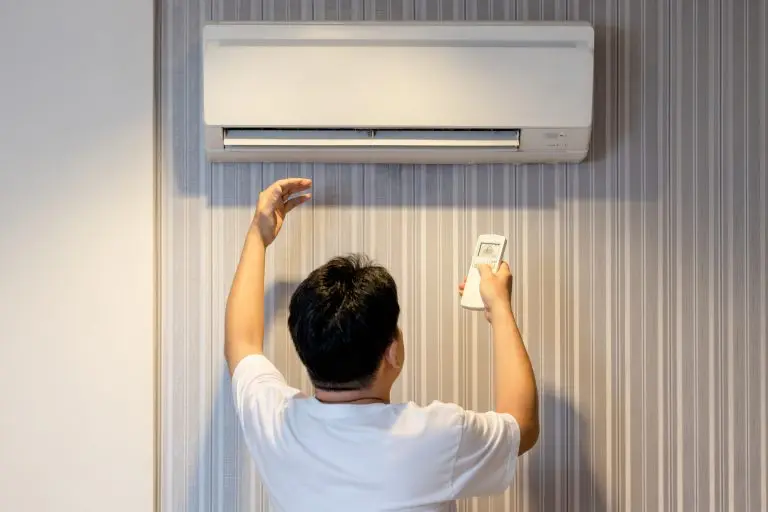
- Smart thermostat solution: A smart thermostat with outdoor temperature awareness can be programmed to automatically stop running the air conditioning unit when outdoor temperatures fall below the system’s designed operating range.
- Not a mechanical failure: Unlike the other causes on this list, temperature-related freezing does not indicate a problem with the air conditioning system itself.
What Happens If You Ignore a Frozen AC Unit
Running a frozen air conditioner without addressing the underlying cause creates a cascade of increasingly expensive problems.
| What Is At Risk | How It Happens |
| Compressor damage | Liquid refrigerant returns to the compressor when the air conditioner coils are frozen, causing serious internal damage |
| Water damage | Ice melt can overwhelm the condensate pan and drain into walls, ceilings, or flooring |
| Evaporator coil damage | Repeated freeze and thaw cycles stress coil connections and can cause refrigerant leaks |
| Blower motor damage | The motor works harder against ice-restricted air flow, overheating and wearing faster |
| Higher energy bills | A frozen air conditioner runs continuously without reaching the set temperature, consuming electricity without cooling |
Frequently Asked Questions About AC Freezing Up
These are the questions we hear most often from homeowners dealing with a frozen air conditioner. If your situation is not covered here, a call to Eastergard HVAC is the fastest way to get a straight answer.
Can I run my AC while it is frozen?
No. Running a frozen air conditioner risks sending liquid refrigerant back into the compressor, which can cause permanent and expensive damage. Turn the air conditioning system off, run the fan only to thaw the air conditioner coils, and do not restart in cooling mode until the ice has fully melted and the underlying cause has been identified and addressed.
How long does it take for a frozen AC coil to thaw?
Most frozen air conditioner coils thaw within two to four hours when the system is turned off and the fan is set to ON. A heavily iced air conditioner unit may take longer. Do not attempt to speed up thawing by applying heat or chipping the ice, as both methods can damage the coil fins and refrigerant lines.
Why does my AC keep freezing up after I thaw it?
A frozen air conditioner that refreezes shortly after thawing and filter replacement almost always indicates a cause beyond restricted air flow. A refrigerant leak, a dirty evaporator coil, or a failing blower motor are the most likely culprits. A professional diagnosis is the right next step to avoid repeated freeze and thaw cycles that stress the compressor and air conditioner coils.
Is a frozen AC covered by my home warranty or HVAC warranty?
Coverage depends on the cause of the freeze and the terms of your specific warranty. Air conditioner freezing caused by a refrigerant leak or a failed component may be covered. Freezing caused by a neglected dirty air filter or closed vents typically is not. Eastergard HVAC can document the cause and provide the information needed to support a warranty claim where applicable.
Stop the Freeze With Eastergard HVAC
A frozen air conditioner is your cooling system’s way of telling you something is wrong, and the sooner the underlying cause is identified and fixed, the less damage it does. Eastergard HVAC has been diagnosing and repairing air conditioning systems in the Greenville area since 1989, and our licensed technicians can identify the root cause of AC freezing quickly and give you honest options for resolving it.
Contact Eastergard HVAC today to schedule your AC repair visit. Call or text us at 864-235-2935 or send us an email, and we will get your system thawed out and running the way it should.
Recent Articles POSTS