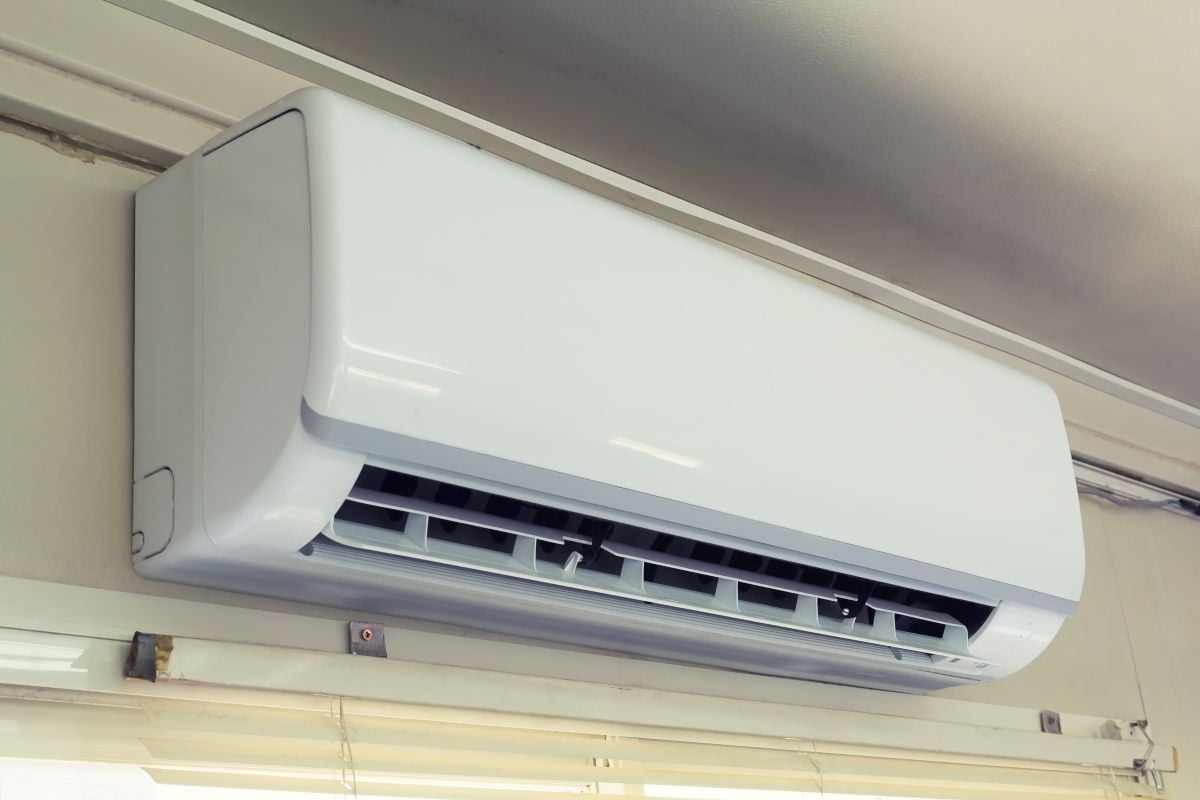
Mini Split AC Installation Cost: 10 Key Factors That Impact Pricing
Mini split ac installation cost varies widely depending on your home’s layout, system size, and installation complexity. While many homeowners focus on equipment pricing alone, the final investment includes several technical and structural considerations involved in upgrading your air conditioning system.
Before budgeting for your project, keep these key elements in mind:
- Number of indoor units: Multi-zone systems increase overall cost.
- System capacity: Larger spaces require higher BTU ratings.
- Installation difficulty: Wall access and line routing affect labor time.
- Electrical upgrades: Panel capacity may need modification.
Understanding what drives pricing helps you plan realistically and avoid unexpected expenses.
Why Mini Split Installation Costs Can Differ
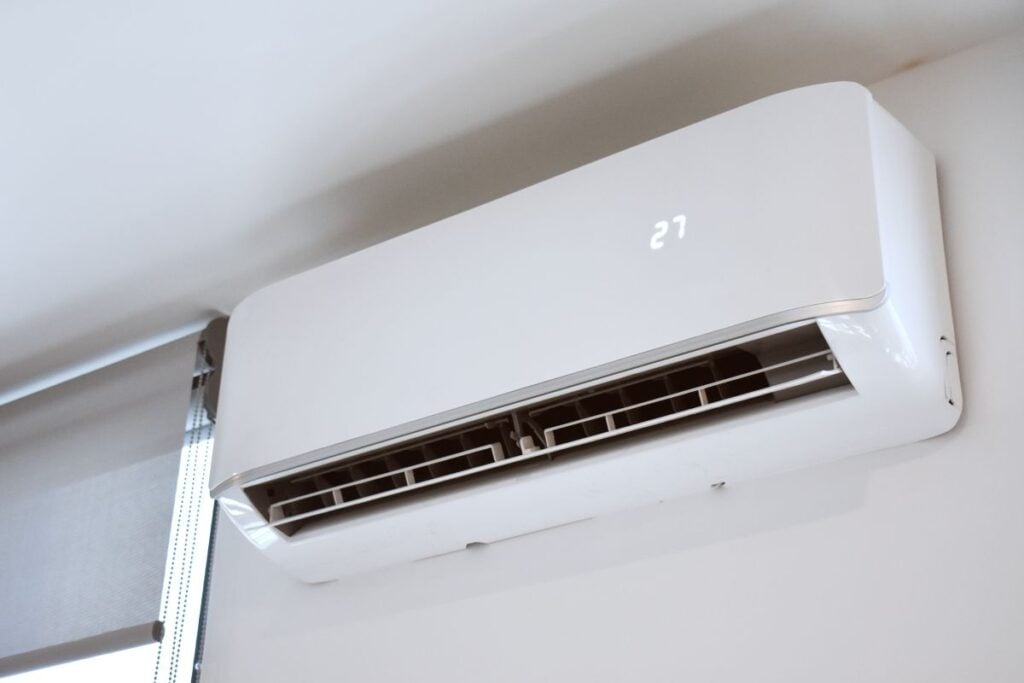
A mini split system is not a one-size-fits-all solution. Each home requires proper load calculations, careful placement of indoor components, and strategic positioning of the outdoor unit. Even two homes of similar square footage in Greer may have different pricing due to layout constraints or accessibility.
According to the U.S. Department of Energy, duct losses can account for more than 30 percent of energy consumption for space conditioning, which makes ductless systems an energy-efficient alternative.
10 Key Factors That Impact Mini Split AC Installation Cost
Several components influence your final mini split ac installation cost. Below are the most important variables homeowners should understand before deciding to install a mini split.
1. Single-Zone vs. Multi-Zone Systems
The number of indoor units directly impacts equipment and labor costs. A single-zone mini split cools one space, while multi-zone systems support multiple rooms from one outdoor unit.
- Single-zone system: Lower equipment and labor cost.
- Multi-zone configuration: Requires additional indoor units.
- Increased connections: More materials and setup time.
More zones increase flexibility but also raise the overall investment.
2. BTU Capacity and System Size
System size is determined by a professional load calculation rather than square footage alone. Oversizing or undersizing can affect performance and efficiency.
- Higher BTU rating: Larger areas require greater capacity.
- Accurate load calculation: Prevents short cycling.
- Balanced output: Ensures consistent comfort.
Correct sizing protects both comfort and equipment lifespan.
3. Installation Location and Accessibility
Physical access to installation areas affects labor time and complexity.
- Exterior wall penetration: Required for refrigerant lines.
- Attic or crawl space routing: Adds installation time.
- Mounting surface preparation: May require reinforcement.
Homes with easier access typically cost less to complete.
4. Electrical Requirements
Mini split systems require a dedicated circuit to power the outdoor unit and indoor components safely.
- Circuit installation: Ensures stable power supply.
- Panel upgrades: May be required for larger systems.
- Code compliance: Meets local safety standards.
Electrical upgrades are a common contributor to total installation cost.
5. Brand and Equipment Quality
Different manufacturers offer various efficiency levels and features.
- Premium brands: Higher upfront investment.
- Inverter-driven heat pump technology: Improves efficiency.
- Extended warranties: Added long-term protection.
Equipment quality influences both initial pricing and lifetime value.
6. Line Set Length and Routing
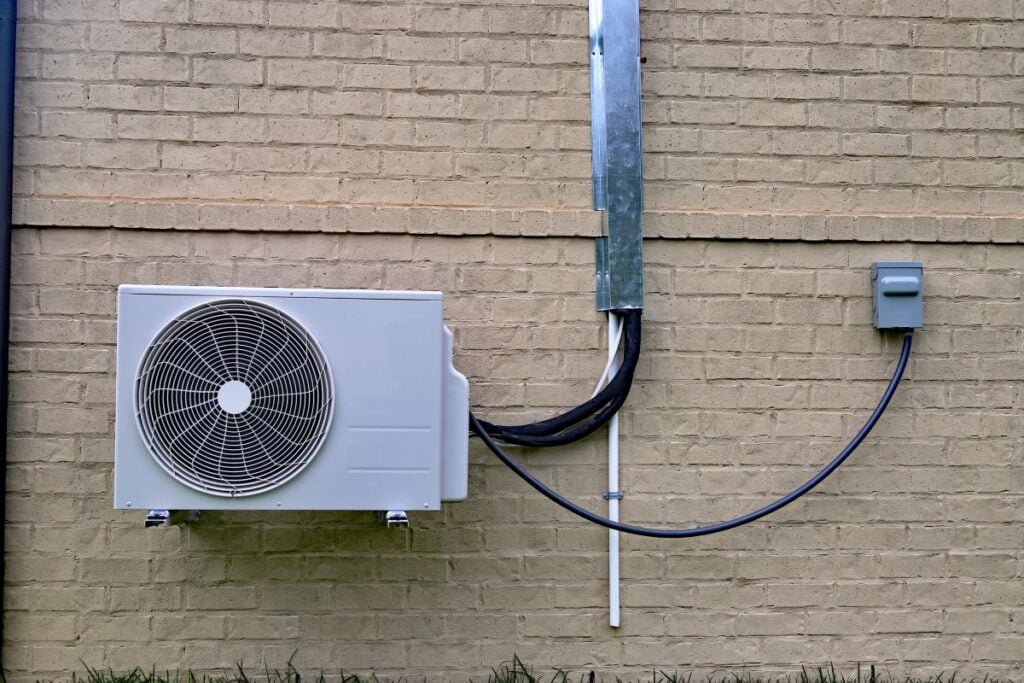
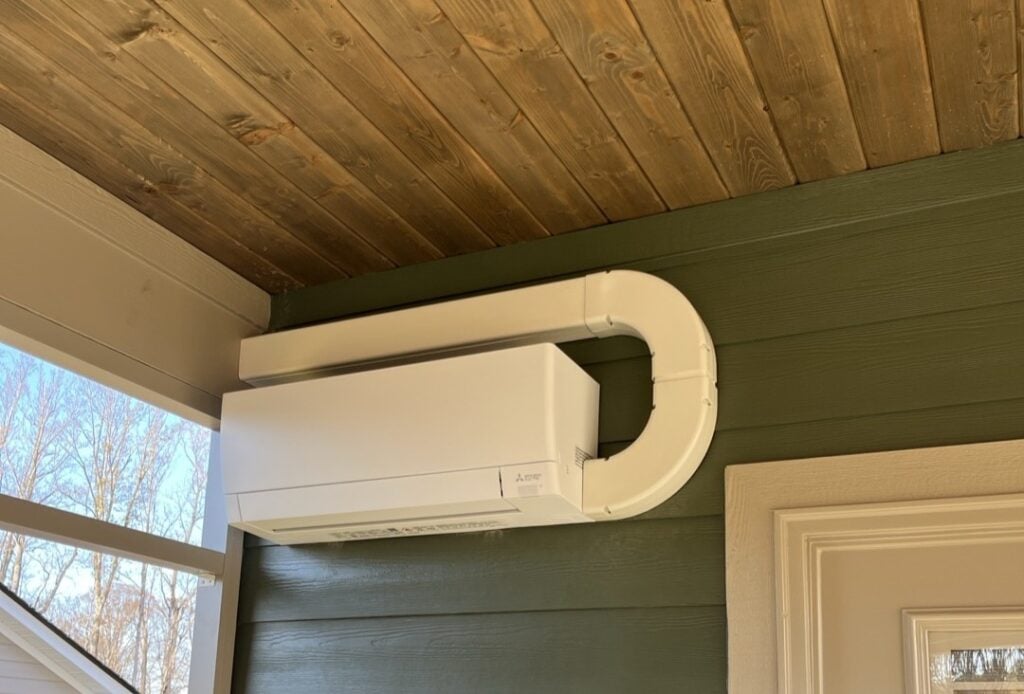
The distance between indoor components and the outdoor unit impacts material and labor costs.
- Longer line sets: Increased refrigerant and material expense.
- Complex routing paths: More installation time.
- Protective line covers: Additional finishing options.
Layout plays a major role in final pricing.
7. Mounting Type and Configuration
Indoor units can be installed in various configurations depending on space.
- Wall-mounted units: Most common and cost-effective.
- Ceiling cassette systems: Higher installation cost.
- Floor-mounted options: Used in specific layouts.
Mounting style influences both labor and material expenses.
8. Removal of Existing Equipment
If replacing an older air conditioning system or outdated heat pump, removal and disposal increase project scope.
- Refrigerant recovery: Required by environmental regulations.
- Old equipment disposal: Labor and transport costs.
- Preparation for new placement: Ensures proper fit.
Replacement projects often cost more than first-time installations.
9. Permit and Inspection Fees
Local building codes may require permits before installation begins.
- Permit fees: Vary by municipality.
- Inspection requirements: Confirm safe installation.
- Code adjustments: May require minor modifications.
Permits ensure compliance and long-term reliability.
10. Labor Experience and Professional Expertise
The experience of the installation team plays a critical role in system performance.
- Licensed technicians: Ensure proper system setup.
- Vacuum and pressure testing: Prevent refrigerant leaks.
- System calibration: Optimizes cooling efficiency.
Professional installation helps control energy costs and maximize the life of your mini split system.
We’re proud to serve home and business owners in Greer, SC, and nearby communities with mini split installation and cooling solutions.
Typical Cost Breakdown Overview
While exact pricing depends on your home and configuration, the table below outlines general cost contributors.
| Cost Component | Impact on Total Price |
| Equipment | Largest portion |
| Labor | Based on complexity |
| Electrical Upgrades | Variable |
| Line Set Materials | Moderate |
| Permit Fees | Minor |
| Old System Removal | Moderate |
An in-home consultation provides the most accurate pricing estimate for your project.
What to Expect During Installation
Knowing the process helps homeowners feel confident before deciding to install a mini split system.
- Home evaluation and load calculation: Determines proper sizing for your space.
- Mounting and line routing: Indoor components and outdoor unit are secured and connected.
- Electrical connection: Dedicated circuit installed if required.
- Vacuum and pressure testing: Ensures leak-free refrigerant performance.
- Final system calibration: Confirms balanced cooling output and efficiency.
A structured installation process ensures your air conditioning system operates reliably from day one.
Common FAQs About Mini Split AC Installation Cost
Homeowners often have questions before investing in ductless cooling.
How much does it cost to install a mini split?
Pricing varies depending on zones, electrical upgrades, and installation complexity. A professional evaluation provides an accurate estimate.
Are mini splits more expensive than central air?
Upfront costs can be comparable, especially for multi-zone systems. However, improved efficiency may lower long-term energy costs.
Can a mini split function as a heat pump?
Yes. Most modern mini split systems operate as heat pumps, providing both heating and cooling from one unit.
How long does installation take?
Single-zone systems are often installed in one day. Larger multi-zone projects may require additional time.
Are mini splits energy efficient?
Yes. Because they eliminate duct losses and offer zoned comfort, they often reduce overall energy costs compared to traditional systems.
Upgrade Comfort With Eastergard HVAC, Inc.
At Eastergard HVAC, Inc., we understand that mini split ac installation cost is a major consideration. Our experienced technicians evaluate your home carefully, explain pricing factors clearly, and ensure precise installation for long-term performance and efficiency.
If you are considering a mini split system in Greer, contact Eastergard HVAC, Inc. today to schedule a professional consultation and receive a customized estimate tailored to your home’s needs.
Recent Articles POSTS