Downflow vs. Horizontal Furnace Installation: Which Works Best?
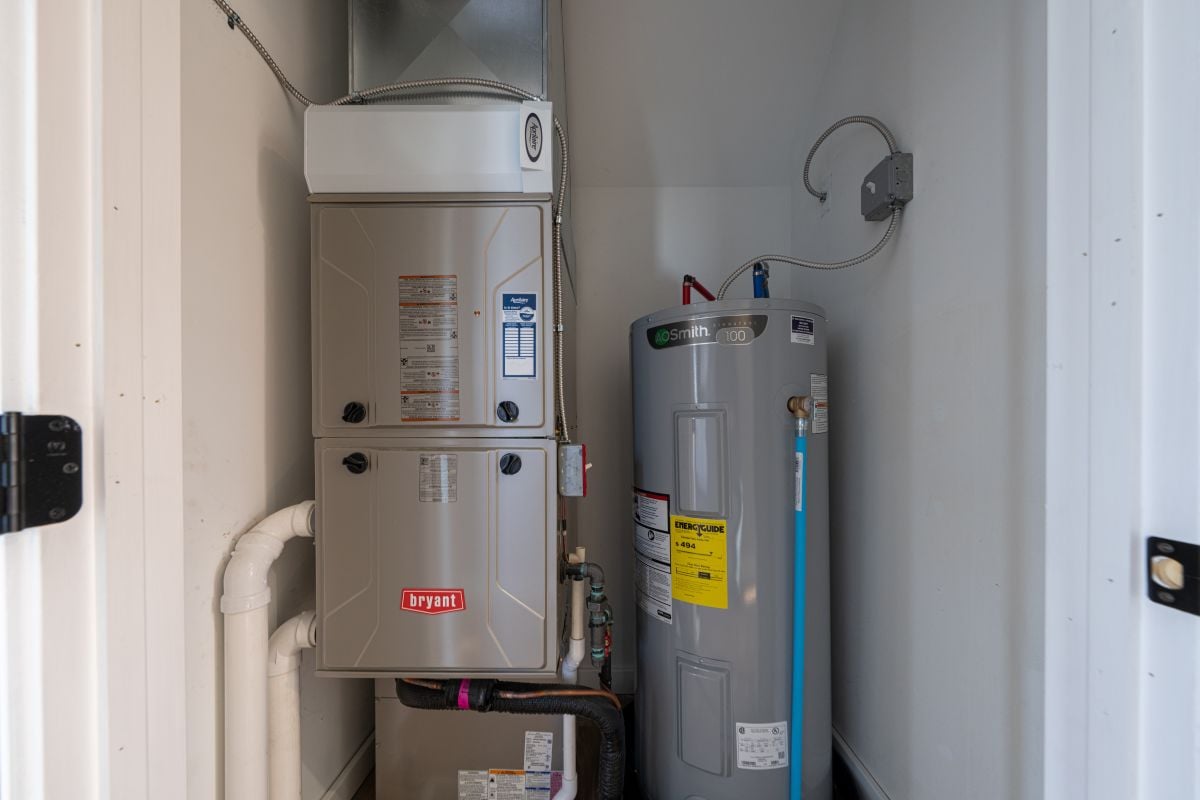
Downflow furnace installation is often recommended for certain home layouts, but it is not always the only option. Choosing between a downflow furnace and a horizontal configuration depends on how your house is built, how ductwork is routed, and your long-term heating goals. Understanding how warm air moves through the home is crucial before deciding which setup should be installed.
When comparing these two configurations, consider:
- Home layout: Slab foundations, crawl spaces, or attic placement affect compatibility.
- Air circulation: How warm air and cool air travel throughout the house.
- Available space: Clearance and accessibility influence placement.
- Long-term efficiency: Proper planning supports performance and potential energy savings.
Selecting the right configuration helps ensure consistent comfort while protecting overall efficiency year round.
What Is the Difference Between Downflow and Horizontal Furnaces?
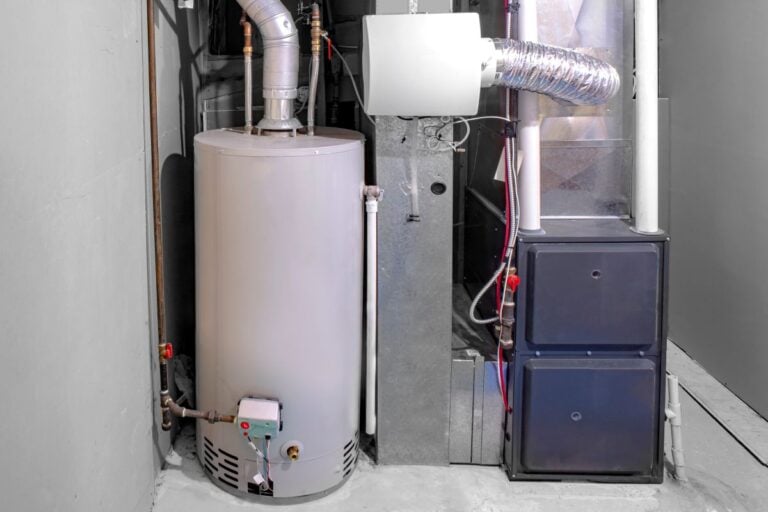
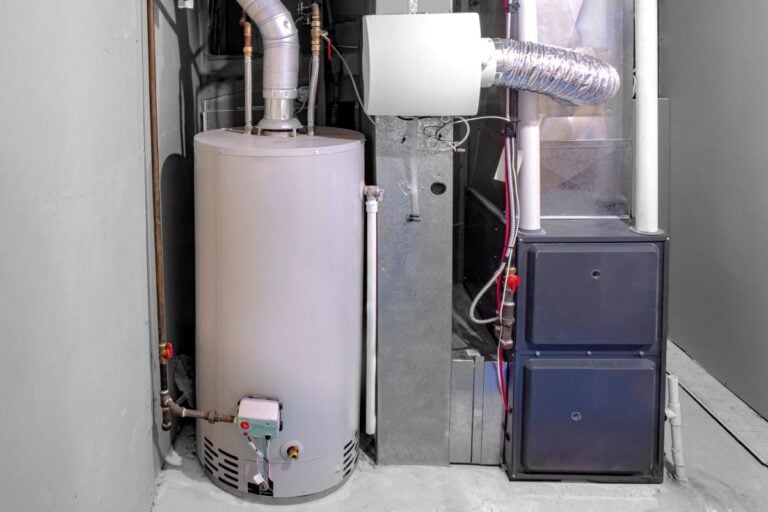
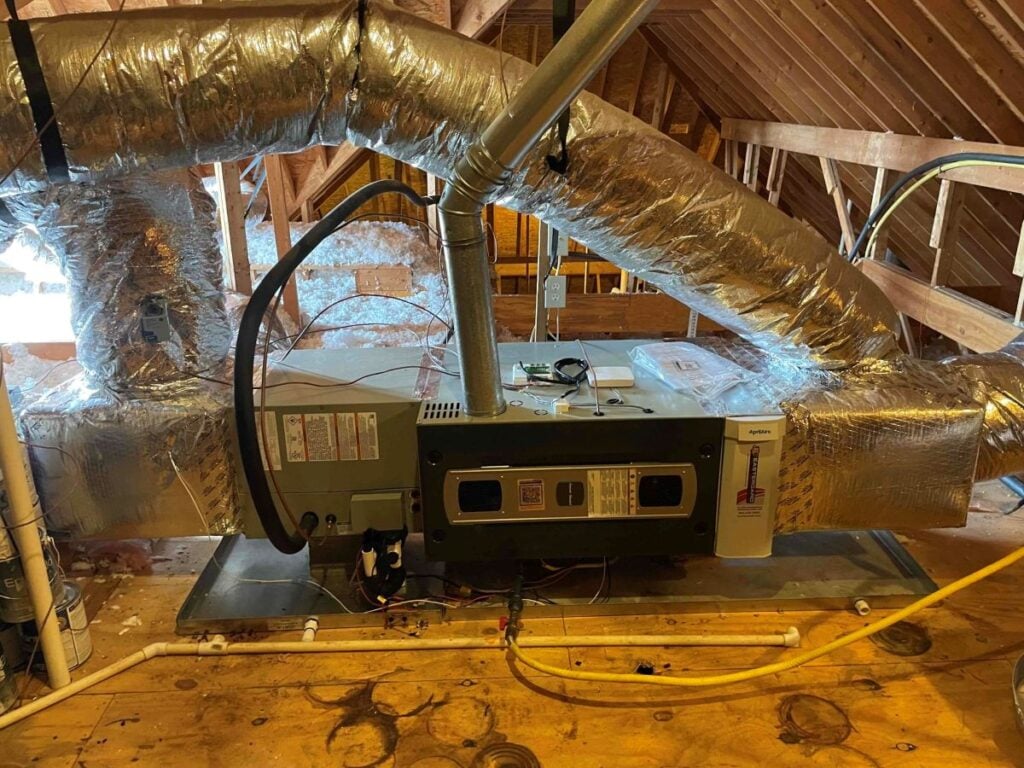
All furnaces generate heat in a similar way, but how heated air travels through the house varies. A downflow furnace pulls air in from above and pushes warm air downward into ducts positioned beneath it. A horizontal flow furnace moves heated air sideways, making it well suited for attic or crawl space placement.
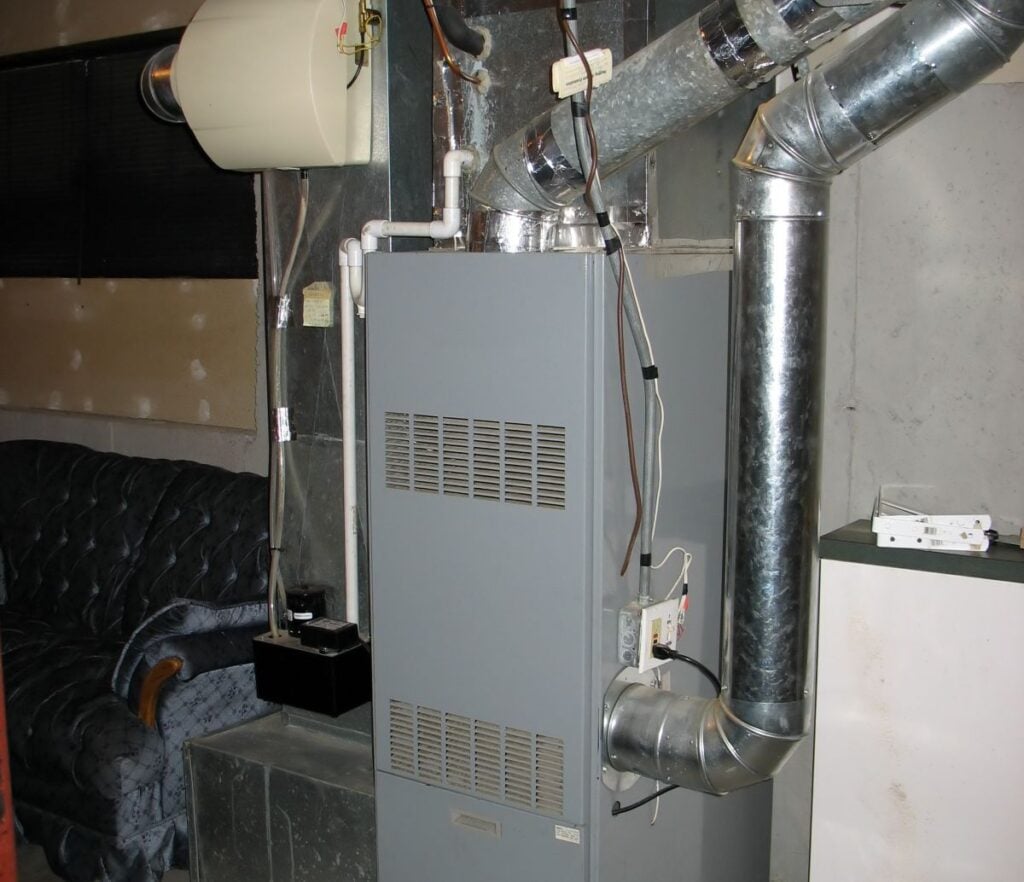
It also helps to understand how these compare to an upflow furnace. An upflow furnace pushes warm air upward and is commonly installed in basements. The main difference between downflow, horizontal, and upflow models is how they align with the structure of the house and existing ductwork.
When matched correctly to the layout, both configurations can deliver strong heating performance and maintain steady efficiency.
6 Key Factors to Compare Before Choosing
Before selecting which configuration should be installed, several important factors should be reviewed. Your home’s construction, existing ducts, and future heating and cooling plans all influence the final decision.
1. Home Foundation Type
Foundation design often determines which style works best. Slab homes typically favor a downflow furnace because heated air can move directly into ducts below the floor.
- Slab foundations: Downward movement aligns naturally with below-floor ducts.
- Raised foundations: May allow for horizontal or vertical placement.
- No basement: Eliminates the need for an upflow furnace.
2. Equipment Location Within the House
Where the heating equipment will be installed is a major consideration. Attics and crawl spaces frequently require horizontal models because vertical clearance is limited.
- Interior closets: Often accommodate vertical downflow units.
- Attics: Horizontal units fit low-clearance areas.
- Crawl spaces: Side discharge works well when space is tight.
3. Existing Ductwork Layout
The layout of ductwork plays a significant role in determining which furnace style makes the most sense. Extensive modifications to ducts can increase cost and complexity.
- Below-floor ductwork: Supports downflow placement.
- Side-entry ducts: Align better with horizontal units.
- Upward routing: May favor an upflow furnace instead.
Choosing a configuration that works with your existing ducts often improves overall efficiency and reduces unnecessary adjustments.
4. Heating Performance and Efficiency
Both furnace styles can perform efficiently when properly sized and installed. The key is ensuring warm air circulates evenly and cool air returns properly.
- Even temperature control: Prevents hot and cold spots.
- Reduced strain: Proper configuration protects components.
- Energy efficiency: Supports long-term savings on monthly bills.
5. Service and Maintenance Access
Accessibility affects how easily heating units can be maintained over time. Planning for service access during placement helps avoid complications later.
- Closet installations: Typically easier to access.
- Attic placements: May require additional clearance.
- Long-term reliability: Proper access supports ongoing efficiency.
6. Compatibility With Cooling and Heat Pump Options
If you plan to add or upgrade cooling equipment or a heat pump, configuration matters. The heating setup must work seamlessly with the broader system.
- Coil positioning: Must align with ductwork layout.
- Heat pump integration: Requires careful planning.
- Whole-house comfort: Balanced heating and cooling improve overall savings.
We’re proud to serve home and business owners in Simpsonville, SC, and nearby communities with furnace, heat pump, and complete heating and cooling services.
Comparing Downflow vs. Horizontal Furnace Installation
Choosing between a downflow furnace and a horizontal configuration depends on the structure of your house and how ductwork is arranged. The right option improves efficiency, enhances comfort, and protects the long-term performance of your heating system.
Why Downflow Furnace Installation Makes Sense
A downflow furnace works well in slab foundation homes or interior closets where ducts are located below the equipment. Because warm air moves downward, this configuration often aligns naturally with below-floor routing.
- Direct downward heating: Warm air flows efficiently into floor-level ducts.
- Compact placement: Ideal for smaller mechanical spaces.
- Minimal duct changes: Works with existing below-floor ductwork.
- Reliable performance: Supports steady comfort when properly installed.
Why Horizontal Furnace Installation Is Often Preferred
Horizontal models are commonly installed in attics or crawl spaces where vertical space is limited. By moving warm air sideways, these units adapt well to tight structural spaces.
- Attic compatibility: Fits low-clearance environments.
- Crawl space adaptability: Works in confined areas.
- Flexible duct connections: Integrates with side-entry ducts.
- Consistent heating: Maintains comfort throughout the house.
Installation Quality Matters More Than Orientation
No matter which style you choose, proper workmanship is essential. Even high-quality units can underperform if not installed carefully and calibrated correctly.
- Accurate load calculation: Ensures correct heating capacity.
- Sealed duct connections: Prevents energy loss and improves efficiency.
- Balanced distribution testing: Confirms even comfort throughout the house.
- Precision calibration: Supports safe and dependable operation.
A properly installed furnace supports long-term efficiency, reduces unnecessary wear, and contributes to measurable energy savings over time.
Choose the Right Setup With Eastergard HVAC, Inc.
At Eastergard HVAC, Inc., we evaluate your house, ductwork, and comfort goals before recommending a configuration. Whether a downflow furnace, horizontal model, or upflow furnace is best suited for your home, our team ensures it is properly installed for optimal efficiency.
We focus on performance, reliability, and long-term savings so your heating units operate smoothly throughout the season. If you are considering furnace replacement or upgrades in Simpsonville, contact Eastergard HVAC, Inc. today to schedule a professional evaluation and determine which option works best for your home.
Recent Articles POSTS