Mini Split Heating: 5 Reasons It Works for Cooler Months
Most people think of mini split systems as a way to cool a hot bonus room in July, but they are just as useful once the temperature drops. Mini split heating gives Upstate homeowners an efficient, quiet way to warm the rooms they actually use, without fighting with ductwork or dragging a space heater from room to room. If you are weighing a ductless system for your home, our team handles ductless mini split installation across the Upstate and can help you figure out whether it is the right fit.
Here is what we will cover:
- How mini split heating works: Why a heat pump can warm your home in winter.
- 5 reasons it works for cooler months: From efficiency to quiet, room-by-room comfort.
- What to expect in cold weather: How defrost works and what is normal.
- Tips for better winter performance: Simple habits that keep your system running well.
How Mini Split Heating Works
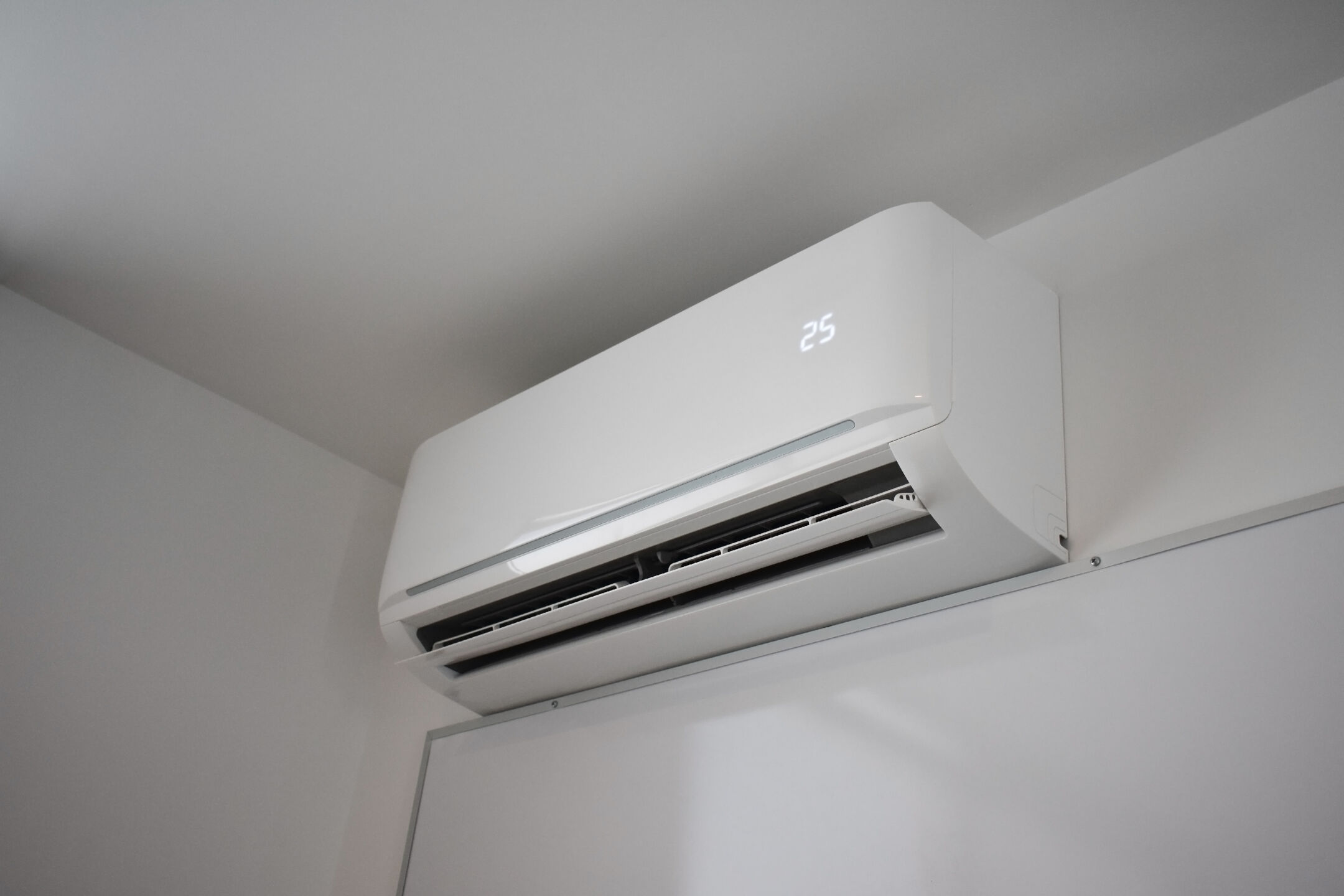
Ductless mini split systems are heat pumps. Each one pairs an outdoor unit with one or more indoor air handlers mounted on a wall or ceiling, and the indoor and outdoor units are connected by a small conduit that carries refrigerant lines, power, and a condensate drain.

In winter, the system reverses the cooling process. Instead of pulling heat out of your home, it pulls heat from the outdoor air and moves it inside, even when it feels cold out. Because this heat pump technology moves heat rather than creating it, it can warm your rooms using far less energy than resistance heaters or heat strips.
5 Reasons Mini Split Heating Works for Cooler Months
These five reasons explain why so many Upstate homeowners rely on mini splits through fall and winter. Some are about comfort, some are about cost, and most apply whether you are heating one room or a whole house.
1. It Moves Heat Instead of Making It
Space heaters and electric baseboard heaters turn electricity directly into heat, which is simple but expensive to run. A mini split uses electricity to move heat that already exists in the outdoor air, so it delivers more warmth for the same amount of power. According to ENERGY STAR, certified mini splits use up to 60% less energy than standard home electric radiators.
- Lower operating costs: Homes that rely on space heaters or baseboard heat often see a noticeable drop in heating costs.
- One system, both seasons: The same unit heats in winter and cools in summer, and many models include a dedicated dehumidification mode for the Upstate’s humid months.
2. No Ductwork Means No Duct Losses
Central air systems push warm air through ducts, and those ducts often run through cold attics and crawl spaces. Leaky joints and uninsulated duct runs in those spaces can lose a meaningful share of your heat before it ever reaches your rooms.
- Direct delivery: A mini split sends heat straight into the room through the indoor unit.
- Better energy efficiency: Without ducts, there are no leaky joints or uninsulated runs eating into your heating.
3. You Heat Only the Rooms You Use
Each indoor unit has its own controls, giving you independent temperature control in every zone. A guest room can stay cool until company arrives, while the living room stays warm all evening.
- Independent zones: Each indoor unit heats its own space on its own schedule.
- Mitsubishi zoning: With Mitsubishi equipment, each zone gets its own indoor head, one per zone, rather than relying on dampers and a zone board.
- Less wasted energy: Empty rooms do not get heated to the same level as the rooms you are in.
- Problem rooms solved: A bonus room over the garage, a sunroom, or an addition the main system never reached can finally stay warm, and it beats running an extension cord to a space heater.
4. It Handles Upstate Winters With Ease
Upstate winters are mild compared to much of the country, which is exactly the range where heat pumps work best. Most of the season, mini split heat pumps run efficiently without breaking a sweat. We are proud to serve home and business owners in Travelers Rest, SC, and nearby communities with mini split installation, heating maintenance, and more.
- Built for colder weather: Mitsubishi’s cold climate models are designed to keep heating at temperatures well below what the Upstate typically sees.
- Mitsubishi Ductless Pro: As a certified Mitsubishi Ductless Pro, Eastergard installs and services these systems across the Greenville area.
5. It Runs Quietly
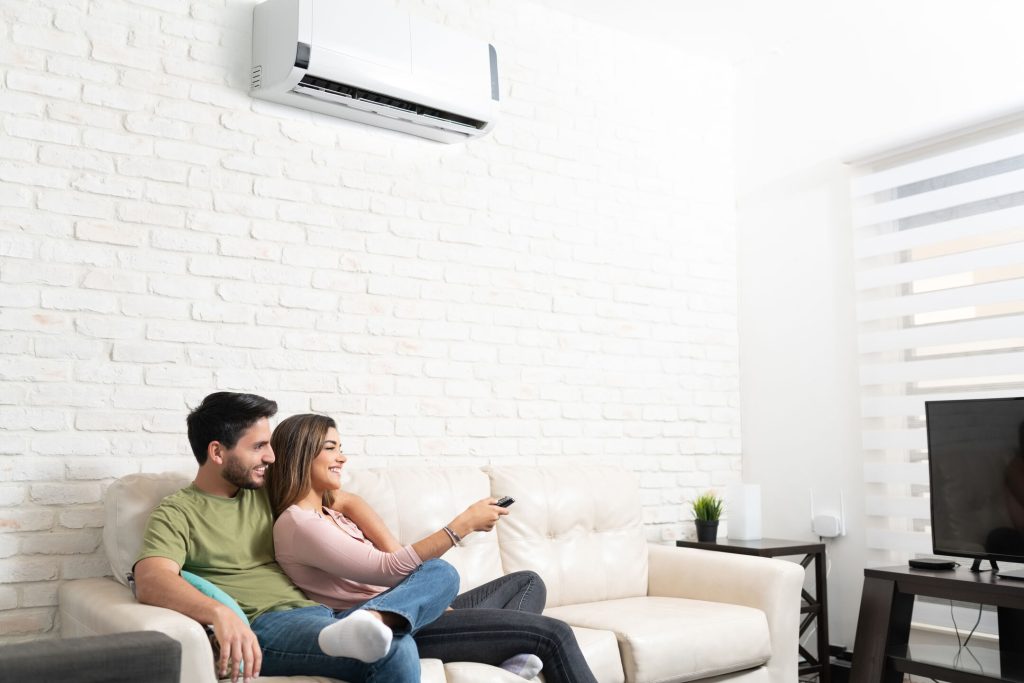
Nobody wants a heater that clanks, rattles, or roars every time it kicks on. Mini split indoor units are some of the quietest heating options available.
- Low noise levels: Indoor units operate at 19 to 32 decibels depending on fan speed.
- No duct noise: Without ductwork, there are no popping ducts or rushing air through vents.
- Flexible outdoor placement: The outdoor unit can sit away from bedrooms and living spaces.
What to Expect From Mini Split Heating in Cold Weather
Mini splits behave a little differently from a furnace in winter, and knowing what is normal saves you a worried phone call. The most common surprise is the defrost cycle.
- Defrost is normal: When frost builds up on the outdoor coil, the system briefly reverses to melt it. The indoor unit may stop blowing warm air for a few minutes while this happens.
- Steam is normal: Vapor rising from the outdoor unit during defrost is melting frost, not smoke.
- Steady, gentle heat: Mini splits often run longer at lower speeds, delivering a steady stream of warm air rather than short blasts.
Tips for Better Mini Split Heating Performance
A few simple habits help your mini split heat efficiently all season. None of these replace professional maintenance, but they make a real difference day to day.
- Set it and leave it: Mini splits run most efficiently when they hold a steady temperature, so avoid big swings up and down.
- Keep the filters clean: Indoor units have washable filters that should be cleaned regularly to keep air moving.
- Clear the outdoor unit: Keep leaves, debris, and anything else away from the outdoor unit so it can pull in air.
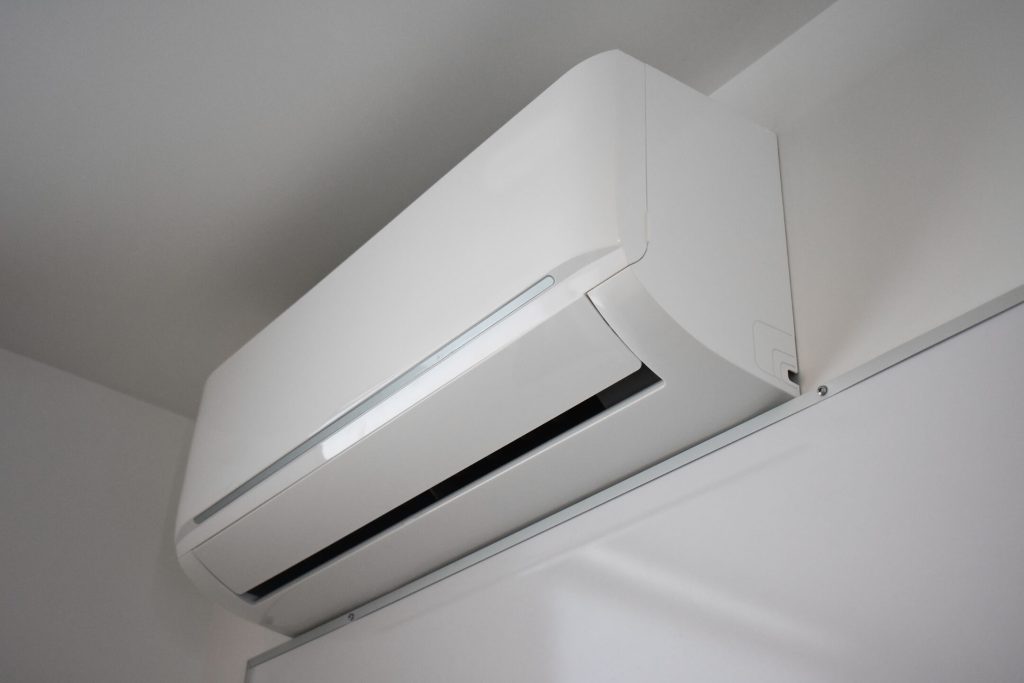
- Leave space around the indoor unit: Furniture and curtains in front of the indoor unit block airflow.
- Schedule maintenance twice a year: Mini splits need an AC maintenance visit in the spring to clean the condenser coil and a heat maintenance visit in the fall to clean the indoor blower wheels. A mini split maintenance plan keeps both visits on the calendar.
Frequently Asked Questions About Mini Split Heating
These are the questions we hear most often from Upstate homeowners considering a mini split for heating. If your situation isn’t covered here, our team is happy to walk you through it.
Can a mini split heat my whole house?
Yes, with the right setup. A multi-zone system connects multiple indoor units to one outdoor unit, and proper sizing of each indoor unit is essential to avoid short cycling.
Will a mini split keep my home warm in a South Carolina winter?
Yes. Upstate winters fall well within the range where mini splits heat efficiently, and cold climate models are built for much colder conditions than the Upstate typically sees.
Why is my mini split not blowing any air in heat mode?
It is most likely in a defrost cycle. Mini splits stop blowing air for a few minutes while the outdoor coil clears, unlike a traditional split system that keeps blowing warm air from its heat strips. If it happens constantly or the room never warms up, schedule a service visit.
Are there rebates for mini split heating?
Duke Energy periodically offers rebates for qualifying heat pump installations, and availability changes throughout the year. Eastergard can help you identify which systems qualify.
Stay Warm This Winter With Eastergard HVAC
Mini split heating is one of the most efficient ways to warm the rooms you live in, and it pays you back again every summer. Eastergard HVAC has been serving the Greenville area since 1989 as a family-owned, locally operated company, and as a Mitsubishi Ductless Pro, our team will recommend the right configuration for your home and provide a clear, itemized quote before any work begins.
Schedule your Free Replacement Upgrade Quote with Eastergard HVAC today. Call or text us at 864-235-2935 or email us at info@eastergard.com, and we will help you find the right mini split setup for the cooler months.



Recent Articles POSTS