Heat Pump vs Gas Furnace: 7 Things to Know Before You Switch
If your heating system is getting older, you have probably wondered whether your next one should be a heat pump or a gas furnace. The heat pump vs gas furnace decision affects your comfort, your energy bills, and even how you cool your home in the summer, so it is worth understanding before you commit. There is no single right answer for every home, but there is usually a clear answer for yours. Our Upstate heating service team helps homeowners work through this decision every season.
Here is what we will cover:
- How each system heats: The basic difference between moving heat and making it.
- 7 things to know before you switch: From the Upstate climate, to fuel, comfort, and maintenance.
- Dual fuel: How a system that uses both can give you the best of each.
- How to decide: What a home solutions advisor looks at when recommending a system.
How a Heat Pump and a Gas Furnace Heat Your Home
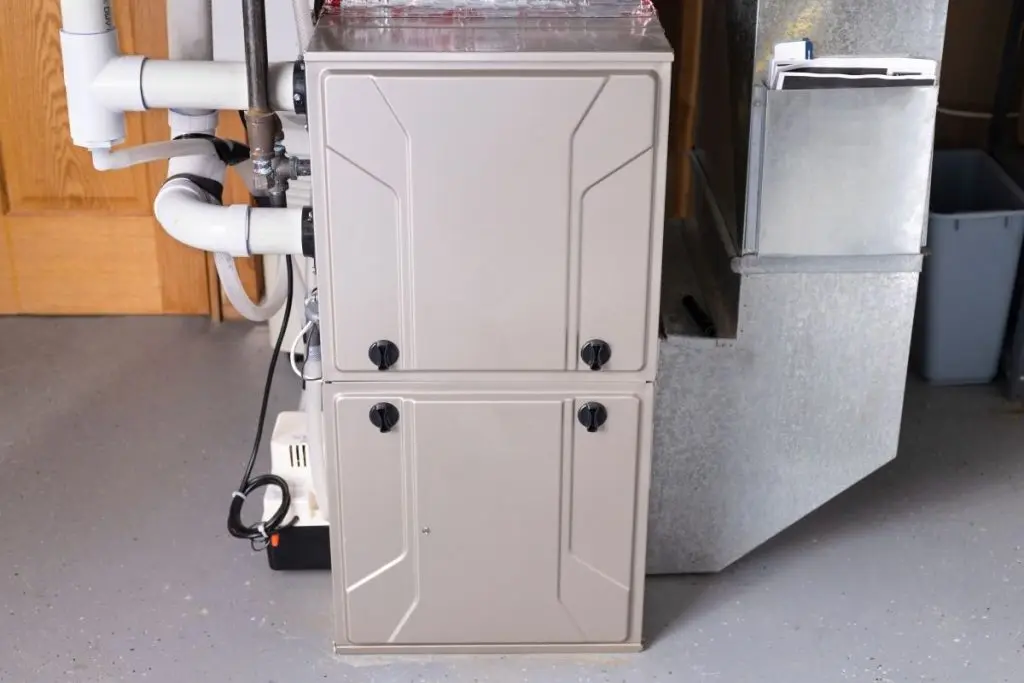
A gas furnace burns natural gas or propane to create heat, then a blower pushes that warm air through your ductwork. The blower motor moves air in both heating and cooling modes, so a furnace usually works alongside a separate air conditioning unit in the summer.
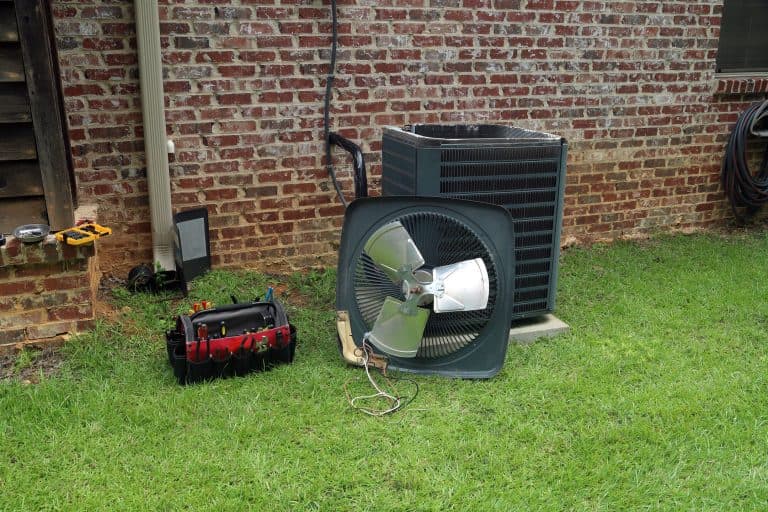
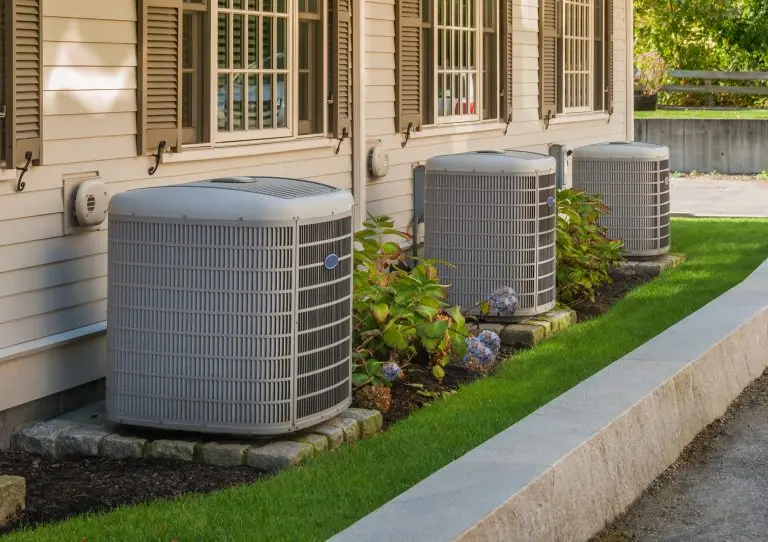
An air source heat pump doesn’t burn fuel. It pulls heat energy from the outdoor air and moves it inside in the winter, then reverses the process to cool your home in the summer. That means a heat pump handles both heating and cooling, replacing the need for a separate air conditioner.
7 Things to Know Before Switching From a Gas Furnace to a Heat Pump
These seven points cover what matters most when comparing the two. Some homeowners find the decision comes down to just one or two of them.
1. The Upstate Climate Works in a Heat Pump’s Favor
Heat pumps work best in mild winters, and Upstate winters are mild compared to much of the country. For most of the heating season, a heat pump can keep your home comfortable on its own.
- Supplemental heat: In cold temperatures or defrost mode, a heat pump uses electric heat strips for supplemental heat.
- Defrost cycles: Around 35 to 40°F, depending on thermostat settings, heat pumps can cycle into defrost 2 to 3 times per hour.
- Cold climate heat pumps: All of the variable speed systems Eastergard installs are cold climate heat pumps, and they come with significant rebates. Duke Energy, the largest energy company in our area, is encouraging this technology to reduce the need for heat strips on the grid.
- Big swings: In the Upstate, it can be 70 on Sunday and 28 by Tuesday, and a heat pump adjusts to those swings with help from its heat strips on the coldest days.
2. The Heat Feels Different
A gas furnace delivers hot air in shorter bursts and can warm a cold house quickly. A heat pump delivers a steady stream of warm air over longer cycles, which some homeowners describe as gentler and more even.
- Furnace comfort: Fast warm-up and hotter air from the vents.
- Heat pump comfort: Steady temperatures with longer, quieter run times.
- Humidity bonus: Variable speed systems also regulate humidity better because lower fan speeds allow greater humidity control.
3. Efficiency Depends on the Type of Equipment
Gas furnace efficiency comes down to AFUE, or Annual Fuel Utilization Efficiency, which shows the share of fuel that becomes heat for your home. According to ENERGY STAR, certified gas furnaces in the southern half of the U.S. will be up to 16 percent more efficient than standard models.
- Heat pump efficiency: Because an electric heat pump moves heat rather than creating it, it can warm your home using far less energy than resistance heaters or heat strips.
- High-efficiency furnaces: High-efficiency furnaces at 90% AFUE and above also have a flue pipe, since some of the fuel is not burned as a heating source.
- Your energy bills: Which system is less expensive to run in your home depends on local electric and gas or propane rates, so it is worth comparing both.
4. Gas Availability Changes the Math
If your home already has natural gas service, a gas furnace or dual fuel system stays a strong option. If it doesn’t, the choice usually becomes simpler.
- No natural gas: Furnaces can be converted to propane when natural gas isn’t available, but propane is typically more expensive.
- The usual alternative: When a gas furnace isn’t practical, the typical solution is a heat pump with electric heat strips, not a standalone electric furnace.
- Electric furnaces: Electric furnaces are more expensive to operate and more common in modular homes.
5. You May Be Replacing Two Systems, Not One
Because a heat pump both heats and cools, switching from a furnace often means replacing your air conditioner at the same time. That can make the timing of the decision important. We are proud to serve home and business owners in Greenville, SC, and nearby communities with heat pump installation, furnace service, and more.
- Aging AC and furnace: If both systems are getting older, replacing them with a single heat pump system can make sense.
- Newer AC: If your air conditioner is newer, keeping it and replacing only the furnace may be the better investment.
- Lifespans: Air conditioners typically last 12 to 15 years, and heat pumps last about 14 years.
6. Safety and Maintenance Look Different
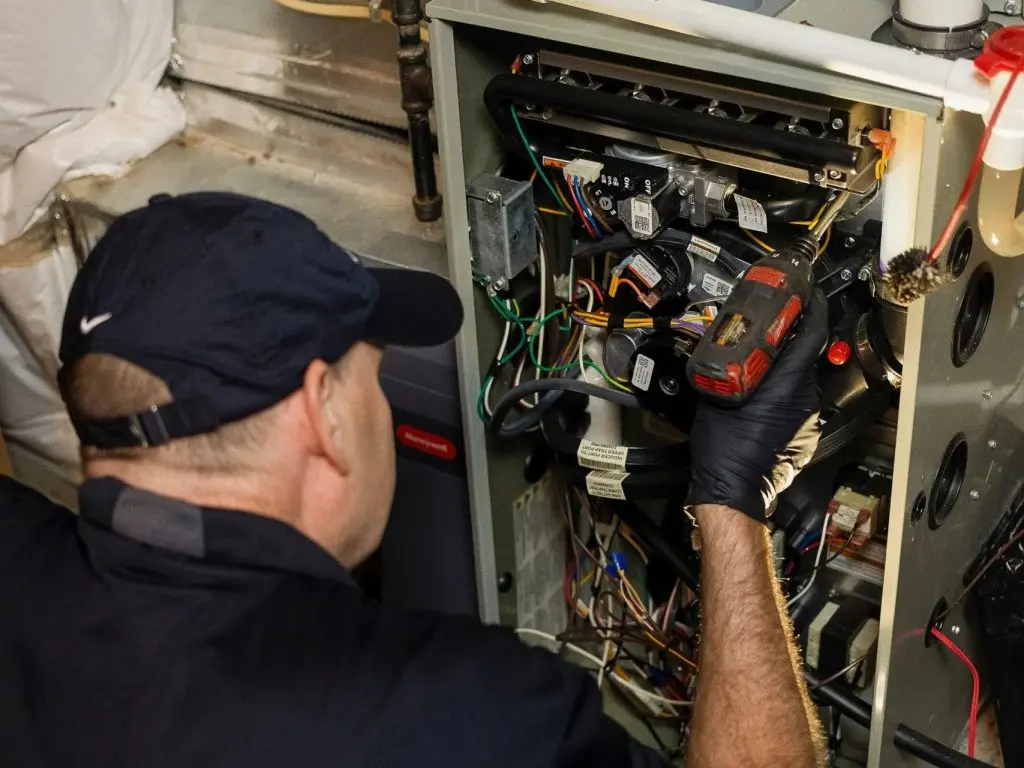
A gas furnace burns fuel inside your home, so its safety checks center on combustion and venting. A cracked or compromised heat exchanger allows harmful carbon monoxide to leak into your home. An influx of carbon monoxide, or CO, can cause severe illness up to death if exposure is prolonged.
- Furnace maintenance: The fall heating visit clears the condensate drain, inspects the heat exchanger, cleans burners, adjusts the gas pressure, and checks venting. When the entire heat exchanger cannot be evaluated, an Eastergard technician will use a borescope.
- Heat pump maintenance: Heat pumps get two visits per year, with a check of the reversing valve at each visit.
- CO detectors: Carbon monoxide detectors are required on every level of a home with a gas appliance, and Eastergard installs only low-level detectors due to the risk of overexposure with other detectors.
7. Dual Fuel Gives You Both
You don’t have to choose just one. A dual fuel system pairs a heat pump with a gas furnace, using the heat pump for cooling and most heating and the furnace as backup on the coldest days.
- Smart switching: With lockout temperatures set in the thermostat, the homeowner can adjust heating based on the price of each heating source.
- Same cooling: Dual fuel uses the heat pump for cooling, so cooling is identical to an air conditioner.
- Lifespan: Dual fuel systems typically last 12 to 15 years.
Heat Pump vs Gas Furnace: Side-by-Side Comparison
Every home is different, but the core differences stay the same. Here is how the two compare.
| Feature | Heat Pump | Gas Furnace |
| How it heats | Moves heat from outdoor air | Burns natural gas or propane |
| Cooling | Yes, heats and cools | No, pairs with a separate AC |
| Feel | Steady warm air | Hotter air, faster warm-up |
| Cold weather backup | Electric heat strips or a dual fuel furnace | Not needed |
| Fuel line needed | No | Yes |
| Combustion safety checks | No | Yes |
How to Decide Which System Is Right for You
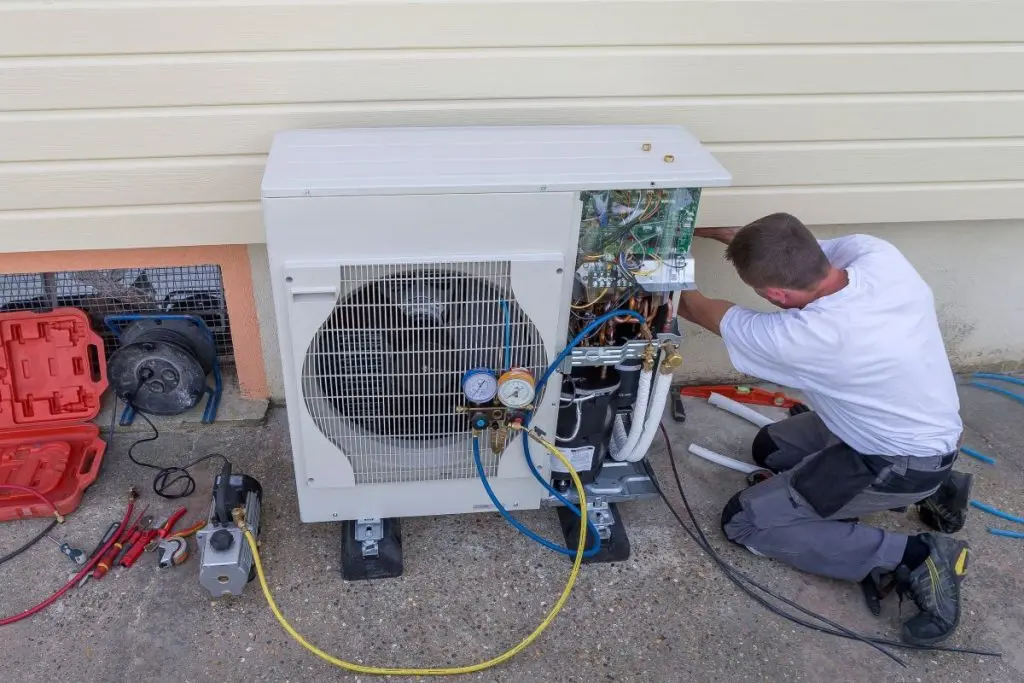
The best way to decide is to look at your home as a whole. A home solutions advisor will evaluate your existing equipment, your ductwork, and your fuel options before recommending anything.
- The investment: A new HVAC system typically ranges from $7,500 to $20,000 depending on equipment type, efficiency tier, and installation complexity.
- Rebates: Duke Energy periodically offers rebates for qualifying high-efficiency heat pump installations, and converting to a cold climate heat pump can raise the Duke Energy rebate considerably. Piedmont Natural Gas also offers rebates for furnaces above 90% AFUE.
- Free Replacement Upgrade Quote: Eastergard provides a Free Replacement Upgrade Quote so you can compare a heat pump, a furnace, and dual fuel side by side.
Frequently Asked Questions About Heat Pump vs Gas Furnace
These are the questions we hear most often from Upstate homeowners weighing a heat pump vs furnace decision. If your situation isn’t covered here, our team is happy to walk you through it.
Can a heat pump keep my home warm in an Upstate winter?
Yes. Upstate winters are mild enough for a heat pump to handle most of the season, with heat strips or a dual fuel furnace stepping in on the coldest days.
Is a heat pump cheaper to run than a gas furnace?
It depends on your local electric and gas or propane rates and how efficient each system is. A home solutions advisor can help you compare the two for your home.
Do I still need an air conditioner if I get a heat pump?
No. A heat pump heats and cools, so it replaces the need for a separate air conditioner.
Should I keep my gas furnace and add a heat pump?
That is exactly what a dual fuel system does. It uses the heat pump for most heating and all cooling, with the furnace as backup on the coldest days.
Find Your Perfect Climate With Eastergard HVAC
The heat pump vs gas furnace decision comes down to your home, your fuel options, and the kind of comfort you want. Eastergard Heating & Air has been locally owned and family operated since 1989, with 4.9 stars from 675+ Google reviews, and as an American Standard Platinum Dealer, we will lay out every option with straight answers on the investment. Our maintenance memberships for heat pumps and furnaces keep whichever system you choose running its best.
Compare heat pump and furnace options with our team today. Call or text us at 864-235-2935 or email us at info@eastergard.com, and we will help you find the right fit for your home.
Recent Articles POSTS