Heat Pump Not Heating in Cold Weather? 7 Causes to Know
When the temperature drops and the house feels cooler than it should, it is easy to assume the worst. A heat pump not heating the way you expect is one of the most common calls we get once winter settles over the Upstate, but not every cold-weather quirk means something is broken. Some of what homeowners notice is normal heat pump behavior, and some of it could be a sign that the system needs attention. If your system needs a closer look, our team handles cold-weather heat pump repair across the Upstate and will walk you through what we find.
Here is what we will cover:
- How heat pumps heat in winter: Why cold weather changes the way your system works.
- 7 causes to know: From normal defrost cycles to refrigerant and mechanical problems.
- Normal or not: A quick reference for what you can ignore and what needs a call.
- How to keep your heat pump heating: The habits and maintenance that prevent problems.
How a Heat Pump Heats in Cold Weather
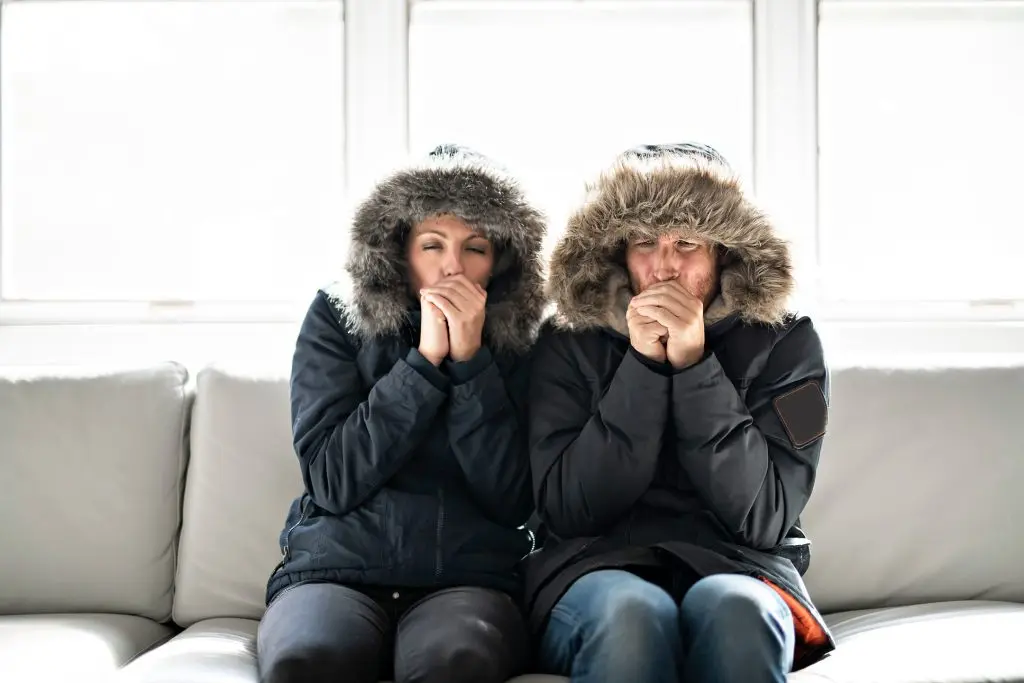
A heat pump does not burn fuel to make heat. Instead, in heating mode, it pulls heat from the outdoor air and moves it inside, which is why it is so efficient. According to ENERGY STAR, an air source heat pump can deliver up to three times more heat energy to a home than the electrical energy it consumes.
As temperatures drop, there is less heat in the outdoor air to work with, and the heat pump has to work harder. In cold temperatures or defrost mode, the system uses electric heat strips for supplemental heat. In a dual fuel system, a gas furnace running on natural gas or propane serves as the backup instead.
7 Causes of a Heat Pump Not Heating in Cold Weather
These seven causes range from completely normal operation to problems that need a licensed HVAC professional. Start with the first few, since they explain a lot of what homeowners notice on cold days.
1. The System Is in Defrost Mode
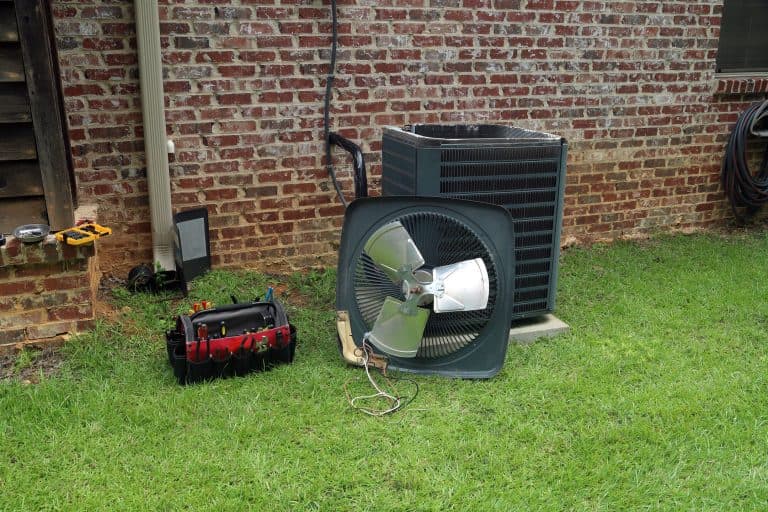
When frost builds up on the outdoor coil, the heat pump briefly reverses to melt it. During defrost, the outdoor fan stops and most heat pump systems engage the internal electric heat strips to keep heating the home. It can look alarming the first time you see it, but it is normal.
- Frequent in the Upstate: Around 35 to 40°F, depending on thermostat settings, heat pumps can cycle into defrost 2 to 3 times per hour.
- Steam is normal: Vapor rising from the outdoor unit during defrost is melting frost, not smoke.
- Mini splits work differently: Mini splits stop blowing air for a few minutes while the outdoor coil clears, unlike a traditional split system that keeps blowing warm air from its heat strips.
2. The Air Feels Cooler Than a Furnace
Heat pumps deliver a steady stream of warm air rather than the short blasts of hot air a gas or oil furnace produces. Because a heat pump isn’t blowing hot air the way a furnace does, air from the vents can feel cooler to your hand than you expect, even while the system is warming the house.
- Longer, gentler cycles: Heat pumps often run longer at a lower output, which keeps temperatures steady.
- What to watch: If the house is holding its temperature, the system is doing its job. If the temperature keeps dropping, it could be a sign of one of the problems below.
3. The Thermostat Settings Are Off
A surprising number of heating problems start at the thermostat. A system set to the wrong mode, a schedule that changed, or a large overnight setback can all leave the house colder than expected.
- Check the mode: Make sure the thermostat is set to HEAT, not COOL, and the set temperature is above the current room temperature. A system left in cooling mode sends cold air through the vents.
- Check for Aux or Emergency mode: There is a chance the thermostat has been manually switched to the Aux mode by mistake, which changes how the system heats.
- Avoid big setbacks: Heat pumps run most efficiently when they hold a steady temperature, so raise the setting gradually instead of all at once.
4. The Heat Strips Aren’t Working
On the coldest days, your heat pump counts on its heat strips to help keep up. If the heat strips or the controls that bring them on fail, the heat pump can run nonstop and still fall behind. We are proud to serve home and business owners in Piedmont, SC, and nearby communities with heat pump repair, maintenance, and installation.
- Signs of a heat strip problem: The house heats fine on mild days but can’t keep up when temperatures drop, or the vents blow cold air during defrost.
- Check the breaker: Heat strips often have their own breaker, so check the electrical panel for a tripped circuit.
- Dual fuel homes: If your backup is a gas furnace, a problem with the furnace can cause the same symptom.
5. Restricted Airflow
A heat pump needs steady airflow to move heat into your home. A clogged filter or blocked vents reduce airflow, which lowers the system’s heating output and makes it work harder.
- Check the air filter: The filter can be located either at the return opening in the home or at the air handler, where it catches debris before air moves through the system. Replace it every 1 to 3 months.
- Extra strain: A clogged filter makes the blower motor, which moves air in both heating and cooling modes, work harder.
- Open the vents: Keep supply registers open and return vents clear of furniture and rugs.
6. The Outdoor Unit Is Iced Over or Blocked
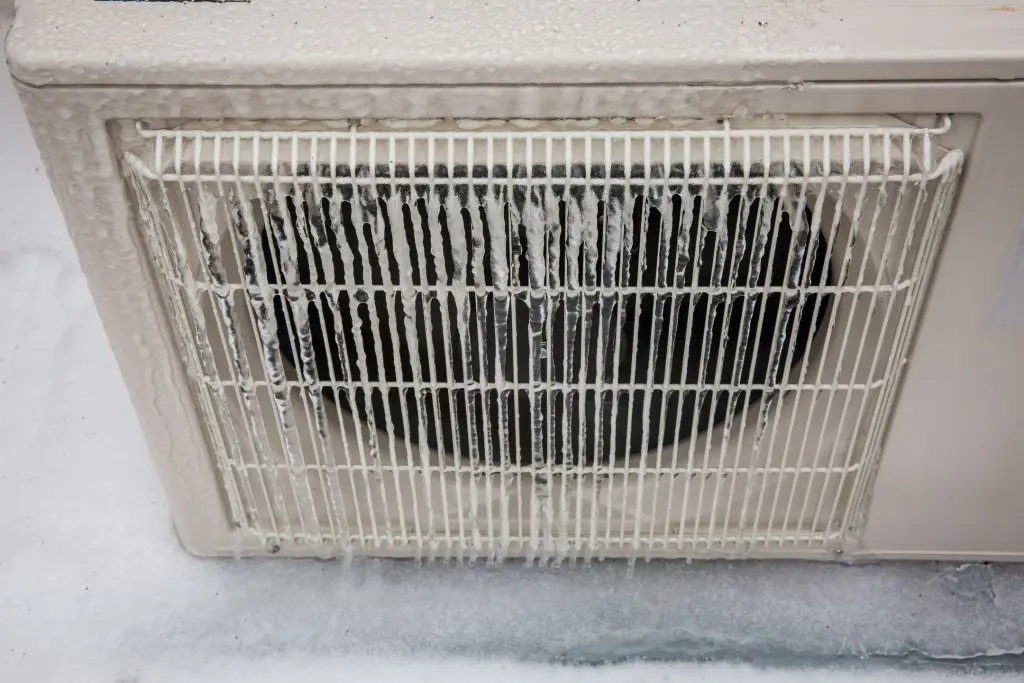
Light frost that clears during defrost is normal. A thick layer of ice that never melts is not, and it could be a sign that the defrost controls are not working properly.
- Ice that won’t clear: A heavily iced outdoor unit can’t pull heat from the air and needs a technician’s attention.
- Water from above: Dripping gutters or roof runoff onto the outdoor unit can freeze and build up ice quickly.
- Keep it clear: Remove leaves, snow, and debris from around the outdoor unit so it can move air freely.
7. Refrigerant or Mechanical Problems
Some heating problems come from inside the system itself. The reversing valve switches the system between heating and cooling, which is what lets a heat pump work like an air conditioner in summer, and the contactor and capacitor are electrical parts that start the motors, so a problem with any of them affects how well the system heats. These need a licensed technician to diagnose and repair.
- Common culprits: Low refrigerant, a failing reversing valve, contactor, capacitor, or a struggling outdoor fan motor can all reduce heating capacity.
- Capacitor investment: A capacitor replacement runs $250 to $425, or $175 to $250 if it is caught during a maintenance visit.
- An aging system: Heat pumps last about 14 years. Not every system is worth repairing, and an older heat pump that keeps struggling may be ready for an upgrade. Eastergard provides a Free Replacement Upgrade Quote so you can compare options, including multi-speed, variable speed, and dual fuel systems.
Normal or Needs Service? A Quick Reference
Some cold-weather heat pump behavior is completely normal, and some of it means it is time to call. Use this table to sort out which is which.
| What You Notice | Normal or Needs Service? |
| Outdoor fan stops and steam rises from the unit | Normal defrost cycle |
| Air from vents feels warm but not hot | Normal heat pump operation |
| “AUX” shows on the thermostat on cold mornings | Normal supplemental heat |
| House keeps getting colder on the coldest days | Needs service, possibly heat strips |
| Thick ice on the outdoor unit that never clears | Needs service, possibly defrost controls |
| System runs constantly and can’t keep up on mild days | Needs service, possibly refrigerant or mechanical |
How to Keep Your Heat Pump Heating All Winter
Most heat pump problems build slowly, which means the right habits catch them early. These steps keep your system heating the way it was designed.
- Schedule maintenance twice a year: Heat pump maintenance includes a check of the reversing valve at each visit, along with a blower motor and condenser motor inspection. Signing up for twice-yearly heat pump service keeps both visits on the calendar.
- Change your filter on schedule: Check it monthly and replace it every 1 to 3 months.
- Keep the outdoor unit clear: Watch for ice, leaves, and runoff from gutters.
- Keep the thermostat steady: Pick a comfortable temperature and leave it there.
Frequently Asked Questions About a Heat Pump Not Heating
These are the questions we hear most often from Upstate homeowners when the weather turns cold. If your situation isn’t covered here, our team is happy to walk you through it.
Why is my heat pump blowing cool air?
It could be in a defrost cycle, or the air may simply feel cooler than furnace air while still warming the house. If the house keeps getting colder, schedule a service visit.
Should I switch to emergency heat when it gets cold?
No. Your system brings on supplemental heat automatically when it needs help, so emergency heat should only be used if the heat pump stops working.
Can a heat pump keep my home warm in an Upstate winter?
Yes. Upstate winters are mild compared to much of the country, and heat strips or a dual fuel furnace step in on the coldest days.
What is the investment to repair a heat pump that isn’t heating?
It depends on the cause. Eastergard’s diagnostic fee is $95 during normal business hours and $185 after hours, and maintenance plan members receive a discounted rate based on their plan level.
Get Your Heat Back With Eastergard HVAC
A heat pump that isn’t heating can be a simple fix or a sign of something bigger, and the sooner you know which, the sooner your home is comfortable again. Eastergard Heating & Air has been locally owned and family operated since 1989, with 4.9 stars from 675+ Google reviews, and our licensed technicians will find the cause and walk you through your options before any work begins.
Get your heat pump heating again today. Call or text us at 864-235-2935 or email us at info@eastergard.com, and we will help your heat pump get back to doing its job.
Recent Articles POSTS