Indoor Air Quality Solutions: 7 Options & Costs
Indoor air quality solutions are no longer a luxury consideration for health-conscious homeowners. They are a practical response to a well-documented problem that affects nearly every home regardless of how clean or well-maintained it appears. Poor indoor air quality is driven by pollutants, humidity, and indoor air pollution sources that most homeowners never see, and the consequences show up as allergy symptoms, respiratory issues, and a home that never quite feels fresh. This guide covers the seven most practical options for improving the air quality in your home, what each one does, and what it costs for Upstate South Carolina homeowners.
Here is what we will cover:
- Why poor indoor air quality matters in South Carolina: The specific conditions that make IAQ a priority here.
- 7 solutions, what they do, and what they cost: A practical breakdown of each option.
- How to layer solutions for maximum impact: Why most homes benefit from more than one approach.
- How Eastergard HVAC can help: Professional installation and honest recommendations for the Upstate.
Why Indoor Air Quality Is a Particular Challenge in Upstate South Carolina
South Carolina’s climate creates a set of indoor air quality conditions that are more demanding than in many other parts of the country. High outdoor humidity for much of the year drives elevated indoor moisture levels, which accelerates dust mite populations, increases the risk of organic growth on surfaces and inside HVAC components, and makes the air inside indoor spaces feel heavier and harder to breathe. Long pollen seasons introduce significant allergen loads into homes every time a door or window opens. Volatile organic compounds from household products, building materials, and furnishings add another layer of indoor air pollution that accumulates in tightly sealed homes.
The EPA reports that people spend approximately 90 percent of their time indoors, and indoor levels of some air pollutants are often several times higher than outdoor air levels, underscoring just how significant poor indoor air quality is as a daily health factor. Because South Carolina’s cooling season runs for six or more months, HVAC systems are circulating indoor air continuously for a large portion of the year, meaning whatever is in your ductwork is being redistributed through your home repeatedly.
Addressing poor indoor air quality in this climate requires air quality solutions that target humidity, filtration, and biological contaminants, often working together rather than relying on any single product.
7 Indoor Air Quality Solutions for South Carolina Homeowners
These seven options cover the full range of what is available to residential homeowners, from straightforward upgrades to more comprehensive whole-home systems. Each one addresses a different aspect of indoor air quality, and the right combination depends on the specific conditions in your home.
1. Advanced HVAC Filtration Upgrades
One of the simplest and most cost-effective air quality solutions is upgrading from a basic 1-inch filter to a higher-MERV media filter or a dedicated media cabinet filter that provides significantly better particle capture without restricting airflow. A 4-inch or 5-inch media cabinet filter achieves MERV 11 to 13 filtration performance while maintaining adequate airflow because the larger filter face area provides more surface for air to pass through, capturing indoor air pollution including dust, pollen, and pet dander more effectively than standard filters.
- Best for: Any home currently using basic fiberglass or low-MERV pleated filters that wants better particle capture without the cost of full advanced air purification systems.
- Typical cost: $700 to $1000 for media cabinet installation within a current system, and less if you are installing a new system, plus $90 to $150 per filter replacement once or twice per year.
- Maintenance: Filter replacement every six to twelve months depending on household conditions that can coincide with a routine maintenance plan
2. Phenomenal Aire Ionizing Technology
Innovative technology provides Phenomenal Aire units the ability to create ionized particles within the HVAC system that provides an effective solution against allergens, unpleasant odors, organic growth, and viruses.The technology does not create any ozone and has third party testing against several common viruses.
- Best for: Homes in humid climates like Upstate South Carolina where organic growth on evaporator coils is a recurring concern, or households with members who are immunocompromised or particularly susceptible to airborne biological contaminants.
- Typical cost: $1500 – $1600 installed with a 3 year warranty
- Maintenance: There are no bulbs or replacement parts for maintenance.
3. Whole House Dehumidifiers
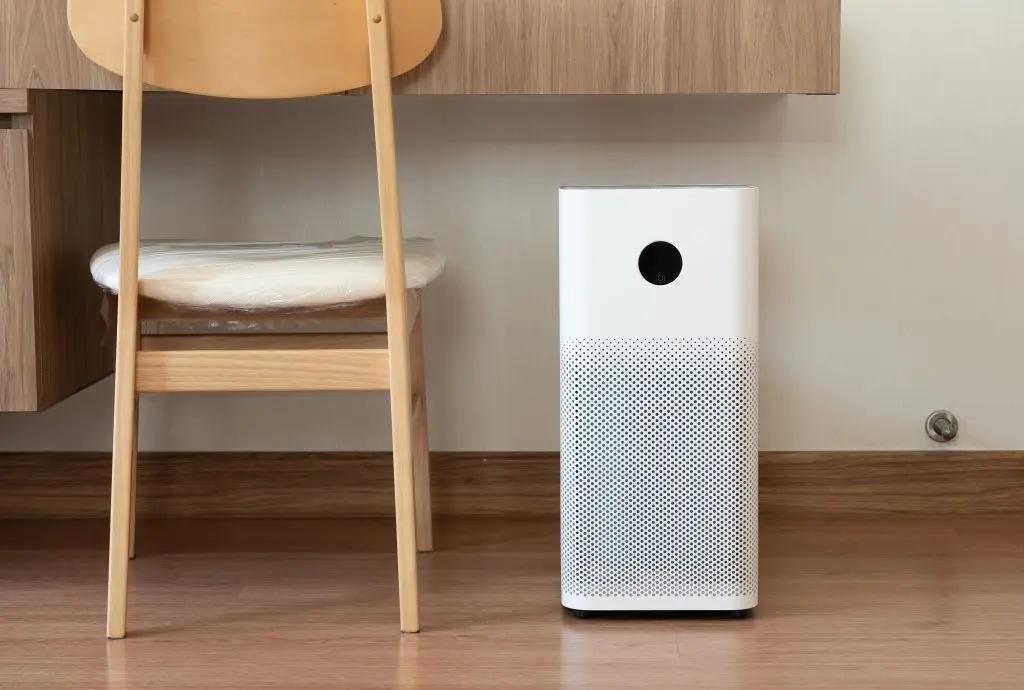
In South Carolina’s climate, humidity control is one of the most impactful indoor air quality solutions available. A whole house dehumidifier integrates with the HVAC system and maintains indoor relative humidity in the 30 to 50 percent range recommended by the EPA regardless of whether the air conditioning is running. Dust mites cannot sustain their population below 50 percent relative humidity, and organic growth cannot establish itself below 60 percent, which means proper humidity control addresses two of the most common poor indoor air quality triggers simultaneously.
- Best for: Homes that feel clammy despite the AC running, households with allergy or asthma sufferers, or any home with a history of organic growth on surfaces or HVAC components.
- Typical cost: $3,500 to $5,000 installed depending on system capacity and installation complexity.
- Maintenance: Annual filter cleaning and humidistat calibration check. We are proud to serve home and business owners in Greer, SC, and nearby communities with indoor air quality solutions, HVAC services, and more.
4. Ventilation and Energy Recovery Ventilators
Modern homes are built tighter than ever for energy efficiency, and that tightness can work against indoor air quality by trapping indoor air pollution, moisture, volatile organic compounds (VOCs), and carbon dioxide inside. Energy Recovery Ventilators (ERVs) and Heat Recovery Ventilators (HRVs) address this by introducing controlled amounts of fresh air from outside while simultaneously exhausting stale indoor air, all while recovering a significant portion of the energy from the outgoing air so it is not wasted. ERVs also transfer moisture between the incoming and outgoing air streams, making them particularly well-suited for humid climates.
- Best for: Tightly sealed newer homes, homes with persistent stuffiness or elevated CO2 levels, or any indoor space where occupants notice the air feels stale when windows are closed.
- Typical cost: $4,000 to $5,000 installed depending on system size and how the unit integrates with existing HVAC equipment.
- Maintenance: Filter cleaning every three to six months and annual inspection of the heat exchange core.
5. Whole House Electronic Air Purifiers
An electric whole house air purifier integrates directly with your existing HVAC system and treats all of the air moving through the system rather than just the air in a single room. Unlike portable units that address one indoor space, advanced air purification systems capture particles, allergens, volatile organic compounds, and in some cases biological contaminants from the entire home’s air supply every time the HVAC system cycles. Media air cleaners use dense filtration material with MERV ratings of up to 15 to capture fine particles including dust, pollen, pet dander, and fungal spores. Electronic advanced purification systems use electrostatic technology to charge and capture even smaller particles and VOCs.
- Best for: Homes with allergy sufferers, pet owners, or anyone dealing with poor indoor air quality from fine particulate or volatile organic compounds.
- Typical cost: $2,500-$3,500 installed depending on system type and compatibility with existing HVAC equipment.
- Maintenance: Media filters typically require replacement once or twice per year. Electronic units require periodic cleaning of collector cells.
6. Carbon Monoxide and Radon Detection
Carbon monoxide and radon are invisible, odorless sources of indoor air pollution that are not addressed by filtration or purification systems. Carbon monoxide detectors are required by code in most homes with gas appliances, but many older homes lack adequate coverage. Radon, which the EPA identifies as the second leading cause of lung cancer in the United States, is a naturally occurring soil gas that enters indoor spaces through foundation cracks and requires testing to identify and mitigation systems to address.
- Carbon monoxide detectors: Required on every level of the home with a gas appliance. Basic detectors are $100-$150 installed, while low level detectors, which detect CO as low as 5PPM, range from $250-$300 installed.
- Radon testing: DIY test kits cost $50. Professional testing will be a higher investment, but would provide more detailed results.
- Radon mitigation systems: While Eastergard provides DIY kits, we do not provide mitigation for radon. However, we can provide a referral to a licensed professional to mitigate the issue.
7. Ductwork Sealing and Replacement
None of the previously mentioned air quality solutions perform at their best if the ductwork distributing the conditioned air throughout the home is leaking, degraded, or pulling in outdoor air from attics, crawl spaces, or wall cavities. Leaky return ducts in particular draw in dust, insulation fibers, and biological contaminants from unconditioned indoor spaces and distribute them directly into the living areas. Duct sealing with mastic or foil tape and, in more severe cases, full duct replacement addresses poor indoor air quality at the source rather than trying to filter out contaminants after they have entered the air stream.
- Best for: Homes with uneven temperatures between rooms, unexplained dust accumulation, older than 15-25 years old, or ductwork that runs through unconditioned attic or crawl space areas.
- Typical cost: Duct sealing runs $300 to $1,000 depending on scope. Full duct replacement costs $2,000 to $6,000 or more for a whole-home project.
- Maintenance: Periodic inspection of accessible duct joints and connections, particularly after any HVAC system service or repair work. This is one of many inspection points included with an Eastergard maintenance plan.
How to Layer Indoor Air Quality Solutions for Maximum Impact
Most homes benefit from more than one solution working together rather than relying on a single product to address every indoor air quality concern. The most effective approach targets particles, biological contaminants, and humidity simultaneously, which is what the South Carolina climate demands.
| IAQ Concern | Best Solution | Supporting Solution |
| Airborne particles and allergens | Whole house air purifier or media cabinet | Advanced filtration upgrade |
| Biological contaminants | Phenomenal Aire | Whole house dehumidifier |
| Excess humidity | Whole house dehumidifier | ERV for fresh air exchange |
| Stale or polluted indoor air | ERV or Phenomenal Aire | Ductwork sealing |
| Invisible gases and air pollution | CO and radon detection | Professional mitigation if needed |
| Contaminated ductwork | Ductwork sealing or replacement | Phenomenal Aire |
A typical Upstate South Carolina home dealing with humidity, allergens, and biological contaminants on the evaporator coil benefits most from a combination of a whole house dehumidifier, a Phenomenal Aire, and a filtration upgrade. That combination addresses the three most common South Carolina-specific poor indoor air quality challenges in a coordinated way.
Frequently Asked Questions About Indoor Air Quality Solutions
These are the questions we hear most often from Upstate South Carolina homeowners when they start exploring what their home actually needs to achieve healthier air.
How do I know which indoor air quality solution my home needs?
A professional indoor air quality assessment is the most reliable starting point. A licensed HVAC technician can evaluate your existing HVAC system, check humidity levels, inspect the ductwork and evaporator coil, and identify the specific factors driving poor indoor air quality in your home before recommending any products. Eastergard HVAC provides honest assessments and only recommends air quality solutions that address actual conditions in your home.
Can I just use portable air purifiers instead of whole-home systems?
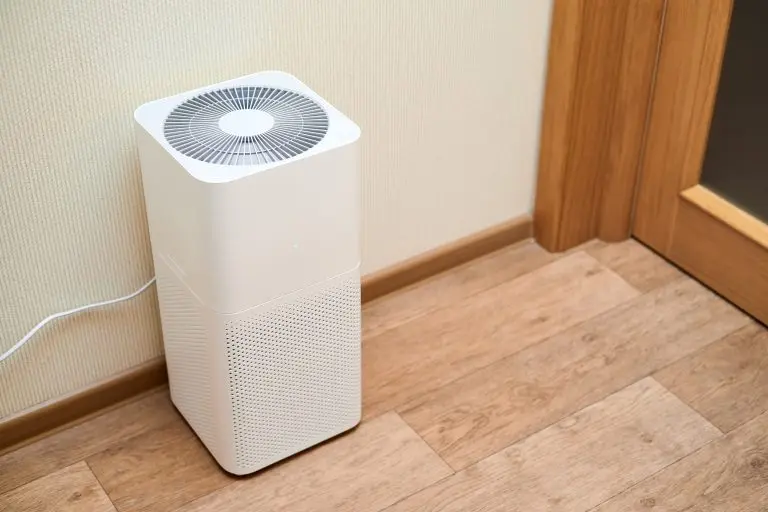
Portable units help the indoor spaces they serve, but they address only a fraction of the home’s air volume and require ongoing maintenance of multiple units. Advanced air purification systems integrated with the HVAC treat all of the indoor air in the home every time the system cycles, which is a fundamentally more comprehensive approach for the same or lower total cost over time.
How much does a complete indoor air quality upgrade cost?
A comprehensive indoor air quality upgrade covering filtration, humidity control, and UV sanitization varies based on the customized solution needed for an Upstate South Carolina home. Individual air quality solutions start with improving ductwork, but continue with targeted improvements. Eastergard HVAC provides itemized quotes before any work begins so there are no surprises.
Do indoor air quality systems require professional installation?
Most whole-home systems integrate with the existing HVAC equipment and require a licensed technician for proper installation and calibration. Carbon monoxide detectors can be self-installed. However, Phenomenal Aire, media cabinets, electronic air purifiers and whole house dehumidifiers in particular require professional installation to ensure they are correctly positioned and integrated with the system controls.
Breathe Better With Eastergard HVAC
The indoor air in your home should be an asset to your family’s health, not a source of indoor air pollution. Eastergard HVAC has been helping Greenville area homeowners improve their air quality and indoor comfort since 1989, and our team approaches every assessment the same way, with honesty, transparency, and recommendations based on what your home actually needs rather than what generates the biggest sale.
Contact Eastergard HVAC today to schedule your free indoor air quality consultation. Call or text us at 864-235-2935 or email us at info@eastergard.com, and we will evaluate your home and help you build the right air quality solutions for your specific situation.
Recent Articles POSTS