Whole House Dehumidifier: 6 Benefits for Humid SC Summers
If your home feels sticky and clammy even when the AC is running, a whole house dehumidifier may be the missing piece of your comfort equation. Whole house dehumidifier systems work alongside your existing HVAC equipment to pull excess moisture from every room in the home, not just the space where a portable unit happens to be sitting. For Upstate South Carolina homeowners dealing with long, humid summers, this is one of the most impactful upgrades available for indoor comfort, air quality, and home protection.
Here is what we will cover:
- Why humidity is a bigger problem than temperature alone: How excess moisture affects comfort and health.
- How whole house dehumidifiers work: What sets them apart from portable units.
- 6 key benefits for South Carolina homeowners: The practical advantages that matter most in humid climates.
- What to look for when choosing a system: Capacity, energy efficiency, and HVAC integration.
Why Humidity Is a Bigger Problem Than Most Homeowners Realize

South Carolina summers are defined as much by humidity as by heat. The Upstate region regularly sees outdoor relative humidity climb well above 70 percent during the summer months, and that humid air works its way into homes through windows, doors, crawl spaces, and normal air exchange. Even a well-maintained AC system that is cooling effectively may not be removing enough moisture to keep indoor humidity in a comfortable and healthy range.
The U.S. Environmental Protection Agency recommends that indoor relative humidity be kept below 60 percent, with an ideal range of 30 to 50 percent, to prevent organic growth and moisture-related indoor air quality problems. When indoor humidity climbs above that threshold, fungus and organic growth accelerate, dust mite populations increase, wood floors and furniture are at risk, and the home never feels as cool as the thermostat suggests it should.
How a Whole House Dehumidifier Works
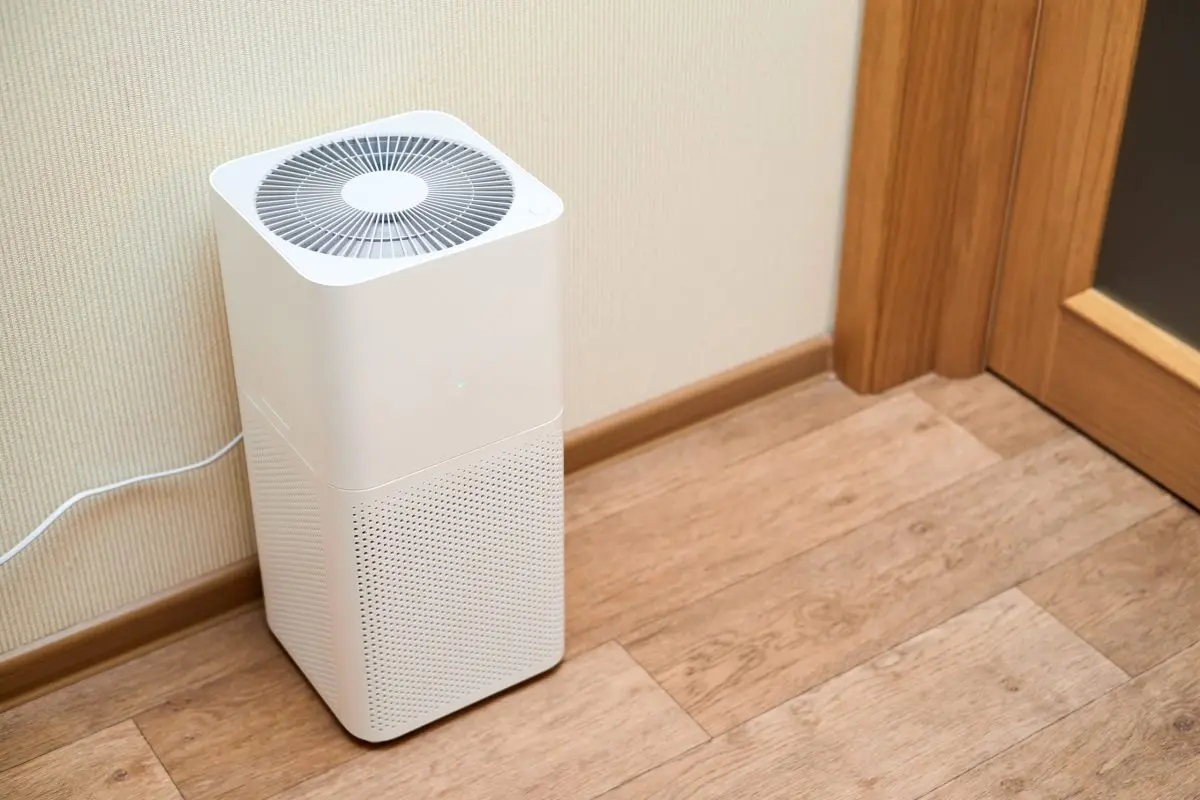
Unlike a portable unit that treats a single room and requires manual emptying, most whole house dehumidifiers integrate directly with your existing HVAC system. They connect to the return air ductwork, pull humid air from throughout the home, remove the excess moisture, and return drier air back through the supply ducts. A built-in humidistat monitors indoor relative humidity continuously and activates the dehumidifier automatically when levels rise above the set point, regardless of whether the AC is running.
This independence from the cooling cycle matters significantly in South Carolina. On mild but humid spring and fall days when the temperature is comfortable but the air feels damp, a standard AC system may not run at all. Most whole house dehumidifiers maintain your target humidity levels around the clock, filling the gap that air conditioning alone leaves behind.
6 Benefits of a Whole House Dehumidifier for South Carolina Homeowners
These six benefits directly address the conditions Upstate South Carolina homeowners deal with during the long humid season from late spring through early fall.
1. Eliminates the Sticky, Clammy Feeling
High humidity prevents sweat from evaporating from the skin, which is the body’s primary cooling mechanism. Even at the same temperature, a home at 65 percent relative humidity feels significantly warmer than one at 45 percent. Maintaining optimal humidity levels in the 30 to 50 percent range makes the air feel lighter and genuinely comfortable in a way that lowering the thermostat alone cannot achieve.
- Feel cooler at higher thermostat settings: Homeowners with controlled humidity can often raise the thermostat two to four degrees and feel equally comfortable, improving energy efficiency and reducing cooling costs.
- No more sticky surfaces: High humidity causes that familiar clammy sensation on skin and makes fabrics and bedding feel damp even when dry.
- Consistent comfort throughout the home: Every room benefits equally because the system integrates with the ductwork.
2. Prevents Fungus and Organic Growth
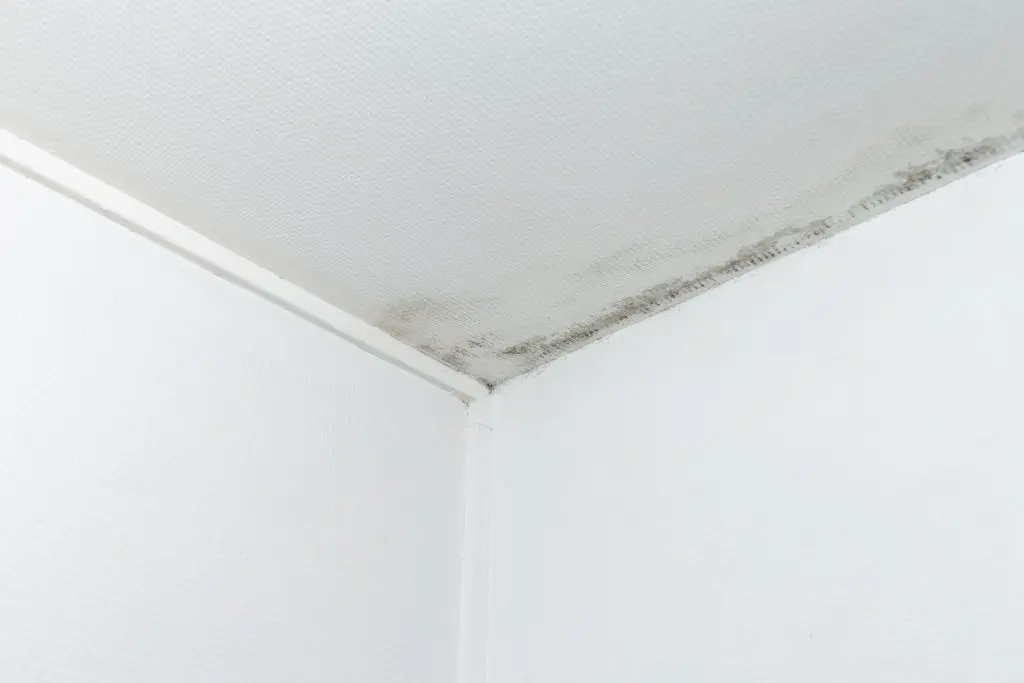
In humid climates like South Carolina, fungus and organic growth can develop on walls, ceilings, grout, and organic materials surprisingly quickly when indoor relative humidity exceeds 60 percent. Humid air that enters through crawl spaces is a particularly common driver of organic growth in older Upstate homes. A whole house dehumidifier maintains humidity below the threshold where fungus can establish itself, providing consistent protection that does not depend on the AC running.
- Whole-home protection: The system monitors and controls humidity in every room, including bathrooms, laundry areas, crawl spaces, and closets where organic growth most commonly develops.
- Musty odor prevention: The musty smell that develops in humid homes is caused by fungus and organic growth. Controlling humidity at the source eliminates the conditions that produce it.
- Protection for stored items: Clothing, documents, and other stored items are at risk when optimal humidity levels are not maintained consistently.
3. Improves Indoor Air Quality and Reduces Allergens
High humidity creates ideal conditions for dust mites, fungal spores, and bacteria to thrive. Dust mites, a common asthma and allergy trigger, cannot survive in environments where relative humidity stays consistently below 50 percent. A whole house dehumidifier that maintains optimal humidity levels significantly reduces the biological load in indoor air. We are proud to serve home and business owners in Simpsonville, SC, and nearby communities with whole house dehumidifier installation, indoor air quality services, and more.
- Dust mite reduction: Dust mites cannot sustain their population below 50 percent relative humidity, making maintaining optimal humidity levels one of the most effective non-chemical strategies for reducing allergen levels.
- Organic growth suppression: Without the excess moisture fungus needs to grow, spore counts in the indoor air decrease significantly.
- Healthier breathing: Drier air is easier on the respiratory system, particularly for children, elderly residents, and anyone with existing respiratory conditions.
4. Protects Your Home and Its Contents
Excess moisture causes measurable physical damage over time. Hardwood floors warp and cup when humidity is consistently high. Humid air entering through crawl spaces accelerates damage to subfloors, wood framing, and insulation. Wood trim, cabinetry, and furniture swell and eventually crack as excess moisture cycles in and out of the wood grain. A whole house dehumidifier keeps indoor relative humidity in the stable range that wood and organic building materials require.
- Hardwood floor protection: Wood flooring manufacturers universally recommend maintaining optimal humidity levels between 35 and 55 percent to prevent cupping and warping.
- Structural protection: Crawl space humidity and humid air infiltration are among the most common causes of subfloor and framing moisture damage in older South Carolina homes.
- Furniture and finish protection: Stable indoor humidity means fewer finish failures and longer life for wood furniture and millwork.
5. Improves Energy Efficiency
A whole house dehumidifier can actually improve overall energy efficiency despite being an additional system. When humidity is controlled and optimal humidity levels are maintained, homeowners feel comfortable at higher thermostat settings, which means the AC runs less frequently. The dehumidifier also reduces the moisture load on the existing HVAC system, allowing it to cool more efficiently with less strain on the compressor.
- Raise the thermostat without sacrificing comfort: Every degree the thermostat is raised reduces cooling energy consumption by approximately two to three percent, directly improving energy efficiency.
- Reduced AC runtime: When a dehumidifier handles excess moisture removal, the air conditioning focuses on temperature control rather than fighting humid air simultaneously.
- Extended AC equipment life: Reduced runtime and lower moisture load means less wear on the compressor and other components over time.
6. Operates Automatically Without Maintenance Hassle
Most whole house dehumidifiers drain automatically through a condensate line and operate continuously without homeowner intervention beyond an annual service check. Portable units require manual emptying once or twice per day during peak humidity, which makes them impractical for maintaining optimal humidity levels throughout an entire home.
- Set it and forget it: The integrated humidistat monitors indoor humidity and activates the system automatically to maintain the target humidity levels.
- No reservoir to empty: Automatic drainage eliminates the daily chore that makes portable units inconvenient for whole-home applications.
- Quiet operation: Most whole house dehumidifiers install in the mechanical area of the home and operate without disruptive noise in living spaces.
Choosing the Right Whole House Dehumidifier
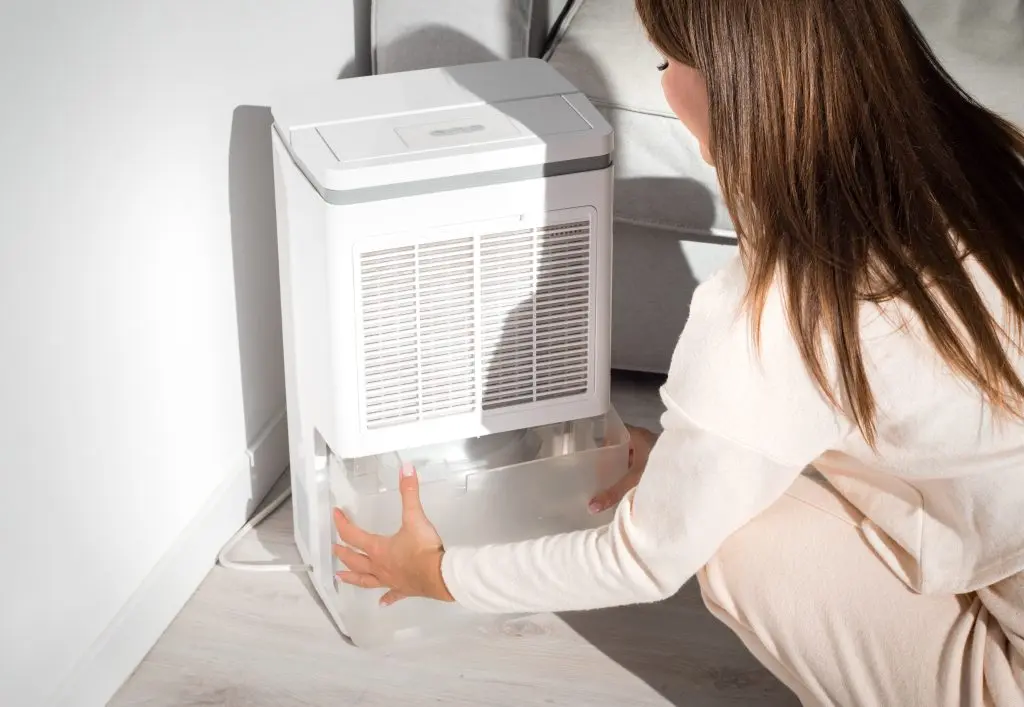
Proper sizing is essential for maintaining optimal humidity levels without overcycling or underperformance. A licensed HVAC technician will evaluate your home’s square footage, construction type, crawl space conditions, and existing HVAC system before recommending the right capacity.
| Home Size | Recommended Capacity |
| Under 1,500 sq ft | 50 to 70 pints per day |
| 1,500 to 2,500 sq ft | 70 to 90 pints per day |
| 2,500 to 4,000 sq ft | 90 to 120 pints per day |
| Over 4,000 sq ft | 120+ pints per day |
Frequently Asked Questions About Whole House Dehumidifiers
These are the questions we hear most often from Upstate South Carolina homeowners considering a whole home dehumidification system.
Does a whole house dehumidifier replace my air conditioner?
No. A whole house dehumidifier works alongside your existing HVAC system. The air conditioning handles temperature control and some humidity removal. The dehumidifier handles dedicated moisture control, particularly during periods when the air conditioning is not running or when outdoor humid air is high enough to overwhelm what the AC can manage on its own.
What humidity level should I set my dehumidifier to?
For most South Carolina homes, a target of 45 to 50 percent relative humidity is a good starting point for maintaining optimal humidity levels. This falls within the EPA’s recommended range of 30 to 50 percent and keeps indoor conditions well below the threshold where organic growth and dust mites thrive.
How much does a whole house dehumidifier cost to install?
Installation costs vary based on system capacity, complexity of HVAC integration, and whether crawl space drainage routing requires additional work. Eastergard HVAC provides a clear, itemized quote before any work begins.
How often does a whole house dehumidifier need to be serviced?
Most whole house dehumidifiers require an annual service check to confirm the filters are clean, the condensate drain is clear, and the humidistat is calibrated accurately. Eastergard HVAC can incorporate dehumidifier service into your existing annual maintenance visit.
Breathe Easier This Summer With Eastergard HVAC
High humidity is one of the most persistent and most underaddressed comfort problems in Upstate South Carolina homes, and a whole house dehumidifier is the most effective solution for maintaining optimal humidity levels throughout the entire home. Eastergard HVAC has been helping Greenville area homeowners improve their indoor comfort and air quality since 1989, and our team can evaluate your home, recommend the right system, and handle installation with the same care and transparency we bring to every job.
Contact Eastergard HVAC today to schedule your free indoor air quality consultation. Call or text us at 864-235-2935 or send us an email, and we will help you find the right solution for a more comfortable, healthier home this summer.