How to Tell If Gas Line Is On or Off: 4 Easy Ways to Check Safely
If you have been troubleshooting a gas appliance or preparing for maintenance work and found yourself staring at a valve wondering which position means what, you are in good company. Knowing how to tell if gas line is on or off is one of the most practical safety skills a homeowner can have, and it is simpler than most people expect once you understand what to look for. This guide covers the four most reliable methods for checking gas valve position, what to do in different situations, and the safety rules that apply every time.
Here is what we will cover:
- Why this matters: What is at stake when you are unsure of a valve’s position.
- Types of gas valves: How to identify what kind of valve you are dealing with before checking it.
- 4 easy ways to check: The reliable visual and practical methods for confirming gas line status.
- Where to find your gas shutoff valves: The main shutoff and individual appliance valves.
- When to call a professional: Situations where checking the valve yourself is not the right move.
Why Knowing Gas Line Status Matters
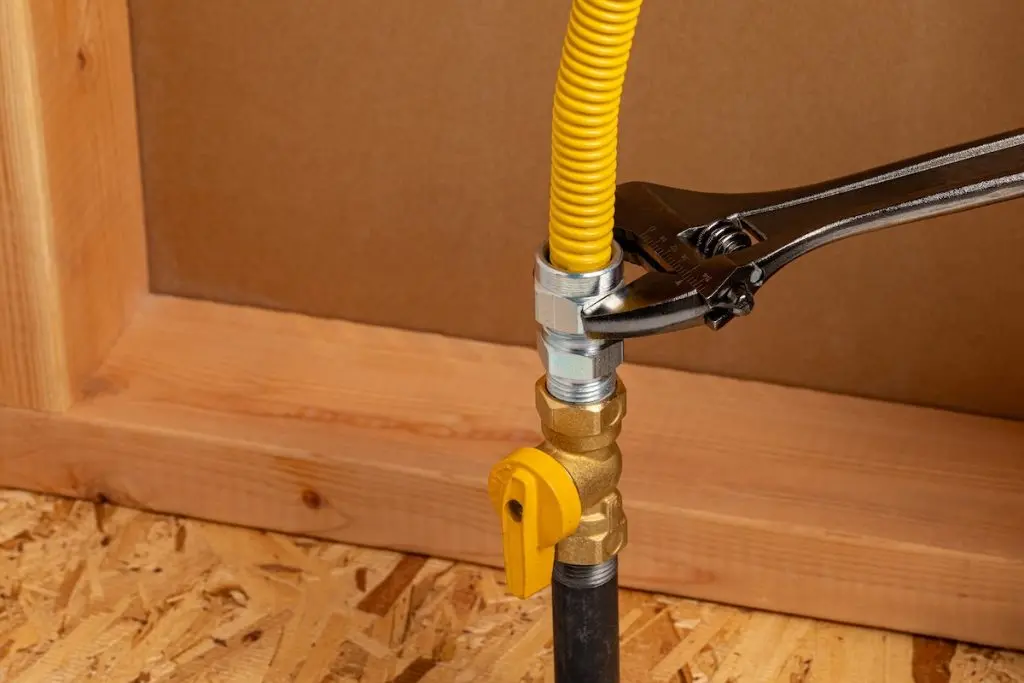
Natural gas powers furnaces, water heaters, dryers, ranges, and other appliances that most households depend on daily. The American Gas Association reports that more than 189 million Americans and 5.8 million businesses use natural gas, making it one of the most widely used energy sources in the country. With that level of reliance comes the responsibility to understand how your gas system works and how to interact with it safely. Whether you are shutting off a line for appliance service, confirming gas is flowing before calling for a repair, or responding to a safety concern, knowing how to read a valve correctly means acting with confidence rather than guessing.
Types of Gas Valves You Will Encounter at Home
Before checking any valve, it helps to know which type you are dealing with. The method for reading the position differs slightly depending on the valve design.
Quarter-Turn Ball Valves
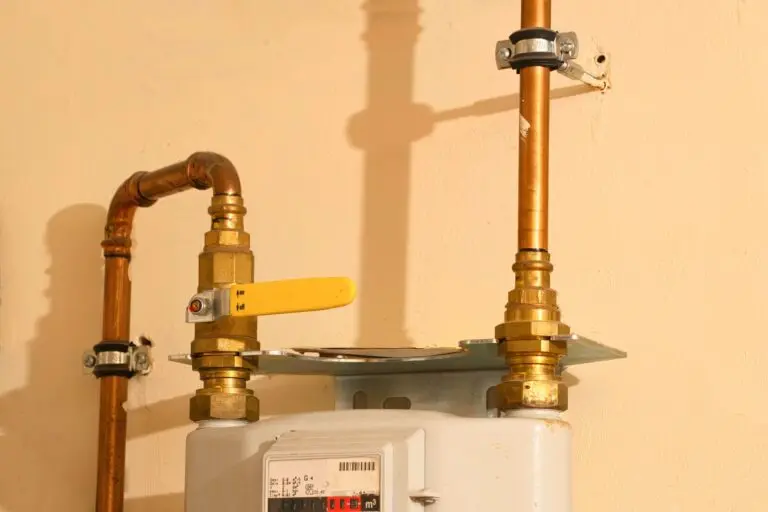
The most common type found on residential gas appliances. These have a flat lever handle that rotates 90 degrees between the fully open and fully closed positions. They are identified by their simple lever handle and compact body, and are designed for quick shutoff. The visual check on these is the easiest and most reliable of any valve type.
Gate Valves
Older installations sometimes use gate valves, which have a round handwheel that requires multiple turns to open or close completely. These are less common on modern residential gas lines but may be found on older homes or as main shutoff valves in some systems. The open and closed positions are not as immediately obvious as a ball valve.
Appliance Control Knobs
Some gas appliances have dedicated control knobs rather than lever-style valves. These typically have a marked position indicator on the knob itself, with OFF and ON or a directional line indicating current status.
4 Easy Ways to Check If a Gas Line Is On or Off
These are the signals that should prompt an immediate call rather than waiting for the next scheduled visit. Knowing where your valves are located before you need them is just as important as knowing how to read them. There are two categories of gas shutoff valves in most homes.
1. Check the Handle Position on a Ball Valve
This is the most straightforward and most reliable method for the quarter-turn ball valves found on most residential gas appliances. The handle position directly mirrors the internal ball position, giving an unambiguous visual indicator of whether gas is flowing.
When the handle is parallel to the pipe, the gas is on. The handle aligns with the direction gas flows, indicating the internal ball’s bore is aligned with the pipe and gas is moving through freely. When the handle is perpendicular to the pipe, the gas is off. The handle sits at a 90-degree angle to the pipe, indicating the internal ball has rotated to block flow completely.
- Parallel to pipe = ON: The handle points in the direction the gas travels. Flow is open.
- Perpendicular to pipe = OFF: The handle acts as a barrier across the pipe. Flow is blocked.
- The memory trick: If the handle forms a T with the pipe, the gas is off. If it forms an I with the pipe, the gas is on.
2. Look for a Painted or Stamped Line on the Valve Body
Many gas valves have a small line, slot, or indicator mark on the top of the valve stem or handle. This line mirrors the position of the internal bore just like the lever handle does, providing a secondary visual confirmation that is especially useful on valves where the handle itself is harder to read clearly.
When this indicator line runs parallel to the pipe, the valve is open and gas is flowing. When it runs perpendicular to the pipe, the valve is closed. This method works on both lever-handle ball valves and on older plug-style valves that may not have a clearly readable handle.
- Indicator line with the pipe = ON: Gas is flowing through the valve.
- Indicator line across the pipe = OFF: Gas flow is blocked.
- Check both the handle and the indicator line: On a properly functioning valve, both should agree. If they appear to conflict, do not assume either position is correct and contact a professional.
3. Check the Handwheel Position on a Gate Valve
Gate valves use a round handwheel rather than a lever. Because they require multiple turns to open or close, the position is not immediately obvious from a single visual glance. The general rule is that turning the handwheel clockwise closes the valve, and turning it counterclockwise opens it, following the standard righty-tighty, lefty-loosey principle.
To confirm the valve is fully closed, turn the handwheel clockwise until it stops with firm resistance. Do not force it beyond that point. To confirm it is fully open, turn counterclockwise until the handwheel stops moving.
- Fully clockwise = OFF: The gate inside has dropped to block flow completely.
- Fully counterclockwise = ON: The gate has retracted fully and flow is unobstructed.
- Partially turned positions: A gate valve that is only partially open or closed is operating outside its intended design and should be moved to one extreme or the other.
4. Test an Appliance Downstream
If you have confirmed a valve position visually but want to verify that gas is actually flowing, testing the appliance the valve serves is the most direct confirmation. For a furnace, set the thermostat to call for heat and observe whether the system ignites. For a gas range, turn a burner to the ignite position. If the appliance functions normally, gas is flowing.
This method works well as a secondary confirmation but should never substitute for checking the valve visually first, particularly if there is any reason to suspect a gas odor or leak. We are proud to serve home and business owners in Wade Hampton, SC, and nearby communities with gas furnace service, heating repairs, and more.
- Appliance ignites normally: Gas is flowing to that appliance.
- Appliance fails to ignite with all settings correct: Check the valve position and confirm it is fully open before investigating further.
- Never test appliances if you smell gas: If there is any odor of sulfur or rotten eggs, do not attempt to operate any appliance. Leave the home immediately and call your gas utility from outside.
Where to Find Your Gas Shutoff Valves
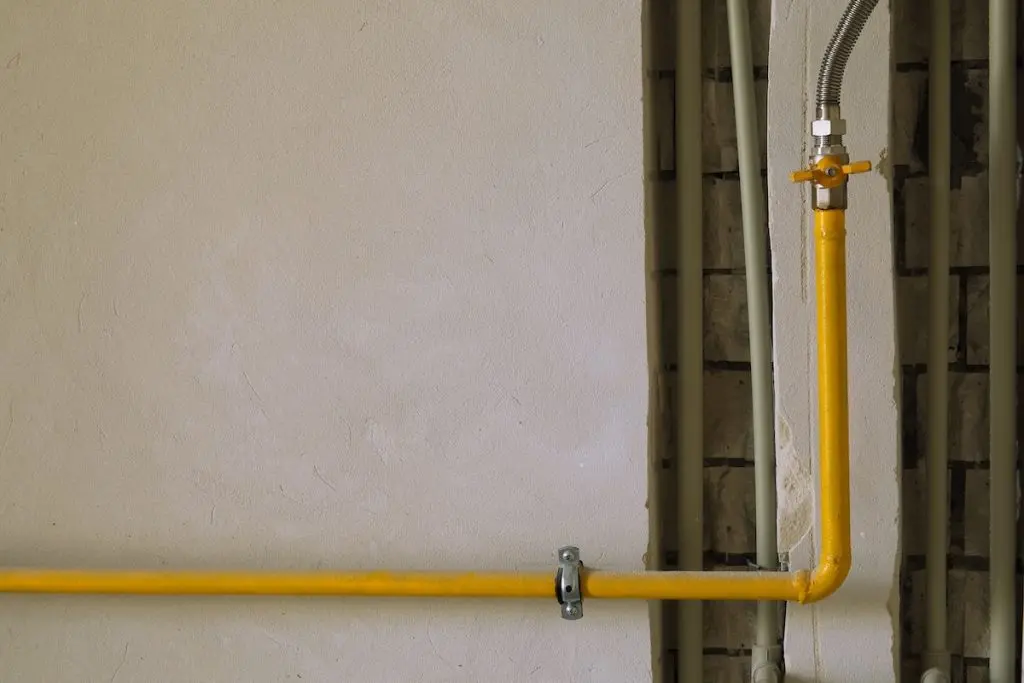
Knowing where your valves are located before you need them is just as important as knowing how to read them.
The Main Gas Shutoff Valve
The main shutoff controls gas supply to the entire home. It is typically located at or near the gas meter, which is most commonly found on an exterior wall of the home. This valve requires a wrench to operate in most installations. Turning this valve off shuts gas to every appliance in the home simultaneously.
Individual Appliance Shutoff Valves
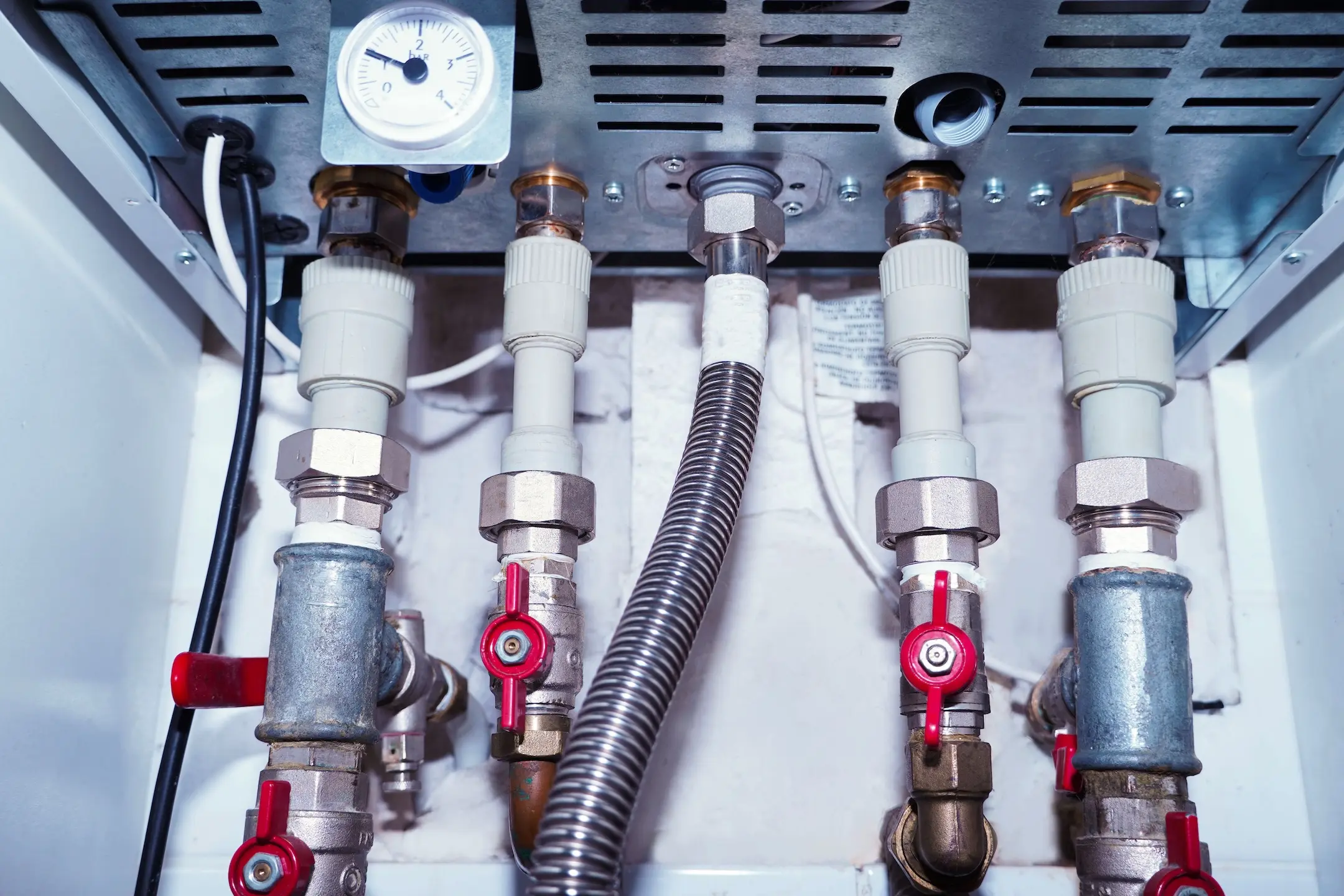
Every gas appliance in a properly installed system has its own dedicated shutoff valve located within a few feet of the unit. These are the quarter-turn lever ball valves most homeowners interact with during routine maintenance or appliance service.
| Appliance | Typical Valve Location |
| Gas furnace or boiler | At the base of the unit or on the supply line within 3 to 6 feet |
| Gas water heater | On the gas supply line near the base of the unit |
| Gas range or oven | Behind the unit or in a nearby cabinet |
| Gas dryer | On the wall or floor behind the dryer |
| Gas fireplace | Inside the firebox or on the wall nearby |
When Not to Check the Valve Yourself
Most valve checks are safe and straightforward, but there are situations where the right action is to leave the home and call for help rather than inspect anything yourself.
- If you smell gas: The distinctive sulfur or rotten egg odor added to natural gas is a warning to act immediately. Leave the home without operating any switches, lights, or appliances. Call your gas utility from outside or from a neighbor’s home. Do not return until a professional has cleared the building.
- If the valve appears damaged or corroded: A valve that looks corroded, cracked, or has visible damage should not be operated without professional inspection first.
- After a valve has been closed for a leak: Once gas has been shut off following a suspected leak, it should only be restored by a licensed professional who can inspect the system and confirm it is safe before turning gas back on.
- If you are unsure of the valve type or position: When in doubt, contact a licensed HVAC technician or your gas utility rather than making an assumption.
Frequently Asked Questions About Gas Line Valve Position
What if the handle is at a 45-degree angle?
A ball valve handle at 45 degrees is partially open, which is not an intended operating position for a gas valve. Gas valves should always be either fully open or fully closed. A valve found in an intermediate position should be moved to one extreme or the other by a qualified professional after confirming it is safe to do so.
Can I turn the gas back on myself after shutting it off?
You can turn individual appliance valves back on yourself for routine maintenance situations where you shut off the valve and confirmed there was no leak or safety concern. However, if gas was shut off due to a suspected leak, appliance malfunction, or emergency, always have a licensed professional restore gas service and inspect the system before restarting appliances.
How do I know which valve serves which appliance?
If your valves are not labeled, the best approach is to trace each gas supply line from the appliance back to its shutoff valve before you ever need to shut one off in a hurry. Taking photos and labeling valves with a permanent marker or valve tag is a simple step that pays off significantly in an emergency.
Trust Eastergard HVAC for Gas Appliance Service in the Upstate
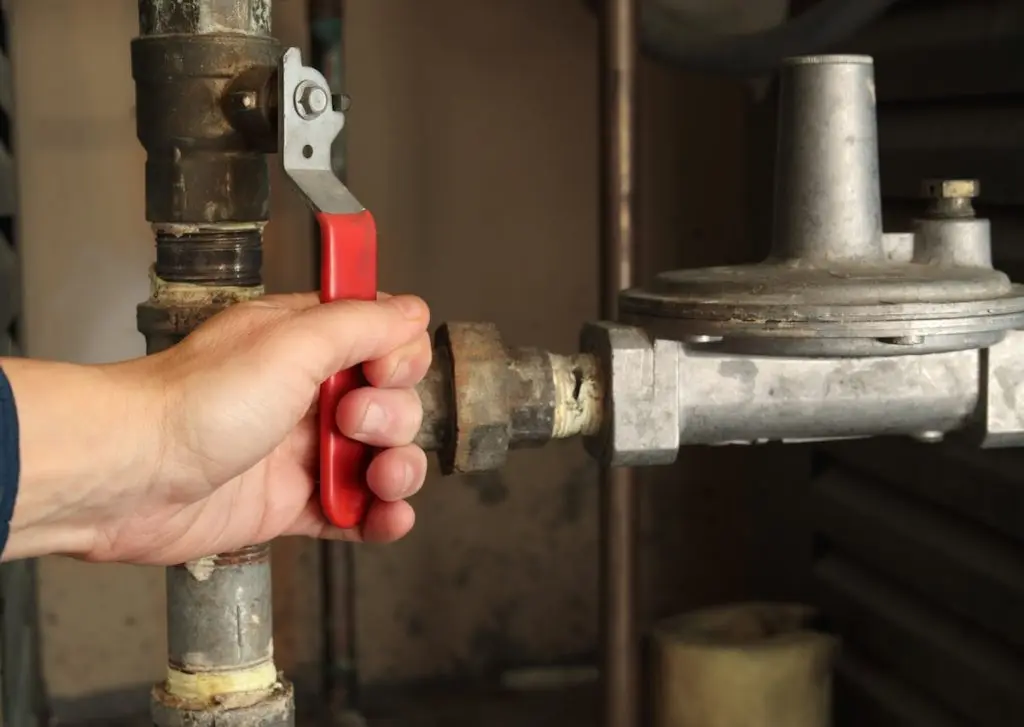
Understanding your gas shutoff valves is a fundamental part of safe homeownership. When it comes to the gas-powered equipment those valves serve, Eastergard HVAC has been keeping Upstate South Carolina homes safe and comfortable since 1989. Whether you need a furnace inspection, a gas appliance service call, or honest answers about your heating system, our licensed team is here to help.
Contact Eastergard HVAC today to schedule your service visit. Call or text us at 864-235-2935 or send us an email, and we will make sure your gas appliances are running safely and efficiently.
Recent Articles POSTS