Gas Line Installation Cost: 9 Factors That Affect What You’ll Pay
Understanding gas line installation cost before you call a contractor puts you in a much stronger position when it comes time to review quotes and make decisions. Costs can vary widely depending on your home’s layout, the appliances involved, and the complexity of the work, and knowing what drives those numbers helps you budget accurately and avoid surprises. Here’s what this guide covers:
- The key factors that influence what you’ll pay
- How pipe material, length, and labor all play a role
- What permits and inspections add to the total
- Why professional installation is non-negotiable
What Drives the Cost of a Gas Line Installation
Gas line installation isn’t a one-size-fits-all project. A short indoor run connecting a new gas range to an existing line looks very different from a full exterior installation running from the street to a new appliance, and those differences show up clearly in pricing. According to HomeAdvisor, most homeowners spend between $271 and $936 on gas line installation, with an average cost of around $598 — though complex projects can climb to $2,000 or more.
Before any work begins, a licensed gas technician will assess your home’s layout, existing gas supply, appliance requirements, and local code requirements. That assessment shapes every cost decision that follows. In Easley, SC, local permit fees and labor rates factor into the final number just as much as materials and pipe length do.
9 Factors That Affect Your Gas Line Installation Cost
Every project is different, but these nine variables consistently have the biggest impact on what homeowners end up paying.
1. Length of the Gas Line
The longer the run of pipe required, the more material and labor the job demands. Short indoor connections between an existing line and a nearby appliance sit at the lower end of the cost range, while runs that stretch across the property or travel from the street meter to an appliance on the opposite side of the home can push costs significantly higher. Most installers price gas line work by the linear foot, so every additional foot adds to both material and labor costs.
- Short indoor runs: Connecting a gas range or dryer to a nearby supply line is typically the least expensive scenario.
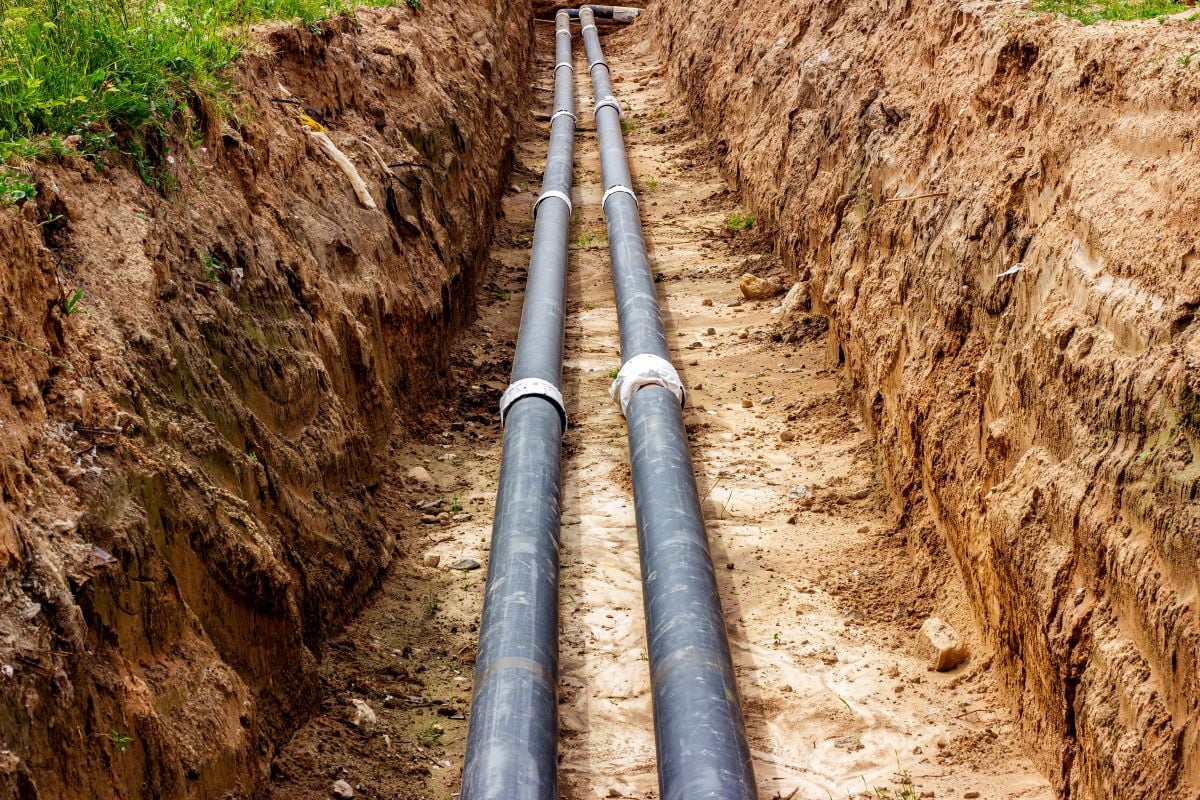
- Long exterior runs: Routing a line from the utility meter to an outdoor kitchen, fire pit, or detached structure costs considerably more due to trenching and material needs.
- Multiple connections: If you’re adding gas service to several appliances at once, discuss the full scope upfront to get an accurate estimate rather than pricing each piece separately.
2. Type of Pipe Material
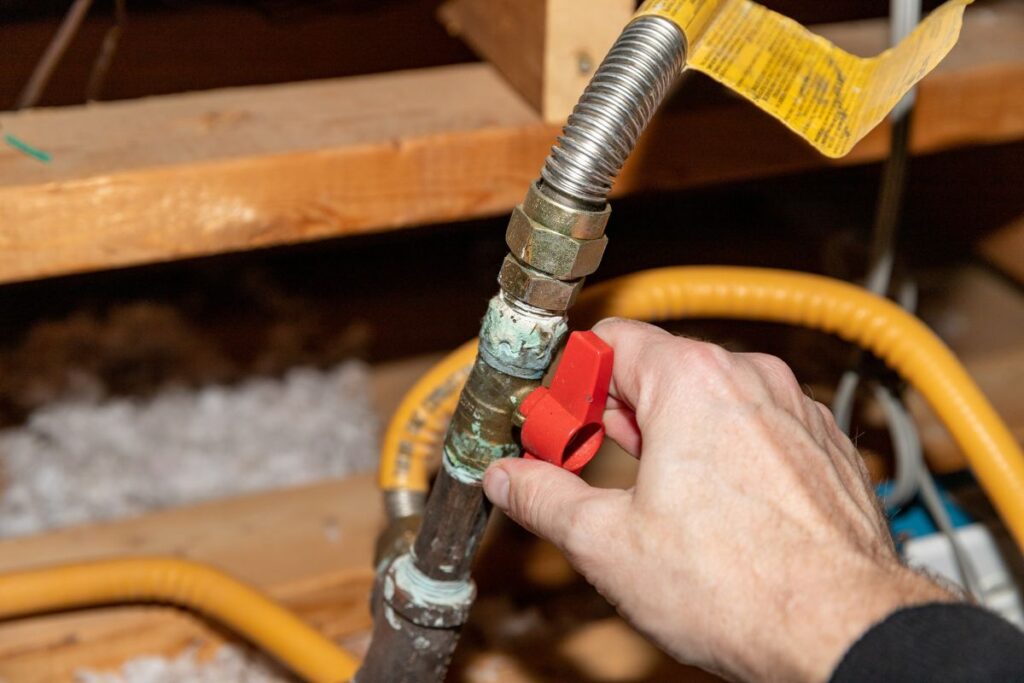
Not all gas pipe materials are priced the same, and local building codes often dictate which options are approved for interior versus exterior use. The most common materials used in residential gas line installation each come with their own cost profile and installation requirements.
| Pipe Material | Typical Cost Per Linear Foot | Best Use |
| Black iron pipe | $2–$4 | Indoor gas lines, high-pressure systems |
| Corrugated stainless steel (CSST) | $3–$8 | Flexible indoor routing, tight spaces |
| Copper | $2–$5 | Some indoor applications (code-dependent) |
| PVC / HDPE | $1–$3 | Outdoor underground installations |
For most residential installations in the Upstate South Carolina area, CSST is a popular choice due to its flexibility in tight spaces, though your technician will confirm what’s approved under local code before materials are selected.
3. Trenching and Underground Work
When a gas line needs to run underground, the cost of excavation gets added to the project total. Trenching through standard soil is the most affordable option, but digging through concrete, asphalt, or rocky ground requires specialized equipment and significantly more labor. Underground work also typically requires the ground to be properly restored after installation, which adds to the final bill.
4. Number of Appliances Being Connected
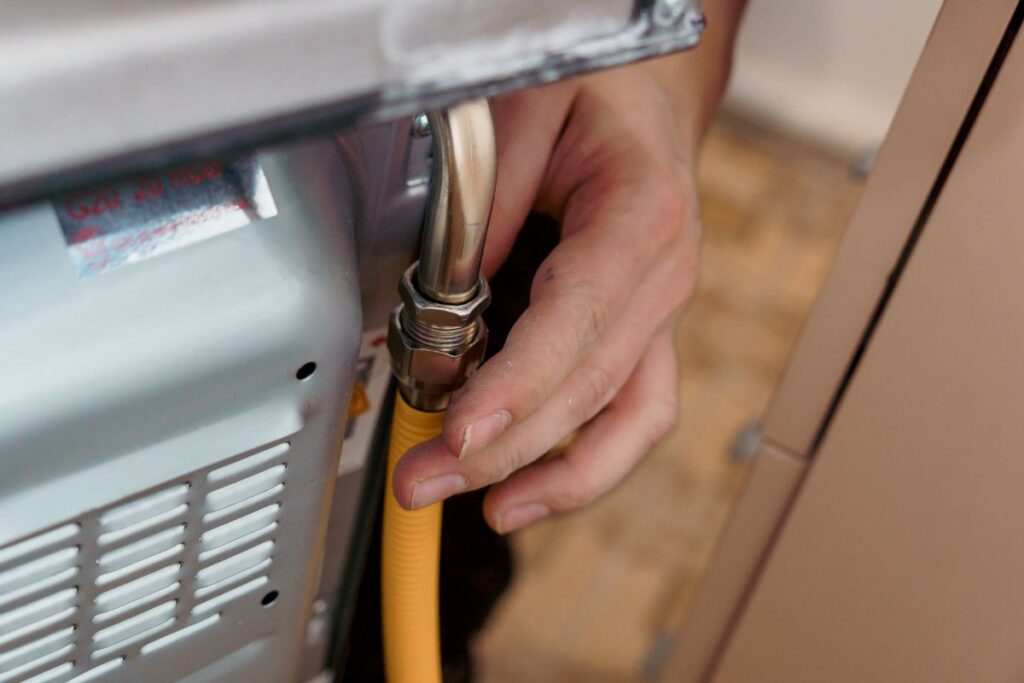
Each gas appliance connection requires its own properly sized pipe, fittings, and shutoff valve. Adding one appliance is straightforward, but if you’re converting multiple appliances from electric to gas at the same time, material and labor costs scale with each addition. Planning all connections as part of a single project is usually more cost-effective than scheduling them separately.
5. Labor Rates in Your Area
Labor is one of the most significant line items in any gas line installation. Rates vary based on local market conditions, the technician’s licensing level, and how complex the job is. Straightforward projects with easy access tend to land at the lower end of labor pricing, while jobs that require working inside finished walls, navigating tight crawl spaces, or coordinating with other trades cost more per hour and take longer to complete.
6. Permits and Inspections
Most jurisdictions require a permit for any new gas line installation, and the work must pass inspection before the line is put into service. Permit fees vary by location and project scope, but they’re a non-negotiable part of any legitimate gas line job. A contractor who suggests skipping the permit process is a red flag. Unpermitted gas work creates liability issues and can complicate home sales down the road.
7. Existing Gas Infrastructure
Homes that already have an active natural gas supply and an existing interior distribution system cost less to extend than properties that are starting from scratch. If your home has never had gas service, the utility company will need to bring a line to your meter, and you’ll be responsible for everything downstream from that point. That added scope can push total project costs to the higher end of the range.
8. Accessibility of the Installation Area
How easily a technician can access the installation path matters more than most homeowners realize. Open basement utility spaces or exposed utility rooms are the simplest scenarios. Installing inside finished walls, under a concrete slab, or in areas with limited clearance requires more time and sometimes specialized tools, both of which increase labor costs. If structural modifications are needed to complete the run, those costs get factored in as well.
9. Gas Pressure Requirements
Different appliances operate at different BTU demands, and higher-demand equipment like tankless water heaters or commercial-style ranges may require larger diameter pipe to maintain adequate pressure. Upsizing the pipe adds material cost and may require adjustments to the pressure regulator at the meter. Your technician will calculate the load requirements for each appliance before specifying pipe size.
Why Professional Installation Is the Only Option
Gas line work is not a DIY project. Most municipalities require a licensed gas technician or plumber to pull permits and perform the installation, and for good reason. Improper connections, undersized pipe, or missed pressure issues can create dangerous conditions, including gas leaks and carbon monoxide risk. A licensed professional ensures the work meets local code, passes inspection, and is backed by a warranty.
Parts and labor warranties vary by contractor, so confirm what’s covered before the job starts. At Eastergard HVAC, we verify warranty status before quoting any gas-related work and stand behind every installation our team performs.
Get an Honest Gas Line Quote From Eastergard HVAC
At Eastergard HVAC, we’ve been serving homeowners across the Upstate region since 1989 with the kind of straightforward, honest service that family-owned businesses are built on. We don’t pad quotes or recommend more than a job requires, and we make sure every installation is permitted, inspected, and done right the first time.
We’re proud to serve home and business owners in Easley, SC, and nearby communities with gas line installation and more. Reach out to Eastergard today for a free upgrade quote and let our team walk you through exactly what your project will involv
Recent Articles POSTS