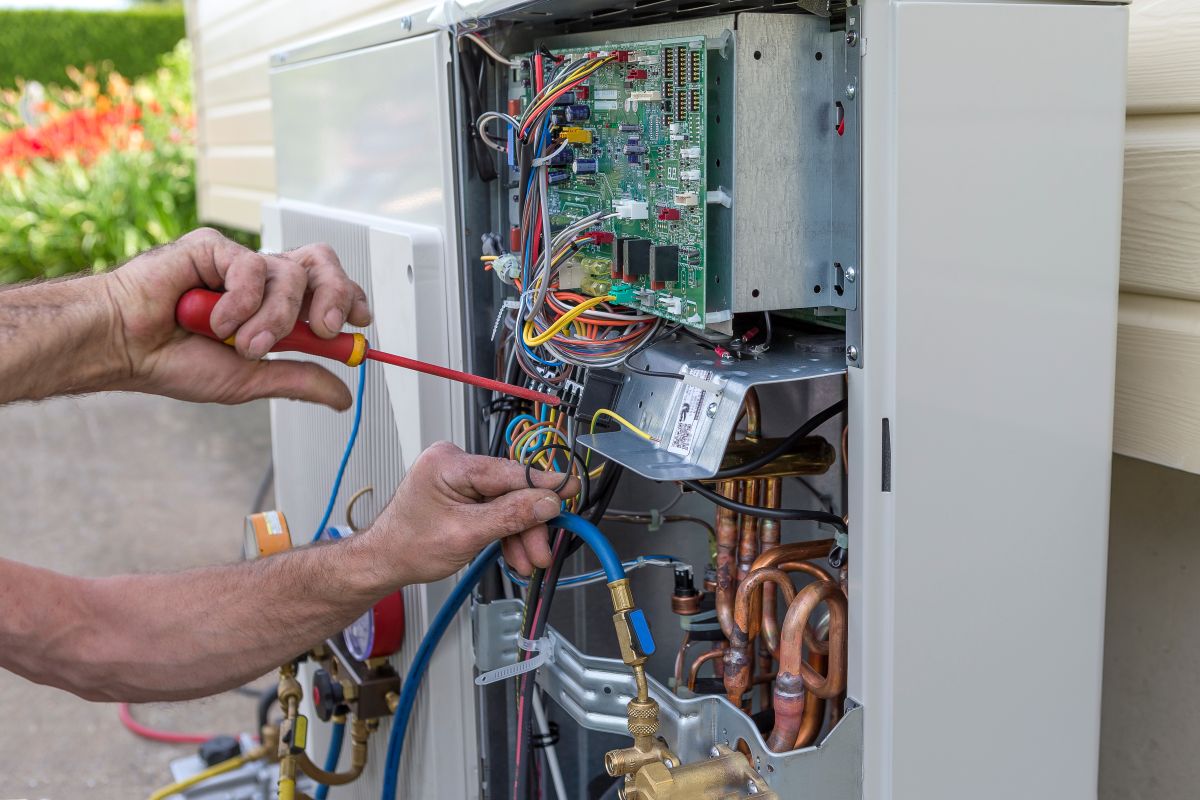
Heat Pump Maintenance: 6 Ways To Extend the Life of the System
A heat pump is one of the most versatile and efficient systems you can have in your home — but it only stays that way with consistent care. Heat pump maintenance is not just about preventing breakdowns. It is about protecting a significant investment and making sure the system you rely on for both heating and cooling continues to perform the way it should, season after season. If you have been putting off scheduling heat pump service, now is a good time to understand why it matters. Here is what this guide covers:
- Why heat pump maintenance matters more than most homeowners realize
- Six specific ways proper heat pump maintenance extends system life
- What a professional tune up includes and how often to schedule one
- Heat pump maintenance tips homeowners can apply between visits
- How Greenville’s climate affects heat pump performance and upkeep
Heat Pumps Work Harder Than Most Systems
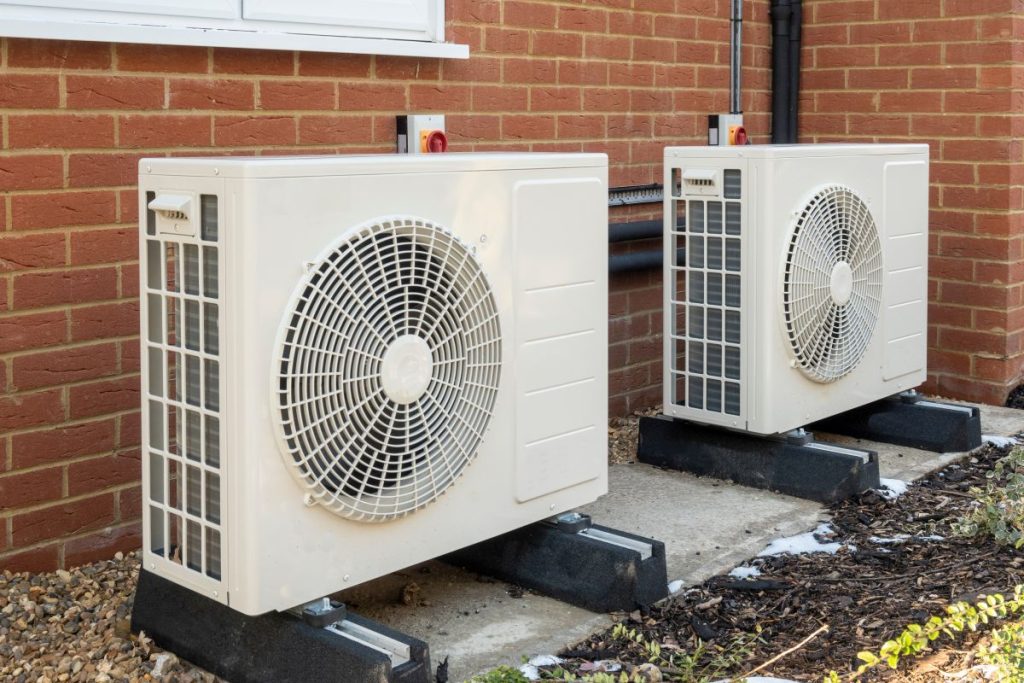
Unlike a furnace or a standalone air conditioner, a heat pump system runs year-round. It handles heating in the winter and cooling in the summer, which means it logs significantly more operating hours than a seasonal HVAC system. That year-round runtime is part of what makes consistent professional service so important — and why skipping it tends to catch up with homeowners faster than they expect.
According to the U.S. Department of Energy, the average residential air-source heat pump has a lifespan of about 15 years — but that number assumes reasonably consistent maintenance. Systems that are neglected tend to fall short of that range, while well-maintained units often exceed it. The difference usually comes down to how the system is cared for over time.
6 Ways Heat Pump Maintenance Extends System Life
Every item on this list addresses a real mechanism of wear. Together they form the foundation of a maintenance routine that keeps your heat pump system running longer, more efficiently, and with better indoor air quality throughout your home. Proper heat pump maintenance is not a one-time task — it is a consistent habit that pays dividends over the life of the system.
1. Keeps the Coils Clean for Efficient Heat Exchange
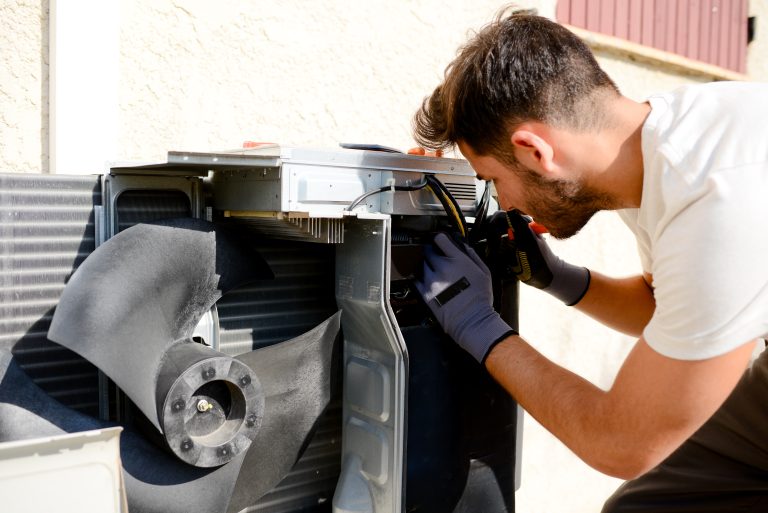
Both the indoor and outdoor coils in a heat pump play a central role in the heat transfer process. When they accumulate dust, dirt, or debris, the system has to work harder to move the same amount of warm or cool air through your home, reducing efficient heat exchange across the board. That extra strain raises energy costs and accelerates wear on the compressor — one of the most expensive components to replace. Professional cleaning during a tune up removes buildup from both coil sets and restores the system’s ability to transfer heat efficiently.
2. Protects the Compressor
The compressor is the heart of your heat pump, and it is also the component most affected by poor maintenance habits. Restricted airflow, low refrigerant levels, and dirty coils all put additional load on the compressor over time. A technician who checks refrigerant levels, inspects electrical connections, and clears any airflow restrictions during a routine visit is doing more to protect your compressor than most homeowners realize. Keeping the compressor healthy is one of the most direct ways to extend your system’s overall service life.
3. Maintains Proper Airflow and Indoor Air Quality
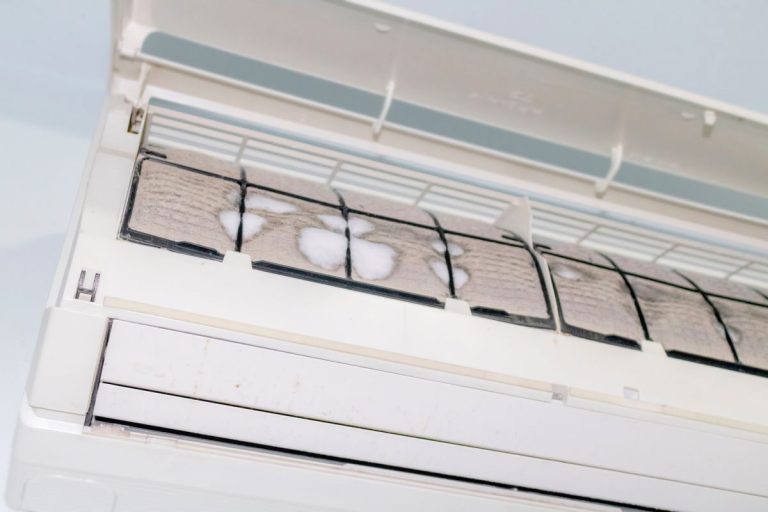
Airflow problems are one of the most common and least obvious sources of heat pump inefficiency. A clogged air filter, blocked return vents, or debris around the outdoor unit all restrict the system’s ability to move air effectively — and a dirty system does not just run poorly, it can also circulate dust and contaminants that affect indoor air quality throughout your home. Checking and replacing filters regularly, keeping the outdoor unit clear, and having a technician inspect airflow as part of an annual visit all contribute to keeping things moving the way they should.
4. Catches Small Problems Before They Become Expensive
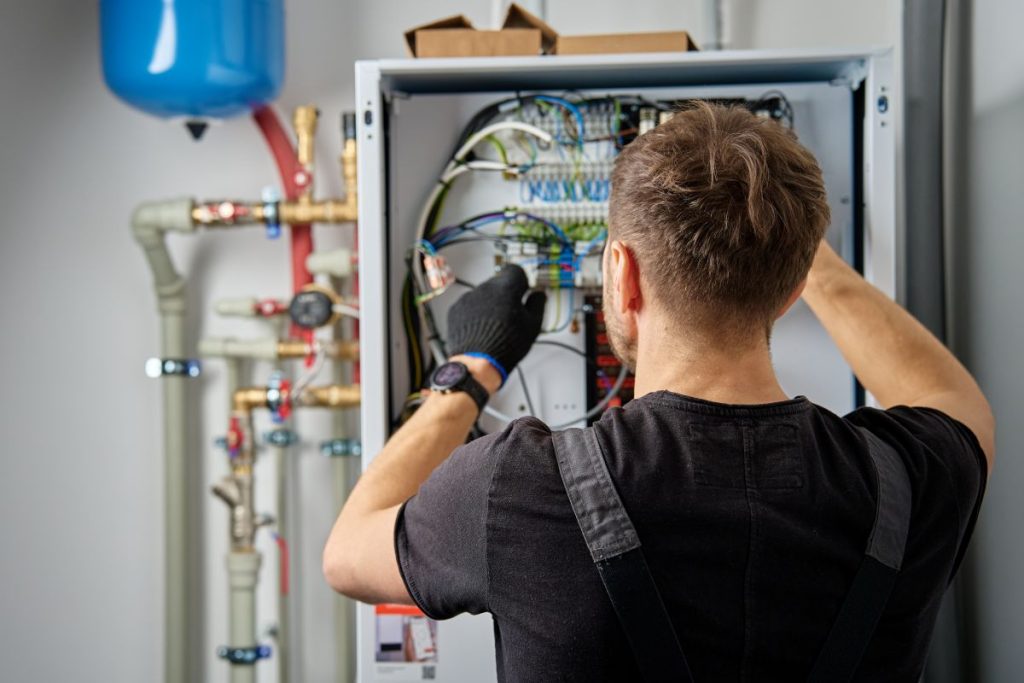
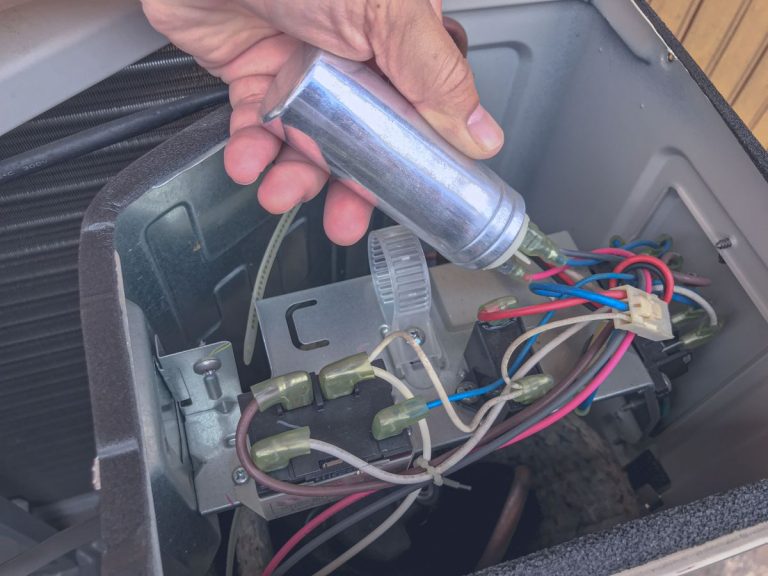
A professional heat pump maintenance visit is as much about prevention as it is about performance. When a technician inspects your system annually, they can identify worn components, unusual readings, or developing issues that are not yet causing noticeable problems. Addressing a minor issue early — a failing capacitor, a loose electrical connection, low refrigerant — costs a fraction of what the same problem costs after it leads to a larger failure. Consistent maintenance shifts repairs from reactive to planned, which is always the better position to be in when it comes to heat pump maintenance cost.
5. Preserves Energy Efficiency Over Time
A heat pump that has not been serviced, gradually becomes less efficient without any single obvious cause. Dirty components, low refrigerant charge, and small mechanical issues all chip away at performance incrementally. Over time, the HVAC system uses more energy to produce the same level of comfort — and that gap shows up on your monthly utility bill before it shows up as a breakdown. Annual maintenance resets the system closer to its designed efficiency and helps it stay there throughout the season.
6. Supports Warranty Coverage
Most heat pump manufacturers require documented proof of regular professional maintenance to keep warranty coverage valid. If a major component fails and there is no maintenance history on record, the manufacturer may decline to cover it. Staying consistent with semi-annual maintenance is one of the simplest ways to protect both the system and the warranty that came with it — and to avoid a heat pump maintenance cost conversation that could have been prevented.
What a Professional Heat Pump Maintenance Covers
A thorough professional maintenance is a detailed process that covers far more than a visual inspection. Understanding what is included helps you evaluate the quality of the service you are receiving and confirms that proper heat pump maintenance is actually being performed. Here is a general overview of what a qualified technician should address:
- Coil inspection and cleaning: Both indoor and outdoor coils are checked for buildup that restricts efficient heat exchange.
- Air filter check: Filter condition is assessed and replaced or cleaned as needed.
- Refrigerant level check: Low refrigerant affects performance and puts strain on the compressor.
- Electrical connections: Loose or corroded connections are a common cause of system faults.
- Blower motor and condenser motor inspection: Ensures airflow is moving properly through the system.
- Thermostat calibration: Confirms the system is responding accurately to your settings.
- Outdoor unit clearance: Debris around the unit is cleared to maintain proper airflow.
- Overall safety and performance review: Your technician should walk you through findings and options before any additional work is discussed.
Most heat pump systems benefit from professional service once or twice per year given that they operate in both heating and cooling seasons. Fall and spring are natural checkpoints that align with the shift in seasonal demand.
Heat Pump Maintenance Tips for Homeowners
Professional maintenance is the foundation of a long-lasting heat pump system, but there are several heat pump maintenance tips homeowners can apply between annual visits to support performance and protect the equipment. None of these replace a professional tune up, but they make a real difference in how the system holds up day to day.
- Check and replace air filters regularly: Most systems benefit from a filter check every month and a replacement every one to three months depending on household conditions. A clean filter supports indoor air quality and reduces strain on the blower.
- Keep the outdoor unit clear: Leaves, grass clippings, and other debris can accumulate around the outdoor unit and restrict airflow. A two-foot clearance on all sides is a reasonable standard to maintain year-round.
- Avoid covering the outdoor unit in winter: Heat pump systems need to access outdoor air even in cold weather. Covering the unit prevents it from operating properly.
- Watch for unusual sounds or performance changes: Anything that sounds new or different — grinding, rattling, or short cycling — is worth having a technician look at before it develops further.
Frequently Asked Questions About Heat Pump Maintenance

These are the questions that come up most often when homeowners start thinking seriously about keeping their heat pump system in good shape. Whether you are new to heat pump ownership or just getting back on a regular service schedule, these answers cover the most important ground.
How often should a heat pump be professionally serviced?
Most industry guidance recommends professional service once or twice a year. Because heat pumps run in both heating and cooling seasons, biannual service aligns well with the spring-to-summer and fall-to-winter transitions when demand is about to increase.
How long should a well-maintained heat pump last?
Air-source heat pumps generally have an average lifespan of around 15 years, though well-maintained units in mild climates like the Upstate South Carolina area often reach and exceed that range. Consistent maintenance is one of the most significant factors in how long a system lasts.
What does heat pump maintenance cost?
Heat pump maintenance cost varies by provider and region, but a professional inspection is far less than the cost of a major repair or early system replacement. Maintenance plans can also reduce the per-visit cost for homeowners who want to stay on a regular schedule.
What is the difference in maintenance for heat pumps versus standard AC equipment?
There is significant overlap, but heat pump systems require additional attention because they also handle heating. A technician servicing a heat pump should check the reversing valve and heating-mode performance, in addition to the cooling-related components checked during AC equipment tune-ups.
Does Eastergard offer a maintenance plan?
Yes. Eastergard HVAC offers residential maintenance memberships for homeowners who want to stay on a consistent service schedule. View membership options to find the right plan before you reach out.
Eastergard HVAC: Keeping Greenville Systems Running Longer
Proper heat pump maintenance is one of the most straightforward investments you can make in the long-term performance of your home’s comfort system. At Eastergard HVAC, we have been servicing heat pumps and heating systems across the Greenville area since 1989 as a locally owned, family-operated company. Our licensed and insured technicians approach every maintenance visit with the same attention to detail we bring to every job. We are proud to serve homeowners in Greenville, SC, and nearby communities including Greer, Taylors, Simpsonville, Mauldin, and Travelers Rest with heating maintenance and more. Contact our team to schedule your visit and make sure your system is ready for the season ahead.
Recent Articles POSTS