Gas Furnace vs Electric Furnace: 8 Pros and Cons Compared
Choosing a new furnace means making one of the more consequential decisions for your home’s long-term comfort and energy costs. The gas furnace vs electric furnace debate does not have a single right answer — it depends on your home’s setup, your local utility rates, and what you value most in a heating system. If you are already weighing a furnace replacement, understanding the differences between these two system types is the right place to start. This guide breaks down both options honestly so you can make an informed decision before you buy. Here is what we cover:
- How gas and electric furnaces differ in the way they produce heat
- The key pros and cons of each system type
- How efficiency ratings compare between electric and gas furnaces
- Which option tends to make more sense for Upstate South Carolina homeowners
- What to ask your HVAC contractor before making a final decision
How Each System Produces Heat

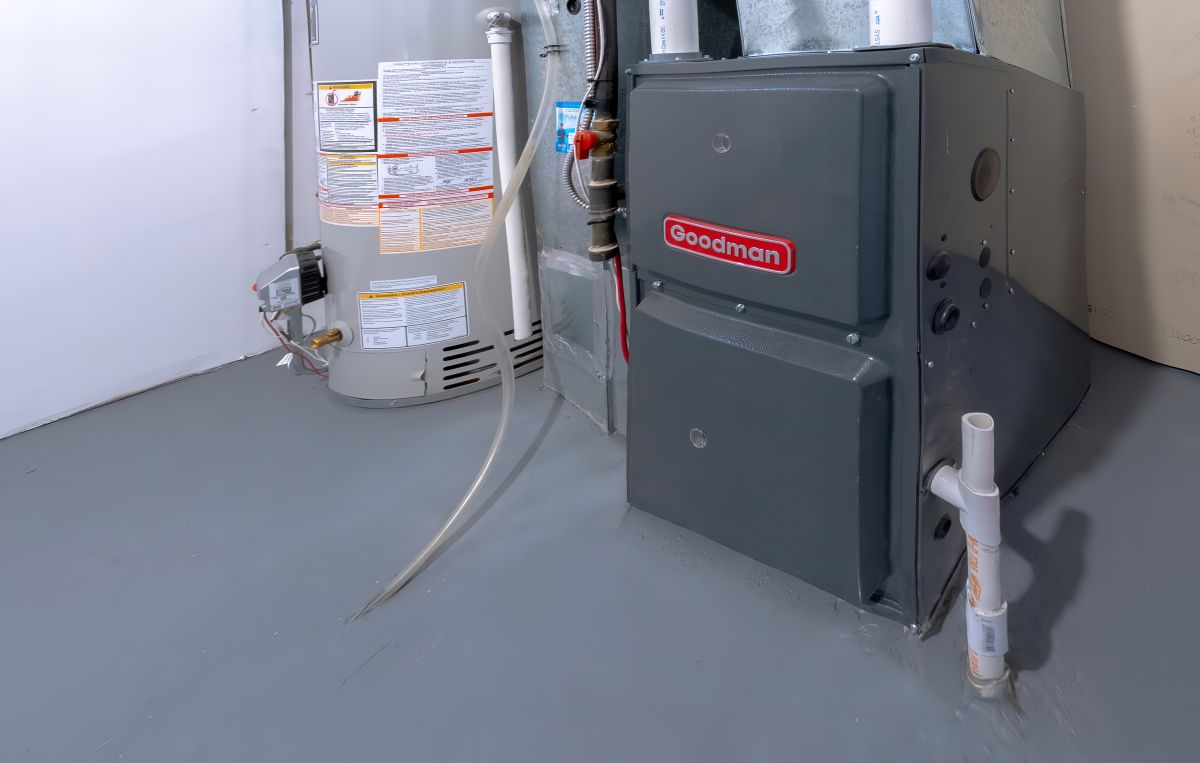
Before diving into the pros and cons, it helps to understand how these two systems actually work. Gas furnaces, both natural gas and propane,s pull fuel through a gas valve into a combustion chamber, where burning gas is ignited by a burner. The heat produced passes through a heat exchanger, warming the air that is then distributed as warm air through your ductwork. A gas furnace requires proper venting to exhaust combustion byproducts safely out of the home.
Electric heating works differently. Instead of combustion, an electric furnace uses resistance heating coils to generate heat. Air passes over the coils, warms up, and is distributed through the same type of ductwork. There is no burning gas involved, which means no need for a gas line, no flue, and no venting requirements. For homes without natural gas access, electric heating can be another path forward.
8 Pros and Cons Compared
Both systems have genuine advantages and real limitations. Understanding both sides of the electric and gas furnaces debate gives you a more complete picture before making a decision that will affect your home for the next 15 to 20 years.
1. Gas Furnaces Heat Faster
Gas furnaces produce hotter supply air than electric models, delivering warm air to rooms more quickly. This matters most on the coldest days of the year when the heating load is highest. Electric furnaces still heat effectively, but the air coming from the vents will not feel as warm to the touch — even if the system is running properly.
2. Electric Furnaces Are Simpler to Install
An electric furnace does not require a gas line, a flue, or combustion venting. That simpler installation profile can make upfront costs lower in homes that do not already have a natural gas or propane connection. Gas furnace installation involves more complexity — fuel piping, venting design, and combustion safety controls all add scope and cost to the project.
3. Natural Gas Furnaces Tend to Cost Less to Run
In most regions of the country, natural gas is cheaper per unit of energy than electricity, which makes natural gas furnaces less expensive to operate on a monthly basis. When natural gas is not available, furnaces can be converted to run propane, which is typically a more expensive gas option. That said, operating costs depend on local utility rates, system efficiency, and how much heating your home actually requires. In areas where electricity is relatively affordable — or where heating seasons are short — the operating cost gap narrows considerably.
4. Electric Furnaces Convert Energy More Efficiently
Electric heating operates at close to 100 percent efficiency in terms of converting electricity into warm air for your home. No energy is lost through combustion exhaust or venting. Natural gas furnaces, by comparison, always lose some heat through the flue regardless of their Annual Fuel Utilization Efficiency rating. The U.S. Department of Energy has finalized a rule that will require new residential gas furnaces to achieve a minimum AFUE of 95 percent starting in late 2028 — a significant improvement, but still below the theoretical ceiling of an electric system. Electric furnaces are typically more costly to operate, and tend to be utilized more in modular homes. When a gas furnace is not plausible, a heat pump with electric heat strips are typically used.
5. Gas Furnaces Require More Maintenance
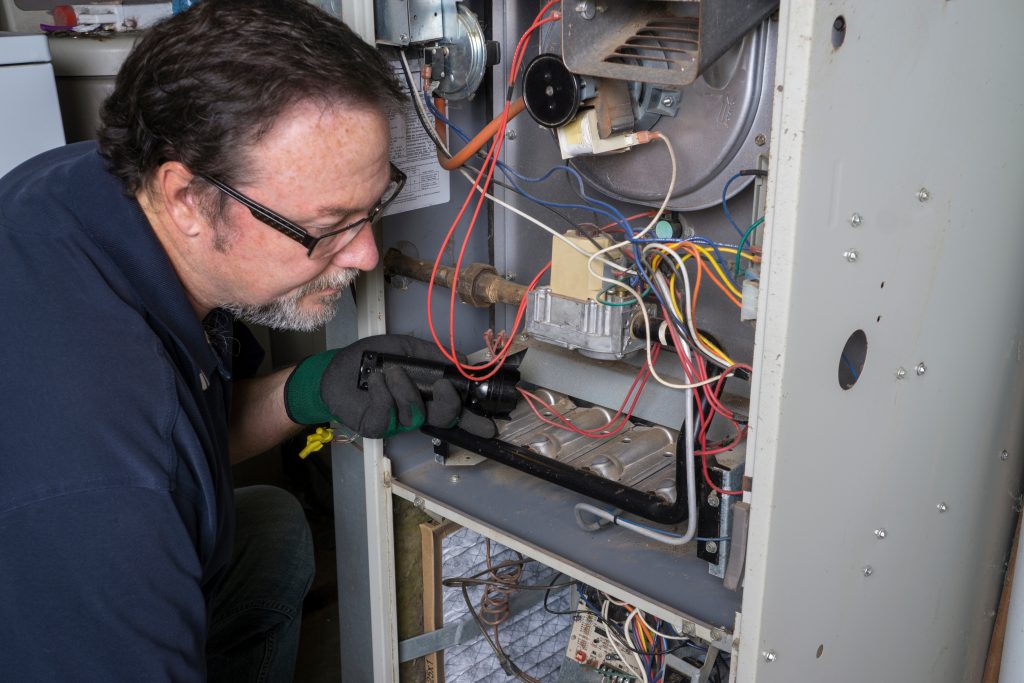
A gas furnace has more components that need regular attention — burners, the heat exchanger, ignition parts, flue venting, and combustion safety controls all require inspection and maintenance. Annual professional service is essential for both safety and efficient heating. Electric furnaces have fewer moving parts and no combustion-related components, which generally means a lower maintenance burden over time.
6. Electric Furnaces Carry Fewer Safety Risks
Because electric heating does not involve combustion, there is no risk of carbon monoxide exposure or gas leaks from the furnace itself, and no need for a flue or chimney to exhaust gases. Natural gas furnaces are safe when properly installed and maintained, but they do require more attention to safety — including carbon monoxide detectors, proper venting, and regular inspection of the heat exchanger for cracks. Gas leaks, while uncommon with properly maintained systems, are a risk that electric heating simply does not carry.
7. Gas Furnaces Perform Better in Colder Climates
In colder climates with harsh winters, natural gas and propane furnaces have a clear performance advantage. They produce more heat output and can keep up with higher heating loads without the efficiency penalty that electric resistance heating carries in extreme cold. For Upstate South Carolina homeowners, winters are generally mild enough that this is a smaller factor — but it is still worth considering on the coldest nights of the season.
8. Electric Furnaces Tend to Last Longer
Electric furnaces typically have a longer service life than gas models. With fewer mechanical components and no burning natural gas involved, they experience less wear over time. Natural gas furnaces generally last 15 to 20 years with consistent maintenance, while electric furnaces can last 20 to 30 years in some cases. Long-term durability factors into the true total cost of ownership across the system’s life.
Efficiency Ratings at a Glance
Understanding how efficiency is measured for electric and gas furnaces helps you compare options on an even footing. Here is a quick breakdown:
| System Type | Efficiency Metric | Typical Range | Notes |
| Gas Furnace | AFUE | 80% to 98% | Higher AFUE means less heat lost through venting |
| Electric Furnace | AFUE | ~100% | Nearly all electricity converts to usable warm air |
Higher AFUE is always better for gas, but it is worth noting that overall system efficiency also depends on how electricity is generated at the source. Natural gas furnaces may have a lower listed AFUE but can still be more cost-effective to operate depending on local utility rates.
Which Makes More Sense for Upstate South Carolina Homeowners
Climate plays a real role in this decision, and Greenville’s climate is worth factoring in. The Upstate experiences mild to moderate winters rather than the sustained extreme cold common in colder climates up north. That profile opens up more options compared to regions where a gas furnace’s heating output advantage becomes non-negotiable.
For homes that already have a natural gas connection, a gas furnace remains a strong and cost-effective path to efficient heating for most homeowners. For homes without gas service, or for homeowners interested in an all-electric setup, electric heating through a furnace or a heat pump with electric backup can be a practical alternative. The right answer depends on your home’s existing setup, your utility rates, and your long-term comfort priorities — all things worth discussing with a qualified HVAC contractor before you commit.
Frequently Asked Questions
These are the questions that come up most often when homeowners are weighing the electric and gas furnaces decision. A good contractor should be able to walk you through all of these in the context of your specific home.
Is a gas furnace always cheaper to operate than electric?
Not necessarily. Operating costs depend on your local utility rates for both gas and electricity. In some markets, the gap is significant. In others, it is narrower. Get a realistic operating cost estimate based on your specific rates and expected usage before making a decision based on fuel type alone.
Can I switch from a gas furnace to an electric furnace?
Yes, though the project scope depends on your home’s electrical infrastructure. Some homes may need panel upgrades to support an electric furnace’s power requirements. An HVAC contractor can assess what the switch would involve and give you a clear cost picture.
How do I know what AFUE rating to look for?
For natural gas furnaces, anything at 80 percent AFUE or above meets current federal minimums, and high-efficiency condensing models typically reach 90 to 98 percent. Starting in late 2028, new gas furnaces will be required to meet a 95 percent AFUE minimum. For electric furnaces, AFUE is effectively close to 100 percent across the board.
Does Eastergard install both gas and electric furnaces?
Eastergard works with any manufacturer on repairs and installs American Standard systems for new equipment. Ask about the options that make sense for your home when you reach out for a quote.
Eastergard HVAC: Helping You Choose the Right Furnace for Your Home
Whether you are leaning toward a gas furnace or exploring what electric heating could offer, the most important step is getting a recommendation from a contractor who has actually looked at your home. At Eastergard HVAC, we have been helping Greenville-area homeowners make informed heating decisions since 1989 as a locally owned, family-operated company. We are proud to serve homeowners in Greenville, SC, and nearby communities including Greer, Taylors, Simpsonville, Mauldin, and Travelers Rest with heating installation, maintenance, and more. Contact our team to schedule a visit and get a straight answer on what makes sense for your home.
Recent Articles POSTS