

Understanding ac installation cost is essential for homeowners preparing to replace or upgrade their cooling system. Whether you live in Greenville, SC or another Upstate community, the cost of a new AC system depends on several important elements. Knowing these factors ahead of time helps you make confident decisions and avoid unexpected expenses. The average cost of installing a central air conditioning unit often depends on efficiency, ductwork, and labor costs.
Here are the key considerations homeowners look at when preparing for a new installation:
- System size and cooling capacity
- Home layout and ductwork needs
- Installation complexity and local labor rates
- Equipment efficiency and brand quality
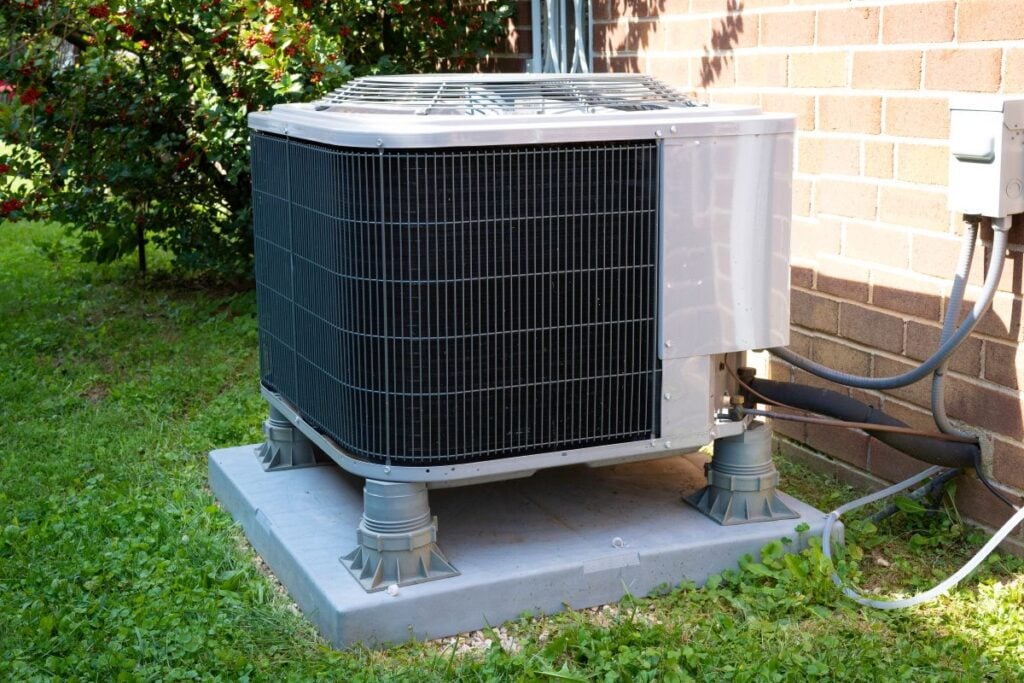
What Impacts the Cost of AC Installation
Every home has unique conditions that influence AC installation cost. Factors like existing infrastructure, ductwork quality, and home layout can greatly affect final pricing. Understanding these variables helps you compare quotes accurately and choose a system that fits your needs. Some homeowners decide between upgrading an older central AC unit or installing a new, higher-efficiency air conditioning system.
- System size and tonnage requirements
- Condition and age of ductwork
- Efficiency rating of the new equipment
- Home accessibility and construction style
- Brand reputation and warranty options
- Labor hours required for proper installation
AC System Types and Their Installation Requirements
The type of AC system you choose has one of the biggest impacts on AC installation cost. Different systems require varying materials, labor, and configurations. Split systems, heat pumps, ductless mini-splits, and packaged units each offer unique benefits depending on your home’s setup. Selecting the right system helps ensure strong performance while keeping your installation within budget.
| System Type | Typical Application | Installation Complexity | Relative Cost |
| Central Split System | Homes with existing ductwork | Moderate | $$ |
| Heat Pump System | Homes needing efficient heating and cooling | Moderate | $$$ |
| Ductless Mini Split | Homes without ductwork or for zoned comfort | Low to High depending on zones | $$ to $$$ |
| Package Unit | Homes with limited indoor equipment space | Low | $$ |
Many older Upstate homes require duct adjustments or electrical upgrades before installing modern systems.
Equipment Efficiency Levels
Efficiency ratings influence both the upfront cost of your system and the long-term savings it provides. Higher SEER2-rated systems tend to cost more initially, but they offer superior comfort, lower energy bills, and quieter operation. In a warm, humid climate like South Carolina, investing in higher efficiency equipment often provides meaningful energy savings. A more efficient central air system also reduces strain on the outdoor unit.
Homeowners frequently consider:
- Lower monthly energy costs
- Improved indoor humidity control
- Reduced noise levels
- Extended equipment lifespan
Efficient equipment delivers more consistent comfort throughout the long summer season.
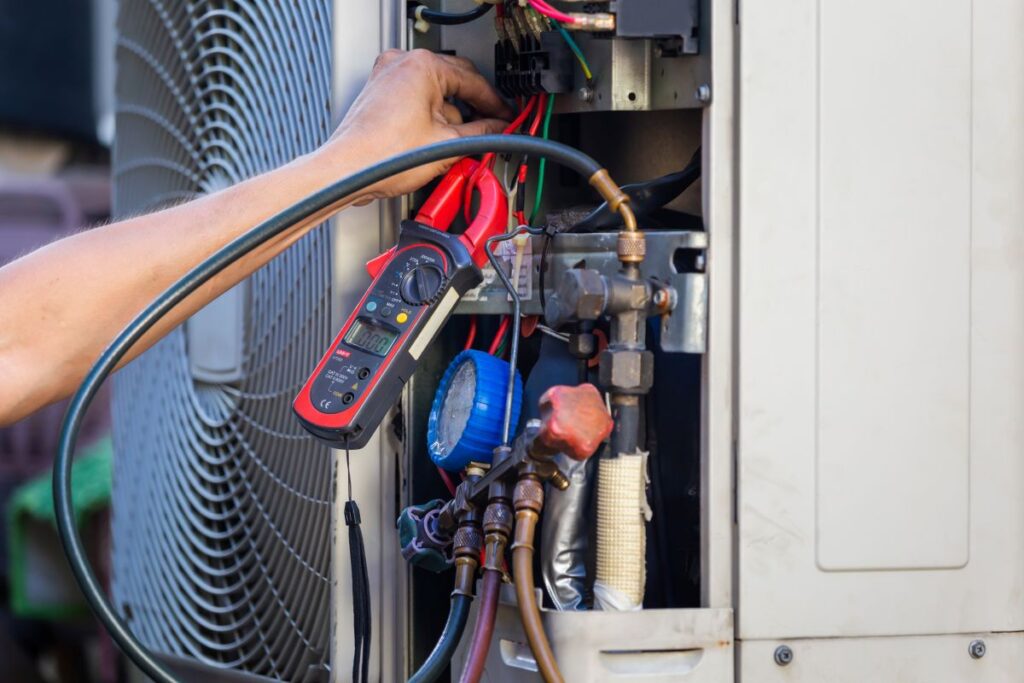
7 Major Factors That Determine AC Installation Cost
Before choosing a new AC system, it helps to understand the seven primary cost drivers that shape installation pricing. Each factor plays a key role in determining your investment and how well your new air conditioning unit will perform.
1. System Size and Tonnage
System size determines how much cooling power your home receives. Larger systems require more materials and longer installation time. Proper sizing relies on a manual j load calculation, which ensures the ac unit is neither too large nor too small.
- Oversizing: Higher upfront cost and inefficient cycling
- Undersizing: Poor comfort and faster system wear
- Load calculation: Balanced sizing based on home specifics
2. Ductwork Condition
Ductwork directly affects efficiency and comfort. If ducts are outdated or damaged, repair or replacement may be necessary to support proper airflow for a central ac unit.
- Leaks: Reduced airflow and increased energy use
- Poor design: Inconsistent temperatures across rooms
- Upgrades: May be needed for modern AC systems
3. Equipment Efficiency Rating
Higher efficiency units typically cost more but offer long-term value through lower energy bills.
- SEER2 rating: Higher numbers improve efficiency
- Energy costs: Lower monthly cooling bills
- Performance: More consistent comfort
4. Home Layout and Accessibility
Homes with complex layouts or limited access points may require more labor.
- Attic limitations: Harder access increases labor time
- Multi-level homes: Extra routing for duct or line connections
- Older construction: May require retrofitting
5. Brand Quality and Warranty Level
Premium brands with longer warranties often cost more upfront but may reduce long-term repair expenses.
- Reliability: Consistent long-term performance
- Warranty coverage: Helps protect against failures
- Build quality: Higher-grade components
6. Additional Comfort Features
Optional add-ons enhance comfort but increase the cost to install a system.
- Smart thermostats: Better control and scheduling
- Air filtration: Reduces dust and allergens
- Zoning: Customized temperature management
7. Local Labor Rates
Labor pricing varies by region, skill level, and seasonal demand.
- High-demand seasons: Labor costs may rise
- Project duration: Longer installs increase total cost
- Installer experience: Higher expertise often increases rates
How Labor and Installation Complexity Affect Pricing
Labor often represents a large portion of total AC installation cost. Some homes allow smooth installation, while others require additional modifications. Older homes in Greenville may need updates to electrical systems or ductwork before a central air system can be installed safely.
When Installations Become More Complex
More complex installations require more time and materials.
- Difficult attic or crawlspace access
- Electrical system updates
- Replacement of refrigerant lines
- Relocation of the outdoor unit
Why Proper Sizing Matters
Correct sizing prevents excessive energy use and avoids underperformance. Proper sizing considers:
- Square footage
- Insulation levels
- Window orientation
- Ductwork efficiency
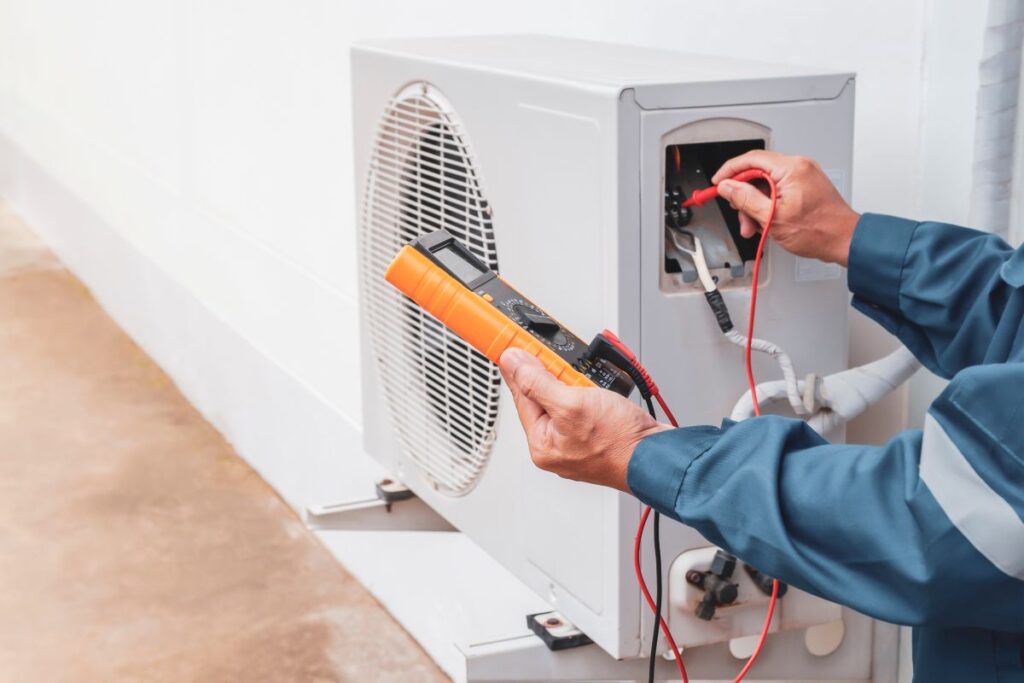
When Replacement Makes More Sense Than Repair
As systems age, repair costs can increase. When performance declines or energy costs rise, replacement may offer more value than repair. Many homeowners switch to newer, more efficient systems when older units become unreliable.
Replacement may be the better choice if:
- Your system is older than 12 to 15 years
- Major parts such as compressors or coils fail
- Repairs are becoming frequent
- Energy bills continue increasing despite maintenance
Why Eastergard HVAC Is the Right Partner for AC Installation
Eastergard HVAC brings decades of experience and careful craftsmanship to every installation. We ensure your system is properly sized, safely installed, and optimized for long-term performance. Our team provides honest recommendations and clear pricing so you understand the full scope of your investment.
If you are planning an upgrade or want expert guidance choosing the right ac unit, Eastergard HVAC is here to help. Contact us today for a free replacement quote and enjoy the comfort of a professionally installed cooling system.