Energy Efficient HVAC Systems: 8 Things Homeowners Should Know
“Energy efficient” shows up on just about every HVAC brochure, but the label alone doesn’t tell you much about what you are actually getting. Energy efficient HVAC systems can lower your utility bills, improve comfort, and qualify for rebates, as long as you know which ratings, features, and installation details make the difference. Think of this as the cheat sheet the brochure left out. When you are ready to compare equipment, our team can walk you through energy efficient system upgrades at every level.
Here is what we will cover:
- Why efficiency matters: How much of your energy bill goes to heating and cooling.
- 8 things to know: From efficiency ratings to compressor types, sizing, controls, and maintenance.
- Rebates: The programs that can lower your upfront investment.
- How to choose: What a home solutions advisor looks at before recommending a system.
8 Things to Know About Energy Efficient HVAC Systems
These eight points cover what matters most when you are shopping for efficiency. Some are about the equipment itself, and others are about the installation and care that let the equipment reach its rated performance.
1. Heating and Cooling Make Up a Big Share of Your Energy Bill
Efficiency matters because your HVAC system uses so much energy. According to ENERGY STAR, for the average American household, almost half of the annual energy bill goes to heating and cooling, which means even modest efficiency gains add up over the life of a system.
- Long cooling season: In the Upstate, the cooling season is long, so air conditioning efficiency has a big impact on your bills.
- Big temperature swings: It can be 70 on Sunday and 28 by Tuesday, so heating efficiency matters too.
2. SEER2 Measures Cooling Efficiency
SEER2 stands for Seasonal Energy Efficiency Ratio 2, the current rating for air conditioners and heat pumps. A higher SEER2 rating means a more energy efficient air conditioner or heat pump, with more cooling for every dollar spent on electricity.
- The minimum: In the Southeast, split system air conditioners under 45,000 BTU must meet at least 14.3 SEER2.
- Higher tiers: American Standard’s Silver Series reaches up to 15.2 SEER2, the Gold Series up to 17.2 SEER2, and the Platinum Series up to 23.6 SEER2.
- The right level: The best rating for your home depends on how long you plan to stay, how hard your system works, and your budget.
3. AFUE Measures Furnace Efficiency
Gas furnace efficiency comes down to AFUE, or Annual Fuel Utilization Efficiency, which shows the share of fuel that becomes heat for your home. Gas furnaces run on natural gas or propane, and higher AFUE means less fuel wasted.
- High-efficiency furnaces: Furnaces at 90% AFUE and above are high-efficiency models, and they also have a flue pipe, since some of the fuel is not burned as a heating source.
- Rebates: Piedmont Natural Gas offers rebates for furnaces above 90% AFUE.
4. Heat Pumps Move Heat Instead of Making It
Because a heat pump moves heat rather than creating it, it can warm your home using far less energy than resistance heaters or heat strips. The same system also cools your home in the summer. We are proud to serve home and business owners in Taylors, SC, and nearby communities with heat pump installation, heating and cooling service, and more.
- Cold climate heat pumps: Eastergard can install an American Standard Platinum cold climate heat pump, and cold climate heat pumps come with significant rebates. Duke Energy, the largest energy company in our area, is encouraging this technology to reduce the need for heat strips on the grid.
- Heating rating: Heat pumps also carry an HSPF2 rating, or Heating Seasonal Performance Factor 2, which measures heating efficiency. The federal minimum for split system heat pumps is 7.5 HSPF2.
- Compare ratings: The AHRI efficiency guide is a helpful reference for comparing air conditioner and heat pump efficiency.
5. Compressor Type Makes a Big Difference
How a system’s compressor runs affects both efficiency and comfort. Higher-efficiency systems typically use multi-speed or variable speed technology instead of running at full blast every time.
| Compressor Type | How It Runs | Efficiency and Comfort |
| Single stage | Full capacity, then off | Entry-level efficiency |
| Multi-speed | Lower setting most of the time, ramps up on the hottest days | Better efficiency and steadier temperatures |
| Variable speed | Adjusts output in small increments | Highest efficiency and the best humidity control |
- Humidity control: Variable speed systems regulate humidity better because lower fan speeds allow greater humidity control.
- Upstate comfort: Better humidity control also supports indoor air quality in a region with humid summers.
6. Proper Sizing and Ductwork Matter as Much as the Equipment
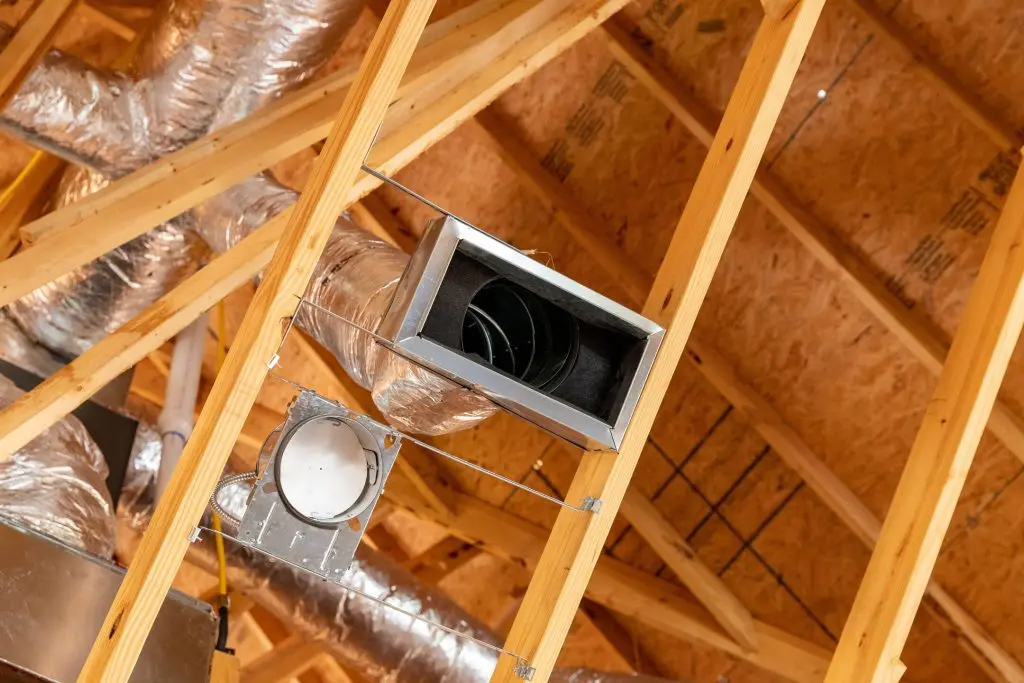
A high-efficiency system only reaches its rated performance when it is properly sized and connected to ductwork in good condition. An oversized system short cycles, and leaky ducts lose conditioned air before it reaches your rooms.
- Professional evaluation: A home solutions advisor will evaluate your existing equipment and your home’s needs before recommending a system.
- Existing ductwork: Ductwork older than 15 to 25 years is worth having evaluated.
- Load calculation: A Manual J calculation, the industry standard method for sizing a system, confirms the right capacity for your home.
7. Smart Controls and Zoning Reduce Wasted Energy
Even the most efficient system creates energy waste when it heats and cools rooms nobody is using. Smart controls and zoning let you put comfort where you need it.
- Smart thermostats: Smart thermostats run $350 to over $1,000 depending on features, installation, and system type, and Eastergard can install a smart thermostat that can be granted remote view access to assist with programming and troubleshooting.
- Matching controls: If you have an American Standard Gold or Platinum system, smart home integration is supported when it is paired with an American Standard Gold or Platinum thermostat.
- Zoning: Zoning allows greater control of specific spaces, like setting a bonus room over a garage higher or lower based on use. With Mitsubishi ductless equipment, each zone gets its own indoor head.
8. Maintenance Protects the Efficiency You Paid For
An efficient system doesn’t stay efficient on its own. Most manufacturers recommend two maintenance visits per year to keep performance where it should be.
- Fall heating visit: The fall heating visit clears the condensate drain, inspects the heat exchanger, cleans burners, adjusts the gas pressure, and checks venting.
- Spring AC visit: The spring AC visit focuses on the condensing coil, refrigerant pressures, AC mechanical devices, and cleanings.
- Air filters: Check air filters monthly and replace them every 1 to 3 months to protect airflow between visits.
- Staying on schedule: A two-visit maintenance schedule keeps both visits on the calendar, and Good, Better, and Best members get priority scheduling for unforeseen outages.
Rebates That Lower Your Investment
High-efficiency equipment usually requires a larger upfront investment, but rebates can narrow the gap. A new HVAC system typically ranges from $7,500 to $20,000 depending on equipment type, efficiency tier, and installation complexity.
- Duke Energy: Duke Energy periodically offers rebates for qualifying high-efficiency heat pump installations, and converting to a cold climate heat pump can raise the Duke Energy rebate considerably.
- Piedmont Natural Gas: Piedmont Natural Gas offers rebates for furnaces above 90% AFUE.
- Compare options: Eastergard provides a Free Replacement Upgrade Quote so you can compare efficiency tiers side by side.
Frequently Asked Questions About Energy Efficient HVAC Systems
These are the questions we hear most often from Upstate homeowners shopping for an efficient system. If your situation isn’t covered here, our team is happy to walk you through it.
What is the most energy efficient HVAC system?
For most Upstate homes, a variable speed cold climate heat pump offers the highest efficiency, especially when it is properly sized and paired with good ductwork. The right choice still depends on your home and your fuel options.
Is a higher SEER2 rating always worth it?
A higher SEER2 rating always means lower energy use, but it is not always the best financial choice. How long you plan to stay and how hard your system works both affect the payback.
Are there rebates for energy efficient HVAC systems?
Yes. Duke Energy periodically offers rebates for qualifying heat pumps, and Piedmont Natural Gas offers rebates for furnaces above 90% AFUE.
Does maintenance really affect efficiency?
Yes. Properly adjusted, well-maintained equipment runs more efficiently, which is why most manufacturers recommend two maintenance visits per year.
Find Your Perfect Climate With Eastergard HVAC
Energy efficient HVAC systems are about more than a rating on a label. They come down to the right equipment, the right installation, and the right care. Eastergard Heating & Air has been locally owned and family operated since 1989, with 4.9 stars from 700+ Google reviews, and as an American Standard Platinum Dealer and Mitsubishi Ductless Pro, we will lay out every option with straight answers on the investment.
Plan your energy efficient upgrade with our team today. Call or text us at 864-235-2935 or email us at info@eastergard.com, and we will help you find the right system for your home.
Recent Articles POSTS