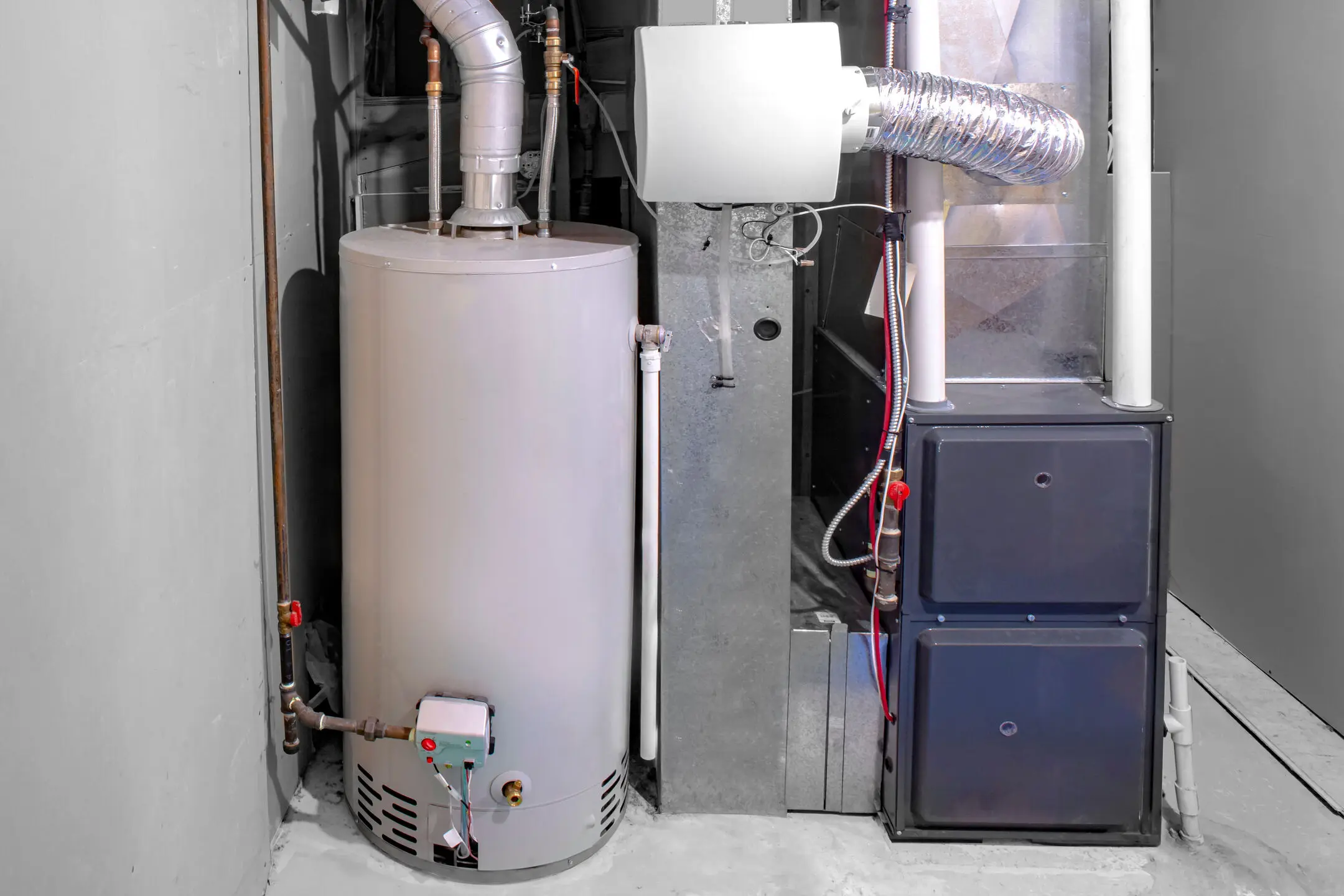
Furnace vs Boiler: 6 Factors to Consider Before You Decide
Furnaces and boilers both keep homes warm, but they go about it in completely different ways. When you are comparing a furnace vs boiler, the right choice depends less on which one is “better” and more on how your home is built, how you cool it, and what kind of comfort you want in the winter. Think of it as forced air versus a warm bath for your house. If you are weighing your heating options, our team handles furnace and heat pump service across the Upstate and can help you sort out what makes sense for your home.
Here is what we will cover:
- How each system works: The basic difference between heating with air and heating with water.
- 6 factors to consider: From existing ductwork and cooling needs to comfort, efficiency, and investment.
- Side-by-side comparison: A quick reference table for the key differences.
- What to do next: How to decide with confidence.
How a Furnace and a Boiler Heat Your Home
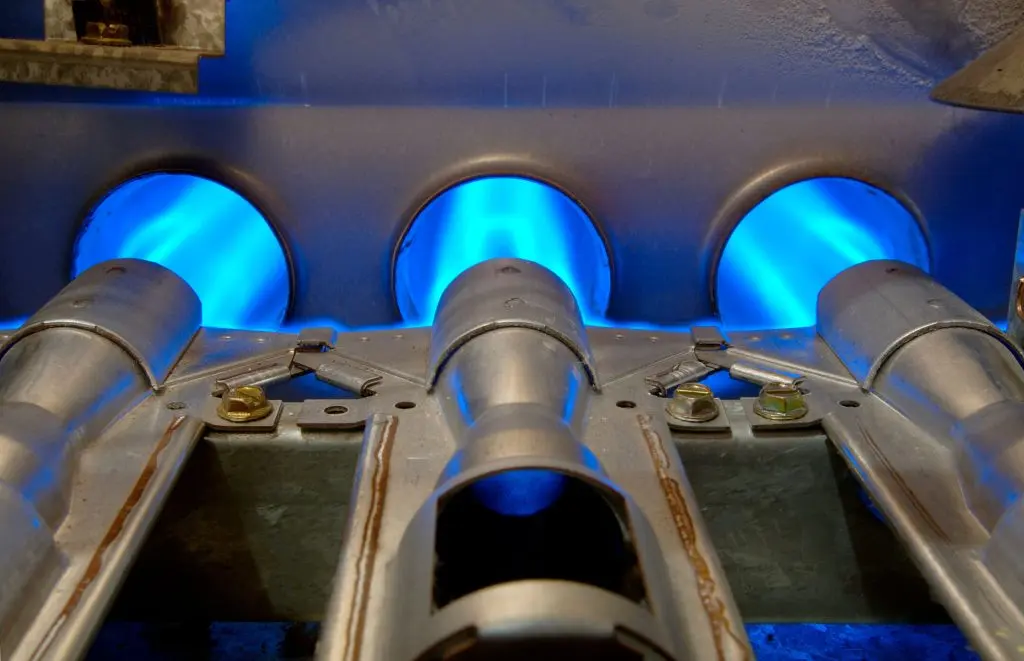
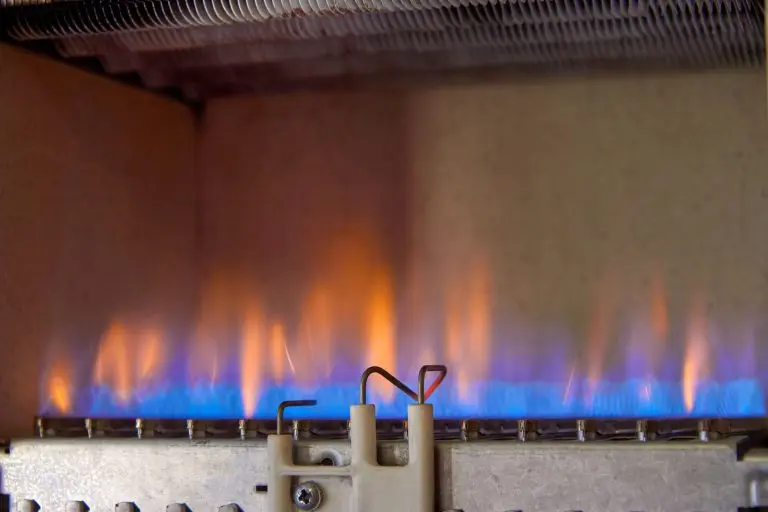
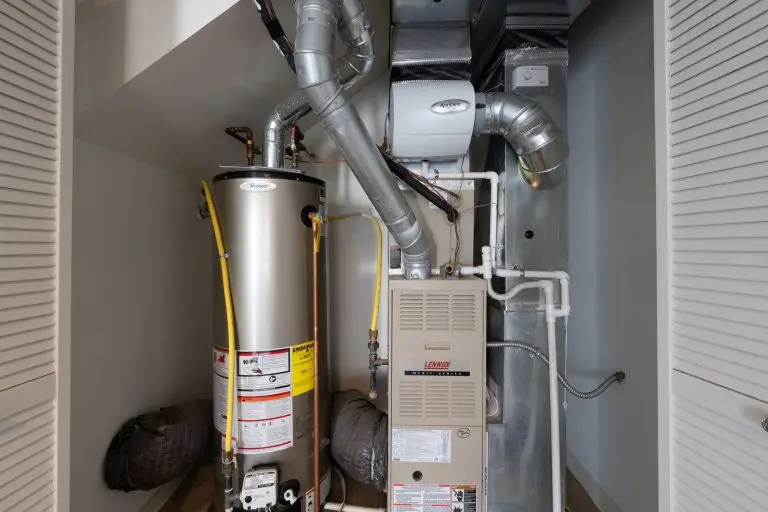
A furnace heats air. It burns natural gas or propane, or uses electric heat, to warm air that a blower then pushes through ductwork and out of the vents in each room. The blower motor moves air in both heating and cooling modes, so the same ductwork also carries cooled air in the summer when the furnace is paired with an air conditioner.
A boiler heats water instead. This is called a hydronic system, which simply means it uses water to move heat. The boiler sends hot water, or in some older systems steam, through pipes to radiators, baseboard heaters, or tubing under the floor for radiant floor heating, and the heat radiates into the room from there.
6 Factors to Consider When Comparing a Furnace vs Boiler
These six factors cover the questions that matter most when choosing between the two. Most homeowners find that one or two of them make the decision for them.
1. What Type of System Do You Currently Have
The system your home already uses is often the biggest factor. Homes with ductwork are set up for a furnace, while homes with radiators or baseboard heat are set up for a boiler system, and switching from one to the other is a major project.
- Homes with ductwork: A furnace or heat pump can use the existing ductwork, which keeps the investment more manageable.
- Homes with radiators or baseboards: Converting to a forced air heating system means adding ductwork throughout the house.
- Proper evaluation: A home solutions advisor will evaluate your existing equipment and help you understand what a change would involve.
2. How You Cool Your Home
A furnace shares its ductwork with central air conditioning, so one system of ducts handles heating and cooling all year. A boiler only heats, so homes with boilers need a separate way to stay cool.
- Furnace homes: Central AC or a heat pump uses the same ducts and blower as the furnace.
- Boiler homes: Window units or Mitsubishi ductless mini splits are common ways to add cooling without installing ductwork.
- Year-round planning: In the Upstate, the cooling season is long, so how you will stay cool matters as much as how you will stay warm.
3. The Kind of Comfort You Want
The two systems feel different. A boiler’s radiant heat warms surfaces and people gently and evenly, with no hot air blowing around the room. A furnace delivers warm air quickly and can bring a cold house up to temperature faster.
- Boiler comfort: Quiet operation and steady, even heat without drafts, and radiant floor systems warm the floor itself.
- Furnace comfort: Fast warm-up and the ability to run heating and cooling through one system.
- Temperature swings: In the Upstate, it can be 70 on Sunday and 28 by Tuesday, and a forced-air system can respond quickly when the weather changes.
4. Indoor Air Quality

Because a furnace moves air through the whole house, it also gives you a way to clean and condition that air. A boiler doesn’t move air, so it doesn’t stir up dust, but it also can’t filter the air in your home.
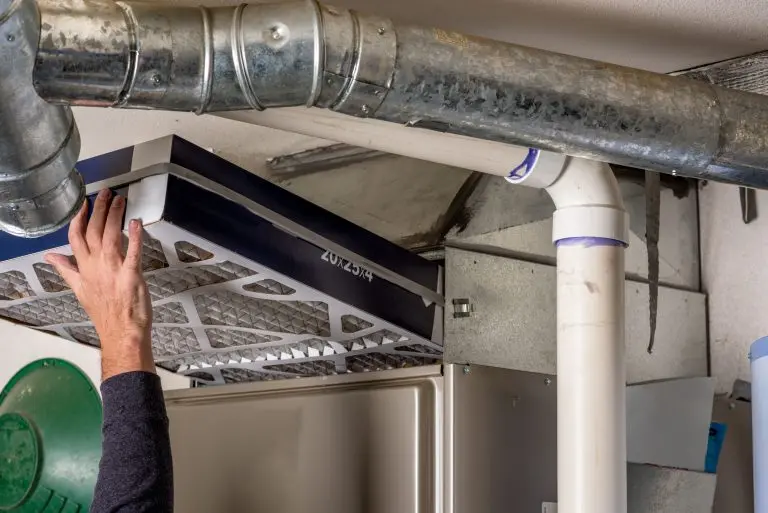
- Filtration: In a forced-air system, the filter can be located either at the return opening in the home or at the air handler, where it catches debris before air moves through the system.
- Air quality upgrades: Forced-air systems can add Phenomenal Aire ionization, media cabinet filtration, or a whole-house dehumidifier to treat the air in every room.
- Humidity control: With the Upstate’s humid summers, a whole-house dehumidifier works alongside a forced-air system to keep moisture in check.
5. Efficiency and Fuel
Both furnaces and boilers measure energy efficiency with AFUE, or Annual Fuel Utilization Efficiency, which shows the share of fuel that becomes heat for your home. According to ENERGY STAR, certified boilers have AFUE ratings of 90% or greater for gas boilers, and high-efficiency gas furnaces reach 90% AFUE and above as well. We are proud to serve home and business owners in Easley, SC, and nearby communities with furnace installation, heat pump service, and more.
- Furnace fuel: Gas furnaces run on natural gas or propane.
- When gas isn’t available: The usual alternative is a heat pump with electric heat strips rather than an electric furnace, since electric furnaces are more expensive to run.
- Dual fuel option: A dual fuel system pairs a heat pump with a gas furnace, using the heat pump for cooling and most heating, and the furnace as backup on the coldest days.
6. Safety, Maintenance, and the Investment
Both furnaces and boilers burn fuel, so both need regular professional service to run safely. A cracked or compromised heat exchanger allows harmful carbon monoxide to leak into your home. An influx of carbon monoxide, or CO, can cause severe illness up to death if exposure is prolonged.
- Furnace maintenance: The fall heating visit clears the condensate drain, inspects the heat exchanger, cleans burners, adjusts the gas pressure, and checks venting. When the entire heat exchanger cannot be evaluated, an Eastergard technician will use a borescope to ensure the entire heat exchanger has been inspected.
- Detectors as backup: Carbon monoxide detectors are required on every level of a home with a gas appliance, and Eastergard installs low-level detectors for the earliest warning.
- The investment: A new HVAC system typically ranges from $7,500 to $20,000 depending on equipment type, efficiency tier, and installation complexity.
Furnace vs Boiler: Side-by-Side Comparison
Every home is different, but the core differences between the two systems stay the same. Here is how they compare at a glance.
| Feature | Furnace | Boiler |
| Heats with | Air | Water or steam |
| Delivers heat through | Ductwork and vents | Pipes, radiators, baseboards, or floor tubing |
| Cooling | Shares ductwork with central AC or a heat pump | Needs a separate cooling system |
| Air filtration | Yes, through the system filter | No |
| Feel | Fast warm air | Quiet, even radiant heat |
| Efficiency rating | AFUE | AFUE |
Frequently Asked Questions About Furnace vs Boiler
These are the questions we hear most often from Upstate homeowners weighing a boiler vs furnace decision. If your situation isn’t covered here, our team is happy to walk you through it.
Is a boiler more efficient than a furnace?
Not necessarily. High-efficiency gas furnaces and gas boilers can both reach 90% AFUE and above, so both can be energy efficient choices and the right one usually comes down to your home’s setup.
Can I switch from a boiler to a furnace?
Yes, but it usually means adding ductwork throughout the home, which is a significant project. A home solutions advisor will evaluate your existing equipment and walk you through your options.
How can I add air conditioning to a home with a boiler?
Ductless mini splits are a popular choice because they cool individual rooms without ductwork. Indoor units run quietly at 19 to 32 decibels.
Should I repair or upgrade my current heating system?
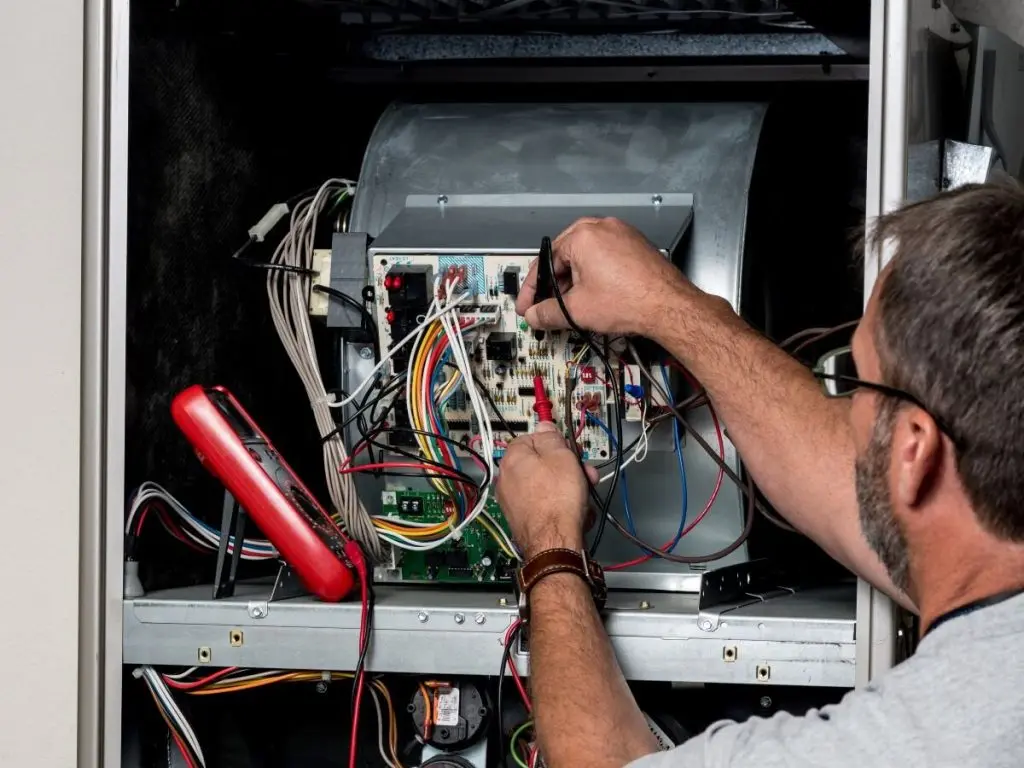
Not every furnace is worth repairing, and an older system facing a major repair is often a strong candidate for an upgrade. Eastergard provides a Free Replacement Upgrade Quote so you can compare your options side by side.
Find the Perfect Climate for Your Home With Eastergard HVAC
Choosing between a furnace and a boiler comes down to your home, your comfort, and how you plan to cool it, and every home has its own version of the perfect climate. Eastergard Heating & Air has been locally owned and family operated since 1989, with 4.9 stars from 675+ Google reviews, and as an American Standard Platinum Dealer and Mitsubishi Ductless Pro, we will lay out your options at every level with straight answers on the investment.
Talk through your heating options with our team today. Call or text us at 864-235-2935 or email us at info@eastergard.com, and we will help you find the right fit for your home.
Recent Articles POSTS