Furnace Short Cycling: 6 Reasons It Keeps Turning Off
In the Upstate, it can be 70 on Sunday and 28 by Tuesday, so the first real cold snap is when a lot of furnace problems show up. One of the most common is furnace short cycling, where the system turns on, runs for a few minutes, shuts off, and starts again soon after. A furnace that can’t commit to a full heating cycle wastes energy, leaves rooms uneven, and puts extra wear on your heating system. If yours is doing it, our team handles heating repairs across the Upstate and can track down the cause.
Here is what we will cover:
- What short cycling looks like: How to tell it apart from normal operation.
- 6 reasons your furnace keeps turning off: From clogged filters to an oversized system.
- What you can check yourself: Quick steps before you call for service.
- How to prevent it: The maintenance habits that keep your furnace running full cycles.
What Furnace Short Cycling Looks Like
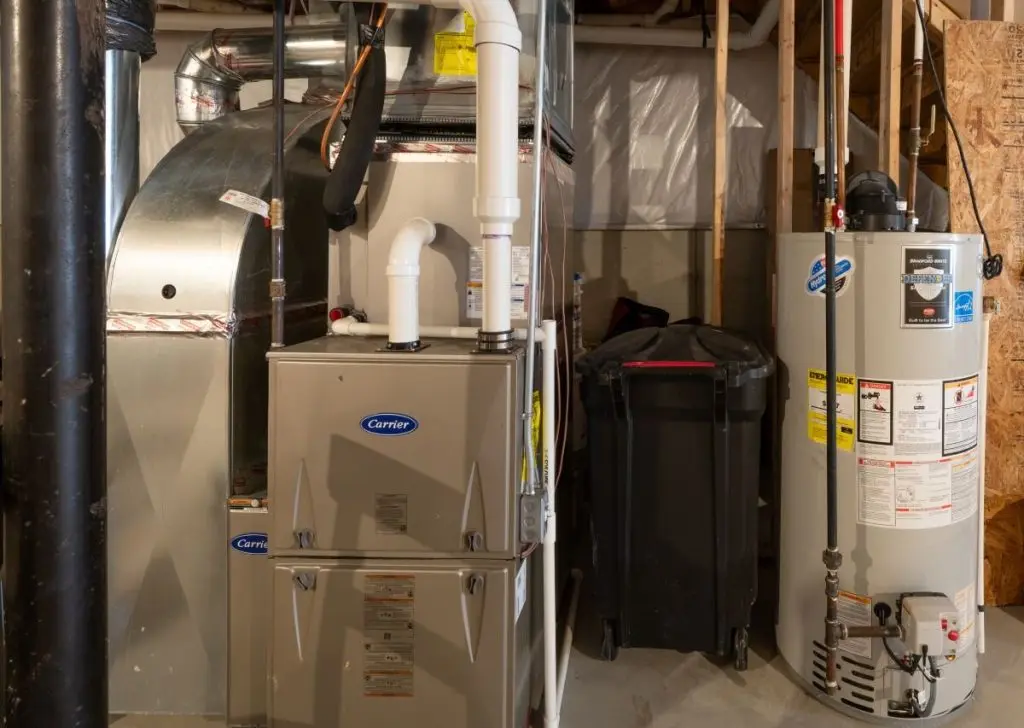
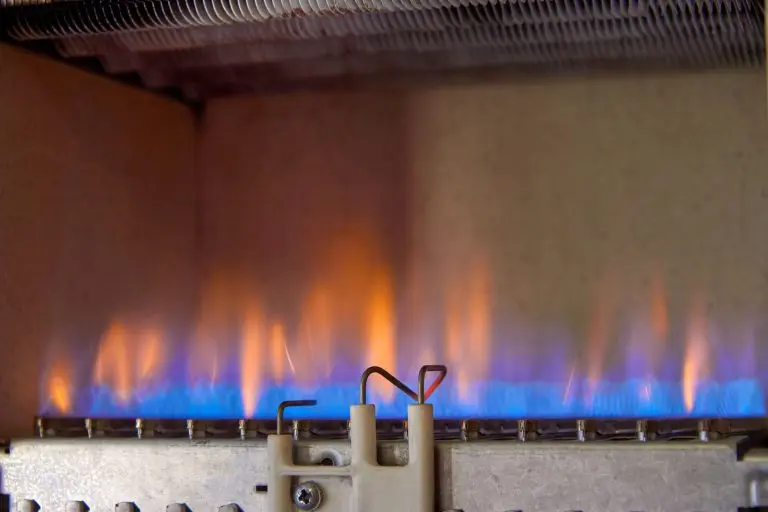
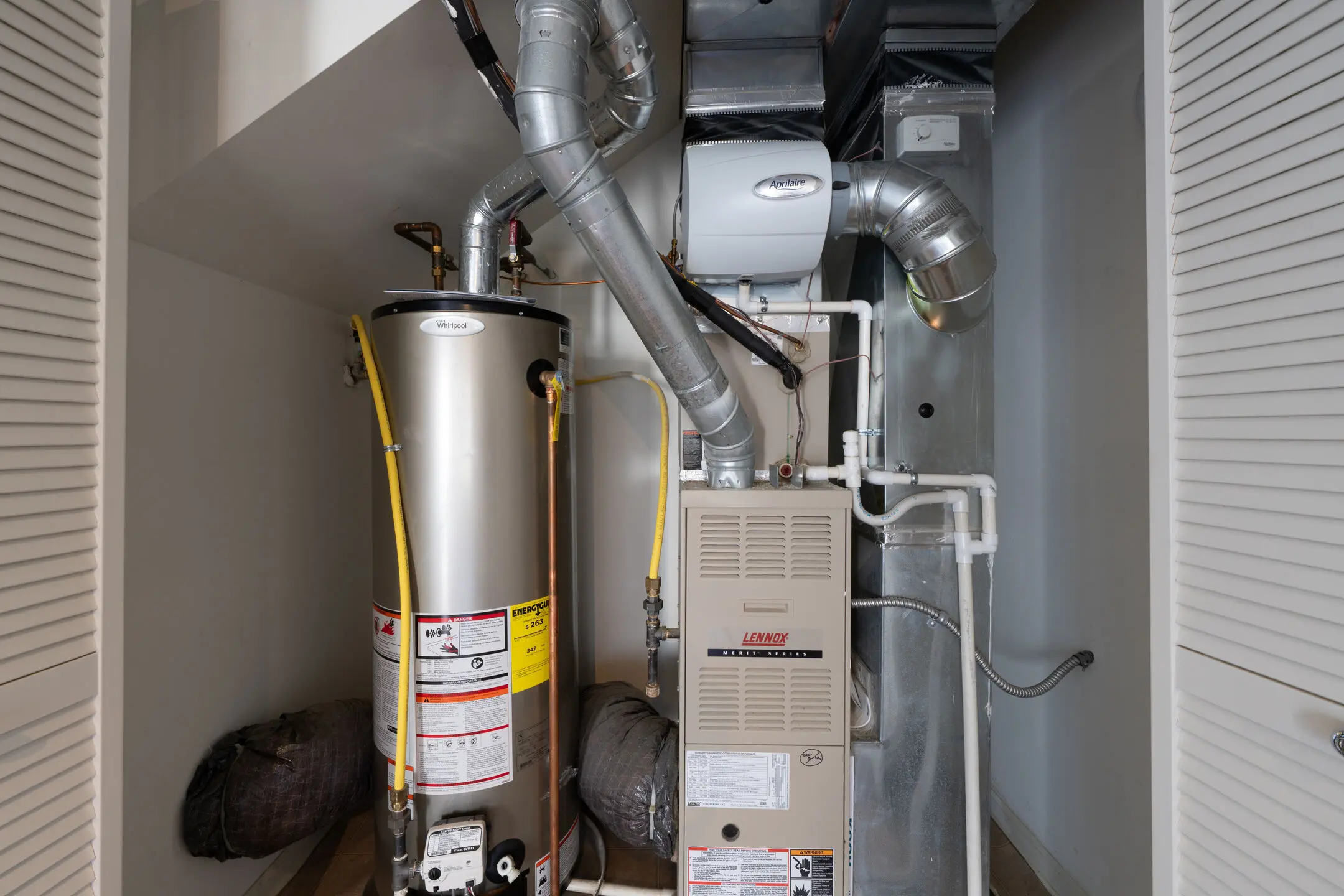
A furnace in good shape, whether it runs on natural gas or propane, runs long enough to bring your home up to the thermostat setting, then rests until it needs to heat again. A short cycling furnace never finishes that job. It fires up, runs briefly, and shuts down before it has delivered enough warm air to heat the house, sometimes over and over within the same hour. In other words, it never completes a normal heating cycle.
Short cycling is a symptom rather than a problem on its own. Many of the causes trace back to safety controls doing their job, shutting the furnace down when something isn’t right, which is why it is worth finding the root cause instead of living with it.
6 Reasons Your Furnace Keeps Turning Off
These six causes cover the most common reasons for furnaces to short cycle. Some are simple fixes you can handle yourself, while others need a licensed HVAC professional.
1. A Clogged Air Filter
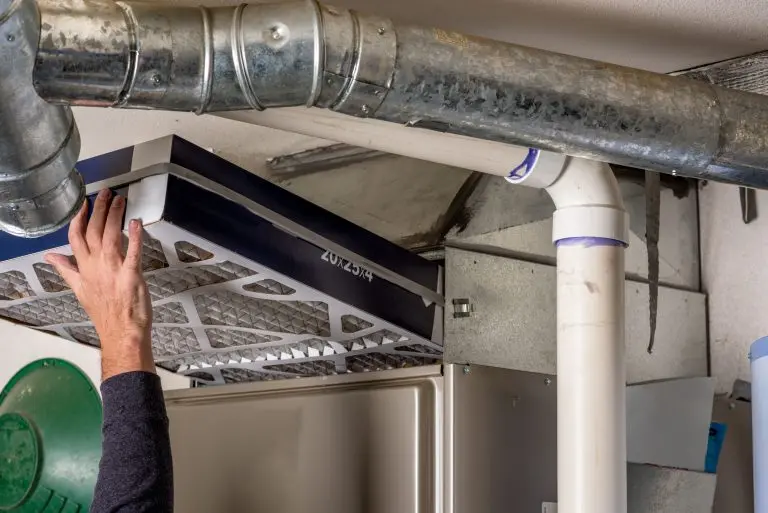
A dirty air filter is the most common cause of short cycling and the easiest to fix. When airflow drops, heat builds up inside the furnace, and a safety device called the high limit switch shuts the burners off to prevent overheating. ENERGY STAR notes that airflow problems can reduce your system’s efficiency by up to 15 percent.
- Where to look: The filter can be located either at the return opening in the home or at the air handler, where it catches debris before air moves through the system.
- Extra strain: A clogged filter makes the blower motor, which moves air in both heating and cooling modes, work harder.
- The fix: Check the filter monthly and replace it every 1 to 3 months.
2. A Dirty or Failing Flame Sensor
The flame sensor confirms that the burners are lit. A dirty flame sensor coated with buildup can no longer read the flame, so the furnace shuts off the gas as a safety precaution, usually within seconds of lighting.
- Signs of a flame sensor problem: The burners light, run for a few seconds, and shut off, then the furnace tries again.
- The investment: Flame sensor cleaning runs $125 to $225, and replacement runs $225 to $450.
3. Overheating From Blocked Vents or Ductwork
Anything that restricts airflow can cause the same overheating shutdown as a dirty filter. Closed supply registers, blocked return vents, and undersized or damaged ductwork all trap heat inside the furnace.
- Open and clear vents: Make sure supply registers are open and furniture isn’t blocking return vents.
- Existing ductwork: Ductwork older than 15 to 25 years is worth having evaluated.
- Heat exchanger stress: Repeated overheating puts stress on the heat exchanger and over time could lead to a cracked heat exchanger. A cracked or compromised heat exchanger allows harmful carbon monoxide to leak into your home. An influx of carbon monoxide, or CO, can cause severe illness up to death if exposure is prolonged. When the entire heat exchanger cannot be evaluated, an Eastergard technician will use a borescope to ensure the entire heat exchanger has been inspected.
4. Thermostat Problems
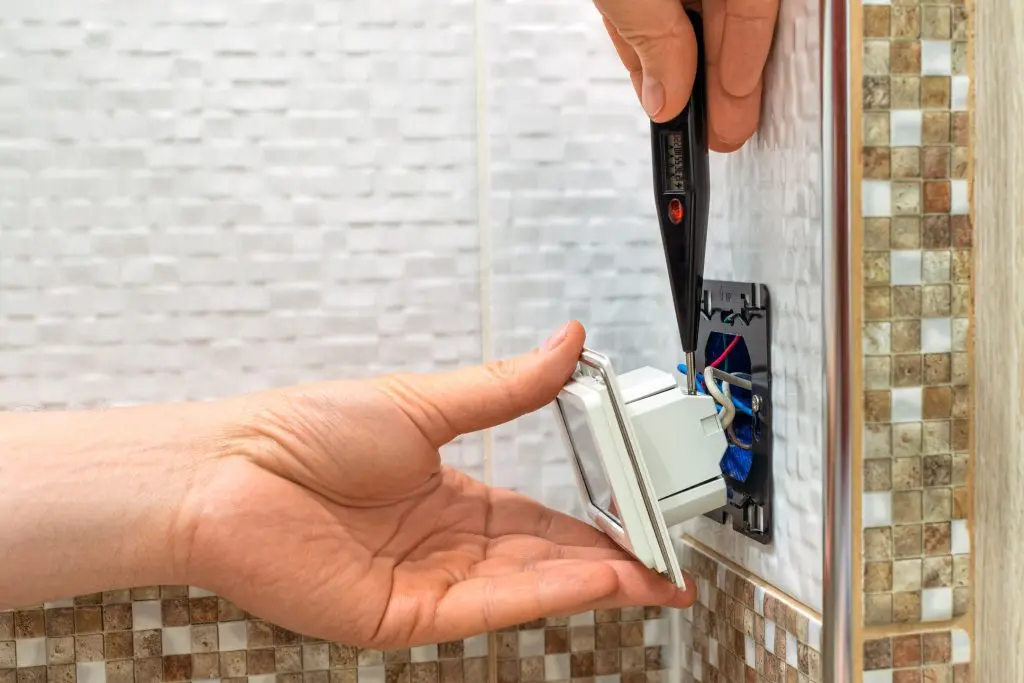
Sometimes the furnace is fine and the thermostat is giving it bad information. A thermostat near a heat source, in direct sunlight, or in a drafty spot can read the wrong temperature and shut the system off too early. We are proud to serve home and business owners in Simpsonville, SC, and nearby communities with furnace repair, heating maintenance, and more.
- Placement: A thermostat near a supply vent, lamp, or sunny window can think the house is warmer than it is.
- Batteries and settings: Weak batteries or incorrect settings can cause erratic cycling.
- Wiring: Older homes may have brittle or non-standard wiring that needs to be evaluated.
- Thermostat options: Basic programmable thermostats start at $50, and smart thermostats run $350 to over $1,000. Eastergard can install a smart thermostat that can be granted remote view access to assist with programming and troubleshooting.
5. Venting, Draft Inducer, or Condensate Problems
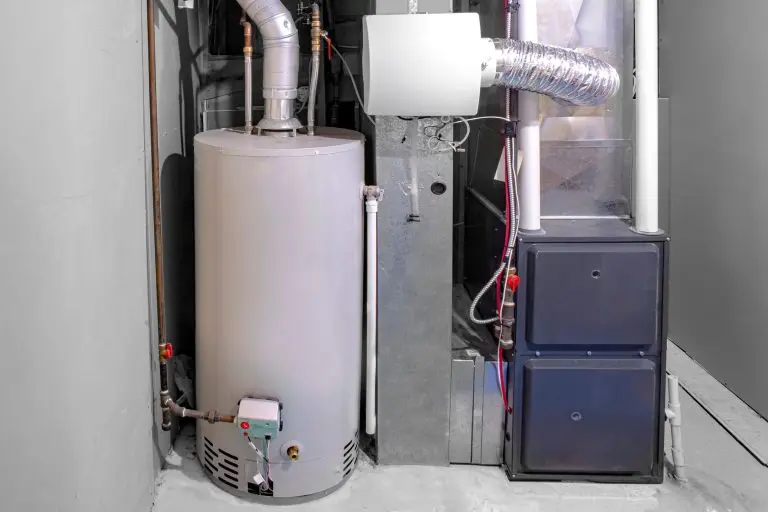
Your furnace has to move combustion gases safely out of the home. Standard-efficiency furnaces around 80% AFUE (Annual Fuel Utilization Efficiency, the share of fuel that becomes heat for your home) send hot exhaust up a flue, and high-efficiency furnaces at 90% AFUE and above also have a flue pipe, since some of the fuel is not burned as a heating source. If that venting gets blocked, a pressure switch shuts the furnace down.
- Draft inducer motor: The inducer pulls exhaust through the furnace and out the flue. When a motor fails, most modern furnaces will lock out. Replacement runs $300 to over $1000.
- Condensate drain: High-efficiency furnaces produce water as they run, and a clogged drain can trip a safety switch and shut the furnace off.
- Outdoor vent pipes: On high-efficiency furnaces, leaves, debris, or nests in the outdoor intake and exhaust pipes can cause shutdowns.
6. An Oversized Furnace
A furnace that is too large for the home heats the space so quickly that the thermostat is satisfied before a full cycle finishes. The system shuts off, the house cools a little, and the cycle repeats. Bigger is not better when it comes to furnace sizing.
- Proper evaluation: A home solutions advisor will evaluate your existing equipment and your home’s heating needs.
- Not every furnace is worth repairing: If an oversized furnace is also aging, an upgrade may make more sense than repeated repairs.
- Upgrade options: Multi-speed and variable speed systems adjust their output to match your home’s needs. A new HVAC system typically ranges from $7,500 to $20,000, and Eastergard provides a Free Replacement Upgrade Quote so you can compare options at every level.
What You Can Check Before Calling for Service
A few quick checks can solve some short cycling problems or help a technician narrow down the cause. If none of these fix it, it could be a sign that something inside the furnace needs attention.
- Replace the filter: Start here, since a clogged or dirty filter is the most common cause.
- Check the thermostat: Confirm your thermostat is set to AUTO or HEAT, the batteries (if applicable) are fresh, and nothing nearby is heating up the area.
- Open the vents: Make sure supply registers are open and return vents are clear.
- Look at the outdoor vent pipes: On high-efficiency furnaces, clear any debris from the intake and exhaust pipes.
- Call if the short cycling continues: Eastergard’s diagnostic fee is $95 during normal business hours and $185 after hours, and maintenance plan members receive a discounted rate based on their plan level.
How to Prevent Furnace Short Cycling
Most short cycling causes build up over time, which means routine maintenance catches them early. Semi-annual maintenance keeps your furnace running full, efficient cycles.
- Fall heating maintenance: The fall heating visit clears the condensate drain, inspects the heat exchanger, cleans burners, adjusts the gas pressure, and checks venting.
- A consistent schedule: A furnace maintenance plan keeps your visits on the calendar, and the Good, Better, and Best plans extend your labor warranty on equipment purchased from Eastergard.
- Filter changes: Check monthly and replace every 1 to 3 months.
Frequently Asked Questions About Furnace Short Cycling
These are the questions we hear most often from Upstate homeowners whose furnace keeps turning on and off. If your situation isn’t covered here, our team is happy to walk you through it.
How do I know if my furnace is short cycling?
Determine how long the furnace runs. If the furnace cycles off after just a few minutes, then cycles back on again while the house still feels cool, it could be a sign that your furnace is short cycling.
Is furnace short cycling dangerous?
Short cycling is often a safety control shutting the furnace down, so the underlying cause is worth finding quickly. If your carbon monoxide detector alerts, turn the furnace off and call right away.
Can a new furnace short cycle?
Yes. A new furnace can short cycle if it is oversized for the home or has an airflow or thermostat issue. A home solutions advisor will evaluate your existing equipment to find the cause.
What is the investment to fix a short cycling furnace?
It depends on the cause. A new filter is a simple fix, flame sensor cleaning runs $125 to $225, and a draft inducer motor runs $300 to over $1000.
Stop the On-and-Off With Eastergard HVAC
A furnace that keeps turning off is telling you something, and the sooner you find out what, the less wear it puts on your system. Eastergard Heating & Air has been locally owned and family operated since 1989, with 4.9 stars from 675+ Google reviews, and our licensed technicians will find the cause and walk you through your options before any work begins.
Schedule a furnace repair visit today. Call or text us at 864-235-2935 or email us at info@eastergard.com, and we will get your furnace back to running full cycles.
Recent Articles POSTS