Who Works on Gas Lines? 9 Things to Know Before Hiring a Professional
Before any work gets started, understanding who handles gas-powered heating systems in your home is one of the most important decisions you will make as a homeowner. Who works on gas lines is a question that comes up when homeowners are adding a gas appliance, extending a line, repairing a leak, or replacing aging pipe, and the answer is not as simple as calling any contractor. Gas line work involves specific licensing requirements, strict safety codes, and real consequences when it goes wrong. This guide covers what every homeowner should know before the first phone call.
Here is what we will cover:
- Who is qualified to work on gas lines: The difference between plumbers, HVAC technicians, and gas fitters.
- Licensing and permit requirements: What South Carolina requires before any gas work begins.
- When to call an HVAC technician vs. a plumber: How to match the right professional to your specific job.
- What questions to ask before hiring: The credentials and information that matter most.
- Safety red flags: What should send you looking for a different contractor immediately.
- How Eastergard HVAC can help: What our team handles and why experience matters on gas work.
Why Gas Line Work Requires the Right Professional
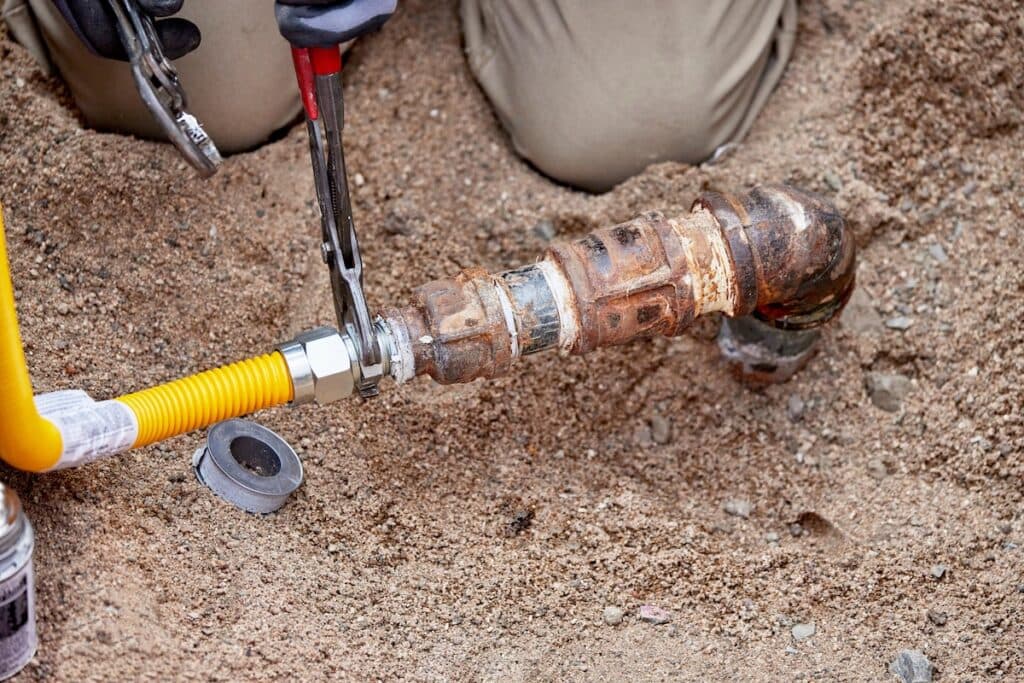
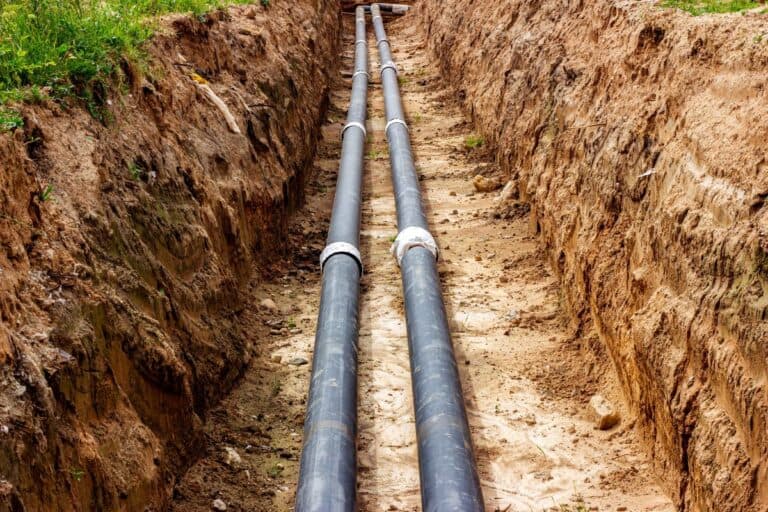
Gas line work is not a job that tolerates shortcuts. Natural gas and propane systems operate under pressure, and any error in a connection, fitting, or pipe run can result in leaks that are invisible and odorless until the odorant added by utility companies makes them detectable. The stakes extend beyond the work itself to everything around it. The U.S. Pipeline and Hazardous Materials Safety Administration requires that all states establish one-call notification centers and require by law that anyone planning to dig call 811 at least 48 to 72 hours before excavation begins, a federal safety standard that applies to any gas line project involving buried pipe.
In South Carolina, gas line work must be performed by a licensed professional and permitted through the appropriate local authority. Work that bypasses this process is not just illegal, it is a direct risk to your household and a potential liability that can affect your homeowner’s insurance and your ability to sell the property.
9 Things to Know Before Hiring a Gas Line Professional
Knowing who to call and what to look for before hiring makes a real difference on a job where mistakes carry serious consequences. These nine points cover the full picture of what qualified gas line work looks like, who is authorized to do it, and how to protect yourself before any contractor sets foot in your home.
1. Licensed Plumbers Are Qualified for Gas Line Work
Licensed plumbers are one of the primary professionals authorized to work on residential gas lines. They are typically the right call for new gas line runs serving kitchen appliances, dryers, outdoor grills, or water heaters that are not directly tied to a heating or cooling system.
- Gas line installation for appliances: Plumbers routinely handle new gas line runs for stoves, ranges, dryers, and water heaters as part of their core scope of work.
- Licensing requirements: In South Carolina, plumbers working on gas systems must hold the appropriate state license and carry proof of insurance before pulling permits.
- Pressure testing: A licensed plumber will pressure-test every gas line connection before the line is put into service, confirming there are no leaks in the system.
2. Licensed HVAC Technicians Handle Gas Lines for Heating Systems
When the gas line feeds a furnace, boiler, or other HVAC equipment, a licensed HVAC technician is typically the right professional for the job. HVAC technicians are trained in the combustion, venting, and gas supply requirements of heating equipment, meaning they understand not just the pipe but how it interacts with the system it serves.
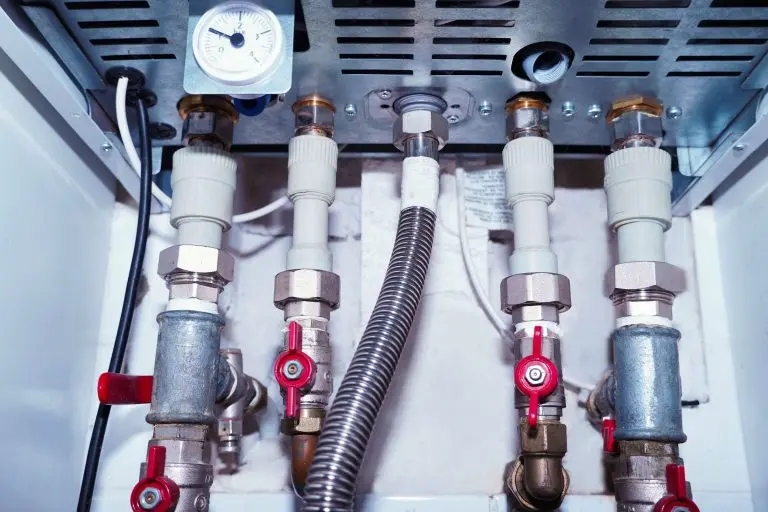
- Furnace and boiler gas connections: HVAC technicians size, connect, and test gas lines as part of heating system installations, ensuring proper combustion and safe operation.
- Gas valve and component work: Replacing a gas valve, burner assembly, or related component on a heating system falls squarely within an HVAC technician’s licensed scope.
- Combined HVAC and gas line projects: When a new furnace installation requires a new or extended gas line, an HVAC technician handles both in a single visit.
3. Gas Fitters Are Specialists Worth Knowing About
In some markets, dedicated gas fitters hold licenses specifically for natural gas and propane piping work independent of plumbing or HVAC credentials. They are specialists whose entire scope revolves around gas systems and are well suited for complex or large-scale projects.
- Specialty licensing: Gas fitters hold certifications specific to gas piping systems that go beyond what a general plumber or HVAC technician may carry.
- Complex projects: Large gas line installations involving multiple appliances, high-pressure runs, or commercial-scale work are often best handled by a dedicated gas fitter.
- Availability varies by market: In the Upstate South Carolina area, licensed HVAC technicians and plumbers handle the majority of residential gas line work.
4. Permits Are Required, Not Optional
Any gas line installation or significant repair in South Carolina requires a permit and a subsequent inspection by a licensed official. This is not bureaucratic overhead. It is the mechanism that confirms the work was done safely and to current code before the line is put into service.
- Permit pulls responsibility: A licensed contractor who pulls a permit is putting their license on the line for the quality of the work, which is a meaningful accountability layer for homeowners.
- Inspection confirms compliance: The post-installation inspection checks pressure, connections, venting where applicable, and code compliance before the line is approved for use.
- Unpermitted work creates problems: Gas line work done without a permit can void homeowner’s insurance coverage, create fines, and complicate or derail a future home sale.
5. DIY Gas Line Work Is Not Legal or Safe
Homeowners sometimes ask whether they can handle minor gas line work themselves to save money. In South Carolina, the answer is no for anything beyond the most superficial maintenance. Gas line installation, extension, and repair require licensed professionals, and for good reason.
- Code violations carry real penalties: Unpermitted DIY gas work can result in fines, required removal and reinstallation, and denial of insurance claims tied to related damage.
- Detection is not reliable without tools: Gas leaks are not always detectable by smell alone. Licensed technicians use calibrated leak detection equipment that homeowners do not have access to.
- Mistakes compound quickly: An undersized pipe, a missed fitting, or an improperly seated connection can go undetected until pressure builds or a spark creates ignition conditions.
6. Always Verify Licensing and Insurance Before Hiring
Not every contractor who advertises gas line services is properly licensed for the work. Verifying credentials before signing anything protects you legally and financially if something goes wrong.
- Ask for license number and type: A reputable contractor provides this without hesitation. You can verify South Carolina contractor licenses through the state licensing board.
- Confirm current insurance: General liability and workers’ compensation insurance protect you if something goes wrong on your property during the job.
- Check for gas-specific credentials: Some contractors hold a general contractor license but lack the specific endorsements required for gas work in South Carolina.
7. Get a Written Scope of Work Before Any Job Starts
Verbal agreements are not enough for gas line work. A written scope of work protects both parties and ensures there are no surprises about what is and is not included in the quoted price.
- Itemized quote: The quote should separate equipment, materials, labor, and permit fees so you can see exactly what you are paying for.
- Warranty terms in writing: Confirm what labor warranty the contractor provides on the installation and get it documented before work begins.
- Change order process: Ask how the contractor handles scope changes discovered mid-job, which are common on older homes with aging or non-standard gas piping.
8. Know When to Call for Emergency Gas Line Service
Some gas line situations require immediate action rather than a scheduled appointment. Knowing the difference between a non-urgent service call and an emergency protects your household. We are proud to serve home and business owners in Greenville, SC, and nearby communities with gas furnace installation, heating services, and more.
- Signs of an active gas leak: A sulfur or rotten egg smell, hissing near a gas line or appliance, dead vegetation above a buried line, or a suddenly higher gas bill without explanation all warrant immediate action.
- What to do if you suspect a leak: Leave the home immediately, avoid operating switches or open flames, and call your gas utility and a licensed professional from outside the property.
- Do not attempt to locate or repair a leak yourself: Even shutting off individual appliance valves can introduce spark risk in certain leak scenarios. Leave that to the professionals.
9. Match the Contractor to the Job Type
Different gas line projects call for different licensed professionals, and making the right match from the start avoids delays, miscommunication, and scope gaps that can leave a job partially completed.
- New appliance gas line: Call a licensed plumber or HVAC technician depending on the appliance type and its connection to your heating system.
- Furnace or HVAC gas line work: A licensed HVAC technician is the right call, as the gas line work is inseparable from the equipment installation and commissioning process.
- Whole-home gas line inspection or re-pipe: A licensed plumber or gas fitter with experience in residential gas infrastructure is the appropriate professional for a full system evaluation or replacement.
Comparison: Who to Call for Common Gas Line Jobs
Knowing which professional handles which job type removes the guesswork when something comes up and you need to act quickly. Use this as a quick reference before making any calls.
| Job Type | Best Professional to Call |
| New gas line for stove or dryer | Licensed plumber |
| Furnace or boiler gas connection | Licensed HVAC technician |
| Gas water heater installation | Licensed plumber or HVAC technician |
| Suspected gas leak | Gas utility emergency line, then licensed professional |
| Whole-home gas line inspection | Licensed plumber or gas fitter |
| Gas line for outdoor appliances | Licensed plumber |
| HVAC equipment gas valve replacement | Licensed HVAC technician |
Frequently Asked Questions About Gas Line Work
Gas line questions come with higher stakes than most home service topics, so it pays to have clear answers before you hire anyone. Here are the most common questions we hear from homeowners across the Upstate.
Can a handyman work on gas lines in South Carolina?
No. Gas line installation, repair, and modification in South Carolina requires a licensed professional with the appropriate credentials for the work type. A general handyman is not authorized to perform gas line work regardless of their experience level, and any work they perform would be unpermitted and non-compliant with state code.
How long does a gas line installation take?
Most straightforward residential gas line installations, such as running a new line to a single appliance, can be completed in a few hours. Larger projects involving multiple runs, trenching for exterior lines, or re-piping an older system may take one to two days. A licensed HVAC technician or plumber will give you a clear timeline before any work begins.
How do I know if my existing gas lines need to be inspected or replaced?
Common indicators include older pipe that has not been inspected recently, a history of gas odors in the home, appliances that are not performing as efficiently as expected, or a home built before current gas code standards were adopted. An inspection by a licensed professional is the most reliable way to assess the condition of your gas system.
Does Eastergard HVAC work on gas furnaces?
Yes. Eastergard HVAC installs, services, and repairs gas furnaces throughout the Upstate South Carolina area. Our licensed technicians handle all gas connections as part of furnace installation and replacement, ensuring every system is set up safely, efficiently, and to current code.
Ready for a New Gas Furnace? Trust Eastergard HVAC
If the reason you are researching gas line professionals is that your furnace is aging, underperforming, or due for replacement, Eastergard HVAC is the team to call. Our licensed technicians handle every aspect of gas furnace installation, including the gas line connections, venting, and system commissioning that make a new furnace safe and efficient from day one. Eastergard has been serving the Greenville area since 1989, and we bring that same family-owned care and honesty to every job.
Contact Eastergard HVAC today to schedule your free estimate on a new gas furnace installation. Call or text us at 864-235-2935 or send us an email, and we will walk you through your options with no pressure and no surprises.
Recent Articles POSTS