Window AC Installation: 5 Mistakes That Could Reduce Performance & Efficiency
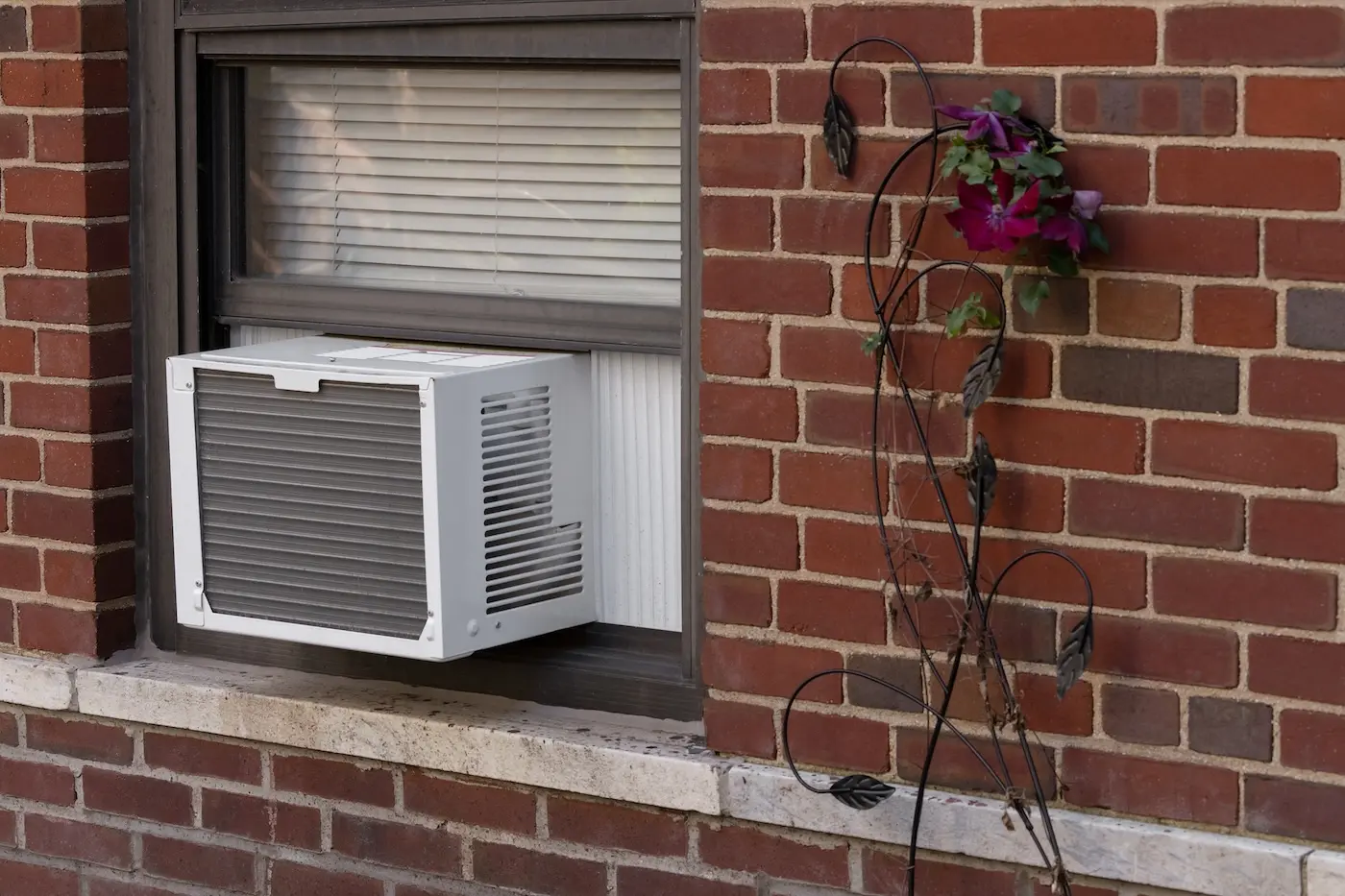
Window AC installation may seem simple, but small mistakes during setup can significantly reduce cooling performance and energy efficiency. Whether you are installing a brand-new window AC unit or replacing an older model, careful attention to mounting, sealing, and electrical safety is essential. Even minor errors during the process can force the system to work harder than necessary, increasing energy consumption and shortening its lifespan.
Before starting your cooling project, keep these important factors in mind:
- Correct unit size: Improper sizing leads to inefficiency.
- Secure placement: Stability prevents vibration and air leakage.
- Tight sealing: Gaps waste cool air and increase energy costs.
- Proper electrical setup: Incorrect wiring creates safety risks.
When handled properly, room air conditioners can provide reliable comfort throughout your house without driving up utility bills.
Why Proper Installation Matters
A window AC unit removes heat from inside your house and releases it outdoors. If the unit is not mounted correctly or sealed tightly against the window sash, warm outdoor air can enter while cooled air escapes, reducing efficiency and straining components. Poor sealing around side panels or gaps near the frame can quickly compromise cooling performance.
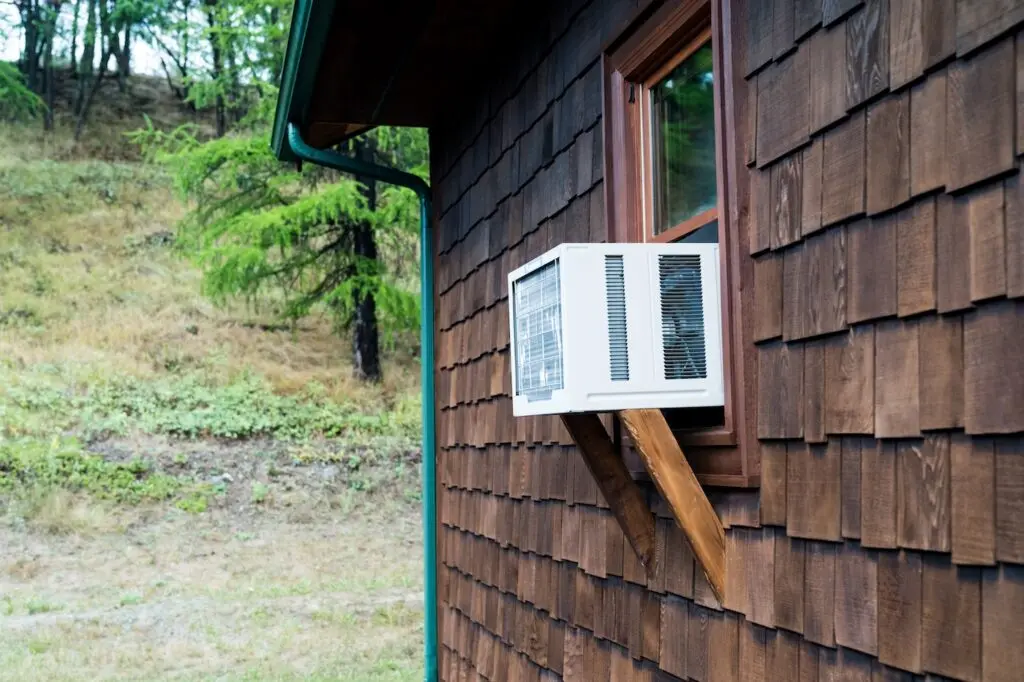
According to the U.S. Department of Energy, proper installation and maintenance of room air conditioners can significantly improve efficiency and reduce energy use. Even small positioning errors or improperly fitted side panels can increase operating costs over time. Correct setup protects comfort, energy efficiency, and long-term equipment reliability.
Window AC vs. Portable AC: Key Differences
Before installing a window AC unit, it helps to understand how it compares to portable air conditioners. While both options cool individual spaces, window-mounted units typically offer stronger efficiency and better airflow control when installed properly.
Below is a quick comparison:
| Feature | Window AC Unit | Portable AC |
| Installation | Mounted in window | Freestanding |
| Cooling Efficiency | Higher | Moderate |
| Air Leakage Risk | Lower when sealed | Higher |
| Floor Space Required | None | Uses floor space |
| Ideal For | Bedrooms, apartments | Temporary cooling |
Window-mounted air conditioners often perform better in smaller rooms where stable mounting and proper sealing are possible.
5 Mistakes That Could Reduce Performance & Efficiency
Even high-quality equipment can underperform if installation is rushed or handled improperly. Below are five common mistakes homeowners make during this type of cooling setup.
1. Failing to Measure the Window Opening Properly
One of the first steps in the process is to measure the window opening accurately. Incorrect measurements can result in poor fitment and inefficient sealing.
- Improper fit: Unit does not sit securely within the window sash.
- Loose side panels: Gaps allow air leakage.
- Stability issues: Poor support increases vibration.
Taking the time to measure width and height correctly ensures the unit fits snugly and operates safely.
2. Choosing the Wrong Size Unit
Selecting the correct BTU rating for the room size is critical. A unit that is too small will run constantly, while one that is too large may short-cycle and fail to remove humidity effectively.
- Undersized unit: Struggles to cool larger rooms.
- Oversized unit: Cools quickly but leaves excess humidity.
- Reduced efficiency: Incorrect sizing increases energy use.
Matching capacity to square footage helps maintain balanced cooling and comfort.
3. Improper Sealing Around the Frame
Air leaks are one of the most common efficiency problems. Gaps around the unit or poorly adjusted side panels allow conditioned air to escape and hot outdoor air to enter.
- Cool air loss: Conditioned air escapes outdoors.
- Hot air infiltration: Outside heat enters the room.
- Higher utility bills: The system runs longer to compensate.
Foam insulation strips and properly extended side panels help create an airtight seal.
4. Blocking Airflow With Furniture or Curtains
Air conditioners require unrestricted airflow on both the interior and exterior sides. Placing furniture too close to the unit or allowing curtains to hang over the vents reduces performance.
- Restricted airflow: Furniture blocks cool air distribution.
- Reduced efficiency: Limited airflow forces longer runtime.
- Uneven cooling: Air cannot circulate properly throughout the room.
Maintaining clear space around the unit improves cooling output and efficiency.
5. Attempting an Unsafe DIY Project
While some homeowners attempt this as a DIY project, improper mounting can create safety concerns. A loosely supported window AC unit may shift during operation or severe weather.
- Insufficient bracket support: Unit instability increases risk.
- Poor alignment: Incorrect positioning affects drainage.
- Premature wear: Vibration stresses internal components.
Professional installation ensures the unit is mounted securely and positioned correctly for long-term performance.
We’re proud to serve home and business owners in Greer, SC, and nearby communities with cooling services and AC support.
How to Choose the Right Window AC Unit
Selecting the right equipment is just as important as proper setup. Performance and efficiency depend on choosing a model that matches your room size and usage needs.
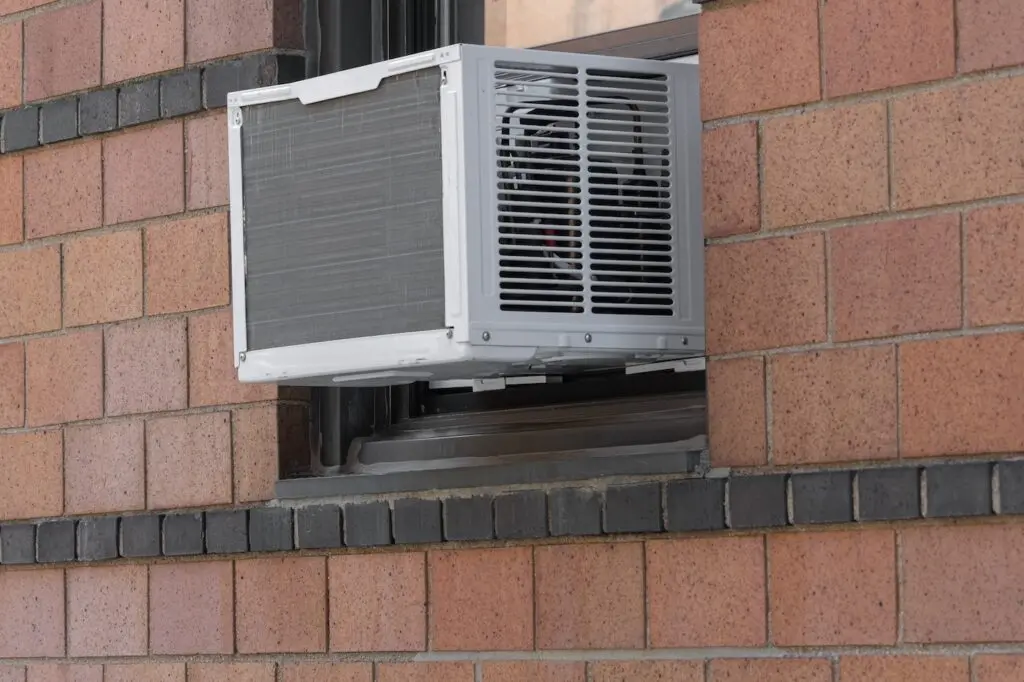
When evaluating options, consider:
- BTU rating: Must align with room dimensions.
- Energy efficiency rating: Higher ratings reduce operating costs.
- Noise levels: Important for bedrooms and quiet spaces.
- Adjustable side panels: Ensure a tight window fit.
- Warranty coverage: Protects your investment.
Choosing wisely reduces installation complications and improves long-term satisfaction.
Common FAQs About Window AC Installation
Homeowners often have questions before beginning this cooling project. Understanding the basics can prevent costly mistakes and improve overall results.
How long does installation take?
Most setups can be completed within an hour when the window opening is compatible. Extra time may be required to properly measure, secure brackets, and adjust side panels.
Can any window support a window AC unit?
Double-hung windows are typically best suited for mounting. Other window types may require additional hardware or adjustments to the window sash.
Do window air conditioners need maintenance?
Yes. Filters should be cleaned regularly and coils inspected seasonally to maintain efficiency and consistent cooling performance.
Will a window unit increase energy bills?
When properly sized and sealed, window air conditioners can operate efficiently. Incorrect installation or poor sealing may increase electricity usage.
Is professional help necessary?
While many homeowners attempt installation themselves, professional assistance reduces safety risks and ensures proper fit and secure mounting.
Stay Cool With Eastergard HVAC, Inc.
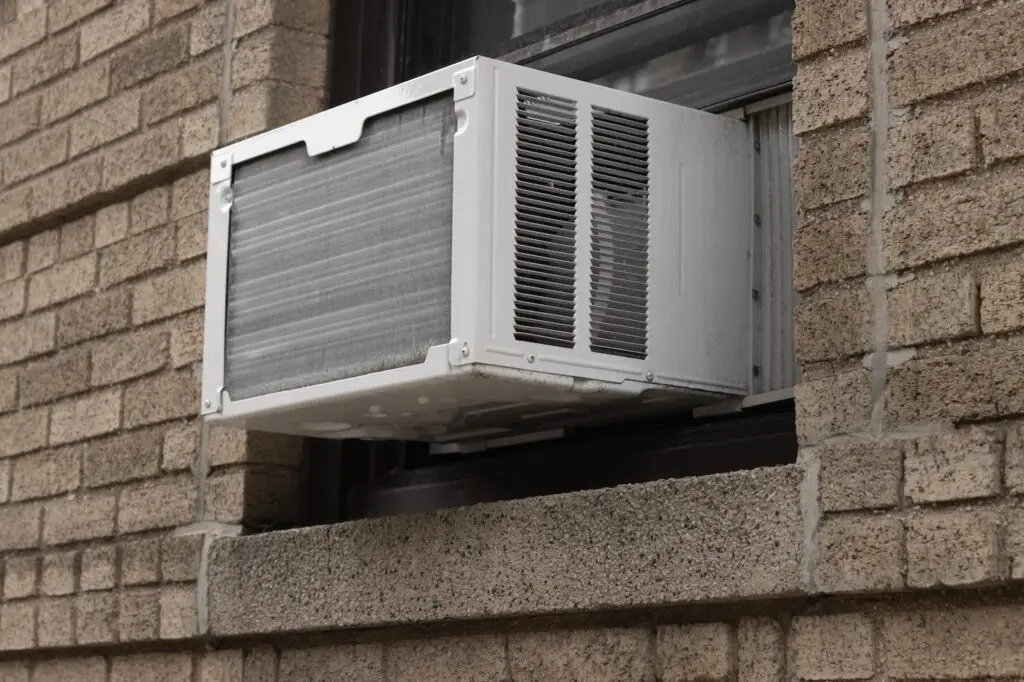
At Eastergard HVAC, we understand that even smaller cooling systems require careful attention during setup. Our experienced technicians ensure your window AC unit is securely mounted, properly sealed, and safely connected for dependable performance.
If you need assistance in Greer, contact Eastergard HVAC, Inc. today to schedule professional service and enjoy reliable cooling throughout your house this summer.
Glossary of Window AC Terms
- BTU (British Thermal Unit): A measurement of cooling capacity in HVAC.
- 12,000 BTU = 1 Ton: 12,000 BTUs equal one ton of cooling output.
- EER (Energy Efficiency Ratio): Rating that measures how efficiently a unit operates. Higher is better.
- Window Sash: The movable frame that supports the unit during installation.
- Side Panels: Adjustable extensions that seal gaps between the unit and window frame.
- Load Calculation: The process of determining the correct cooling size for a room.
- Short Cycling: Frequent on-and-off operation caused by improper sizing.
- Condensation Drainage: Moisture removal process that requires proper unit tilt.
- Dedicated Circuit: An electrical line reserved for one appliance to prevent overload.
Recent Articles POSTS