What Should Thermostat Be Set At In Winter? 7 Winter Thermostat Tips
If you have been wrestling with your heating settings every time the temperature drops, you are not alone. What should thermostat be set at in winter is one of the most commonly searched home comfort questions, and the answer is more nuanced than a single number. The right setting depends on whether you are home, asleep, or away, and getting it dialed in correctly can mean real savings on your energy bill without sacrificing comfort. This guide covers exactly what to set your thermostat to and how to get the most out of your heating system all season long.
Here is what we will cover:
- The DOE-recommended winter thermostat temperature: Where to start and why it works.
- Daytime, nighttime, and away settings: How to schedule your thermostat for maximum savings.
- Smart thermostat tips: How to automate your settings and stop thinking about it.
- Common thermostat mistakes: What most homeowners get wrong in winter.
- When your thermostat might not be the issue: Signs your HVAC system needs attention.
What the Department of Energy Recommends for Winter Thermostat Settings
There is an official answer to this question. The U.S. Department of Energy recommends setting your thermostat to 68 degrees Fahrenheit when you are home and awake, and lowering it by 7 to 10 degrees when you are asleep or away, which can save up to 10% per year on heating costs. For most homes in the Upstate South Carolina region, 68 degrees is a comfortable and practical starting point. South Carolina winters are milder than much of the country, which means your heating system does not have to work as hard to maintain that temperature, and the savings from setbacks can add up quickly.
| Time of Day / Situation | Recommended Setting |
| Home and awake | 68 to 70°F |
| Asleep at night | 60 to 65°F |
| Away from home | 60 to 65°F |
| Extended vacation | 55 to 60°F |
| Homes with infants or elderly residents | No lower than 68°F |
7 Winter Thermostat Tips to Stay Comfortable and Save Money
These tips go beyond just picking a number. Applied together, they help your heating system run efficiently, reduce unnecessary wear on your equipment, and keep your monthly bills in check all winter long.
1. Start at 68 Degrees and Adjust From There
The 68-degree recommendation is a solid baseline, but comfort is personal. If your household runs cold, try 69 or 70 degrees rather than pushing higher than needed. Each degree above 68 adds roughly 1 to 3 percent to your heating costs, so small adjustments in either direction have a measurable impact over the course of a season. Homeowners in Travelers Rest, SC, have the advantage of a relatively mild Upstate climate, which makes staying near 68 degrees comfortable and cost-effective for most winter days.
- Start at 68°F: The sweet spot the DOE identifies for balancing comfort and energy efficiency.
- Adjust by single degrees: Small changes help you find your comfort zone without overshooting and driving up costs.
- Avoid dramatic swings: Cranking the heat up when you feel cold does not heat your home faster, it just causes your system to overshoot and waste energy.
2. Set a Setback Temperature for Sleeping Hours
One of the easiest ways to reduce your heating bill is to lower the thermostat while you sleep. Most people sleep more comfortably at cooler temperatures, and your system does not need to maintain full daytime comfort levels overnight. A setback of 7 to 10 degrees for the hours you sleep is one of the highest-impact changes you can make to your winter energy routine.
- Target 60 to 65°F overnight: This range is comfortable for sleeping and significantly reduces how hard your heating system works during off-peak hours.
- Avoid going below 60°F: Temperatures below 60 degrees can make morning warm-up sluggish and put unnecessary strain on your system.
- Use the pre-wake feature: Most programmable and smart thermostats let you schedule the heat to rise 30 minutes before you wake up so the home is ready when you need it.
3. Lower the Heat When the House Is Empty
If your household is out for several hours each day, there is no reason to heat an empty home to full comfort levels. Setting back to 60 to 65 degrees during work or school hours produces similar savings to the nighttime setback. The common misconception that it costs more energy to reheat a home from a lower temperature has been thoroughly debunked. Your system does not work harder to bring the temperature back up than it would have to maintain a higher temperature continuously.
- Away setback of 60 to 65°F: Keeps the home from getting too cold while still delivering meaningful energy savings.
- Vacation setback of 55 to 60°F: Protects pipes from freezing during extended absences without running the heat unnecessarily.
- Schedule around your routine: A programmable thermostat that knows your household’s typical hours eliminates the need to remember manual adjustments.
4. Upgrade to a Smart or Programmable Thermostat
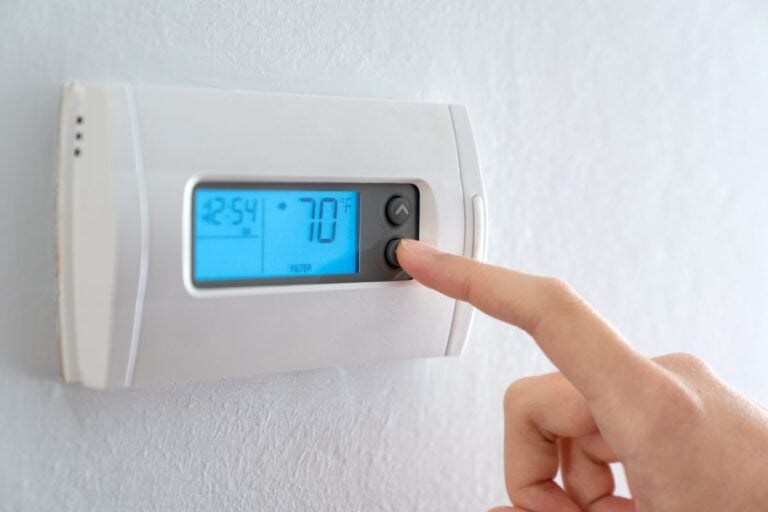
If you are still using a manual thermostat, you are leaving money on the table every single day. A programmable thermostat lets you set heating schedules based on your household’s routine so the system is never working harder than it needs to. Smart thermostats take it a step further by learning your habits over time and adjusting automatically. We are proud to serve home and business owners in Travelers Rest, SC, and nearby communities with thermostat upgrades, HVAC services, and more.
- Programmable thermostats: Let you set different temperatures for different times of day and days of the week without any manual intervention.
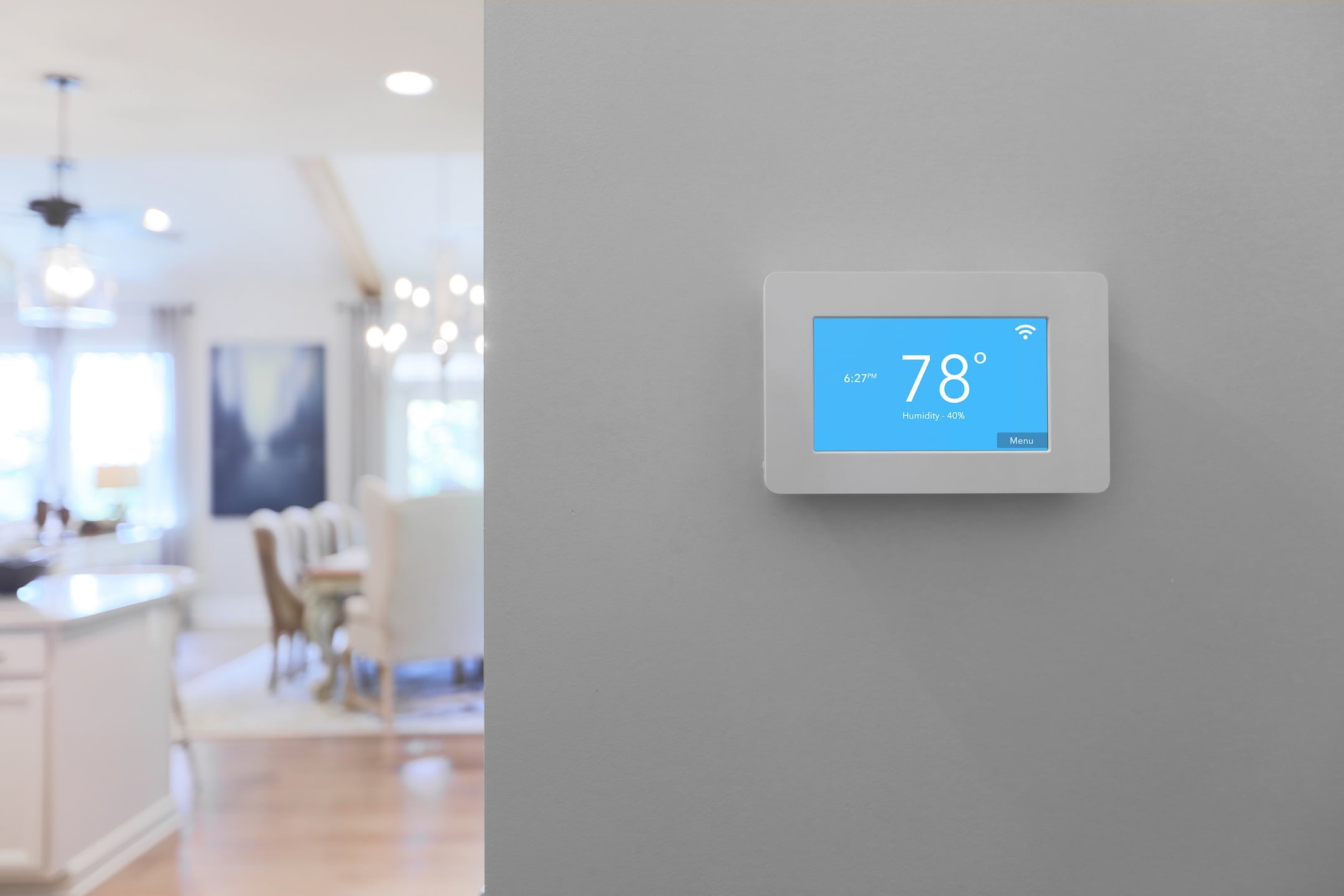
- Smart thermostats: Connect to your home’s Wi-Fi, learn your schedule, and can be adjusted remotely from your phone when plans change.
- Estimated savings: ENERGY STAR estimates homeowners can save around $180 per year by properly programming a thermostat and maintaining those settings consistently.
5. Keep Vents Open and Filters Clean
Your thermostat can only do so much if the rest of your heating system is not set up to distribute warm air effectively. Closed or blocked vents force your system to work harder to maintain the temperature you have set, which drives up energy costs and adds wear to the equipment. A clogged air filter has the same effect, restricting airflow and reducing system efficiency.
- Keep all vents open: Closing vents in unused rooms does not save energy and actually increases pressure on the system.
- Replace filters regularly: A clean filter every 1 to 3 months keeps airflow strong and your system running efficiently throughout the heating season.
- Clear furniture and obstructions: Make sure supply and return vents are not blocked by furniture, rugs, or drapes that interfere with circulation.
6. Use Sunlight and Insulation to Your Advantage
Your thermostat works in concert with your home’s overall ability to retain heat. Taking steps to reduce heat loss means your heating system cycles less often to maintain your set temperature, which translates directly to lower operating costs and less wear on the equipment.
- Open blinds on sunny days: South-facing windows can bring in meaningful passive solar heat on clear winter days, reducing how often your system kicks on.
- Close blinds at night: Window coverings add an extra layer of insulation once the sun goes down and outdoor temperatures drop.
- Seal drafts around windows and doors: Gaps and leaks allow warm air to escape and cold air to enter, forcing your heating system to compensate continuously.
7. Schedule a Professional HVAC Tune-Up Each Fall
The most overlooked thermostat tip is not about the thermostat at all. If your heating system is not operating efficiently, no thermostat setting will deliver the comfort and savings you are looking for. An annual fall tune-up ensures your furnace or heat pump is calibrated, clean, and running at peak performance before the heating season starts. It also catches small issues before they become expensive repairs mid-winter.
- Thermostat calibration: A technician can verify that your thermostat is reading and responding to temperature accurately, which directly affects how well your setback schedules work.
- System efficiency check: Clean burners, tight connections, and properly charged refrigerant in heat pumps all contribute to more efficient operation at any thermostat setting.
- Filter and airflow inspection: A professional tune-up includes a full review of the factors that support consistent, efficient heating throughout the season.
Frequently Asked Questions About Winter Thermostat Settings
Is 68 degrees warm enough for a house in winter?
For most healthy adults, yes. The DOE recommends 68 degrees as the balance point between comfort and energy efficiency. If members of your household tend to feel cold, try 69 or 70 degrees. Homes with infants, elderly residents, or people with certain health conditions may benefit from staying closer to 70 degrees consistently.
Does turning the heat down at night actually save money?
Yes, consistently. The DOE confirms that lowering your thermostat 7 to 10 degrees for 8 hours a day can save up to 10% per year on heating costs. Your home loses heat more slowly at lower indoor temperatures, which means your heating system runs less frequently during those hours.
What temperature is too low for a house in winter?
Most HVAC professionals recommend keeping your home above 55 degrees even when vacant, primarily to protect pipes from freezing. The World Health Organization recommends indoor temperatures stay above 64 degrees for healthy adults and above 68 degrees for homes with infants or elderly occupants.
Should I use the AUTO or ON setting on my thermostat fan?
AUTO is almost always the right choice in winter. It runs the fan only when the system is actively heating, which is more energy efficient and prevents the circulation of unheated air through the home. The ON setting runs the fan continuously, which can make your home feel cooler than the thermostat reads.
Stay Comfortable This Winter With Eastergard HVAC
Getting your thermostat dialed in is one part of the equation. Making sure your heating system is ready to deliver on those settings is the other. Eastergard HVAC has been helping Greenville area homeowners stay comfortable and efficient since 1989, and our team is here to help whether you need a thermostat upgrade, a system tune-up, or honest advice on what your home actually needs this winter.
Contact Eastergard HVAC today to schedule your visit. Call or text us at 864-235-2935 or send us an email, and we will take care of the rest.
Recent Articles POSTS