

A heater not working in the middle of winter is one of the most frustrating things a homeowner can deal with, but in many cases the issue is something straightforward that you can identify quickly before calling a technician. Whether your system isn’t turning on, isn’t producing enough heat, or keeps shutting off on its own, understanding the most likely causes can save you time, stress, and money. This guide walks through 9 of the most common culprits and explains what homeowners can reasonably do on their own versus when it’s time to call a professional.
Before assuming the worst, here are a few important things homeowners should remember:
- Start with simple checks: Thermostat settings and power issues are common culprits.
- Watch for warning signs: Noises, smells, uneven heating, and short cycling often indicate specific mechanical problems.
- Do not delay small repairs: Minor issues can turn into costly breakdowns if ignored.
- Know when to call a professional: Some heating services involve gas lines, electrical components, or safety controls.
Let’s walk through what might be happening when your heater is not working and what you can safely do before scheduling professional service.
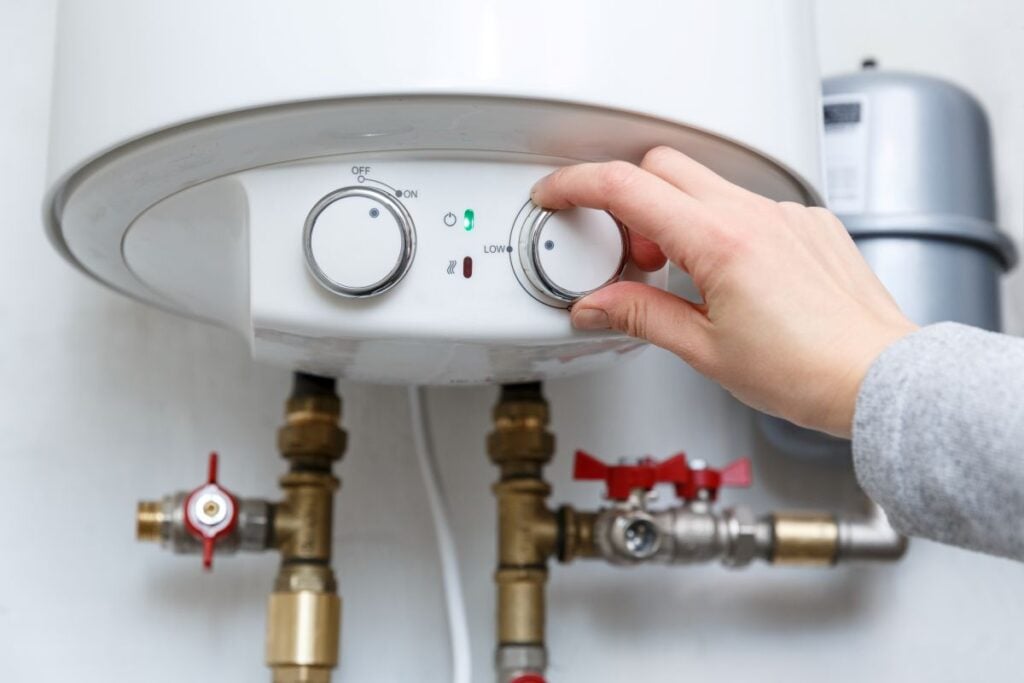
Why Heaters Stop Working in the First Place
Heating systems rarely fail without warning. In many Upstate South Carolina homes, the first cold stretch of the season pushes furnaces and heat pump systems into heavy use after months of sitting idle. That sudden workload can expose worn parts, restricted airflow, or a malfunctioning thermostat that was not noticeable before.
According to the U.S. Department of Energy, regular furnace maintenance can reduce energy use by up to 15 percent, which highlights how important routine service is for performance and efficiency. Systems that skip annual tune-ups are more likely to struggle to produce heat when temperatures drop.
If your heater is not working, one of the following nine issues may be to blame.
9 Common Causes of a Heater Not Working
Understanding themost common causes can help you determine whether you are dealing with a quick fix or a more complex repair.
- Thermostat Problems: Incorrect settings, loose wiring, or a malfunctioning thermostat can prevent the heating system from activating properly.
- Tripped Circuit Breaker: A power surge or overloaded circuit may shut down the furnace or heat pump completely.
- Dirty Air Filter: A clogged air filter restricts airflow and can cause overheating or system shutdown.
- Ignition or Pilot Light Failure: A gas furnace relies on ignition components that can wear out over time.
- Blower Motor Malfunction: If the blower fails, warm air cannot circulate through your home.
- Clogged Condensate Drain Line: High-efficiency furnaces shut down when drainage systems become blocked.
- Gas Supply Interruption: Problems with the gas valve or supply line can prevent a gas furnace from operating.
- Faulty Limit Switch: This safety device may shut off the system if internal temperatures rise too high.
- Aging or Worn Components: Belts, bearings, and internal parts degrade over time, reducing the system’s ability to produce heat.
Each issue requires a slightly different approach, and some are safer for homeowners to address than others.
What Homeowners Can Safely Check First
Before calling for heating services in Simpsonville, there are a few troubleshooting steps you can safely perform. These checks may resolve minor issues quickly.
Basic Heater Troubleshooting Checklist
- Thermostat settings: Make sure it is set to heat and the temperature is higher than the current room temperature.
- Thermostat batteries: Replace batteries if applicable.
- Air filter condition: Replace the air filter if it looks clogged or dusty.
- Furnace power switch: Confirm it is in the on position.
- Circuit breaker: Reset any tripped breakers once.
If these steps do not restore heat, avoid repeatedly resetting breakers or attempting deeper repairs. Persistent electrical, ignition, or airflow issues require professional attention.
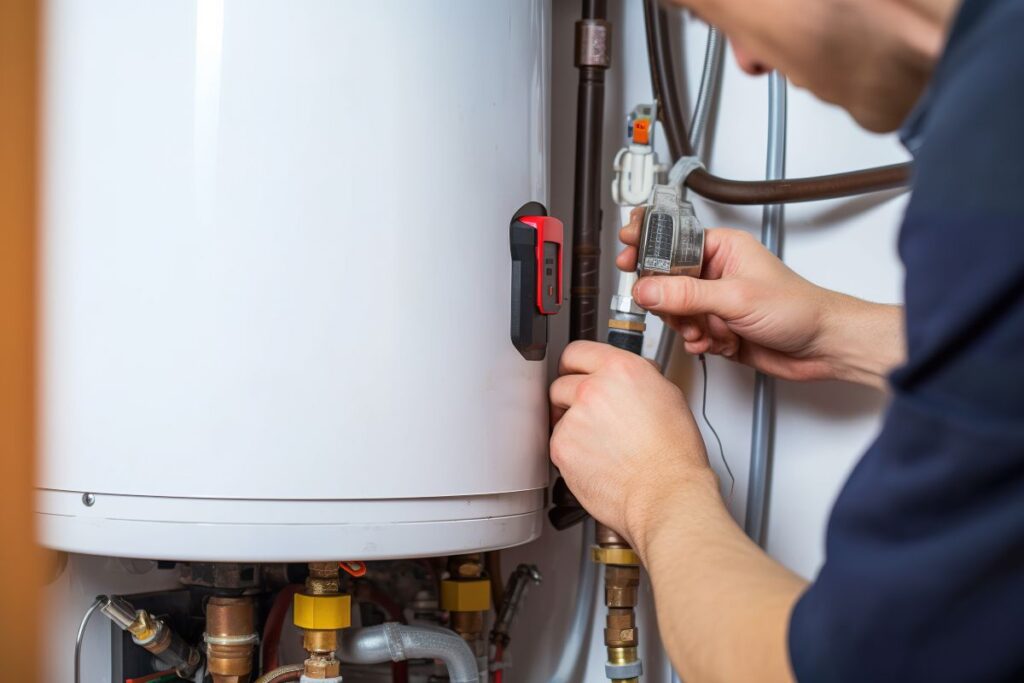
When Your Heater Blows Cold Air Instead of Hot Air
If your system turns on but only circulates cold air, the issue may vary depending on the type of equipment you have. A gas furnace that is running but not producing hot air may have ignition or burner problems. A heat pump can sometimes blow air that feels cool during defrost cycles, even though it is operating normally.
Other possible causes include:
- Clogged air filter: Restricted airflow can reduce heating output.
- Ignition failure: Burners may not be lighting properly.
- Reversing valve issues: Common in heat pump systems.
- Ductwork leaks: Warm air may escape before reaching living spaces.
If the system runs continuously but does not adequately heat the home, professional diagnosis is recommended.
Signs You Need Professional Heating Repair
Some heater problems involve safety systems that should only be handled by licensed technicians. Attempting complex repairs without proper training can create hazards or cause further damage.
Warning Signs That Require Immediate Service
- Persistent burning smells: Could indicate electrical issues or overheating components.
- Grinding or banging noises: Often point to blower or motor failure.
- Frequent short cycling: The system turns on and off rapidly.
- No heat at all: Total system shutdown may involve ignition, gas supply, or internal controls.
- Carbon monoxide detector alerts: This is an emergency situation requiring immediate action.
If you notice any of these warning signs, contact a trusted HVAC company immediately.
Why Dirty Filters Cause So Many Problems
One of the most common reasons a heater is not working is a neglected air filter. When the filter becomes clogged, airflow is restricted, forcing your heating system to work harder than necessary.
Restricted airflow can cause the heat exchanger in a gas furnace to overheat. Modern systems include safety switches that shut the unit down to prevent damage. While this protects the equipment, it leaves your home without heat.
Replacing the air filter every one to three months during heating season helps prevent uneven heating, overheating, and efficiency loss.
How Greenville Area Weather Impacts Heating Systems
Even though winters in Simpsonville and surrounding areas are milder than northern states, fluctuating temperatures can strain HVAC systems. Sudden drops overnight followed by warmer afternoons cause systems to cycle frequently.
Frequent cycling increases wear on ignition systems, blower motors, and safety switches. Homes with older ductwork may also experience uneven heating as temperatures fluctuate. Without maintenance, your system may struggle to ensure reliable heating performance during peak usage.
We’re proud to serve home and business owners in Simpsonville, SC, and nearby communities with heating services and more.
Repair or Replace? How to Decide
If your heater is not working and the system is more than 15 years old, replacement may be worth considering. Older systems are typically less efficient and may struggle to keep up with heating demands.
Here are factors to consider:
- Repair frequency: Multiple service calls in a short period may signal declining performance.
- Rising energy costs: Older units consume more energy to produce heat.
- Major component failure: Replacing motors or heat exchangers can be expensive.
- System type: Older gas furnace or heat pump models may not match modern efficiency standards.
A professional evaluation can help determine whether repair or replacement is the best investment.
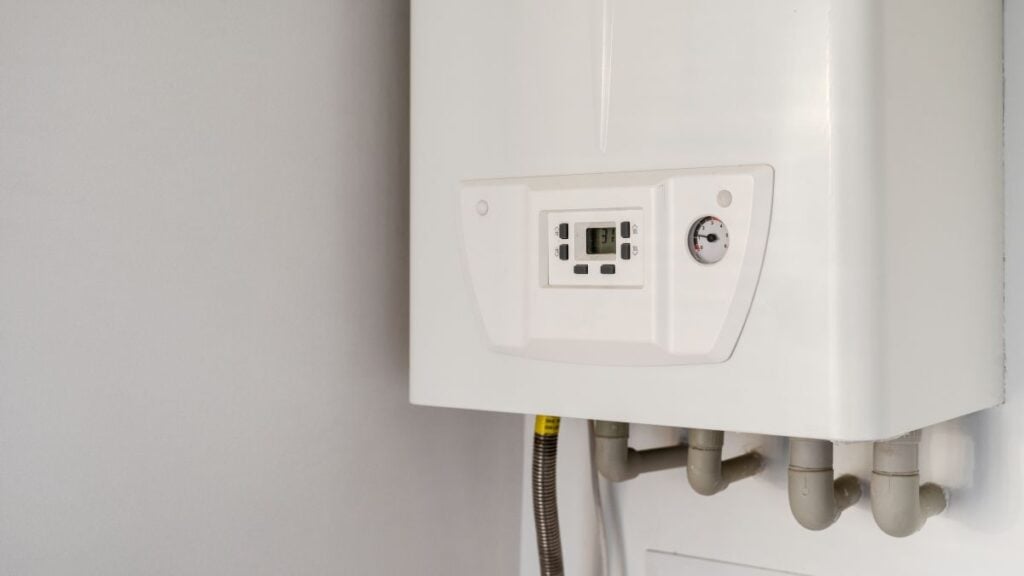
Preventative Maintenance Protects Your Comfort
Preventative maintenance significantly reduces the likelihood of your heater not working when you need it most. During a professional tune-up, technicians typically:
- Inspect and clean burners: Ensuring proper combustion in a gas furnace.
- Test ignition components: Confirming the system can produce heat safely.
- Check electrical connections: Tightening and inspecting wiring for safety.
- Measure airflow and temperature rise: Verifying balanced performance.
- Inspect safety controls: Ensuring shutdown systems operate correctly.
- Evaluate the heat exchanger: Checking for cracks or damage.
Routine maintenance supports efficient operation and can even help your air conditioning system by keeping shared components in good condition year-round.
Stay Warm With Eastergard HVAC, Inc.
When your heater is not working, you need a team that responds quickly and communicates clearly. Since 1989, Eastergard HVAC, Inc. has provided reliable heating services throughout the Upstate.
As a family owned and locally operated company, we are committed to honest recommendations, high quality workmanship, and customer focused care. Whether your heating system needs a minor repair, full replacement, or seasonal maintenance to ensure reliable heating performance, our team is ready to help. If your heater is not working, contact Eastergard HVAC, Inc. today to schedule service and restore comfort to your home.