
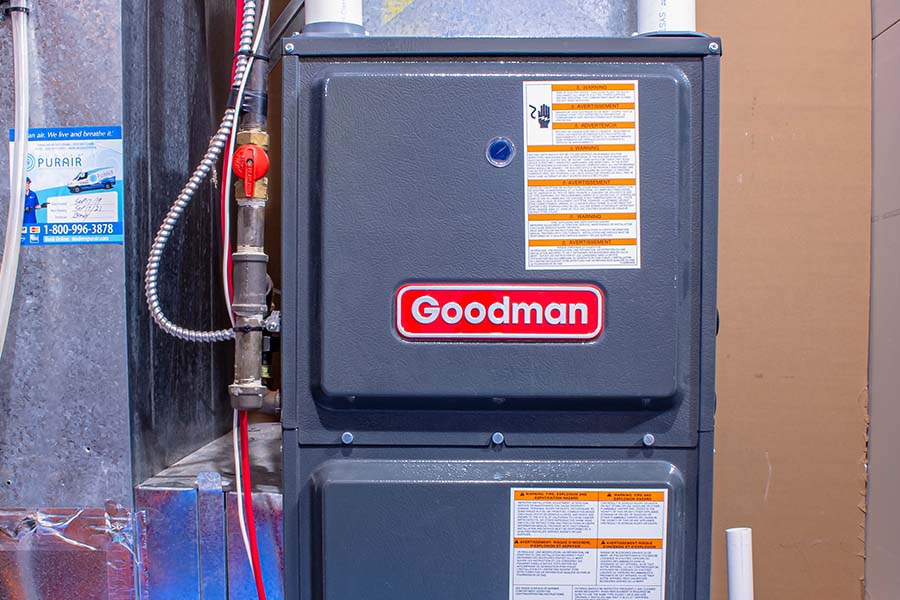
When considering furnace repair vs replacement, homeowners often face a tough decision. It’s not just about the immediate cost; you should also evaluate the furnace’s age, repair history, and efficiency. Making the right choice can significantly impact your home’s comfort and energy bills. So how do you know when it’s time to repair your unit or invest in a new one? Let’s explore the key factors together.
Understanding the Signs Your Furnace Needs Attention
How can we tell when our furnace needs attention? We should look for several key indicators.
First, if we notice strange noises—like banging or rattling—it’s a sign our furnace might be struggling.
Second, fluctuating temperatures in our home can indicate uneven heating, suggesting a problem with the system.
We must also pay attention to unusual smells that signal gas leaks or electrical issues.
Additionally, if our energy bills suddenly spike without explanation, it could mean our furnace is working harder than it should be.
Finally, if our furnace is older than 15 years and starts showing these signs, it’s time to evaluate its condition seriously. Regular furnace maintenance services can help identify potential problems before they escalate.
By recognizing these warning signs early, we can avoid bigger issues and guarantee our home stays comfortable all winter.
Let’s stay proactive about our furnace’s health!
Evaluating Repair Costs vs. Replacement Expenses
When deciding between furnace repair vs replacement, you must weigh the costs carefully.
We need to evaluate not just the immediate repair bill but the long-term expenses as well. Here’s a breakdown of what we should assess:
- Repair Costs: If a repair is relatively minor and the total cost is less than 50% of a new unit, it might make sense to fix it.
- Future Repairs: If we’ve already invested in multiple repairs, it’s worth calculating potential future expenses. Frequent breakdowns can add up quickly.
- Energy Efficiency: A newer model might come with higher upfront costs but could save us money on energy bills, improving our budget in the long run. Regular maintenance improves efficiency and reliability, ensuring our system runs optimally and can mitigate future repair costs.
The Age of Your Furnace: When to Consider Replacement
As our furnace ages, evaluating its performance and reliability becomes crucial. Typically, we should consider replacement when our furnace reaches around 15 to 20 years old. During this time, wear and tear can lead to decreased efficiency and increased energy bills.
If we notice frequent repairs or inconsistent heating, it’s a sign our furnace might be nearing the end of its lifespan. Additionally, if our furnace uses outdated technology, we might miss out on energy-efficient options available today. A newer model can enhance our comfort and considerably lower our utility costs. Furthermore, it may be time to switch if we constantly worry about whether our furnace will make it through another winter. Regular maintenance can also help extend the lifespan of your furnace, ensuring it operates efficiently for as long as possible.
Benefits of Repairing vs. Replacing Your Furnace
When considering furnace repair vs replacement, carefully weighing your options helps you make a more informed decision. Here’s what to consider about repairs versus replacements:
- Cost-Effectiveness: Repairing our furnace is often cheaper upfront, helping us save money in the short term while extending its life.
- Familiarity: We already know how our current system operates, which can make repairs feel less intimidating compared to adjusting to a new unit.
- Environmental Impact: Choosing to repair reduces waste, supporting sustainability by keeping our existing furnace in service longer.
- Expert Guidance: Consulting with skilled technicians can provide insights into whether a repair or replacement is the best choice based on our furnace’s condition and efficiency.
Ultimately, each option has its advantages.
Making the Best Decision for Your Home’s Comfort
While considering furnace repair vs replacement, it’s essential to prioritize your home’s comfort and long-term efficiency.
We need to evaluate factors like the age of our furnace, its repair history, and how well it meets our heating needs. If we frequently call for repairs, it might be time to consider a replacement.
Let’s also consider energy efficiency. Older systems often struggle to keep up, leading to higher utility bills. A new, efficient model can save us money in the long run while keeping our homes cozy.
We should consult with professionals, like the team at Eastergard HVAC, who can provide insights tailored to our specific situation. They can help us weigh the pros and cons, ensuring we make the best decision for comfort and peace of mind. Additionally, regular heat pump maintenance can extend the lifespan of your heating system, making it a crucial consideration in your decision-making process.
Ultimately, it’s about investing in our home’s future.
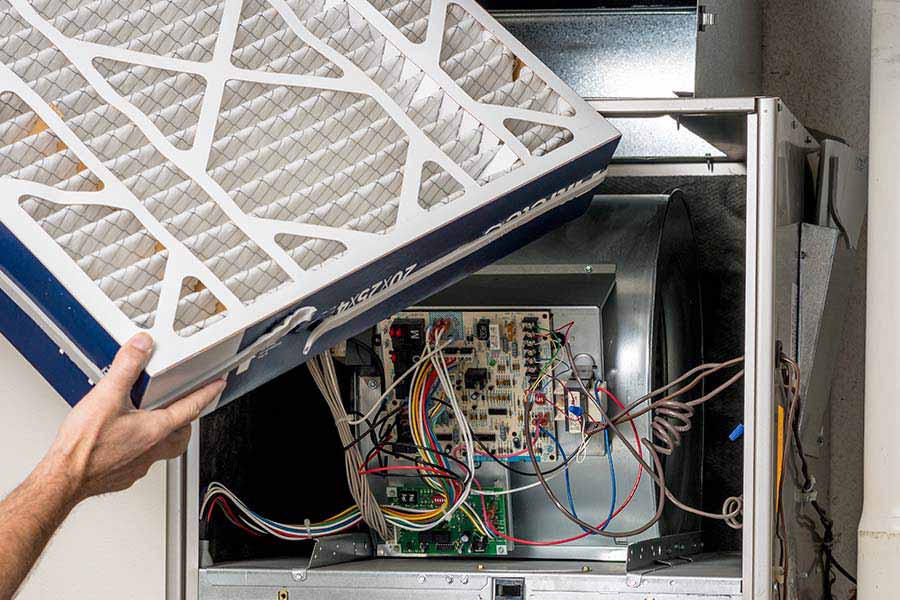
Conclusion
As we stand at the crossroads of repair and replacement, we must choose the path that leads us to warmth and comfort. Like a weary traveler, our furnace may need a rejuvenating upgrade to continue its journey, or perhaps a few repairs can restore its vigor. By weighing our options thoughtfully, we can guarantee our home remains a sanctuary, where the chill of winter is kept at bay, and our family’s comfort reigns supreme.