
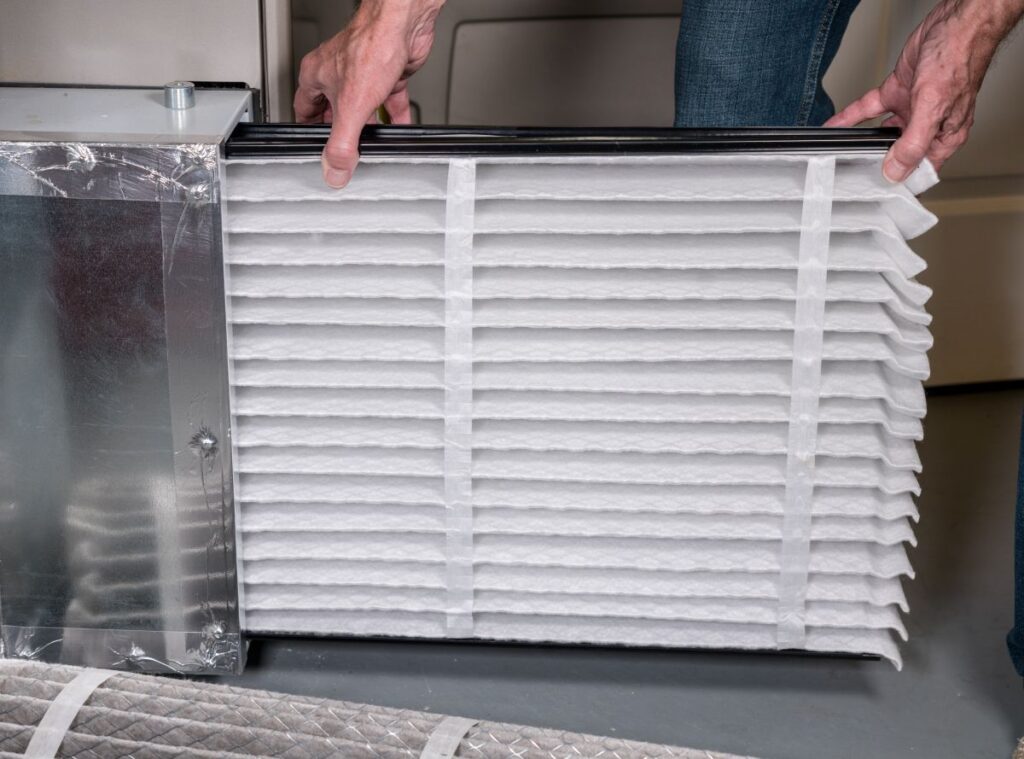
Your furnace filter is one of the most overlooked components in your entire hvac system, yet it plays a critical role in both indoor air quality and the long-term health of your equipment. When a filter gets clogged, it puts real strain on your system, drives up energy costs, and can lead to mechanical failures far more expensive than a simple filter swap. Here’s what this guide covers:
- The top warning signs that your furnace filter is overdue for a change
- How different filter types affect replacement frequency
- What happens when a dirty filter is ignored for too long
- How to choose the right replacement filter for your home
Why Your Furnace Filter Matters More Than You Think
Most homeowners think of filter replacement as a minor chore, but its impact goes well beyond a little extra dust on the shelves. Your furnace filter is the first line of defense against airborne particles for both your indoor air and your air handler’s internal components, and when it becomes restricted, every part of the system works harder to compensate.
According to the U.S. EPA, Americans spend approximately 90% of their time indoors, where concentrations of some pollutants are often 2 to 5 times higher than typical outdoor concentrations. A properly maintained furnace filter is one of the most practical tools homeowners have to improve indoor air quality. Letting it go too long without a change undermines that protection entirely.
5 Signs It’s Time to Replace Your Furnace Filter
Your system will usually give you clear signals when the filter is past its prime. Before assuming a heating issue is mechanical, pull the filter first — these five signs indicate it’s time for a change.1. Visible Gray or Dark Discoloration
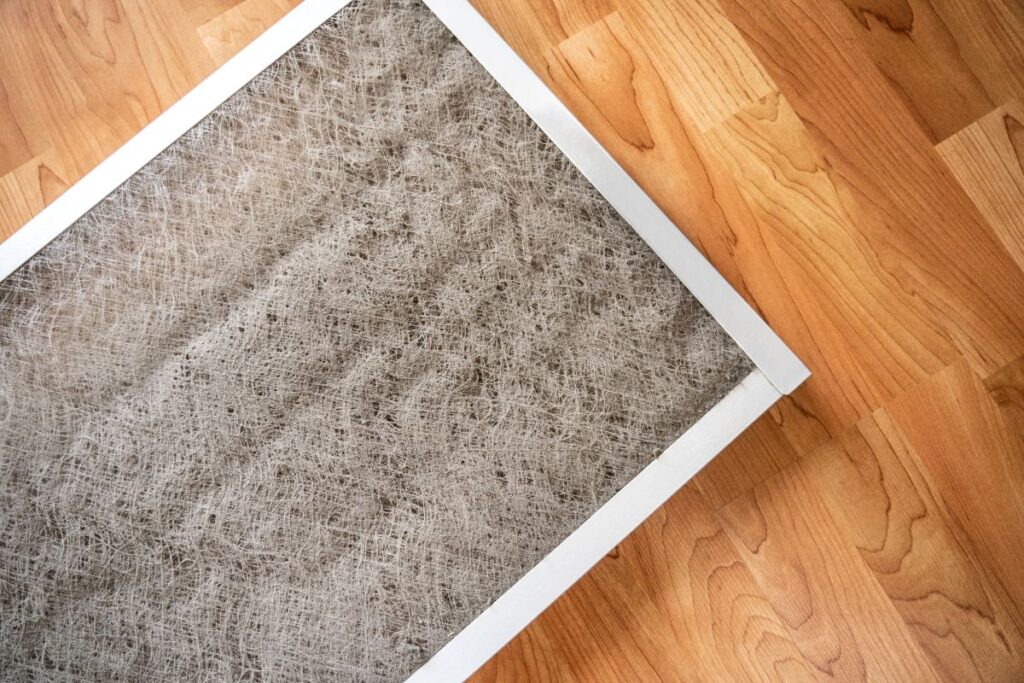
A clean filter is typically white or light gray, so color is one of the quickest ways to gauge whether yours is still doing its job. Heavy discoloration means the filter media is saturated and can no longer capture airborne particles effectively.
- Color check: Dark gray, brown, or nearly black means it has reached capacity and needs immediate replacement.
- Light test: Hold it up to a light source — if you can’t see light passing through clearly, swap it out.
- Frame condition: Sagging or warping on the cardboard frame can create gaps that let unfiltered furnace air bypass the filter.
2. Increased Dust Buildup Around the Home
When a filter is too clogged to trap particles, those particles circulate freely and settle on furniture, countertops, and vents. If you’re dusting more than usual, the filter should be the first thing you pull before blaming other sources.
- Vent covers: Heavy dust around supply and return vents is a strong sign filtration has broken down.
- Worsening allergy symptoms: Increased sneezing or congestion indoors often tracks closely with a dirty filter.
- Furniture surfaces: Fine dust resettling quickly after cleaning suggests particles are moving freely through the air.
3. Rising Energy Bills Without Explanation
A restricted filter forces your furnace unit to work significantly harder to pull air through the system, and that extra effort shows up on your utility bill. If heating costs have climbed without any change in usage habits or weather, checking your air conditioner filters and furnace filter should come before calling for service.
- Month-over-month comparison: Higher bills than the same period last year with similar temperatures point to filter restriction.
- Longer run times: A furnace struggling with airflow runs longer cycles to reach the set temperature, burning more fuel.
- Quick fix potential: Replacing a clogged filter takes minutes and can bring energy usage back down almost immediately.
4. Uneven Heating Throughout the Home
Restricted airflow from a dirty filter means some rooms receive noticeably less warm air than others. Ruling out the filter first can save you from an unnecessary service call, especially if the issue appeared gradually.
- Cold rooms: Rooms farthest from the furnace are typically the first to feel reduced airflow.
- Weak supply vents: Air coming out of registers that feels weaker than usual is a clear sign of restriction.
- Thermostat confusion: The system may run indefinitely trying to reach a temperature it can’t achieve due to restricted airflow.
5. The System Is Short-Cycling or Shutting Off Unexpectedly
When airflow is severely restricted, your furnace can overheat and trigger its built-in safety shutoff. In many cases, replacing the filter resolves the issue entirely without any additional repairs.
- Rapid on-off cycles: If your system runs briefly before shutting down, overheat protection may be engaging from restricted furnace air flow.
- No heat at the vents: The air handler may run but produce little warm air if the heat exchanger shuts down prematurely.
- Reset attempts: If the furnace resets and stops again quickly, check the filter before calling a technician.
How Filter Type Affects How Often You Should Replace
Not all filters are built the same, and understanding the differences in filter rating and filtration efficiency helps you stay ahead of replacements. It’s worth checking your filter at least once a month, especially in Taylors, SC, where temperatures push your system hard in both summer and winter.
| Filter Type | MERV Rating | Typical Replacement Interval | Best For |
| Fiberglass (flat panel) | 1–4 | Every 30 days | Basic protection, tight budgets |
| Pleated (polyester/cotton) | 5–13 | Every 60–90 days | Most homes — good balance of cost and filtration |
| Electrostatic | 8–10 | Every 90 days (or clean monthly if washable) | Homes with moderate dust or pet hair |
| HEPA | 14–16 | Every 6–12 months | Allergy sufferers, households with respiratory concerns |
For most homeowners in the Upstate South Carolina area, a mid-range pleated filter in the MERV 8 to 11 range hits the right balance of air quality and airflow efficiency. Homes with pets or anyone with allergies will likely need to replace more frequently.
What Happens If You Ignore a Dirty Filter
Skipping filter changes sets off a chain of events that leads to real damage and costly repairs.
Your Heat Exchanger Is at Risk
When airflow is restricted long enough, the furnace’s heat exchanger can overheat and crack. A cracked heat exchanger is one of the most serious and expensive furnace repairs a homeowner can face, and it creates a safety hazard by allowing carbon monoxide to leak into living spaces.
Internal Components Wear Out Faster
A dirty filter allows unfiltered debris to reach the blower motor and other internal components, accelerating wear across the entire system. That buildup increases friction, strains electrical parts, and raises the likelihood of premature failure on components that are costly to replace.
Short-Term Problems Become Long-Term Damage
In the short term, a clogged filter causes higher energy bills, uneven heating, and reduced indoor air quality. Long-term neglect contributes to blower motor failure, heat exchanger damage, and a shortened system lifespan that may force a full replacement years earlier than expected.
Choosing the Right Replacement Filter
Once it’s time to replace, make sure the new filter fits your system before purchasing.
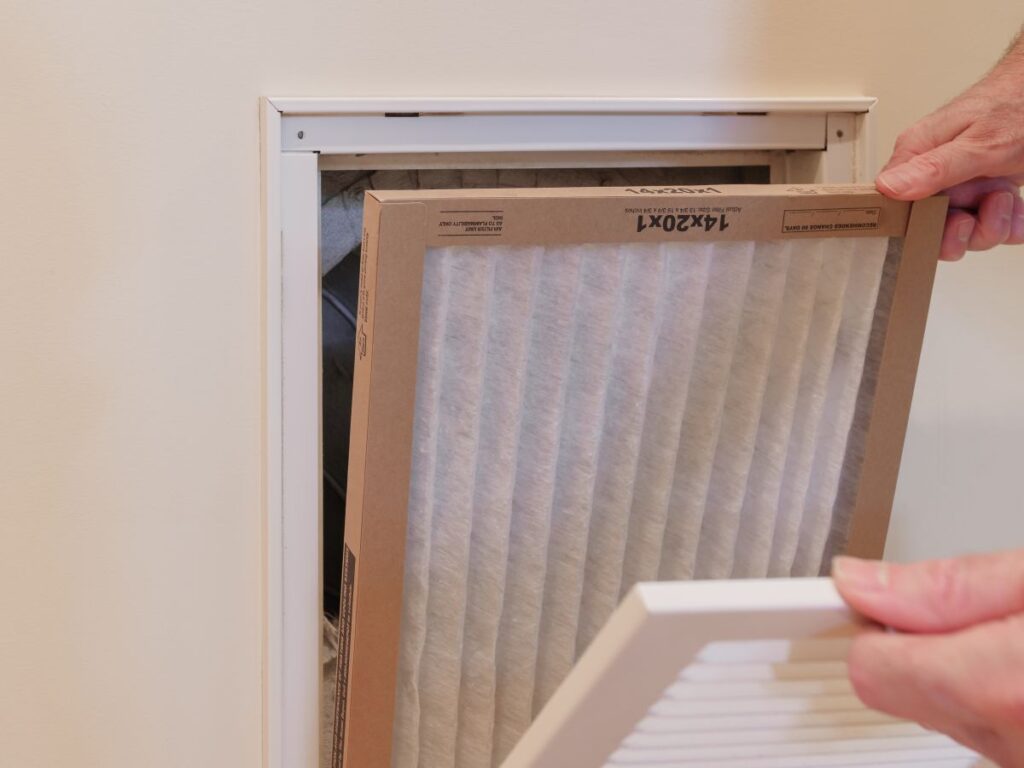
- Air filter size: Match the dimensions on your current filter’s frame exactly — length, width, and thickness all need to be correct to prevent unfiltered air from bypassing the media.
- Minimum efficiency reporting value (MERV) rating: A rating between 8 and 11 balances filtration efficiency and airflow for most residential systems.
- Household conditions: Homes with pets, allergy sufferers, or recent renovation work benefit from a higher-rated pleated filter and shorter replacement intervals.
- Consult your system docs: If you’re unsure what your furnace unit can handle, check your equipment documentation or ask an HVAC technician before upgrading to a denser filter.
We’re proud to serve home and business owners in Taylors, SC, and nearby communities with furnace filter guidance, heating maintenance, and more.
Trust Eastergard HVAC to Keep Your System Running Clean
At Eastergard HVAC, we’ve been helping Upstate South Carolina homeowners maintain their heating systems since 1989. As a family-owned and locally operated company, we believe in straightforward, honest service — including making sure our customers know when something as simple as a filter change can prevent a much bigger problem down the road. If you’re not sure what filter your system needs or whether a clogged filter may have already caused damage, reach out to Eastergard today to schedule a maintenance visit.