

A well-executed furnace installation influences comfort, efficiency, and long-term performance. For homeowners in Taylors, SC, choosing the right system and installation team ensures reliable heat for years to come. Whether you are replacing an old furnace or upgrading your overall hvac system, installation quality plays just as important a role as equipment selection. Understanding what truly affects performance helps homeowners get the most value from a new furnace.
Homeowners often begin the process by considering:
- System size: Ensuring the furnace meets home heating needs
- Fuel type: Gas, electric, or oil availability
- Installation conditions: Venting, airflow, and safety factors
- Efficiency expectations: Whether a high-efficiency furnace is the right fit
How Furnace Type Influences Installation
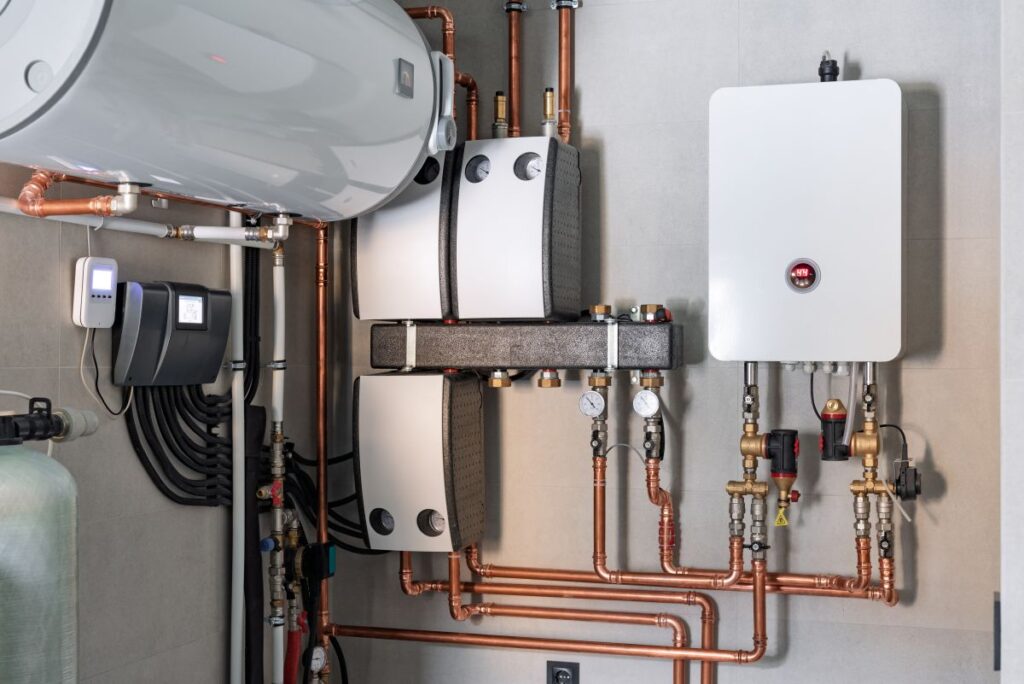
Before moving forward with furnace replacement, it helps to know how different system types impact installation requirements. Homes in Taylors may rely on natural gas, electricity, or oil, each of which affects cost, venting, and overall performance. Selecting the right furnace ensures compatibility with your existing furnace setup and your home’s layout.
| Furnace Type | Best For | Advantages | Installation Considerations |
| Gas Furnace | Homes with natural gas | Strong, efficient heat | Requires combustion venting and gas line checks |
| Electric Furnace | Homes without gas access | Lower upfront cost | Higher electricity usage in winter |
| Oil Furnace | Rural or older homes | High heat output | Requires oil storage and frequent cleaning |
The furnace you choose determines installation needs, fuel efficiency, and long-term reliability.
Home Conditions That Affect Furnace Performance
Your furnace is only one component of a complete hvac system. Home layout, ductwork condition, airflow paths, and electrical capacity all influence how well the furnace performs once installed. Without addressing these supporting elements, even a well-rated unit can struggle to distribute warm air evenly.
Here are home-related considerations that influence performance:
- Duct layout: Impacts room-to-room airflow and comfort
- Return air access: Ensures the furnace can circulate enough air
- Equipment space: Affects installation safety and service access
- Electrical capacity: Supports blower motors and modern controls
Fine-tuning these components ensures your furnace heats efficiently and consistently.
9 Factors That Affect Furnace Performance & Longevity
Several components work together to determine how long a furnace will last and how efficiently it will heat your home. Even when you install a high efficiency furnace, airflow, venting, installation workmanship, and maintenance habits ultimately shape long-term performance. Understanding these factors helps protect your investment and maintain steady comfort during Taylors winters.
1. Proper System Sizing
Correct sizing prevents inefficiency and excessive wear.
- Right capacity: Matches heating output to home needs
- Load evaluation: Ensures balanced operation
- Avoids strain: Extends furnace lifespan
2. Ductwork Condition
Duct quality impacts comfort and system efficiency.
- Air leaks: Waste heated air
- Incorrect duct sizing: Restricts airflow
- Duct improvements: Enhance overall performance
3. Airflow Calibration
Precise airflow setup supports efficient heating.
- Balanced distribution: Prevents hot and cold spots
- Correct static pressure: Reduces blower strain
- Proper return air volume: Maintains safe operation
4. Venting and Exhaust Safety
Proper venting removes combustion gases safely.
- Clear vent paths: Reduce safety risks
- Secure pipe fittings: Improve durability
- Correct vent sizing: Supports reliable exhaust flow
5. Fuel Delivery Quality
Steady, clean fuel delivery supports consistent heat.
- Gas pressure stability: Maintains proper combustion
- Electric reliability: Ensures smooth cycles
- Clean oil supply: Reduces soot buildup
6. Furnace Efficiency Rating
Efficiency determines long-term cost and performance.
- Higher AFUE: Converts more fuel into usable heat
- Reduced waste: Lowers monthly bills
- Advanced features: Improve comfort and usability
7. Installation Workmanship
Installer skill heavily influences furnace lifespan.
- Precise connections: Reduce future repair needs
- Correct leveling: Minimizes noise and vibration
- Safety compliance: Ensures proper system function
8. Thermostat Integration
The thermostat guides furnace operation and cycle timing.
- Correct wiring: Prevents irregular behavior
- Smart thermostat options: Improve scheduling
- Thoughtful placement: Ensures accurate readings
9. Maintenance-Friendly Setup
A well-installed furnace is easy to maintain.
- Accessible filters: Support routine cleaning
- Clear service space: Allows professional inspections
- Regular tune-ups: Protect long-term reliability
Why Installation Environment Matters More Than Equipment
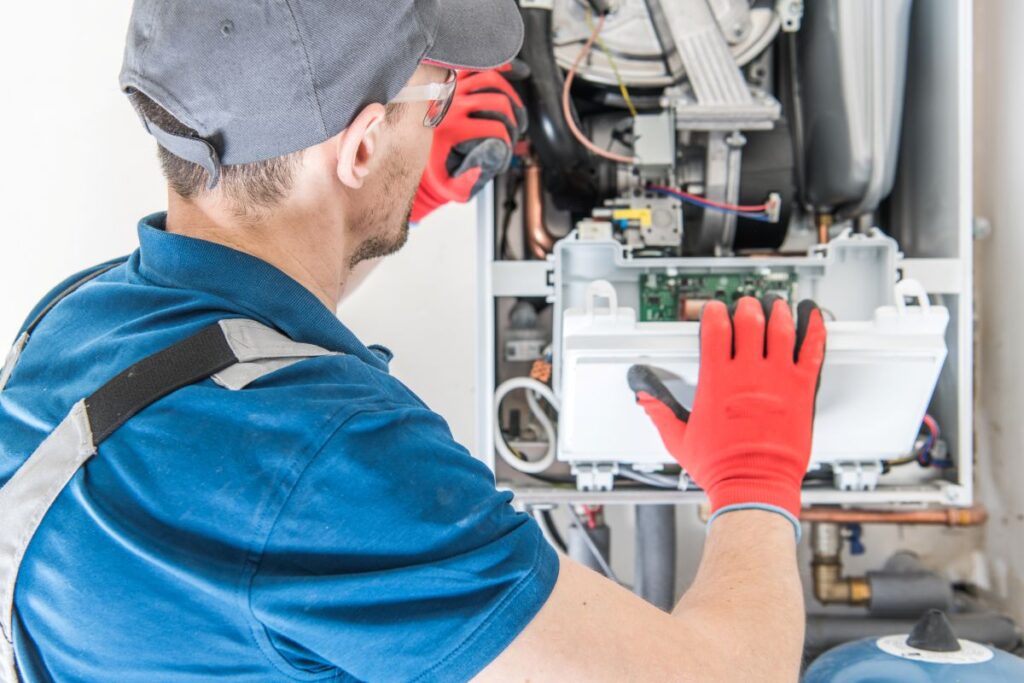
Even premium equipment cannot overcome poor installation conditions. Airflow restrictions, duct leaks, improper venting, and incorrect sizing can all reduce furnace output and efficiency. That is why HVAC contractors evaluate your home’s system layout before recommending a new furnace. Proper preparation ensures that the furnace integrates smoothly with your air conditioner, ductwork, and electrical setup.
For Taylors homeowners, preparing the installation environment often leads to better comfort, lower energy bills, and fewer unexpected repairs.
We’re proud to serve homeowners in Taylors, SC and surrounding areas with furnace installation, replacement, and service solutions.
Common Furnace Installation FAQs
Homeowners often have questions when deciding between repairing an old furnace, upgrading to a high efficiency furnace, or installing a new system. These answers help clarify what to expect during a typical furnace installation.
How long does furnace installation take?
Most furnace installation projects are completed in four to eight hours. Additional time may be required if ductwork modifications, safety upgrades, or fuel line adjustments are needed.
When should I consider furnace replacement?
A furnace should be replaced when repairs become frequent, efficiency drops, or the system reaches 12 to 20 years of age. Replacement is also recommended if performance issues persist despite maintenance.
Will a new furnace improve energy efficiency?
Yes. Modern furnaces use fuel more effectively, which can significantly reduce monthly heating expenses. Pairing a high efficiency furnace with tuned ductwork improves results even further.
Does my furnace require annual maintenance?
Annual maintenance is recommended to ensure safe operation, maintain efficiency, and extend furnace life. Tune-ups help detect issues early and reduce long-term repair costs.
Why Eastergard HVAC Is the Right Choice for Furnace Installation
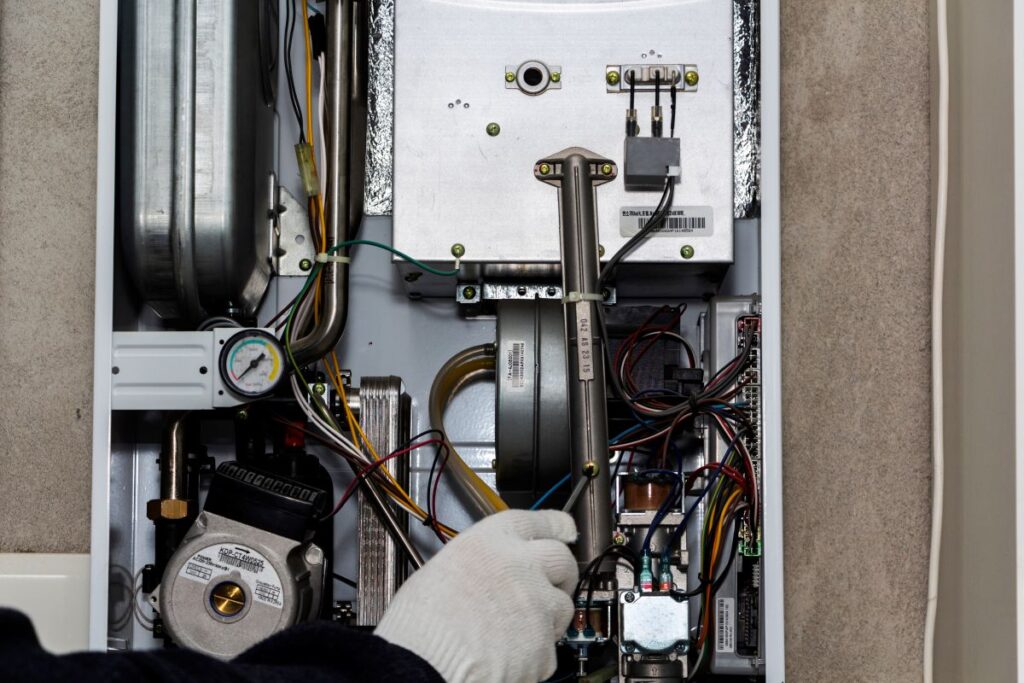
Eastergard HVAC provides furnace installation that prioritizes safety, comfort, and long-term reliability. Our licensed and insured team evaluates your home’s needs, recommends the right equipment, and installs systems using precise workmanship. We make sure your furnace integrates seamlessly with your hvac system, ductwork, and thermostat controls for dependable performance.
If you are ready to upgrade an old furnace or want expert guidance choosing a new system, contact Eastergard HVAC today for expert furnace installation and personalized support.