AC Refrigerant: 9 Signs Your Air Conditioner Is Low on Refrigerant
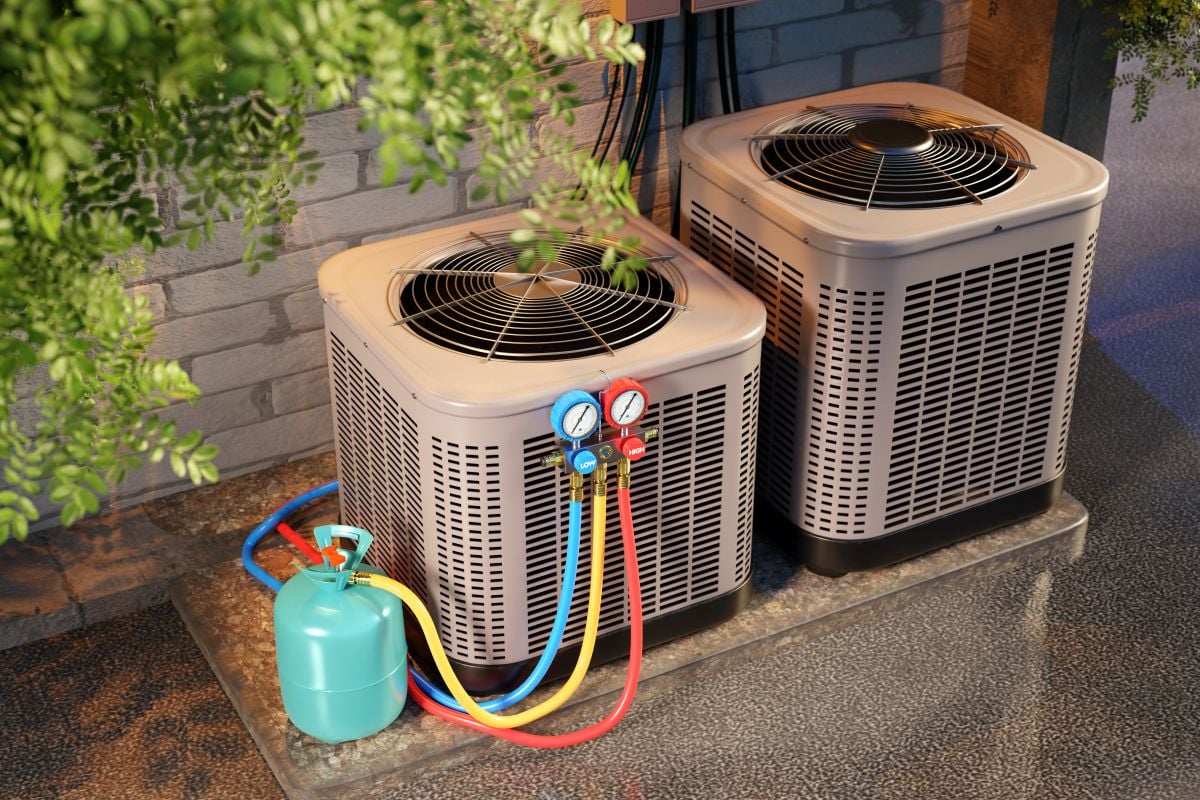
AC refrigerant is what allows your air conditioning system to remove heat from inside your home and deliver consistent cool air during the hottest months of the year. When refrigerant levels drop, the cooling process becomes less effective, energy use increases, and long-term damage can occur if the issue is not corrected quickly.
If your cooling feels off, watch for these warning signs:
- Warm air from vents: The system runs but does not cool properly.
- Longer cooling cycles: Your home takes much longer to reach the set temperature.
- Higher energy bills: Costs rise even though thermostat settings stay the same.
- Ice buildup: Frost forms on refrigerant lines or coils.
Low refrigerant is not something that resolves on its own. It requires professional diagnosis and proper refrigerant work to restore efficiency and protect your air conditioning unit.
What Does AC Refrigerant Actually Do?
Refrigerant is the chemical compound that allows your air conditioning system to transfer heat from inside your home to the outdoors. As it circulates through the indoor coil, it absorbs heat from the air. That absorbed heat is then carried to the outdoor unit, where it is released outside.
This continuous cycle is what makes the cooling process possible. Refrigerant operates as a flow pressure gas that changes state as it absorbs and releases heat. When levels are correct, the system can transfer heat efficiently and maintain steady indoor comfort.
If levels are low, the system cannot complete the cooling process properly. Refrigerant does not get used up over time. If your AC is low, there is typically a leak that must be repaired before adding new refrigerant or freon.
Why Low Refrigerant Should Never Be Ignored
Running your air conditioning unit with insufficient refrigerant can lead to expensive damage and reduced equipment lifespan. The compressor relies on proper pressure to function safely and effectively.
Ignoring the issue can result in:
- Compressor overheating: Low refrigerant disrupts pressure balance.
- Premature failure: Internal components wear out faster.
- Reduced cooling capacity: The air conditioning system cannot deliver consistent cool air.
- Higher operating costs: Extended runtime increases electricity usage.
- Complete breakdown risk: Minor leaks can escalate into major repairs.
In Greer, where summer heat and humidity are intense, maintaining proper refrigerant levels is crucial for reliable comfort. A properly charged system protects both your cooling equipment and your monthly energy costs.
9 Signs Your Air Conditioner Is Low on Refrigerant
Low refrigerant levels often cause noticeable changes in how your air conditioning system performs. These signs may start subtly but tend to worsen over time if refrigerant work is not completed promptly.
1. Warm Air Coming From the Vents
If your air conditioning unit is running but the air feels only slightly cool or even warm, refrigerant levels may be too low. Without enough refrigerant to transfer heat effectively, the system cannot produce sufficient cool air.
- Reduced cooling output: Air feels weak or lukewarm.
- Uneven room temperatures: Certain areas stay warmer than others.
- Thermostat struggles: Desired temperatures are not reached.
2. Longer Cooling Cycles
Low refrigerant reduces the system’s ability to remove heat efficiently. As a result, the air conditioning system runs longer to try to reach the set temperature.
- Continuous operation: Little downtime between cycles.
- Slow cooling response: The house cools gradually.
- Increased mechanical strain: Components operate under added stress.
Extended runtime not only affects comfort but also increases wear on your air conditioning unit and raises energy costs.
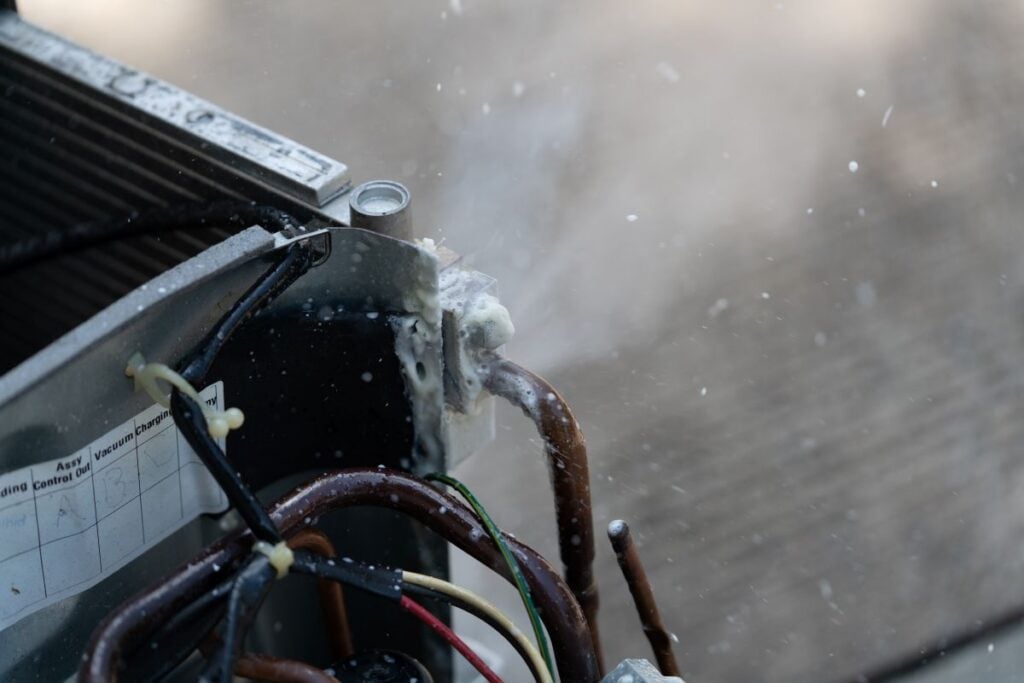
3. Ice on Refrigerant Lines or Evaporator Coil
When refrigerant levels drop, pressure inside the coil decreases. This can cause the coil to become too cold, freezing condensation that forms during the cooling process.
- Visible frost: Ice forms on copper refrigerant lines.
- Restricted airflow: Ice buildup blocks proper circulation.
- Water leaks: Melting ice creates moisture around the indoor cabinet.
Ice formation is a clear sign that refrigerant levels and pressure are not balanced properly.
4. Rising Energy Bills
An undercharged air conditioning system must run longer to deliver less cooling. This inefficiency shows up on your monthly utility bill.
- Unexpected cost increases: Bills rise without thermostat changes.
- Longer cycles: More electricity is consumed per cooling session.
- Reduced efficiency: The system works harder to achieve results.
Proper refrigerant levels support efficient heat transfer and help maintain predictable energy costs.
5. Hissing or Bubbling Noises
Refrigerant leaks often produce audible signs. Since refrigerant functions as a pressurized gas, escaping flow pressure gas can create noticeable sounds.
- Hissing sounds: Gas escaping from small cracks.
- Bubbling noises: Air mixing inside refrigerant lines.
- Declining cooling performance: Cooling weakens as refrigerant escapes.
These sounds should be evaluated promptly to prevent larger damage.
6. High Indoor Humidity
Your air conditioning system does more than cool. It also removes humidity as part of the cooling process. When refrigerant levels are low, moisture removal becomes less effective.
- Sticky indoor air: The home feels damp.
- Clammy surfaces: Moisture lingers on furniture and walls.
- Reduced comfort: Cool air feels less refreshing.
Balanced refrigerant levels are essential for both temperature and humidity control.
7. Short Cycling
Low refrigerant can disrupt normal operating patterns, causing irregular cycling behavior.
- Frequent starts and stops: The air conditioning unit turns off prematurely.
- Temperature swings: Indoor comfort fluctuates.
- Added strain: Repeated cycling stresses internal components.
Irregular cycling often indicates pressure imbalance within the system.
8. AC Runs Constantly Without Cooling
In more severe cases, the system may run nearly nonstop without effectively cooling the home. This happens when refrigerant levels are too low to support proper heat transfer.
- Nonstop operation: The system rarely shuts off.
- Minimal temperature change: Indoor conditions remain warm.
- Declining reliability: Performance continues to weaken.
Operating in this condition can significantly shorten equipment lifespan.
9. Older Equipment With Gradual Cooling Decline
As air conditioning systems age, refrigerant lines may weaken, increasing the risk of small leaks. Over time, cooling performance may gradually decline.
- Progressive cooling loss: Comfort decreases season after season.
- Frequent service needs: Repairs become more common.
- Outdated refrigerant type: Older systems may still use freon, which requires careful handling.
Older systems sometimes require new refrigerant and professional assessment to determine whether repair or replacement is the better long-term option.
We’re proud to serve home and business owners in Greer, SC, and nearby communities with refrigerant services, heat pump diagnostics, and complete cooling solutions.
What Happens During a Professional Refrigerant Repair
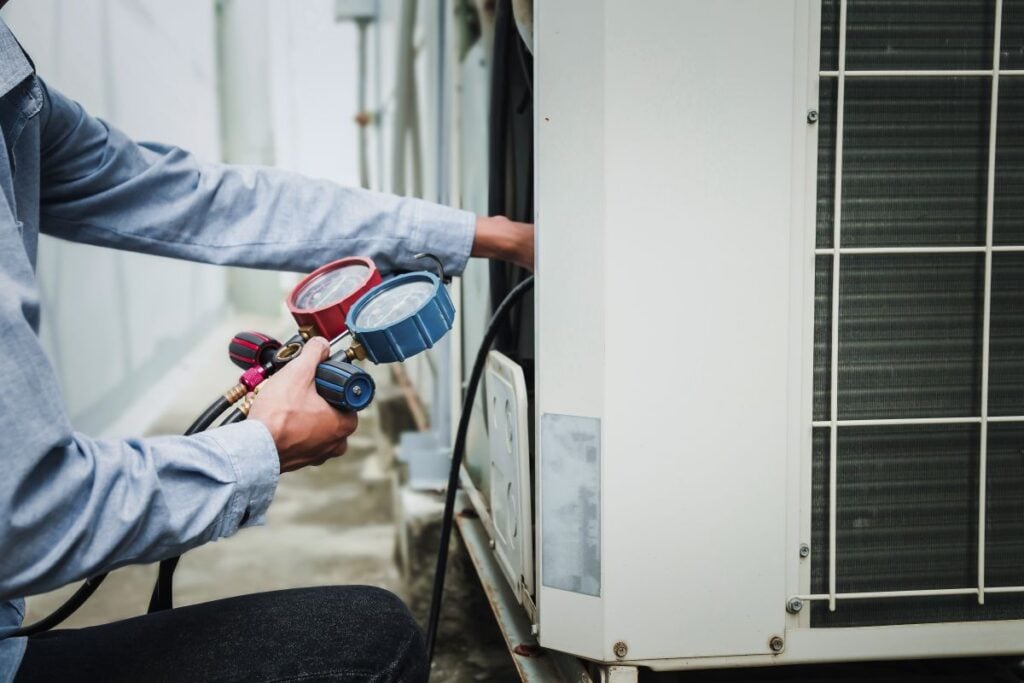
Refrigerant service involves more than simply adding new refrigerant. A qualified technician must identify the leak, repair it properly, and restore correct pressure levels throughout the air conditioning system.
A professional service typically includes:
- Leak detection testing: Locating the source of refrigerant loss.
- Sealing or replacing damaged lines: Ensuring the system is airtight.
- Recharging to manufacturer specifications: Restoring proper refrigerant balance.
- Testing cooling performance: Confirming the system can transfer heat effectively.
- Inspecting the outdoor unit: Ensuring proper condenser function.
Proper refrigerant work ensures long-term reliability rather than offering a temporary fix.
Restore Cooling Performance With Eastergard HVAC, Inc.
At Eastergard HVAC, Inc., we understand how critical refrigerant balance is for dependable cooling. Our experienced technicians carefully evaluate your air conditioning system, locate leaks accurately, and restore safe operating pressure.
If your air conditioning unit in Greer is not delivering consistent cool air, contact Eastergard HVAC, Inc. today to schedule a professional evaluation and protect your comfort throughout the season.
Recent Articles POSTS